
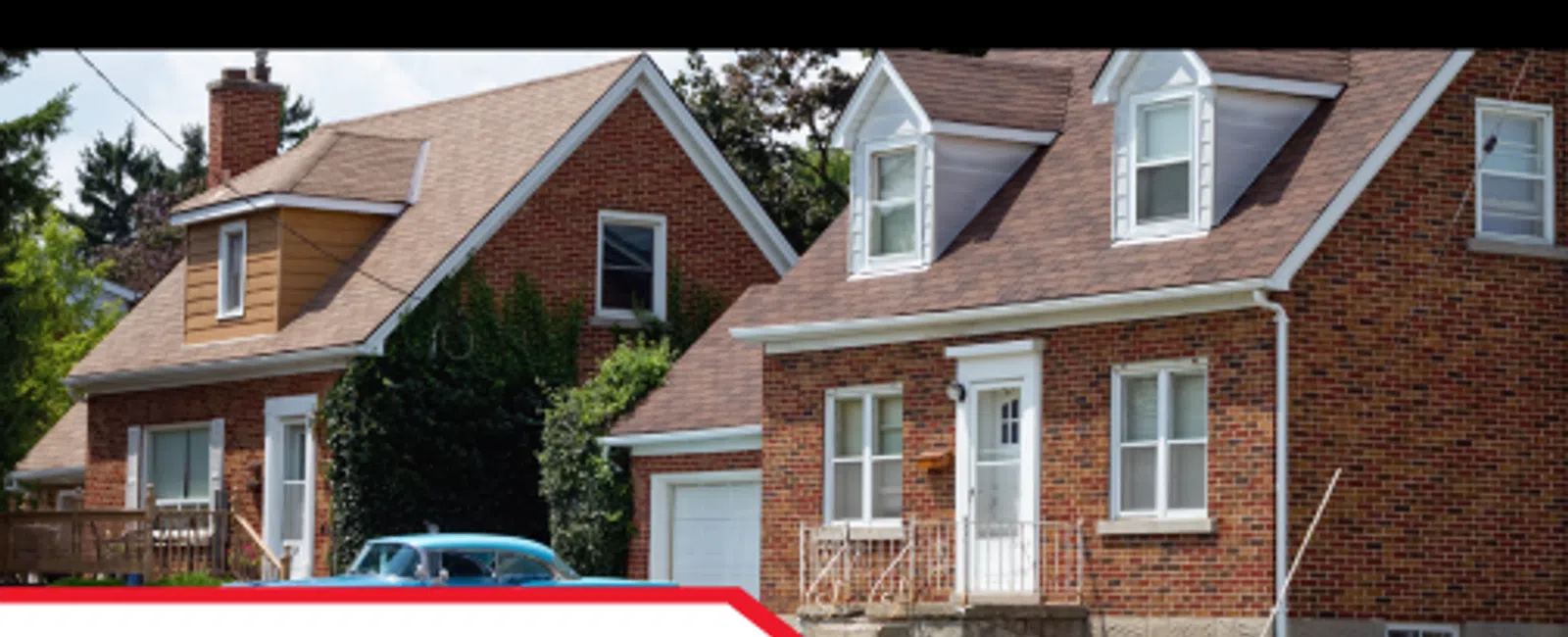
Homes built in the 1950s and homes built in the early 2000s may seem completely different at first glance. A 1950s home may offer established neighborhoods, mature landscaping, original craftsmanship, and historic charm, while an early 2000s home may feature larger floor plans, modern layouts, attached garages, and newer building materials. For buyers, sellers, and homeowners throughout the Southeast, both types of homes can be appealing for different reasons.
However, both eras also come with important inspection considerations. A home built in the 1950s may have aging electrical systems, older plumbing materials, foundation settlement, roof deterioration, crawlspace moisture, and decades of deferred maintenance. A home built in the early 2000s may appear newer, but many of its major systems may now be approaching the end of their expected service life. These homes can also present concerns related to builder-grade materials, roof wear, HVAC aging, flashing defects, attic ventilation, and construction quality variations.
That is why comprehensive residential inspections Southeast homeowners can rely on are so important. At LunsPro Inspection Group, our Experienced Home Inspectors evaluate older and newer homes with the same goal: helping clients understand the true condition of the property before making important real estate or maintenance decisions. Through Residential Home Inspections, Roof Inspections, Crawlspace Inspections, Attic Inspections, Moisture Intrusion Detection, Infrared Inspections, Thermal Imaging, Drone Roof Inspections, Detailed Reporting, and practical recommendations, buyers and homeowners receive the information they need to move forward with confidence.
Guidance from Healthy Homes: Moisture explains how controlling moisture, improving ventilation, and maintaining building materials are essential for protecting both older and newer homes from long-term deterioration. This is especially relevant throughout the Southeast, where humidity, heavy rainfall, and moisture intrusion can affect homes from every construction era.
Why Age Matters During a Residential Inspection
The age of a home tells an inspector a great deal about what systems and materials may be present. It does not automatically determine whether the home is in good or poor condition, but it helps establish what types of issues may be more likely.
A 1950s home may have been updated several times over the decades. Some upgrades may have been completed professionally, while others may reflect older repair methods, partial renovations, or homeowner modifications. A home from the early 2000s may still feel relatively modern, but after more than two decades of use, major systems such as roofing, HVAC, water heaters, exterior sealants, and appliances may be nearing replacement age.
A thorough Home Inspection Checklist should account for the home's construction era, maintenance history, visible conditions, and regional climate exposure. This is why aging home inspections require both technical knowledge and practical experience.
Common Inspection Concerns in 1950s Homes
Homes built in the 1950s often have substantial character, but they may also include systems and materials that require careful evaluation.
Aging Electrical Systems
Electrical systems in 1950s homes often require detailed observation. Some homes from this era may have received full electrical upgrades, while others may still contain older wiring methods, outdated panels, ungrounded outlets, or modifications completed over many decades.
An Electrical Inspection may identify concerns such as outdated wiring, overloaded circuits, insufficient grounding, improper repairs, or electrical panels that no longer meet modern usage demands. Today's homeowners rely on far more electrical equipment than families did in the 1950s, including computers, large appliances, entertainment systems, security systems, and charging devices.
Electrical concerns are important because they can affect safety, insurance, functionality, and renovation plans. Buyers considering a 1950s home should understand whether the electrical system appears updated, partially updated, or in need of further evaluation by a licensed electrician.
Galvanized or Aging Plumbing
Plumbing materials are another major concern in older homes. Many 1950s homes may contain galvanized steel supply piping, cast iron drain lines, or a combination of original and newer materials. Galvanized plumbing can corrode internally over time, reducing water flow and increasing the likelihood of leaks.
A Plumbing Inspection may identify visible corrosion, leaks, improper repairs, slow drainage, outdated materials, or evidence of previous plumbing work. Because much of a plumbing system is concealed behind walls, floors, or ceilings, visible clues become especially important.
Plumbing deterioration can lead to water damage, mold concerns, damaged finishes, and expensive repairs. In many cases, a residential inspection helps buyers understand whether additional plumbing evaluation may be needed before closing.
Foundation Settlement and Structural Movement
Foundation settlement is one of the most important issues inspectors evaluate in older homes. Over decades, homes may experience soil movement, drainage changes, moisture exposure, or structural modifications that affect stability.
A Structural Inspection may identify visible cracks, uneven floors, wall movement, door alignment problems, or evidence of previous repairs. Not every crack indicates a major structural defect, but visible movement should be documented and evaluated carefully.
In Southeastern markets such as Atlanta, Charlotte, Nashville, and Raleigh, soil conditions and rainfall patterns can contribute to foundation movement. Homes with crawlspaces may also show signs of moisture-related wood deterioration, settlement, or structural repairs beneath the living areas.
Older Roofing Materials
A 1950s home may have had several roof replacements during its lifetime. During a Roof Inspection, inspectors evaluate the current roofing system rather than the original construction date, but older homes often have layered repairs, aging flashing, chimney issues, or ventilation concerns that affect performance.
Common findings may include deteriorated shingles, flashing defects, roof leaks, sagging areas, damaged decking, or signs of past water intrusion. If roof drainage is poor, moisture may affect exterior walls, foundations, crawlspaces, or interior finishes.
At LunsPro Inspection Group, Drone Roof Inspections can provide enhanced visibility for steep, complex, or difficult-to-access roof areas. This can be especially helpful on older homes where rooflines, chimneys, additions, and previous repairs require detailed documentation.
Moisture Intrusion and Crawlspace Issues
Moisture intrusion is one of the most common concerns in older homes throughout the Southeast. Homes built in the 1950s may not have been constructed with the same moisture management practices used today.
Crawlspace Inspections frequently identify elevated humidity, damaged vapor barriers, wood rot, fungal growth, plumbing leaks, poor ventilation, or drainage concerns. Crawlspace moisture can affect floor framing, indoor air quality, pest activity, and long-term structural performance.
Because Southeastern climate conditions include high humidity and frequent rainfall, moisture control is especially important. Moisture Intrusion Detection, Infrared Inspections, and Thermal Imaging can help identify conditions that may not be visible during a standard walkthrough.
Insulation and Ventilation Concerns
Many 1950s homes were built before modern energy efficiency expectations. Insulation may be missing, inadequate, compressed, damaged, or unevenly distributed. Attic ventilation may also be insufficient by current standards.
Attic Inspections may reveal ventilation issues, moisture staining, insulation deficiencies, roof leaks, or improper exhaust venting. These conditions can affect energy efficiency, comfort, roof performance, and moisture control.
Common Inspection Concerns in Early 2000s Homes
Homes built in the early 2000s are often considered newer by many buyers, but these properties are now old enough to require careful evaluation. A home built in 2002, for example, may be more than 20 years old. That age matters when evaluating roofs, HVAC systems, plumbing components, exterior finishes, windows, and deferred maintenance.
Builder-Grade Materials
Many early 2000s homes were built during periods of rapid residential growth. In some communities, builders used cost-effective materials designed to meet market demand while keeping homes affordable.
Builder-grade materials are not automatically defective, but they may have shorter service lives than higher-end products. Inspectors may evaluate flooring, windows, cabinets, fixtures, exterior trim, roofing materials, and mechanical components for wear, performance, and maintenance needs.
Roofing Wear
Many early 2000s homes may still have original roofing materials or roofs that have only recently been replaced. If the original roof remains, it may be near or beyond the expected service life depending on material quality, installation, ventilation, maintenance, and storm exposure.
Roof deterioration may include granule loss, damaged shingles, flashing issues, ventilation concerns, or evidence of prior leaks. In Southeastern markets, storms, heat, and humidity can accelerate roof wear.
Home Inspections in Atlanta, Home Inspections in Charlotte, Home Inspections in Nashville, and Home Inspections in Raleigh often identify roof-related concerns in homes from this era because roofing systems are now aging into a more maintenance-sensitive stage.
HVAC Systems Nearing End of Service Life
HVAC Inspection concerns are common in early 2000s homes. If the original system is still in place, it may be approaching the end of its expected useful life. Even replacement systems require evaluation for maintenance, installation quality, airflow, condensate drainage, and general performance.
HVAC issues can affect comfort, indoor air quality, energy efficiency, and future ownership costs. Buyers should understand whether systems appear newer, older, well maintained, or likely to require replacement.
Plumbing Defects
Early 2000s homes may contain modern plumbing materials, but that does not eliminate the possibility of defects. Inspectors may identify leaks, loose fixtures, improper drainage, water heater concerns, visible corrosion, or installation deficiencies.
Plumbing problems are important because small leaks can create moisture damage over time. A thorough Plumbing Inspection helps identify visible issues before they become larger repair concerns.
Window and Door Performance
Windows and doors in early 2000s homes may show signs of seal failure, water intrusion, damaged flashing, poor operation, or deteriorated exterior trim. Improper flashing around windows and doors can allow water to enter wall assemblies, sometimes creating hidden damage.
Moisture intrusion around openings is a common issue in Southeastern homes due to wind-driven rain and humidity. Infrared Inspections and Moisture Intrusion Detection may help identify conditions that warrant closer evaluation.
Attic Ventilation and Insulation
Early 2000s homes may have attic ventilation or insulation issues related to construction practices, modifications, or aging materials. Inspectors may observe blocked soffit vents, uneven insulation, bathroom exhaust fans venting into attic spaces, or moisture staining.
Attic ventilation matters because poor airflow can contribute to heat buildup, condensation, roof deterioration, and reduced energy efficiency.
Construction Quality Variations
Not all early 2000s homes were built to the same standard. Rapid development and varying subcontractor quality can result in differences from one home to another, even within the same neighborhood.
Inspection guidance discussed in What Home Inspectors Look For outlines the major structural systems, mechanical components, and safety features that inspectors evaluate during a comprehensive residential inspection. This guidance is especially useful when comparing homes from different construction eras because it reinforces the importance of evaluating each property based on its actual condition rather than age alone.
Comparing 1950s Homes and Early 2000s Homes
A 1950s home and an early 2000s home may both require repairs, but the nature of those repairs often differs.
Older Homes Often Have Age-Related Concerns
Common issues in 1950s homes include outdated electrical systems, galvanized plumbing, foundation settlement, crawlspace moisture, insulation deficiencies, roof repairs, and deferred maintenance.
These concerns often develop gradually over decades. Some may be visible, while others require careful inspection of attics, crawlspaces, roofing systems, mechanical equipment, and structural components.
Early 2000s Homes Often Have Lifecycle Concerns
Early 2000s homes may have fewer historic material concerns, but many major components may be aging at the same time. Roofs, HVAC systems, water heaters, windows, exterior sealants, and appliances may all be entering replacement windows.
Construction quality variations, builder-grade materials, and moisture management issues may also become more apparent after two decades of use.
Both Require Professional Inspections
The most important takeaway is that no home should be judged by age alone. A well-maintained 1950s home may outperform a poorly maintained early 2000s home. Likewise, a newer home may have hidden defects that a casual walkthrough will not reveal.
A professional residential inspection helps buyers understand actual conditions, not assumptions.
Regional Factors That Affect Southeastern Homes
Residential Inspections in the Southeast must account for local climate conditions. Heat, humidity, storms, rainfall, and changing soil moisture levels affect both older and newer homes.
Humidity and Moisture Intrusion
Humidity can contribute to condensation, mold growth, crawlspace moisture, and attic ventilation concerns. Moisture Intrusion Inspection services help identify visible signs of water entry, elevated moisture, and conditions conducive to deterioration.
Guidance from Healthy Homes: Moisture explains how controlling moisture, improving ventilation, and maintaining building materials are essential for protecting both older and newer homes from long-term deterioration. This is especially important in Southeastern homes where moisture exposure can affect structures across multiple decades of construction.
Storm Exposure and Roof Deterioration
Frequent storms can damage roofing systems, loosen flashing, expose weak installation points, and create hidden leaks. Both 1950s and early 2000s homes benefit from Roof Inspections and Drone Roof Inspections that document visible roof conditions.
Crawlspace Moisture
Crawlspace moisture is common throughout parts of the Southeast. Homes with raised foundations may experience wood rot, pest activity, insulation damage, and structural deterioration when moisture is not controlled.
Crawlspace Inspections are especially important in older homes but can also reveal concerns in newer homes where grading, drainage, or ventilation is inadequate.
How LunsPro Inspection Group Evaluates Homes from Different Eras
LunsPro Inspection Group provides Residential Inspection Services designed to help buyers and homeowners understand the condition of homes from every era.
Our Experienced Home Inspectors evaluate:
- Roofing systems
- Structural components
- Electrical systems
- Plumbing systems
- HVAC equipment
- Attics
- Crawlspaces
- Exterior components
- Moisture-related concerns
- Interior systems
Homeowner resources from Common Problems in Older Homes highlight many of the aging electrical, plumbing, roofing, and structural concerns that buyers should understand when purchasing an older property. These concerns align closely with what inspectors often evaluate in 1950s homes throughout the Southeast.
The Value of Detailed Reporting
A professional inspection report does more than list defects. It helps clients understand what was observed, why it matters, and what may require additional evaluation or repair.
Detailed Reporting supports:
- Repair planning
- Negotiations
- Maintenance budgeting
- Contractor conversations
- Long-term ownership decisions
For first-time buyers, a First-Time Homebuyer Inspection can also serve as an educational guide to understanding the home's systems and maintenance priorities.
Why Buyers Should Not Skip Inspections
In competitive markets, some buyers may be tempted to reduce inspection contingencies or skip inspections altogether. That approach can expose buyers to substantial risk.
A comprehensive inspection helps identify:
- Safety concerns
- Hidden moisture problems
- Aging systems
- Structural observations
- Deferred maintenance
- Repair priorities
Regardless of whether the home was built in 1955 or 2005, buyers deserve to understand what they are purchasing.
Homes built in the 1950s and homes built in the early 2000s each present unique inspection challenges. Older homes often require attention to aging electrical systems, galvanized plumbing, foundation settlement, structural movement, crawlspace moisture, insulation deficiencies, and deferred maintenance. Early 2000s homes may appear more modern, but many are now old enough to show roofing wear, HVAC aging, plumbing defects, window and door performance issues, moisture intrusion, attic ventilation concerns, and construction quality variations.
The age of a home provides important context, but it does not tell the whole story. Maintenance history, construction quality, climate exposure, and previous repairs all influence current property condition. That is why comprehensive residential inspections Southeast buyers and homeowners can depend on remain essential for informed real estate decisions.
At LunsPro Inspection Group, our Residential Home Inspections, Older Home Inspection services, Roof Inspections, Electrical Inspection observations, Plumbing Inspection evaluations, HVAC Inspection procedures, Crawlspace Inspections, Attic Inspections, Moisture Intrusion Detection, Infrared Inspections, Thermal Imaging, Drone Roof Inspections, Structural Inspection observations, and Detailed Reporting help clients understand the true condition of homes across the Southeast. Whether scheduling Home Inspections in Atlanta, Home Inspections in Charlotte, Home Inspections in Nashville, or Home Inspections in Raleigh, professional inspections provide the clarity needed to plan repairs, protect investments, and move forward with confidence.