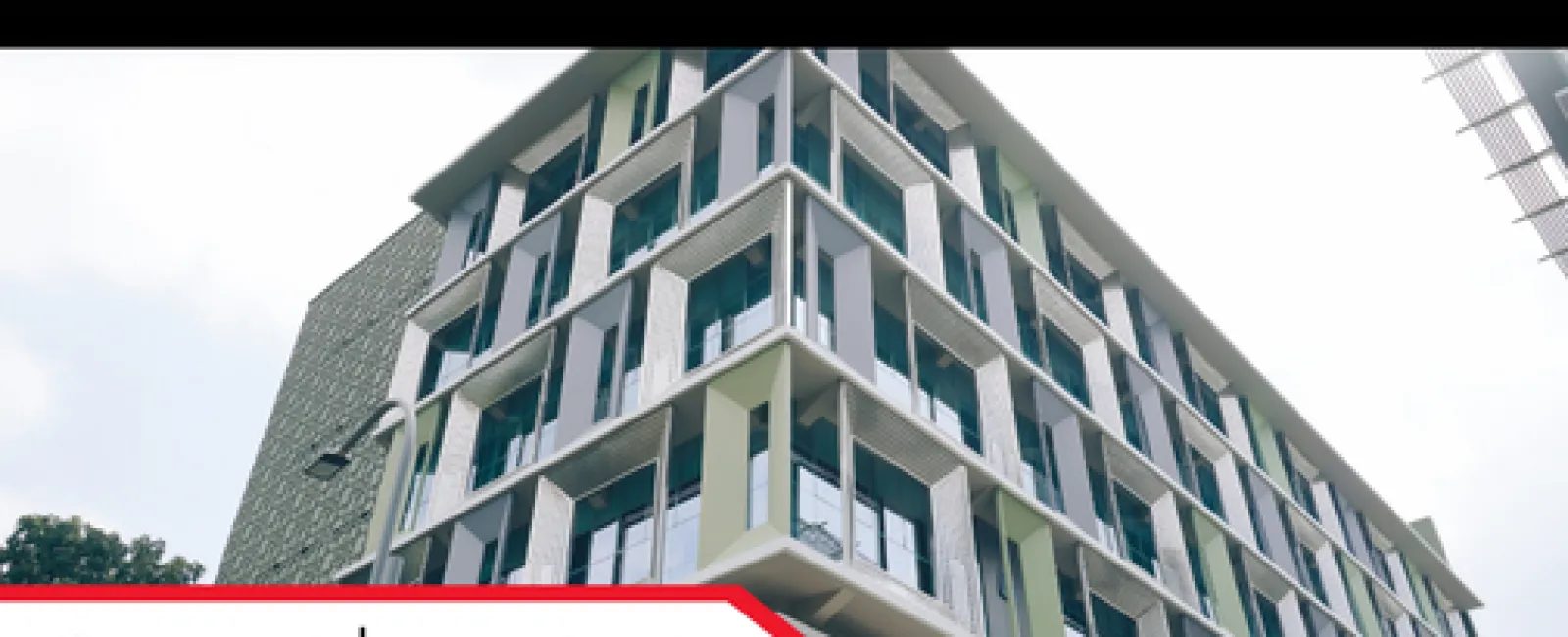
Across the Southeastern United States, rapid population growth and economic expansion are reshaping urban landscapes. Cities such as Charlotte, Charleston, and Chattanooga have experienced a surge in development, with new office buildings, retail centers, industrial facilities, and mixed-use developments appearing throughout their metropolitan areas. This expansion creates opportunities for investors and business owners, but it also increases the importance of careful property evaluation before transactions occur. Professional Southeast commercial property inspections play a vital role in ensuring these buildings meet structural, safety, and operational expectations.
In fast-growing urban markets, properties may change hands frequently as investors seek opportunities in expanding commercial corridors. While a building's location and revenue potential are important considerations, the physical condition of the property is equally critical. Structural deficiencies, aging mechanical systems, or deferred maintenance can significantly affect long-term profitability. Through comprehensive Commercial Inspections in the Southeast, LunsPro Inspection Group helps buyers, investors, and property owners understand the condition of commercial buildings and make informed decisions in these dynamic markets.
The Rise of Southeastern Urban Development
Over the past decade, the Southeast has become one of the fastest-growing regions in the United States. Factors contributing to this growth include strong job markets, expanding infrastructure, and relatively affordable living compared to many other regions.
Cities experiencing particularly strong expansion include:
-
Charlotte, North Carolina
-
Charleston, South Carolina
-
Chattanooga, Tennessee
Each of these cities has seen significant commercial development, including new office towers, retail complexes, and industrial logistics centers. As these markets expand, the demand for reliable Southeast commercial property inspections has increased as well.
Rapid development often means that both newly constructed and older properties enter the market quickly. Buyers and investors must evaluate whether these buildings are structurally sound and capable of supporting long-term business operations.
Why Commercial Property Inspections Matter in Growing Cities
In high-growth markets, commercial properties may be purchased quickly to take advantage of rising demand. However, rushing through a real estate transaction without a thorough inspection can expose buyers to significant financial risk.
Professional Commercial Inspections in the Southeast provide several key benefits:
-
Identification of structural issues that could require costly repairs
-
Evaluation of mechanical systems such as HVAC and electrical infrastructure
-
Assessment of roof condition and drainage systems
-
Detection of deferred maintenance
-
Documentation that supports negotiation and investment planning
When commercial real estate is purchased without proper evaluation, hidden problems may not appear until after the transaction is complete. A thorough inspection helps prevent unexpected expenses and operational disruptions.
Understanding Urban Growth Inspections
As cities expand rapidly, inspections must account for challenges unique to urban environments. These evaluations are often referred to as urban growth inspections, because they focus on buildings located in developing commercial districts or revitalized downtown areas.
Urban growth inspections typically involve evaluating:
-
Newly constructed buildings with limited operational history
-
Renovated historic structures adapted for modern use
-
Mixed-use developments combining residential and commercial spaces
-
Older commercial buildings undergoing redevelopment
Each of these property types presents unique inspection considerations.
Commercial Inspections in Charlotte
Charlotte has become one of the Southeast's major financial and commercial centers. The city's skyline continues to evolve as office towers and mixed-use developments expand throughout the metropolitan area.
Commercial Inspections in Charlotte frequently involve evaluating large office complexes, retail centers, and multi-tenant commercial properties. Inspectors focus on several critical systems, including:
-
High-capacity HVAC systems serving multiple floors
-
Electrical systems supporting modern office equipment
-
Elevator systems and vertical transportation components
-
Structural frameworks in high-rise buildings
Because many commercial buildings in Charlotte house multiple tenants, inspectors must ensure shared mechanical systems operate efficiently and safely.
Commercial Inspections in Charleston
Charleston's coastal location and historic architecture create unique inspection challenges. The city's commercial sector includes a combination of newly developed properties and historic buildings that have been adapted for modern use.
During Commercial Inspections in Charleston, inspectors pay special attention to environmental conditions that may affect building performance. These include:
-
Humidity and moisture exposure
-
Coastal salt-air corrosion affecting metal components
-
Storm-related roof damage
-
Foundation conditions in historic structures
Historic commercial properties often require careful evaluation to ensure renovations have been completed properly and that structural components remain stable.
Commercial Inspections in Chattanooga
Chattanooga has experienced significant economic growth in recent years, with expanding technology companies, manufacturing operations, and logistics facilities. Industrial and warehouse properties play a major role in the city's commercial landscape.
Commercial Inspections in Chattanooga often involve large industrial buildings designed to support manufacturing or distribution operations.
Inspectors may evaluate:
-
Structural steel framing systems
-
Concrete floors designed for heavy loads
-
Loading dock equipment and overhead doors
-
Electrical systems capable of supporting industrial machinery
Industrial inspections require particular attention to safety features and structural performance.
Key Systems Evaluated During Commercial Inspections
A professional commercial inspection involves evaluating a wide range of building systems. These inspections provide insight into how the building functions and whether it requires repairs or upgrades.
Structural Systems
Structural integrity is one of the most important aspects of any commercial building. Inspectors evaluate visible structural components including foundations, beams, columns, and load-bearing walls.
Signs of structural concern may include cracking, settlement, or uneven flooring. In rapidly expanding urban areas, soil conditions and site preparation practices can influence foundation performance.
Roofing Systems
Commercial buildings often use flat or low-slope roofing systems. Inspectors review roofing membranes, flashing details, drainage components, and signs of previous repairs.
Because roof replacement can be expensive, evaluating roof condition is a major focus of Southeast commercial property inspections.
HVAC Systems
Heating, ventilation, and air conditioning systems in commercial buildings are often larger and more complex than residential systems. Inspectors evaluate equipment condition, airflow distribution, and maintenance history.
In the Southeast's warm climate, HVAC systems operate for extended periods each year. Proper installation and maintenance are essential for energy efficiency and occupant comfort.
Electrical Infrastructure
Commercial electrical systems must support lighting, office equipment, industrial machinery, and other operational needs. Inspectors evaluate electrical panels, wiring condition, grounding systems, and circuit capacity.
Electrical deficiencies can create safety hazards or limit the building's ability to support future tenants.
Plumbing Systems
Plumbing inspections focus on water supply lines, drainage systems, water heaters, and fixtures. Inspectors look for leaks, corrosion, or improper installation that could lead to water damage.
Water intrusion can be especially problematic in humid Southeastern climates.
Exterior and Site Conditions
In addition to interior systems, inspectors evaluate exterior components and site conditions.
Important elements include:
-
Exterior cladding and siding materials
-
Window and storefront systems
-
Parking lots and sidewalks
-
Site drainage and grading
Proper drainage is particularly important in Southeastern cities where heavy rainfall can occur throughout the year.
Investment Benefits of Professional Inspections
For investors purchasing commercial properties in growing cities, inspections provide valuable information about potential risks and expenses.
Inspection findings help investors:
-
Estimate future maintenance costs
-
Plan capital improvements
-
Negotiate purchase terms
-
Evaluate long-term property performance
Without professional Southeast commercial property inspections, investors may underestimate repair costs or overlook structural concerns.
The Importance of Local Expertise
Urban development patterns vary widely across Southeastern cities. Inspectors familiar with local construction practices and environmental conditions can provide more accurate evaluations.
At LunsPro Inspection Group, our inspectors specialize in Commercial Inspections in the Southeast, bringing regional knowledge and technical expertise to each property evaluation.
Our team regularly performs Commercial Inspections in Charlotte, Commercial Inspections in Charleston, and Commercial Inspections in Chattanooga, helping investors and property owners navigate the challenges of rapidly expanding markets.
The Southeast continues to experience significant economic and population growth, driving commercial development across cities such as Charlotte, Charleston, and Chattanooga. As these urban areas expand, commercial properties become valuable assets for investors, developers, and business owners. However, purchasing or managing commercial real estate without understanding the building's physical condition can lead to costly surprises.
Professional Southeast commercial property inspections provide essential insight into structural integrity, system performance, and maintenance needs. Through comprehensive urban growth inspections, buyers and investors can evaluate whether properties are capable of supporting long-term business operations.
By partnering with experienced professionals such as LunsPro Inspection Group, clients gain access to reliable Commercial Inspections in the Southeast tailored to the demands of rapidly growing urban markets. Whether arranging Commercial Inspections in Charlotte, scheduling Commercial Inspections in Charleston, or coordinating Commercial Inspections in Chattanooga, thorough inspections provide the clarity and confidence needed to make sound commercial real estate decisions.