
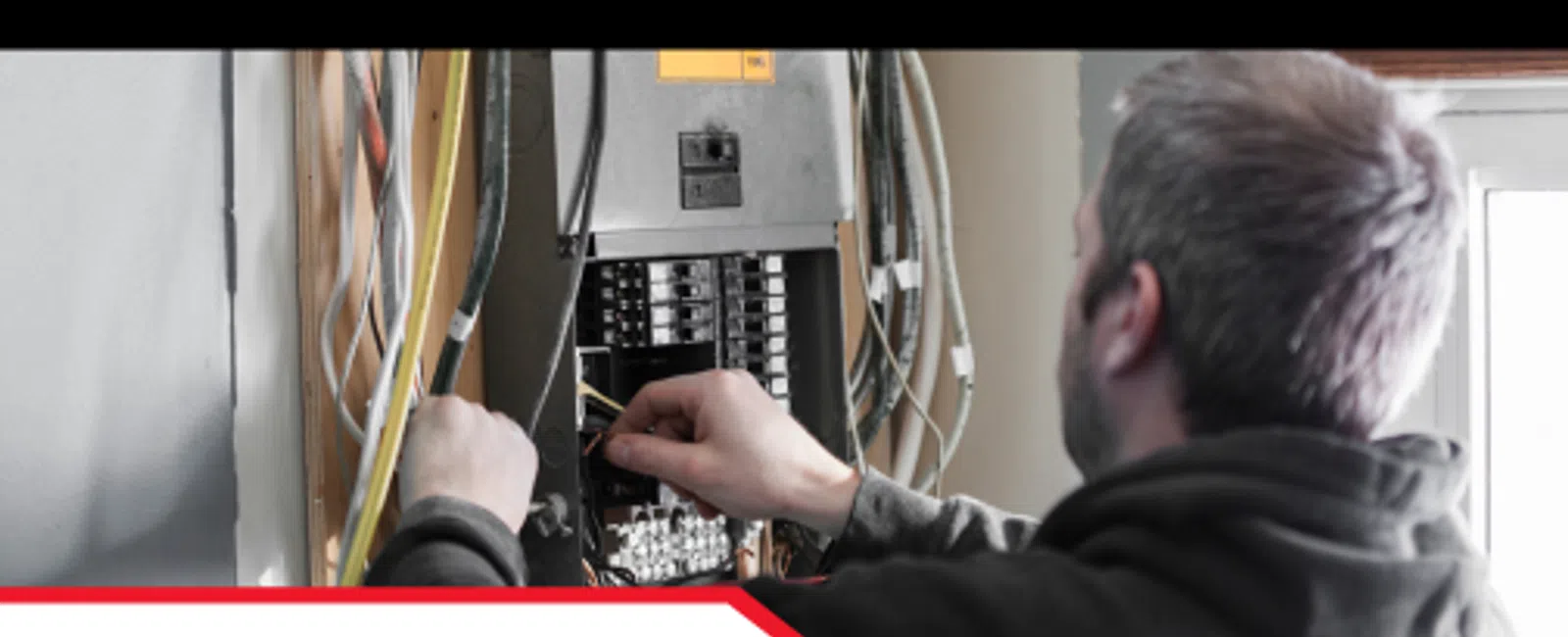
The electrical panel is one of the most important safety and distribution components in a home. It receives power from the utility service and directs electricity through individual circuits to lighting, appliances, receptacles, HVAC equipment, and other systems throughout the property. During a professional electrical panel inspection, the inspector evaluates visible and accessible components for defects, damage, improper modifications, signs of overheating, and conditions that may indicate the panel is no longer suitable for the home's current electrical demands.
For homeowners and buyers, the word "upgrade" can mean several different things. It may refer to replacing an older panel, increasing the electrical service capacity, adding circuit spaces, correcting unsafe wiring, installing modern protective devices, or updating equipment during a renovation. Not every older panel automatically requires replacement, but certain outdated electrical panels may have known performance concerns, limited capacity, damaged components, or configurations that no longer support modern household needs.
Homes throughout Florida and the Southeast vary widely in age, construction, renovation history, and electrical demand. An older home may have been designed for a much smaller electrical load than a modern household with central air conditioning, electric water heating, kitchen appliances, home offices, pool equipment, electric vehicle charging, and smart-home technology. Even newer properties can contain installation defects, loose connections, mislabeled circuits, or improper modifications. That is why detailed Electrical inspections and Electrical panel inspections are valuable during real estate transactions and routine home maintenance.
LunsPro Inspection Group provides comprehensive Home Inspections in the Southeast, including Home Inspections in Florida and Home Inspections in Jacksonville. Through professional Home inspection services, Safety inspections, and visible evaluations of electrical components, inspectors help buyers and homeowners better understand the condition of the electrical system and determine when further review by a licensed electrician may be appropriate.
What Is an Electrical Panel?
The electrical panel, sometimes called a breaker panel, service panel, load center, or distribution panel, contains overcurrent protection devices that control individual electrical circuits.
Most modern panels use circuit breakers. Older systems may use fuses, although fuse panels are less common in recently constructed homes.
A typical electrical panel may contain:
- A main disconnect
- Main service conductors
- Bus bars
- Circuit breakers
- Neutral conductors
- Grounding conductors
- Circuit labels
- Bonding components
- Panel enclosure
- Dead front cover
Each breaker is designed to protect a circuit from excessive electrical current. When a circuit becomes overloaded or experiences certain faults, the breaker should trip and interrupt power.
The panel itself is only one part of the electrical system. Service size, grounding, bonding, wiring methods, receptacles, switches, fixtures, and specialized safety devices all contribute to overall performance.
What Happens During an Electrical Panel Inspection?
During an electrical panel inspection, the home inspector typically evaluates accessible components without dismantling the electrical system beyond the normal scope of a home inspection.
The inspector may observe:
- Panel manufacturer and apparent age
- Main breaker rating
- Available circuit spaces
- Breaker compatibility
- Conductor condition
- Signs of overheating
- Corrosion
- Moisture entry
- Improperly secured wiring
- Missing knockouts
- Double-tapped breakers
- Damaged components
- Labeling
- Grounding and bonding observations
- Accessibility and working clearance
The inspector may remove the panel's dead front cover when it is safe and accessible to do so. This can reveal wiring conditions that are not visible from the exterior.
However, a home inspection is not the same as a comprehensive electrical engineering analysis or invasive evaluation. Inspectors do not typically disconnect energized conductors, perform load calculations, or verify every circuit throughout the home. Conditions requiring specialized testing or repair should be referred to a licensed electrician.
Why Electrical Panel Upgrades Become Necessary
Electrical panels may require upgrading for several reasons.
Common reasons include:
- Insufficient service capacity
- Lack of available breaker spaces
- Damaged or deteriorated components
- Repeated breaker tripping
- Known panel reliability concerns
- Renovations or additions
- New major appliances
- Electric vehicle charging
- Pool or spa installation
- Solar power systems
- Insurance requirements
- Corrosion or moisture damage
- Unsafe previous modifications
An upgrade may involve replacing only the panel, but it can also require changes to the service entrance, meter equipment, grounding system, wiring, or utility connection.
The extent of the work depends on the home's existing system and planned electrical demand.
Outdated Electrical Panels
The phrase outdated electrical panels does not refer only to age. A panel may be old yet still appear serviceable, while a newer panel may contain installation defects or damaged components.
An older panel may become a concern when:
- Replacement breakers are difficult to obtain
- Internal components are damaged
- Breakers do not fit correctly
- The panel lacks sufficient capacity
- The enclosure is corroded
- Wiring has been repeatedly modified
- The system does not support current usage
- The manufacturer or model has known performance concerns
Some older panel brands and configurations have received increased scrutiny because of concerns involving breaker performance, overheating, or failure to interrupt current as intended. Home inspectors may identify the manufacturer and recommend evaluation by a licensed electrician when the equipment has a documented history of concern or shows visible defects.
Homebuyers should avoid assuming that panel age alone determines safety. A professional evaluation should consider the equipment, condition, installation, modifications, and electrical demand together.
Service Capacity and Modern Electrical Demand
Electrical service capacity is typically expressed in amperes. Homes may have 60-amp, 100-amp, 150-amp, 200-amp, or larger service depending on age, size, and equipment.
Older homes may have been built with electrical systems designed for fewer appliances and lower overall demand. Modern households frequently rely on:
- Central air conditioning
- Electric ranges
- Electric water heaters
- Clothes dryers
- Dishwashers
- Multiple refrigerators
- Home office equipment
- Pool pumps
- Hot tubs
- Electric vehicle chargers
- Workshops
- Entertainment systems
A panel may appear full even if the service capacity is technically adequate. In other cases, the home's calculated electrical demand may exceed what the existing service can safely support.
A licensed electrician can perform a load calculation to determine whether an upgrade is necessary. This evaluation considers the size of the home, major equipment, fixed appliances, and expected simultaneous use.
Common Electrical Panel Defects
Professional Electrical inspections often identify visible defects that do not necessarily require full panel replacement but should still be corrected.
Double-Tapped Breakers
A double-tapped breaker occurs when two conductors are connected beneath a breaker terminal designed for only one. Some breakers are specifically listed for two conductors, but many are not.
Improper double taps can lead to loose connections, overheating, and unreliable circuit protection.
Mismatched Breakers
Circuit breakers should be compatible with the panel in which they are installed. A breaker that physically fits is not necessarily approved for use in that panel.
Mismatched equipment can result in poor connections or improper seating on the bus bar.
Missing Knockout Covers
Unused openings in the panel enclosure should be properly sealed. Missing covers may expose energized components or allow debris, pests, and moisture to enter.
Loose or Improper Conductors
Loose wiring can generate heat and damage terminals. Conductors that are improperly sized, secured, or terminated may require correction by a licensed electrician.
Corrosion
Corrosion may indicate moisture intrusion, condensation, or previous water exposure. Rust inside a panel is particularly concerning because moisture and energized electrical components are a dangerous combination.
Signs of Overheating
Discoloration, melted insulation, scorched wiring, or burned components may indicate loose connections, overloading, or equipment failure. These findings require prompt professional evaluation.
Main Panels and Subpanels
Some homes contain more than one electrical panel. The primary service panel may supply one or more subpanels located in garages, additions, workshops, accessory buildings, or other parts of the property.
Main panels and subpanels have different grounding and bonding requirements. In many typical installations, the grounded neutral conductor and equipment grounding conductors are bonded at the service equipment but separated in downstream subpanels.
Improper neutral and ground bonding in a subpanel can create unintended current paths on metal components. This condition may increase shock risk and should be corrected by a qualified electrician.
During an electrical panel inspection, inspectors may evaluate visible bonding, conductor separation, panel labeling, and feeder arrangements where accessible.
Grounding and Bonding
Grounding and bonding are essential parts of the electrical safety system.
Grounding connects parts of the electrical system to the earth. Bonding connects conductive components together so they remain at the same electrical potential and provide an effective fault-current path.
Visible components may include:
- Grounding electrode conductors
- Ground rods
- Connections to metal water piping
- Bonding jumpers
- Panel bonding screws or straps
- Equipment grounding conductors
Improper grounding or bonding may increase the risk of electrical shock, equipment damage, or ineffective overcurrent protection.
Home inspectors evaluate visible conditions, but concealed grounding systems and resistance measurements generally fall outside the standard home inspection scope.
GFCI and AFCI Protection
Modern electrical systems use specialized protective devices to reduce shock and fire risks.
Ground-fault circuit interrupter, or GFCI, protection is commonly associated with areas where electricity and moisture may be present, including:
- Bathrooms
- Kitchens
- Garages
- Exterior receptacles
- Laundry areas
- Crawl spaces
- Basements
- Pool and spa equipment
Arc-fault circuit interrupter, or AFCI, protection is designed to detect certain electrical arcing conditions that may contribute to fires.
Depending on the home's age and renovation history, older electrical panels may not contain modern AFCI or GFCI breakers. This does not automatically mean the panel must be replaced, but homeowners may choose to discuss upgrades with a licensed electrician as part of improving overall electrical safety.
Electrical Panels in Florida Homes
Florida homes present several regional electrical concerns.
High humidity, heavy rainfall, tropical storms, coastal salt exposure, and year-round cooling demand can affect panels and related equipment. Electrical panels located in garages, exterior enclosures, utility areas, or poorly sealed spaces may be more vulnerable to corrosion and moisture.
During Home Inspections in Florida, inspectors may encounter:
- Corroded panel enclosures
- Moisture staining
- Improper exterior panel seals
- Damaged weatherproof covers
- Aging air-conditioning circuits
- Pool equipment wiring
- Generator connections
- Surge protection equipment
- Storm-related repairs
- Multiple renovation-era modifications
Florida homeowners should pay close attention to any sign of moisture inside or around electrical equipment. Even minor water entry can damage breakers, bus bars, conductors, and connections over time.
Electrical Inspections in Jacksonville
Home Inspections in Jacksonville may involve properties exposed to coastal humidity, wind-driven rain, salt air, and storm conditions. Homes closer to the coast or waterways may experience accelerated corrosion on exterior electrical equipment.
Jacksonville also includes a wide range of property ages, from older homes with heavily modified electrical systems to newer construction with high-capacity panels and extensive modern equipment.
During local Electrical panel inspections, inspectors may evaluate visible conditions associated with:
- Corrosion
- Moisture entry
- Exterior service equipment
- Pool and spa circuits
- HVAC wiring
- Generator interlocks
- Added circuits
- Panel capacity
- Breaker compatibility
Older homes undergoing renovation may require substantial electrical updates, particularly when kitchens, HVAC systems, additions, or detached structures are being upgraded.
Renovations and Added Circuits
Home renovations often increase electrical demand. Kitchens, additions, garages, bonus rooms, and outdoor living spaces may require new circuits or additional panel capacity.
Common renovation-related concerns include:
- Overfilled panels
- Improperly installed tandem breakers
- Unlabeled circuits
- Junctions outside approved boxes
- Extension cords used as permanent wiring
- Added subpanels
- Unsupported conductors
- Abandoned wiring
- Improper breaker sizes
A visually renovated home may still contain an older electrical system behind the finished walls. New countertops, cabinets, flooring, and appliances do not confirm that the electrical infrastructure was properly upgraded.
Permits and contractor documentation can provide useful information about completed work, but a home inspection remains valuable for identifying visible conditions.
Electrical Panels and Insurance
Insurance companies may ask questions about panel age, manufacturer, service size, or wiring type before issuing or renewing coverage.
Some insurers may require evaluation, documentation, or replacement of certain older equipment. Requirements vary among companies and may change over time.
Buyers should confirm insurance eligibility during the due diligence period rather than waiting until immediately before closing. An electrical panel concern does not always make a home uninsurable, but it may affect premiums, required repairs, or underwriting approval.
A home inspection report can document visible panel information, but the final decision belongs to the insurance provider.
Electrical Panels and Home Sales
Electrical findings can influence real estate negotiations. Buyers may request repairs, specialist evaluations, credits, or replacement estimates depending on the severity of the condition.
Common transaction-related findings include:
- Aging panels
- Damaged breakers
- Missing panel covers
- Corrosion
- Overheating
- Improper wiring
- Limited capacity
- Unsafe additions
- Lack of labeling
- Obstructed access
Sellers may benefit from arranging a pre-listing inspection so they can identify visible electrical concerns before the property reaches the market. Addressing significant defects early may reduce delays and provide better documentation for prospective buyers.
Warning Signs Homeowners Should Not Ignore
Homeowners should contact a licensed electrician if they notice:
- Burning odors
- Buzzing or crackling sounds
- Warm panel surfaces
- Flickering lights
- Frequent breaker trips
- Scorched receptacles
- Rust or water near the panel
- Melted wiring
- Sparks
- Repeated power interruptions
These conditions may indicate loose connections, overloading, moisture, damaged components, or other safety concerns.
Homeowners should not remove panel covers or attempt electrical repairs unless properly qualified. Electrical panels contain energized components that may remain live even when the main breaker is turned off.
When a Full Panel Upgrade May Be Appropriate
A licensed electrician may recommend replacement when the panel is damaged, unreliable, undersized, obsolete, or unable to support necessary improvements.
A full upgrade may include:
- New service equipment
- Larger service capacity
- New meter base
- Updated grounding
- New main disconnect
- Replacement breakers
- Additional circuit spaces
- Surge protection
- Utility coordination
- Permits and inspections
The cost and complexity depend on the property, existing wiring, service location, utility requirements, and local regulations.
Buyers should obtain written estimates before closing when the inspection identifies conditions that may require major work.
The Role of Home Maintenance Inspections
Electrical concerns do not occur only during real estate transactions. Periodic Home inspection services and maintenance evaluations can help homeowners identify gradual changes in panels, wiring, receptacles, and related systems.
A Safety inspection may be especially useful after:
- Major renovations
- Storm damage
- Water intrusion
- Appliance additions
- Generator installation
- Pool installation
- Repeated electrical problems
- Purchasing an older property
Homeowners should also keep the area around electrical panels clear. Storage, shelving, appliances, and personal belongings should not block access or reduce working space.
Why Professional Evaluation Matters
Electrical panels are not appropriate do-it-yourself inspection areas. Removing a panel cover can expose energized conductors, bus bars, and terminals capable of causing severe shock, burns, or arc-flash injuries.
Professional home inspectors are trained to recognize visible defects while following safety procedures and inspection limitations. When unsafe conditions are present, the panel may not be opened.
LunsPro Inspection Group includes visible electrical system evaluation as part of detailed Home Inspections in the Southeast. Through professional Electrical inspections, Electrical panel inspections, and broader Safety inspections, inspectors provide clear documentation and recommendations for further evaluation when necessary.
The home inspector identifies visible conditions but does not replace a licensed electrician. An electrician can perform load calculations, testing, repairs, replacements, and detailed code-related evaluations beyond the home inspection scope.
Making Informed Electrical Upgrade Decisions
An electrical panel inspection gives buyers and homeowners valuable information about one of the home's most important safety systems. The panel must distribute power reliably, protect circuits from excessive current, and support the electrical demands of the property. Damage, corrosion, improper wiring, incompatible breakers, limited capacity, and signs of overheating can all indicate the need for repair or additional professional evaluation.
Not all outdated electrical panels require immediate replacement solely because of age. The decision should be based on the panel's manufacturer, condition, capacity, installation, modification history, and ability to support the home's present and future electrical needs. A qualified electrician can determine whether targeted repairs, new circuits, a subpanel, or a full service upgrade is the most appropriate solution.
LunsPro Inspection Group provides comprehensive Home Inspections in Florida, including Home Inspections in Jacksonville, as part of its professional Home Inspections in the Southeast. Detailed Electrical inspections, Electrical panel inspections, Safety inspections, and other Home inspection services help clients understand visible electrical concerns before purchasing, selling, renovating, or maintaining a home.
Electrical upgrades can improve safety, capacity, reliability, and convenience, but they should always be planned and completed by qualified professionals. By identifying concerns early, reviewing insurance and renovation requirements, and obtaining appropriate electrician evaluations, Southeastern homeowners can make informed decisions that support both immediate safety and long-term property performance.