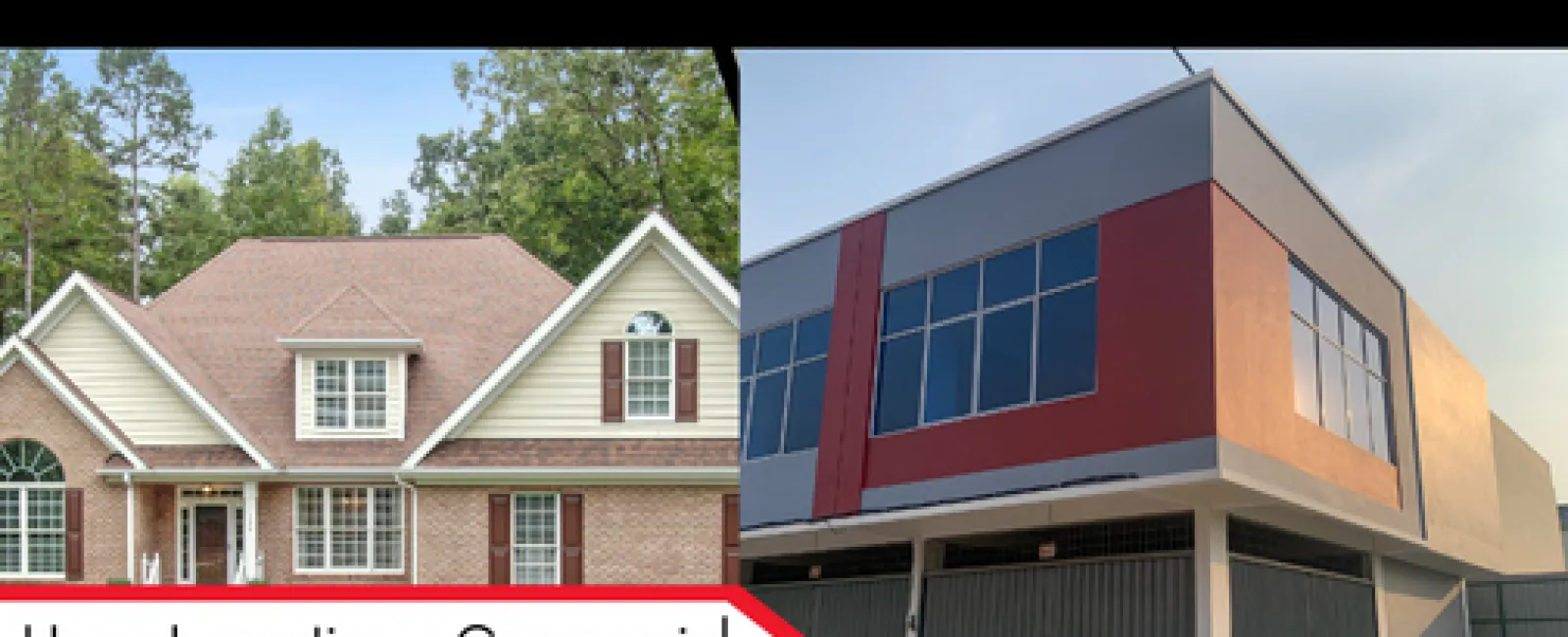
Understanding the condition of a property before purchase, lease, or long-term ownership is a fundamental responsibility for property owners. Whether evaluating a single-family home or a multi-tenant commercial building, inspections play a critical role in identifying risks, liabilities, and future maintenance obligations. However, many property owners—particularly those navigating investment opportunities across the Southeast—do not fully understand the differences between a residential inspection and a commercial inspection. Clarifying the distinction between a home inspection vs commercial inspection can prevent costly misunderstandings and ensure that the right type of inspection is performed for the property in question.
For property owners in markets such as Atlanta, Savannah, Greenville, Raleigh, Charlotte, Greensboro, Charleston, and Chattanooga, real estate conditions vary widely. Climate factors, building age, local construction practices, and intended property use all influence inspection scope and complexity. LunsPro Inspection Group provides Home Inspections in the Southeast and works with both homeowners and investors to ensure inspections are aligned with property type, regulatory expectations, and client goals. Understanding how residential and commercial inspection services differ is essential to making informed decisions.
The Fundamental Purpose of Property Inspections
At a high level, both residential and commercial inspections are designed to evaluate the condition of a property's systems and components. The objective is to identify defects, safety concerns, deferred maintenance, and functional issues that may affect usability, value, or long-term performance. Despite this shared purpose, the execution, standards, and reporting for each inspection type differ significantly.
A home inspection focuses on a residential dwelling and is typically governed by standardized state or national guidelines. A commercial inspection, by contrast, is broader, more customizable, and often tailored to the specific use of the building. Understanding this foundational difference is the first step in comparing home inspection vs commercial inspection services.
Scope of a Home Inspection
A home inspection is designed to evaluate residential properties such as single-family homes, townhomes, condominiums, and small residential structures. During a home inspection, inspectors assess major systems including the roof, foundation, structure, plumbing, electrical, heating and cooling, insulation, and interior and exterior components.
In Southeastern cities like Raleigh, Charlotte, and Atlanta, home inspections frequently focus on moisture management, HVAC performance, and roofing durability due to regional climate conditions. LunsPro Inspection Group conducts residential inspections with a focus on identifying safety hazards, functional deficiencies, and maintenance issues that could affect a homeowner's quality of life.
Home inspections are typically non-invasive and visual in nature. The inspector does not move furniture, open walls, or conduct destructive testing. Instead, the inspection provides a snapshot of the home's condition at the time of inspection, allowing buyers or homeowners to make informed decisions.
Scope of a Commercial Inspection
A commercial inspection evaluates properties used for business, investment, or income-producing purposes. These properties may include office buildings, retail centers, warehouses, apartment complexes, medical facilities, and mixed-use developments. The scope of a commercial inspection is generally broader and more complex than that of a residential inspection.
Unlike a standardized home inspection, commercial inspections are often tailored to the size, age, and function of the building. In cities like Savannah, Charleston, and Greensboro, commercial properties may include historic structures with unique construction methods that require specialized evaluation. A commercial inspection may assess structural systems, roofing assemblies, electrical distribution, plumbing infrastructure, HVAC systems, fire protection, elevators, parking areas, and site conditions.
This flexibility is one of the most significant distinctions in the home inspection vs commercial inspection comparison. Commercial inspections are often guided by industry standards such as ASTM E2018, but the final scope is typically defined by the client's needs and the property's characteristics.
Standards and Regulations
Home inspections are usually governed by state regulations or professional standards that define what must be inspected and reported. These standards ensure consistency and protect consumers by establishing minimum inspection requirements. In Home Inspections in the Southeast, inspectors must follow specific guidelines that apply to residential properties.
Commercial inspections, however, are less rigidly standardized. While inspectors may follow recognized frameworks, commercial inspections allow for greater customization. Property owners in Atlanta or Charlotte may request additional evaluations, such as roof condition assessments or mechanical system reviews, based on investment goals or lender requirements.
This regulatory flexibility means commercial inspections often involve coordination with specialists, engineers, or contractors. The inspection process may extend beyond a single site visit and include document reviews, maintenance records, and interviews with property managers.
Level of Detail and Complexity
Another critical difference between residential and commercial inspection services is the level of technical complexity involved. Residential systems are generally smaller in scale and simpler in design. Commercial systems, by contrast, are often larger, more interconnected, and subject to different operational demands.
For example, a residential HVAC system in a Greenville home may serve a single living space, while a commercial HVAC system in a Chattanooga office building may involve multiple rooftop units, zoning controls, and complex ductwork. Commercial electrical systems may include three-phase power, backup generators, and extensive distribution panels not typically found in homes.
Because of this complexity, commercial inspections often require additional time, documentation, and expertise. The inspection report may include detailed narratives, cost considerations, and prioritized recommendations tailored to ownership or leasing strategies.
Reporting Differences
The inspection report is the primary deliverable for both residential and commercial inspections, but the format and depth vary significantly. A home inspection report is typically standardized, featuring summaries, photographs, and clear descriptions of observed defects. These reports are designed to be easily understood by homeowners and residential buyers.
Commercial inspection reports are more detailed and technical. They may include system descriptions, observed deficiencies, and recommendations categorized by urgency or risk. For investors in Savannah or Raleigh, these reports often support due diligence, budgeting, and negotiations with sellers or tenants.
LunsPro Inspection Group emphasizes clarity in both residential and commercial reporting, ensuring that clients understand findings and implications regardless of property type.
Timeframe and Cost Considerations
The time and cost associated with inspections differ substantially between residential and commercial properties. A typical home inspection may take several hours to complete and is generally priced at a flat rate based on property size and features.
Commercial inspections, however, may take multiple days depending on building size and complexity. Costs are usually higher and may be based on square footage, system count, or customized scope. Property owners in Atlanta or Charlotte should anticipate these differences when planning due diligence timelines.
Understanding these practical distinctions is an important part of evaluating home inspection vs commercial inspection services.
Intended Audience and Use of Results
Home inspections are most commonly used by buyers, sellers, and homeowners for personal decision-making. The findings help buyers negotiate repairs, plan maintenance, or decide whether to proceed with a purchase. Sellers may use inspections to address issues before listing a property.
Commercial inspections are typically used by investors, developers, lenders, and property managers. In Charleston or Greensboro, commercial inspection reports may influence financing terms, lease negotiations, or long-term capital planning. The inspection serves as a risk management tool rather than a simple condition checklist.
This difference in audience shapes how inspections are conducted and how findings are interpreted.
Choosing the Right Inspection for Your Property
Selecting the appropriate inspection type depends on property use, ownership goals, and risk tolerance. Residential properties should always receive a comprehensive home inspection performed by qualified professionals familiar with regional conditions.
Commercial properties require a more strategic approach. Owners and investors should work with inspection providers who understand commercial systems, regional construction trends, and investment-driven decision-making. LunsPro Inspection Group supports clients across the Southeast by offering inspection services aligned with both residential and commercial needs.
Understanding residential and commercial inspection differences ensures that property owners receive relevant, actionable information rather than incomplete or misaligned assessments.
Why the Difference Matters
Understanding the distinction between a home inspection vs commercial inspection is essential for property owners navigating today's real estate landscape. While both inspection types aim to identify defects and risks, their scope, standards, complexity, and intended use differ substantially. Applying a residential inspection approach to a commercial property—or vice versa—can result in overlooked issues and costly surprises.
For property owners throughout Atlanta, Savannah, Greenville, Raleigh, Charlotte, Greensboro, Charleston, and Chattanooga, regional factors further emphasize the importance of choosing the correct inspection service. Climate conditions, building age, and local construction practices all influence inspection findings and long-term property performance. LunsPro Inspection Group provides Home Inspections in the Southeast with a deep understanding of these regional dynamics.
Ultimately, the right inspection delivers clarity, reduces risk, and supports confident decision-making. Whether evaluating a family home or a commercial investment, working with experienced professionals who understand the differences between residential and commercial inspection services ensures that property owners are equipped with accurate, relevant, and actionable information. This knowledge is not just beneficial—it is essential to protecting property value and long-term financial outcomes.