
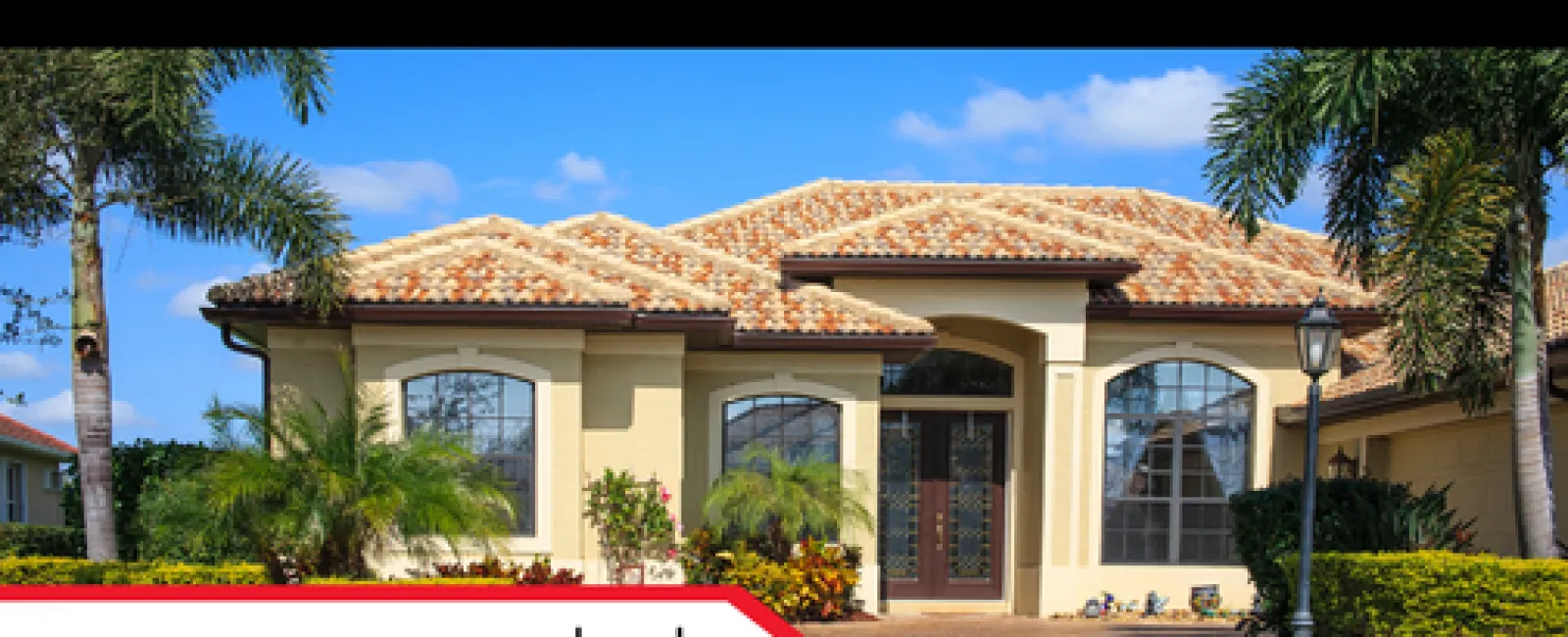
Buying a home in Florida presents unique opportunities—and unique challenges. From coastal properties with ocean views to inland homes in rapidly growing communities, Florida's real estate market is diverse and dynamic. However, the same environmental factors that make Florida an attractive place to live also introduce specific considerations during the inspection process. This is why home inspections in Florida require a more specialized approach compared to other regions.
Florida's climate, construction methods, and building codes all influence how properties are evaluated. High humidity, frequent storms, and exposure to salt air can impact building materials and systems over time. A qualified Florida home inspector understands these regional conditions and evaluates homes accordingly. At LunsPro Inspection Group, our experience delivering Residential and Commercial Inspections in the Southeast ensures that inspections in Florida are conducted with attention to the environmental and structural factors that matter most.
Why Florida Home Inspections Are Unique
While all home inspections follow a general framework, Florida properties present conditions that require additional focus. These differences are largely driven by climate, geography, and local building standards.
Key factors that make home inspections in Florida different include:
- High humidity levels and moisture exposure
- Frequent tropical storms and hurricanes
- Coastal conditions affecting building materials
- Specific building codes related to wind mitigation
- Increased risk of pests such as termites and rodents
Because of these factors, inspections in Florida often include additional considerations that may not be as critical in other regions.
Climate and Environmental Impact
Florida's subtropical climate has a direct impact on how homes are constructed and maintained. Inspectors must evaluate how environmental exposure affects both the structure and its systems.
Humidity and Moisture
High humidity is one of the most significant factors affecting homes in Florida. Moisture can accumulate in crawlspaces, attics, and wall cavities, leading to:
- Mold growth
- Wood rot
- Insulation deterioration
- Reduced indoor air quality
A professional Florida home inspector carefully evaluates ventilation systems, moisture-prone areas, and signs of water intrusion during home inspections in Florida.
Storm Exposure and Wind Resistance
Florida is known for its hurricane season, which places additional stress on residential structures. Inspectors assess whether homes are equipped to withstand high winds and heavy rain.
Key inspection points include:
- Roof attachment and condition
- Impact-resistant windows or shutters
- Structural connections between roof and walls
- Exterior materials and anchoring systems
Wind mitigation features are often a major focus during inspections in Florida.
Coastal Conditions
Homes located near the coast are exposed to salt air, which can accelerate corrosion of metal components. Inspectors evaluate:
- Exterior fixtures and hardware
- HVAC units exposed to salt air
- Structural connectors
- Window and door frames
These factors are particularly important for properties located along Florida's coastline.
Roofing Systems in Florida Homes
Roofing systems in Florida must withstand intense sun exposure, heavy rainfall, and strong winds. As a result, roofing materials and installation methods may differ from those in other regions.
During home inspections in Florida, inspectors assess:
- Roof covering condition and wear
- Flashing and sealant integrity
- Drainage systems and gutters
- Signs of storm damage
Roof age and condition are especially important because insurance companies often consider these factors when issuing policies.
HVAC Systems and Cooling Demands
Air conditioning is essential in Florida due to consistently warm temperatures. HVAC systems often operate for most of the year, which can lead to increased wear and tear.
Inspectors evaluate:
- System age and performance
- Airflow and ventilation
- Refrigerant line condition
- Drainage systems for condensation
A qualified Florida home inspector understands how continuous system usage affects performance and identifies potential issues during the inspection.
Plumbing Systems and Water Management
Water management is a critical concern in Florida homes due to heavy rainfall and high water tables in some areas.
Inspectors assess:
- Plumbing supply lines and fixtures
- Drainage systems
- Water heater condition
- Signs of leaks or corrosion
Proper drainage around the home is essential for preventing water intrusion and protecting the foundation.
Electrical Systems and Safety
Electrical systems in Florida homes must meet safety standards while supporting modern energy demands. Inspectors evaluate:
- Electrical panels and circuit breakers
- Wiring condition
- Grounding systems
- Outlet functionality
Because of frequent storms, inspectors also consider the condition of surge protection systems and grounding.
Pest and Termite Considerations
Florida's warm climate creates an environment where pests can thrive year-round. Termites, rodents, and other pests can cause significant damage if not addressed.
During home inspections in Florida, inspectors look for:
- Evidence of termite activity
- Damage to wood structures
- Conditions that attract pests, such as moisture or food sources
Pest inspections are often conducted alongside standard home inspections to provide a complete evaluation.
Wind Mitigation and Insurance Inspections
One of the unique aspects of home inspections in Florida is the importance of wind mitigation inspections. These evaluations focus on how well a home can withstand hurricane-force winds.
Wind mitigation inspections may assess:
- Roof-to-wall connections
- Roof shape and materials
- Window and door protection
- Secondary water resistance features
These inspections can impact insurance premiums, making them an important consideration for homeowners.
Differences from Other Southeastern Inspections
While Florida shares some similarities with other Southeastern states, there are key differences in how inspections are conducted.
For example:
- Homes in Florida often require more focus on moisture and storm resistance
- Coastal properties introduce additional corrosion concerns
- Wind mitigation features are more critical than in inland states
Through Residential and Commercial Inspections in the Southeast, inspectors apply regional knowledge to address these differences effectively.
The Role of a Florida Home Inspector
A qualified Florida home inspector brings specialized knowledge of local building practices, environmental conditions, and inspection requirements. This expertise is essential for identifying issues that may not be apparent to someone unfamiliar with the region.
Inspectors provide:
- Detailed evaluations of structural components
- Insight into system performance
- Recommendations for maintenance and repairs
- Documentation to support real estate transactions
Working with an experienced inspector ensures that buyers and homeowners receive accurate and reliable information.
What Buyers Should Expect During the Inspection Process
Understanding the inspection process helps buyers feel more prepared and confident.
Scheduling the Inspection
Inspections are typically scheduled after a purchase agreement is in place. Timing is important to allow for review and negotiation if needed.
On-Site Evaluation
The inspection itself may take several hours, depending on the size and condition of the home. Buyers are often encouraged to attend to gain firsthand insight.
Inspection Report
After the inspection, buyers receive a detailed report outlining findings. This report includes:
- Observations of property condition
- Photographs of key areas
- Recommendations for further evaluation
The report serves as a valuable tool for decision-making.
Long-Term Benefits of Florida Home Inspections
The benefits of an inspection extend beyond the initial purchase. Homeowners can use inspection findings to plan maintenance and protect their investment.
Key benefits include:
- Early detection of potential issues
- Improved maintenance planning
- Increased confidence in property condition
- Protection of long-term property value
Regular inspections can help homeowners stay ahead of potential problems.
Homes in Florida offer a unique blend of lifestyle benefits and environmental challenges. From coastal exposure to high humidity and storm activity, properties in this region require careful evaluation to ensure they remain safe and functional. This is why home inspections in Florida play such an important role in the real estate process.
A professional inspection provides valuable insight into the condition of a home, helping buyers and homeowners understand potential risks and maintenance needs. Working with a qualified Florida home inspector ensures that inspections are tailored to the region's specific conditions and building practices.
At LunsPro Inspection Group, our commitment to delivering thorough Residential and Commercial Inspections in the Southeast allows us to provide detailed, reliable evaluations for Florida properties. By identifying issues early and offering clear, actionable insights, inspections help homeowners protect their investment and make confident decisions for years to come.