The holiday season is a time when Southeastern homeowners come together with family and friends, filling their homes with warmth, celebration, and the comforts of winter gatherings. But while decorations go up and kitchens stay busy, there's a silent threat that often remains unnoticed beneath all the excitement: household mold. As temperatures drop and indoor humidity rises, mold growth can accelerate—especially in homes that are sealed tightly to preserve heat. For many families, the increase in indoor activity during the holidays can unknowingly create ideal conditions for mold to flourish.
Unlike seasonal issues such as HVAC strain or rising utility costs, mold is a hidden hazard that doesn't announce its presence until it has already caused damage. Mold spores can spread quietly through the air, affecting indoor air quality and triggering respiratory symptoms long before visible colonies appear. For Southeastern homeowners, the combination of colder weather, increased indoor time, and fluctuating moisture levels makes winter one of the most critical seasons to schedule home inspections, including a thorough mold assessment.
Mold growth during the holidays is not just a structural concern—it can become a serious health risk. Seasonal illnesses, allergies, and asthma flare-ups often spike during winter months, and mold exposure can worsen symptoms dramatically. The best way to protect your home, your guests, and your indoor air quality during the busiest season of the year is by scheduling a professional mold inspection. Companies like LunsPro Inspection Group, trusted for Georgia, Carolina, and Tennessee Residential and Commercial Inspections, provide homeowners with the expertise needed to detect mold early, address the cause, and ensure holiday celebrations remain safe and healthy.
Why Mold Becomes a Bigger Problem During the Holidays
Many people associate mold with warm, humid summer weather, but winter can be just as problematic—especially in the Southeast's climate. Here's why the holiday season increases the chances of mold growth:
1. Homes Stay Shut for Longer Periods
When temperatures drop, homeowners keep windows and doors sealed to maintain heat. While this conserves energy, it also traps moisture inside. Activities like cooking, showering, and laundry can quickly add humidity to indoor air without proper ventilation.
2. More Guests Means More Moisture
Holiday gatherings bring additional people into the home—more cooking, more shower steam, and more indoor activity altogether. This sudden increase in humidity creates prime conditions for mold spores to multiply.
3. HVAC Systems Work Harder
Heating systems tend to dry out some areas of the home while leaving others more humid, particularly basements, crawl spaces, and insulated rooms near exterior walls. These temperature imbalances can lead to condensation buildup, a major contributor to mold growth.
4. Holiday Decorations Can Harbor Mold
Stored decorations often sit untouched in attics, basements, or garages—areas prone to moisture. Boxes packed with fabric décor, artificial greenery, and cardboard materials may develop mold colonies over time.
5. Leaks Are Harder to Notice
Small roof leaks or plumbing drips may go unnoticed during cooler months, especially if homeowners avoid checking crawl spaces or exterior areas regularly. Even minor moisture intrusion can trigger mold growth in hidden places.
This combination of factors makes winter—and especially the holiday season—one of the most important times to stay proactive with mold prevention.
The Hidden Health Risks of Mold During the Holidays
Mold exposure can impact anyone, but during the holidays, households often include vulnerable guests such as young children, elderly family members, and individuals with respiratory conditions. Mold spores can worsen or trigger:
- Seasonal allergies
- Asthma attacks
- Sinus infections
- Coughing, wheezing, and shortness of breath
- Skin irritation
- Headaches and fatigue
For people with mold sensitivity or compromised immune systems, exposure can even lead to severe respiratory inflammation. Since holiday celebrations usually involve extended indoor gatherings, poor indoor air quality becomes a real concern.
Holiday Overlap: Mold Symptoms vs. Winter Illness
Cold and flu symptoms often overlap with mold exposure reactions:
- Runny nose
- Sore throat
- Headaches
- Fatigue
- Coughing
This overlap can lead homeowners to misinterpret mold-related symptoms as seasonal illness, allowing the real problem to continue unchecked. A professional mold inspection ensures indoor air is safe—especially during peak holiday activity.
How a Mold Inspection Works (and Why It Matters)
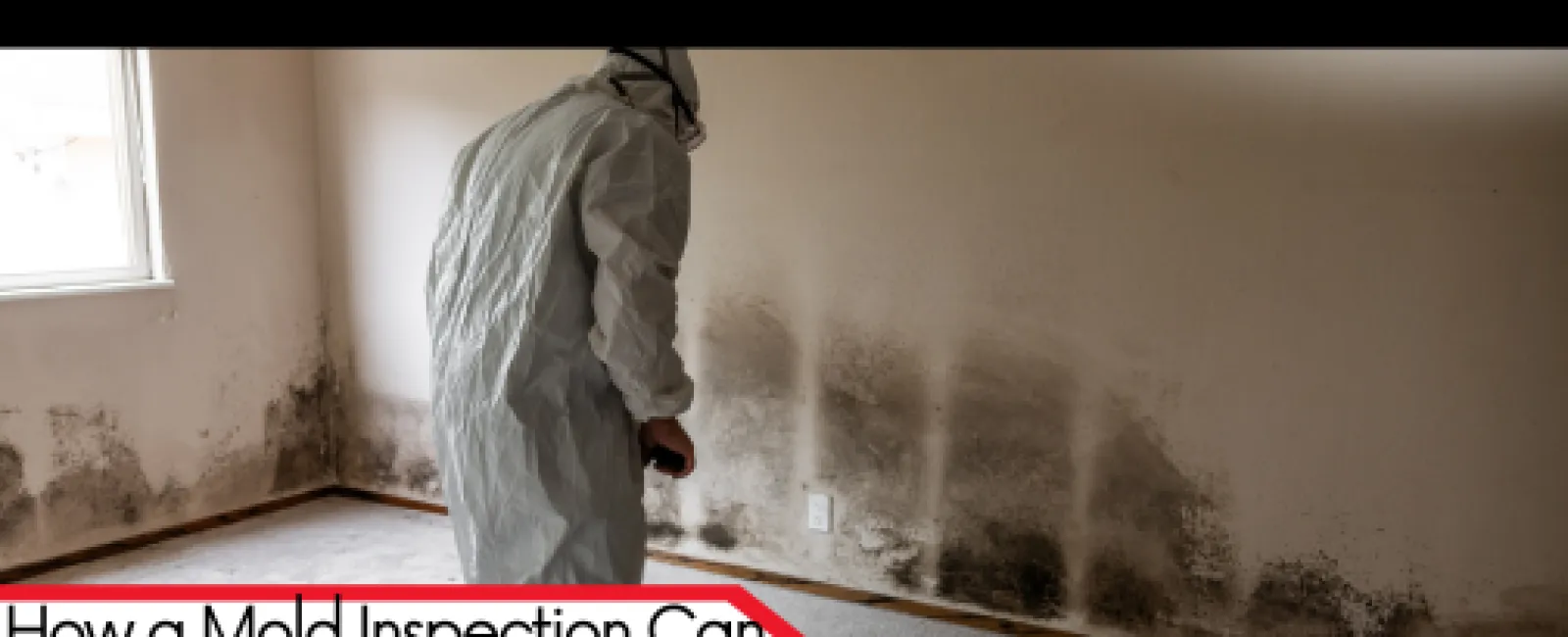
Professional mold inspections go far beyond simply identifying visible spots of growth. They're designed to identify hidden moisture sources, assess air quality, and detect growth inside walls or structural components. When Southeastern homeowners schedule inspections through LunsPro Inspection Group, they receive comprehensive service as part of trusted Georgia, Carolina, and Tennessee Residential and Commercial Inspections.
1. Moisture Mapping
Inspectors use tools like hygrometers and thermal imaging to locate hidden moisture behind walls, under flooring, or around roofs and windows. Mold can't grow without moisture—so detecting water intrusion is the critical first step.
2. Air Quality Testing
Air samples are analyzed to determine the type and concentration of mold spores present. Even if mold isn't visible, air tests can reveal contamination.
3. Surface Testing
Swab tests identify mold species growing on walls, insulation, ceilings, or flooring. Some molds are highly allergenic or toxic, so identifying the species helps determine the urgency of remediation.
4. HVAC Examination
Heating systems can circulate mold spores throughout the home. Inspectors check ducts, filters, and air handlers to ensure they are clean and functioning properly.
5. Detailed Reporting
At the conclusion of the inspection, LunsPro provides a clear, detailed report outlining:
- Mold presence
- Contaminated areas
- Moisture sources
- Recommended remediation steps
- Future prevention strategies
This comprehensive documentation is especially valuable for homeowners preparing their houses for guests—or for anyone noticing symptoms that may be linked to indoor air quality.
Why Mold Prevention Is Especially Important for Southeastern Homeowners
Southeastern homes face unique challenges due to regional climate patterns:
1. High Year-Round Humidity
Even in winter, the Southeast's humidity levels remain higher than those of northern states. Moisture trapped indoors during winter gatherings can push humidity to levels mold thrives on.
2. Crawl Spaces Are Common
Many Southeastern homes include crawl spaces—high-risk environments for mold due to limited ventilation and soil moisture. Winter often increases condensation in these areas.
3. Rapid Temperature Changes
The Southeast's frequently swings between cold nights and warm afternoons during the winter. This produces condensation in attics and basements—prime mold territory.
4. Older Homes Are More Susceptible
Georgia, Atlanta, and Tennessee include many aging homes with older ventilation systems, aging roofs, or older insulation materials that trap moisture easily.
These environmental factors make Southeastern home inspections essential for early mold detection.
How to Prevent Mold Growth During the Holidays
Preventing mold requires controlling both moisture and ventilation. Here are practical steps homeowners can take:
1. Use Kitchen and Bathroom Exhaust Fans
Holiday cooking and showers add large amounts of humidity to indoor air. Proper ventilation prevents moisture buildup.
2. Replace HVAC Filters Before Guests Arrive
A clean filter improves airflow and reduces the spread of mold spores through ducts.
3. Keep Indoor Humidity Below 50%
Use a hygrometer to monitor levels and run a dehumidifier if necessary.
4. Inspect Your Home for Leaks
Before holiday gatherings, check:
- Under sinks
- Around toilets
- Attic spaces
- Window frames
- Crawl spaces
Even small leaks can create mold hotspots.
5. Clean Stored Decorations
Wipe down holiday décor that was stored in attics or basements, as these spaces are prone to dampness.
6. Schedule a Mold Inspection Early
A pre-holiday mold inspection ensures your home is safe, comfortable, and ready for guests.
Why Winter Is the Ideal Time for a Mold Inspection
Many homeowners assume mold inspections are best in the spring or summer—but winter inspections offer several unique advantages:
1. Mold Is Easier to Detect
With homes sealed for warmth, indoor humidity increases and mold growth becomes more visible.
2. HVAC Systems Reveal Air Quality Issues
Since heating systems are running consistently, air quality testing is more accurate.
3. Prevention Before Spring Allergies
Detecting mold in winter prevents the severe allergy spikes that occur each spring.
4. Better Scheduling and Faster Service
Holiday season often provides easier scheduling opportunities for inspections and remediation work.
A winter mold inspection ensures your home is safe not just for the holidays, but for the entire upcoming year.
The LunsPro Advantage
LunsPro Inspection Group has earned the trust of Southeastern homeowners through precision, technology-driven inspections, and deep knowledge of regional climate patterns. Our certified inspectors perform Georgia, Carolina, and Tennessee Residential and Commercial Inspections using advanced tools such as infrared imaging, moisture meters, and air quality testing to detect mold growth at its earliest stages.
We understand how Southeastern homes respond to winter humidity, fluctuating temperatures, and seasonal indoor activity—making our mold inspections particularly effective for holiday preparation.
Whether you live in a modern construction in Georgia, a historic property in the Carolinas, or an older home in Tennessee, LunsPro provides tailored inspection strategies to ensure your home is protected from mold hazards year-round.
The holidays should be a time of joy, comfort, and celebration—not respiratory issues, strange odors, or hidden structural damage caused by mold. As Southeastern homeowners welcome guests, cook large meals, and keep homes sealed tight from the cold, mold risk rises significantly. What may seem like seasonal sniffles or winter allergies could be early signs of mold exposure affecting your indoor air quality.
Scheduling a professional mold inspection with LunsPro Inspection Group gives Southeastern homeowners peace of mind—and a healthier home environment—before, during, and after the holidays. With comprehensive Southeastern home inspections and region-specific expertise through Georgia, Carolina, and Tennessee Residential and Commercial Inspections, LunsPro helps homeowners identify hidden mold growth, uncover moisture problems, and protect their homes from long-term damage.
A mold inspection is not just a preventative measure—it's a critical part of keeping your home safe for family gatherings, seasonal celebrations, and everyday living. This holiday season, ensure your home is healthy, welcoming, and mold-free with a trusted inspection from LunsPro Inspection Group.