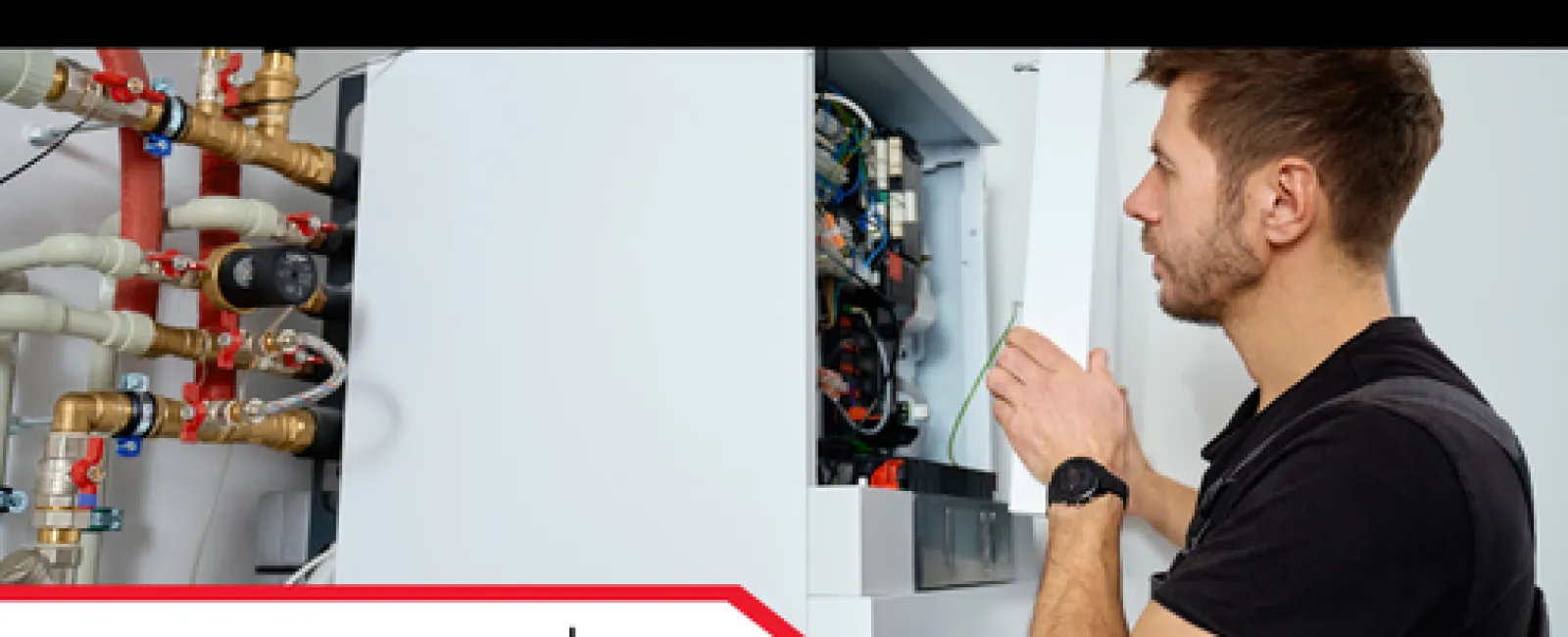
Modern homes rely on a network of essential systems working together to provide safety, comfort, and functionality. Electrical wiring powers everyday appliances, plumbing systems deliver clean water and remove waste, and HVAC systems regulate temperature and indoor air quality. When purchasing a home or evaluating a property, these systems must be carefully reviewed to ensure they are operating properly. This is where a professional home systems inspection becomes a critical part of the real estate process.
A detailed inspection of electrical, plumbing, and heating and cooling systems can reveal issues that are not visible during a standard property tour. From hidden wiring defects to aging water heaters or inefficient HVAC equipment, system failures can lead to costly repairs if they go undetected. Through comprehensive Residential and Commercial Inspections in the Southeast, experienced inspectors help homeowners and buyers understand the condition of these critical systems before closing on a property.
At LunsPro Inspection Group, inspections focus on identifying safety concerns, evaluating system performance, and providing homeowners with a clear understanding of how their home operates. Whether scheduling Home Inspections in Atlanta, Home Inspections in Charlotte, Home Inspections in Greenville, or Home Inspections in Charleston, professional inspectors follow detailed procedures to evaluate each system thoroughly. These same standards are applied during New Construction Inspections in Atlanta, New Construction Inspections in Greenville, New Construction Inspections in Charlotte, and New Construction Inspections in Charleston, ensuring both new and existing homes receive a comprehensive system evaluation.
Understanding the Purpose of a Home Systems Inspection
A home systems inspection focuses on evaluating the core mechanical and utility systems that keep a home functioning properly. While structural elements and exterior components are also important, the systems inside the home often represent some of the most complex and expensive components to repair or replace.
Inspectors conducting an electrical plumbing HVAC inspection evaluate:
-
Electrical distribution systems and safety components
-
Plumbing supply and drainage systems
-
Heating, ventilation, and air conditioning equipment
-
Water heaters and ventilation systems
-
Safety devices such as smoke detectors and circuit interrupters
The goal of the inspection is not to predict the exact lifespan of every component but to identify visible defects, safety concerns, and potential maintenance needs.
Evaluating Electrical Systems
Electrical systems provide the energy needed to power lighting, appliances, heating and cooling equipment, and electronic devices throughout the home. A properly functioning electrical system is essential for both convenience and safety.
During Home Inspections in Charlotte, Home Inspections in Charleston, Home Inspections in Atlanta, and Home Inspections in Greenville, inspectors evaluate several aspects of the electrical infrastructure.
Main Electrical Service Panel
The electrical service panel distributes electricity throughout the home. Inspectors evaluate the panel for:
-
Proper labeling of circuits
-
Signs of overheating or corrosion
-
Adequate capacity for household demand
-
Secure wiring connections
Panels that show signs of damage or outdated components may require further evaluation by a licensed electrician.
Circuit Breakers and Safety Devices
Circuit breakers protect electrical circuits from overloads and potential fire hazards. Inspectors verify that breakers function properly and are appropriate for the circuits they serve.
Safety devices such as Ground Fault Circuit Interrupters (GFCIs) and Arc Fault Circuit Interrupters (AFCIs) are also tested when accessible. These devices help prevent electrical shock and fire hazards.
Electrical Wiring and Outlets
Inspectors visually evaluate accessible wiring and outlets throughout the home. They check for:
-
Damaged or exposed wiring
-
Improperly installed outlets
-
Missing outlet covers
-
Signs of overheating
During New Construction Inspections in Atlanta and New Construction Inspections in Greenville, inspectors also review electrical installations to ensure wiring has been installed correctly before the home is occupied.
Plumbing System Evaluation
Plumbing systems deliver clean water to fixtures and safely remove wastewater from the home. Because water damage can lead to structural deterioration and mold growth, plumbing inspections are a key component of the electrical plumbing HVAC inspection process.
Water Supply Lines
Inspectors evaluate visible water supply lines for signs of leaks, corrosion, or improper installation. Materials commonly used in residential plumbing include copper, PEX, and PVC.
Inspectors may also check water pressure levels to ensure the plumbing system is functioning properly.
Drainage and Waste Systems
Drainage systems carry wastewater away from sinks, showers, and toilets. Inspectors examine visible drainpipes and look for signs of leakage or improper slope.
Slow drainage, unusual odors, or visible corrosion may indicate potential problems within the system.
Plumbing Fixtures
Fixtures such as sinks, toilets, bathtubs, and showers are tested during inspections. Inspectors verify that fixtures operate properly and do not show signs of leaks.
In homes undergoing New Construction Inspections in Charlotte or New Construction Inspections in Charleston, inspectors may also check that fixtures have been installed securely and operate correctly.
Water Heaters
Water heaters provide hot water for household use and must be evaluated for both safety and performance.
Inspectors typically review:
-
Age and capacity of the unit
-
Proper venting systems
-
Signs of corrosion or leakage
-
Temperature and pressure relief valve installation
Water heaters nearing the end of their service life may require replacement planning.
Evaluating HVAC Systems
Heating, ventilation, and air conditioning systems regulate indoor temperatures and maintain comfortable living conditions. In the Southeast, HVAC systems often operate for extended periods due to warm temperatures and high humidity levels.
During Residential and Commercial Inspections in the Southeast, inspectors carefully evaluate HVAC equipment to ensure it functions safely and efficiently.
Heating Systems
Heating systems may include furnaces, heat pumps, or other heating equipment depending on the region and type of home.
Inspectors examine:
-
Equipment age and condition
-
Visible signs of corrosion or damage
-
Proper venting systems
-
Thermostat functionality
Operational testing may be performed when weather conditions allow.
Air Conditioning Systems
Cooling systems are particularly important in Southeastern climates. Inspectors review outdoor condenser units and indoor air handlers to determine whether the system appears to be operating correctly.
Common evaluation points include:
-
Refrigerant line insulation
-
Condenser unit condition
-
Airflow from supply vents
-
Proper drainage of condensate lines
Systems showing signs of poor maintenance may require servicing by HVAC professionals.
Ductwork and Ventilation
Air ducts distribute conditioned air throughout the home. Inspectors check visible ductwork for:
-
Loose connections
-
Damaged insulation
-
Air leaks
Proper duct installation is especially important during New Construction Inspections in Greenville and other growing housing markets.
Why System Inspections Are Especially Important in the Southeast
Homes located in the Southeastern United States face environmental conditions that place additional stress on mechanical systems. High humidity, seasonal storms, and fluctuating temperatures can all affect system performance.
For example, HVAC systems in cities such as Atlanta and Charleston may operate for most of the year, increasing wear and tear on compressors and fans. Plumbing systems must also handle higher moisture levels and potential storm-related drainage issues.
Professional Residential and Commercial Inspections in the Southeast help identify these climate-related concerns before they escalate into major repairs.
The Role of System Inspections in New Construction
New homes often appear flawless, but even newly built properties can contain installation issues or overlooked details. This is why system evaluations remain important during the construction process.
Inspectors conducting New Construction Inspections in Atlanta, New Construction Inspections in Greenville, New Construction Inspections in Charlotte, and New Construction Inspections in Charleston review mechanical systems to ensure they have been installed correctly.
Common concerns in new construction inspections may include:
-
Improperly connected ductwork
-
Electrical wiring errors
-
Loose plumbing fittings
-
HVAC equipment installation defects
Identifying these issues before homeowners move in allows builders to address them promptly.
What Homeowners Should Expect From an Inspection Report
After completing a home systems inspection, inspectors provide a detailed report outlining their findings. Inspection reports typically include written observations, photographs, and recommendations for further evaluation when necessary.
These reports help homeowners:
-
Understand the current condition of home systems
-
Plan maintenance or repairs
-
Evaluate potential safety concerns
-
Prepare for future upgrades or replacements
Inspection reports serve as valuable references for homeowners long after the initial inspection has been completed.
Modern homes rely heavily on complex mechanical systems that operate behind walls and ceilings. Without a professional inspection, many of these systems may go unnoticed until a failure occurs. A comprehensive home systems inspection provides homeowners and buyers with essential information about the condition of electrical, plumbing, and HVAC systems before finalizing a purchase.
For homeowners throughout the Southeast, professional inspections offer an important layer of protection. Whether scheduling Home Inspections in Atlanta, Home Inspections in Greenville, Home Inspections in Charlotte, or Home Inspections in Charleston, understanding how these systems function helps buyers make more informed decisions about their investments.
Through thorough electrical plumbing HVAC inspection procedures and detailed reporting, LunsPro Inspection Group provides reliable Residential and Commercial Inspections in the Southeast that help homeowners protect their properties and maintain safe, efficient living environments. From existing homes to New Construction Inspections in Atlanta, New Construction Inspections in Greenville, New Construction Inspections in Charlotte, and New Construction Inspections in Charleston, comprehensive system evaluations ensure that every home is carefully examined before the keys change hands.