
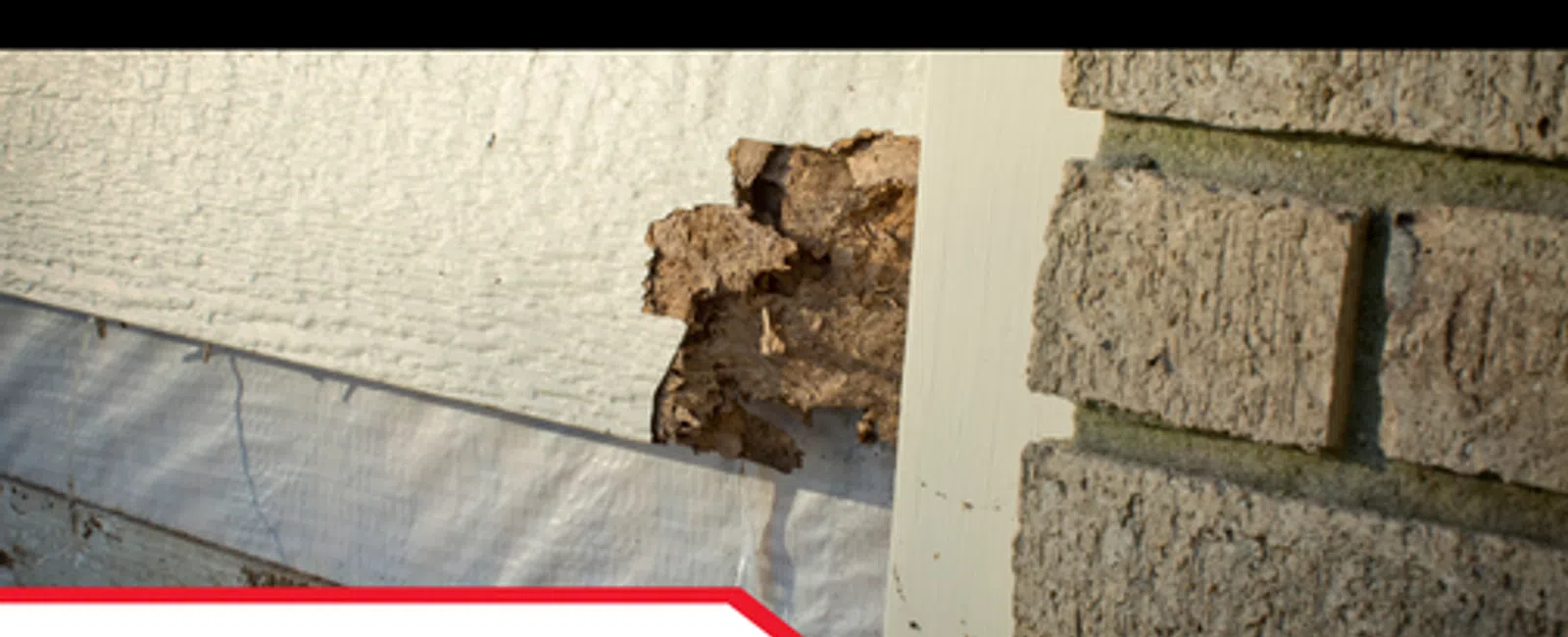
Termites are an important consideration for homebuyers and homeowners throughout the Southeast because these insects can damage wood and other cellulose-based building materials over time. During a residential inspection, an inspector may encounter visible evidence suggestive of termite activity, previous infestation, wood deterioration, or conditions that could make parts of a property more susceptible to wood-destroying organisms.
A general home inspection, however, should not automatically be described as a dedicated termite inspection or wood-destroying organism inspection. The purpose of a standard Southeast home inspection is to evaluate the visible and accessible condition of the property within the agreed inspection scope. A dedicated termite or WDO inspection may involve different licensing requirements, pest identification procedures, documentation, and state-specific reporting standards.
For homeowners and buyers in LunsPro Inspection Group's residential markets across Georgia, North Carolina, South Carolina, Tennessee, and Florida, the distinction is important. Inspectors may identify conditions that warrant additional evaluation, but the absence of visible evidence during a standard inspection does not guarantee that termites or concealed termite damage are absent.
Why Are Termites Relevant During Southeast Home Inspections?
Warm conditions, moisture, wood construction, soil contact, and other environmental factors can create favorable conditions for termites in portions of the Southeast.
The University of Georgia Extension's termite control guidance explains that subterranean termites live in colonies in the soil and may enter structures through soil-to-wood contact, cracks, utility penetrations, or other concealed pathways. This provides useful context for why inspectors pay attention to foundations, crawlspaces, sill areas, decks, porches, and other locations where wood and soil conditions interact.
Conditions vary considerably by property. A home in Atlanta may present different construction and moisture conditions from one in coastal Savannah, while properties in Charlotte, Charleston, Nashville, or Jacksonville may have different foundation types, site drainage, and maintenance histories.
For that reason, termite inspections in the Southeast should never be approached as though every home has the same risks or signs.
What Visible Signs of Termite Damage May Inspectors Find?
During a general home inspection, visible evidence may warrant closer attention or referral to a qualified pest-management professional.
Possible observations include:
- Mud tubes
- Hollowed or damaged wood
- Deteriorated trim
- Damaged framing
- Discarded wings
- Evidence of previous repairs
- Wood-to-soil contact
- Moisture-damaged wood
- Deteriorated structural components
- Conditions conducive to termite activity
The EPA's guidance on identifying and controlling termites identifies mud tubes, damaged wood, and evidence of swarming as common signs that may be associated with termite activity.
These signs require interpretation. A damaged board is not automatically evidence of termites, and wood deterioration can have many causes.
What Do Mud Tubes Mean?
Mud tubes are commonly associated with subterranean termite activity.
They may appear on:
- Foundation walls
- Masonry
- Piers
- Crawlspace components
- Wood framing
- Utility penetrations
Termites use these protected pathways as they travel between the soil and a food source.
The presence of a mud tube can be significant, but a home inspector generally should not assume from appearance alone whether the activity is current, inactive, or previously treated.
Further evaluation by a qualified termite or WDO professional can help determine whether active infestation is present and whether treatment is appropriate.
Are Discarded Wings Always a Sign of Termites?
Discarded wings may be associated with reproductive termite swarmers, but they should be interpreted carefully.
Other insects can also swarm, and identification may require pest-management expertise.
The NC State Extension termite guidance provides information about termite biology, swarmers, mud tubes, structural entry, and other signs of infestation. This guidance is especially useful for understanding termite activity in North Carolina and surrounding Southeastern conditions.
If wings or insects are discovered during a homebuyer inspection, the inspector may document the observation and recommend further identification rather than making an unsupported pest diagnosis.
Termite Damage vs. Other Types of Wood Deterioration
One of the most important inspection principles is that not all damaged wood is termite damage.
Wood can deteriorate because of:
- Moisture
- Fungal decay
- Carpenter ants
- Other wood-destroying insects
- Age
- Mechanical damage
- Previous repairs
- Long-term weather exposure
A wood damage inspection therefore involves observing the condition of the material and considering surrounding evidence rather than immediately assigning a cause.
For example, wood near a plumbing leak may be soft because of prolonged moisture exposure. Framing near grade may show decay associated with water and soil contact. Damaged wood may also reflect previous termite activity even when current activity is not visible.
Confirmation may require evaluation by a qualified pest-management professional, contractor, or other specialist.
Why Moisture Matters
Moisture does not automatically mean termites are present, but it can contribute to conditions favorable to pest activity and wood deterioration.
Potential moisture sources include:
- Plumbing leaks
- Roof drainage problems
- Damaged gutters
- Short or disconnected downspouts
- Poor exterior grading
- Crawlspace moisture
- Foundation moisture
- HVAC condensation
- Exterior water intrusion
The EPA's Integrated Pest Management Principles emphasize prevention by reducing conditions that support pests, including sources of food, water, and shelter.
For homeowners, that means moisture management and general property maintenance can be part of a broader pest-prevention strategy.
It does not mean that every damp crawlspace has termites.
Crawlspaces Are an Important Inspection Area
Many Southeastern homes have crawlspace foundations, making accessible crawlspaces particularly relevant during a termite damage inspection or general residential inspection.
Inspectors may look at visible:
- Sill plates
- Floor joists
- Beams
- Piers
- Subflooring
- Plumbing penetrations
- Foundation walls
- Supports
- Insulation
Potential concerns may include mud tubes, damaged wood, high moisture, previous repairs, wood-to-soil contact, standing water, or deterioration.
A crawlspace inspection can provide valuable information, but visibility may be limited by insulation, ductwork, stored items, low clearance, vapor barriers, inaccessible sections, or safety concerns.
Foundations and Wood-to-Soil Contact
Wood components that contact or sit very close to soil can deserve additional attention.
Potential examples include:
- Deck posts
- Porch supports
- Exterior trim
- Siding
- Framing near grade
- Landscape timbers near structures
The University of Florida IFAS termite prevention and control guidance discusses prevention strategies that include reducing conditions that allow termites easier access to wood and structures.
For Florida homes and other Southeastern properties, this reinforces why inspectors may document wood-to-soil contact or other visible conditions that could make termite access more difficult to observe.
These observations indicate susceptibility, not proof of infestation.
Which Areas May Show Visible Termite Evidence?
Depending on accessibility, inspectors may encounter termite-related evidence in:
- Crawlspaces
- Basements
- Foundation areas
- Sill plates
- Floor framing
- Exterior walls
- Decks
- Porches
- Garages
- Attics
- Plumbing penetrations
- Areas affected by previous moisture intrusion
The exact areas available for inspection depend on the home's construction.
A slab-on-grade home presents different access limitations from a raised crawlspace home. Finished basements, insulated walls, attached finishes, storage, cabinets, and floor coverings can conceal framing that might otherwise reveal damage.
Why Concealed Termite Activity Can Be Missed
Termites can operate in concealed locations.
Finished walls, flooring, insulation, cabinetry, stored belongings, and inaccessible framing can all limit visibility.
This means that even a thorough general home inspection cannot rule out concealed termite activity or hidden structural damage.
The absence of visible mud tubes, damaged wood, or swarmers should therefore not be interpreted as proof that the home is termite-free.
A dedicated pest inspection may use different methods and expertise, but even specialized inspections can have limitations where building materials conceal conditions.
Can Termites Cause Structural Damage?
Termites can damage wood components when activity continues over time.
Accessible structural wood that may show deterioration includes:
- Floor joists
- Sill plates
- Beams
- Wall framing
- Subflooring
- Porch framing
- Deck components
- Other supporting wood
The significance of that damage depends on factors such as location, extent, remaining sound material, previous repairs, and the role of the component.
A general inspector can document visible structural wood damage, but should avoid making engineering conclusions outside the inspection scope.
When Is a Structural Engineer Appropriate?
If visible wood damage appears extensive or affects important structural components, additional evaluation may be warranted.
Depending on the concern, appropriate professionals may include:
- Licensed pest-management professionals
- WDO inspectors
- General contractors
- Carpenters
- Structural engineers
A pest professional can evaluate termite activity and treatment needs.
A contractor may assess repair options.
A structural engineer may be appropriate when the extent of damage raises questions about structural capacity, movement, or the adequacy of major structural repairs.
A structural damage inspection performed during a general home inspection should therefore be understood as documentation of visible concerns, not an engineering analysis.
General Home Inspection vs. Dedicated Termite Inspection
This distinction deserves particular attention for homebuyers.
A standard home inspection generally evaluates the visible and accessible condition of the property as a whole. That can include observations of damaged wood, mud tubes, moisture, previous repairs, or conditions conducive to termites.
A dedicated termite or wood-destroying organism inspection may have a different purpose.
Depending on the state, such an inspection may involve:
- Specific licensing
- Pest identification
- Defined inspection procedures
- Specialized reporting forms
- Documentation of active or previous infestation
- Treatment recommendations
- State-specific requirements
These requirements are not identical across Georgia, North Carolina, South Carolina, Tennessee, and Florida.
Buyers should therefore determine whether their transaction, lender, insurer, or personal due-diligence needs call for a separate pest or WDO inspection in addition to the general home inspection.
State Requirements Are Not Uniform Across the Southeast
Termite and WDO inspection requirements can vary significantly by state.
A procedure or form used in Florida may not be identical to one used in North Carolina, Georgia, South Carolina, or Tennessee.
Even terminology can differ between jurisdictions.
That is why a general termite inspection in the Southeast should not be described as one standardized regional process.
Homebuyers who require official termite or WDO documentation should work with an appropriately licensed provider in the state where the property is located.
Termites and Moisture-Damaged Wood Can Look Similar
Moisture-damaged wood can sometimes resemble insect-damaged wood, especially once the material becomes soft, deteriorated, or discolored.
Fungal decay can also compromise wood fibers and create significant deterioration.
Carpenter ants and other wood-destroying insects may produce different patterns of damage but can still create confusion during a visual inspection.
A home inspector's role is to describe what is visible and avoid overstating certainty.
If damaged wood cannot be confidently attributed to one cause, specialist evaluation is the appropriate next step.
Exterior Drainage Can Influence Conditions Around the Home
Water management around foundations is relevant to both property condition and pest prevention.
Inspectors may observe:
- Negative grading
- Standing water
- Erosion
- Damaged gutters
- Short downspouts
- Moist foundation areas
- Water collecting near decks or porches
Poor drainage can contribute to damp wood, foundation moisture, and deterioration.
Homeowners can use these observations as maintenance priorities even when no termite activity is visible.
The broader goal is to reduce unnecessary moisture exposure and maintain building components in a condition that makes future deterioration easier to recognize.
What About Previous Termite Repairs?
Homes with previous termite activity may have repaired or replaced wood components.
Inspectors may encounter:
- Sistered joists
- Replaced sill plates
- New support members
- Patched trim
- Reinforced framing
- Visible treatment evidence
- Repair documentation
Previous repairs do not automatically indicate an ongoing problem.
However, buyers may benefit from asking for available pest-treatment records, repair invoices, warranties, or previous WDO inspection reports.
If repairs appear incomplete or structural significance is unclear, contractor or engineering evaluation may be appropriate.
Termite Considerations Across LunsPro's Southeast Markets
LunsPro Inspection Group serves residential clients in markets that include Atlanta, Athens, and Savannah in Georgia; Charlotte, Raleigh, and Greensboro in North Carolina; Greenville and Charleston in South Carolina; Chattanooga and Nashville in Tennessee; and Jacksonville in Florida.
These areas differ in construction styles, climate, soil conditions, moisture exposure, and pest-management regulations.
For example, coastal communities such as Savannah, Charleston, and Jacksonville may have different moisture and construction considerations from inland areas such as Atlanta, Charlotte, Nashville, or Raleigh.
That does not mean termite activity can be predicted solely from geography.
The condition of the individual property remains the primary focus.
What Should Buyers Do If Termite Evidence Is Found?
When visible evidence suggests possible termite activity or termite-related wood damage, buyers should avoid jumping immediately to worst-case conclusions.
The appropriate next step may be to obtain more information.
That can include:
- A dedicated termite or WDO inspection
- Pest identification
- Review of previous treatment records
- Contractor evaluation of damaged wood
- Structural engineering evaluation where significant structural concerns exist
The EPA's termite identification and control resources also encourage homeowners to use qualified pest-management professionals when termite identification or control is needed.
The goal is to determine whether activity is present, understand the extent of any damage, and identify appropriate treatment or repairs rather than assuming every visible sign has the same significance.
Termite-related conditions are an important part of residential property awareness in the Southeast, but they require careful interpretation. Mud tubes, damaged wood, discarded wings, previous repairs, wood-to-soil contact, and moisture conditions may all deserve attention during a home inspection. None of these observations should automatically be treated as proof of current termite activity without appropriate confirmation.
A general home inspection for termite damage provides useful visual information about the building, but it remains different from a dedicated termite or wood-destroying organism inspection. Licensing, pest identification, reporting procedures, and documentation requirements vary among Southeastern states, and concealed termite activity may not be visible during a standard inspection.
For buyers in Georgia, North Carolina, South Carolina, Tennessee, and Florida, a professional home inspection can help identify visible property conditions that warrant closer attention. That may include deteriorated framing, crawlspace moisture, foundation concerns, previous repairs, or other evidence that leads to a pest-management referral.
LunsPro Inspection Group's residential inspections focus on helping clients understand the visible and accessible condition of the home. When possible termite activity or significant wood damage is observed, the most useful outcome is not an unsupported diagnosis but a clear description of the condition and an appropriate recommendation for further evaluation. That approach gives Southeastern homebuyers better information while keeping the distinction between general property inspection, pest inspection, treatment, and structural evaluation clear.