The Southeast presents unique challenges for homeowners. High humidity, frequent rainfall, seasonal storms, tropical weather systems, and fluctuating temperatures place constant stress on residential structures. While homeowners often focus on visible areas of the home, some of the most important components are located out of sight. Attics, crawlspaces, and roofing systems frequently contain hidden conditions that can significantly affect a home's structural integrity, energy efficiency, indoor air quality, and long-term maintenance costs.
Unfortunately, many serious problems begin in areas homeowners rarely visit. A small roof leak, excessive crawlspace moisture, inadequate attic ventilation, or hidden water intrusion can develop into major repair projects if left undetected. These conditions often remain concealed until visible symptoms appear inside the home, at which point repairs may be substantially more expensive. This is why attic and crawlspace inspection services, combined with a professional roof inspection, are among the most valuable components of comprehensive Home Inspection Services.
At LunsPro Inspection Group, our Residential Inspections in the Southeast focus on identifying hidden concerns that may impact property performance and long-term ownership costs. Through Moisture Intrusion Inspection procedures, Roof Damage Inspection services, Structural Inspection evaluations, Infrared Inspection technology, and detailed reporting, our Licensed Inspectors help homeowners better understand the condition of their property and make informed maintenance decisions.
Guidance discussed in Mold and Moisture Problems: Preventing Damage highlights how moisture control plays a critical role in protecting homes from mold growth and long-term structural deterioration. This is especially important throughout the Southeast, where humidity and moisture-related damage remain common concerns.
Why These Areas Matter More Than Homeowners Realize
Many of the most expensive home repairs originate in the attic, crawlspace, or roof.
These areas directly influence:
- Structural stability
- Moisture management
- Indoor air quality
- Energy efficiency
- Roofing performance
- Insulation effectiveness
Because these components work together as a system, deficiencies in one area often affect others.
For example:
- A roof leak may cause attic moisture.
- Attic moisture may contribute to mold growth.
- Crawlspace moisture may lead to wood rot.
- Poor ventilation may accelerate roofing deterioration.
Professional inspections help identify these relationships before they become major repair projects.
Why Roof Inspections Are Critical
A roof serves as the primary barrier protecting a home from weather exposure.
Throughout Atlanta, Charlotte, Nashville, Raleigh, Greenville, and other Southeastern communities, roofing systems endure:
- Heavy rainfall
- High winds
- Hail events
- Intense sunlight
- Tropical storms
Because roofs face constant environmental exposure, regular roof inspection services remain essential.
Roof Leaks Often Start Small
Many homeowners assume roof leaks will immediately become obvious.
In reality, leaks frequently begin as minor deficiencies involving:
- Flashing failures
- Damaged shingles
- Sealant deterioration
- Storm damage
Water may travel through attic spaces and wall cavities long before visible staining appears.
A professional Roof Damage Inspection helps identify these concerns before extensive damage develops.
Storm Damage Can Be Hidden
Storm exposure remains a significant concern throughout the Southeast.
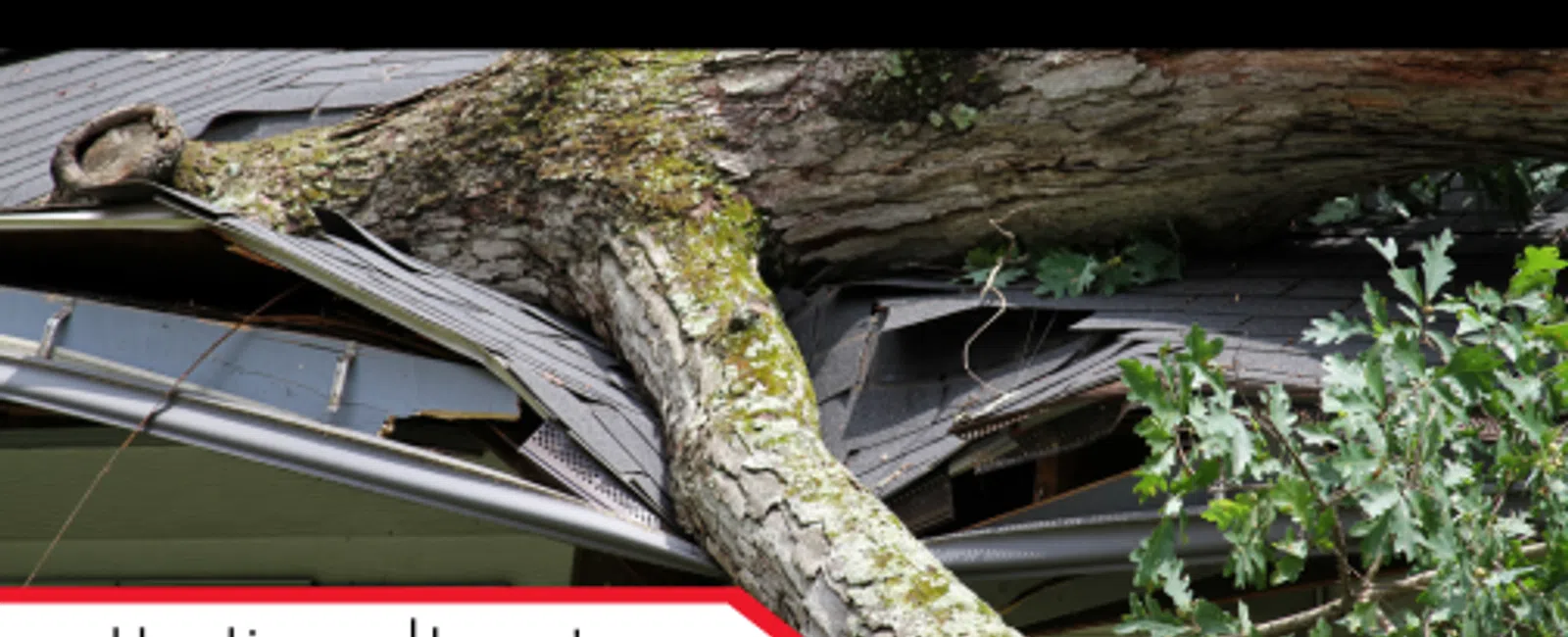
High winds and hail can damage roofing materials without creating immediately visible leaks.
Licensed Inspectors often identify:
- Lifted shingles
- Granule loss
- Damaged flashing
- Impact damage
- Compromised roofing materials
Regular roof inspection evaluations help identify storm-related damage before moisture intrusion occurs.
Roof Life Expectancy and Maintenance
Roofing systems represent one of the largest maintenance investments homeowners face.
Regular inspections help homeowners:
- Monitor roof condition
- Plan maintenance
- Extend roof lifespan
- Avoid premature replacement
Industry resources from Roofing reinforce the importance of regular roof evaluations and proactive maintenance to help prevent costly water intrusion and structural issues.
The Hidden Importance of Attic Inspections
The attic plays a critical role in regulating moisture, temperature, and energy efficiency.
Unfortunately, attics are often overlooked until problems become severe.
Attic Ventilation Matters
Proper Attic Ventilation helps regulate:
- Heat buildup
- Moisture accumulation
- Air circulation
Without adequate ventilation, excessive heat and humidity may become trapped inside the attic.
This can contribute to:
- Mold growth
- Roofing deterioration
- Insulation damage
- Increased energy costs
Energy-efficiency recommendations from Attic Ventilation explain why proper airflow is essential for reducing heat buildup, moisture accumulation, and premature roofing deterioration.
Attic Moisture Can Cause Major Damage
Attic moisture frequently develops because of:
- Roof leaks
- Condensation
- Poor ventilation
- Air leakage
Over time, excessive moisture may affect:
- Structural framing
- Insulation
- Drywall
- Roof decking
Attic moisture often remains hidden until visible signs appear inside the home.
Insulation Deficiencies
Attic inspections frequently reveal insulation concerns.
Common issues include:
- Insufficient insulation
- Compressed insulation
- Moisture-damaged insulation
- Uneven coverage
These deficiencies can reduce energy efficiency and increase heating and cooling costs.
Why Crawlspace Inspections Are Essential
Crawlspaces are among the most overlooked areas of a home.
Yet they frequently contain important clues regarding structural performance, moisture management, and overall building health.
Crawlspace Moisture Problems
Crawlspace Moisture remains one of the most common findings during Residential Inspections in the Southeast.
Contributing factors often include:
- High humidity
- Poor drainage
- Groundwater intrusion
- Inadequate vapor barriers
Excess moisture beneath a home can affect the entire structure.
Why Crawlspace Moisture Matters
Excess moisture may contribute to:
- Mold growth
- Wood rot
- Structural deterioration
- Pest activity
- Indoor air quality concerns
Because air naturally moves upward through a structure, crawlspace conditions often influence living areas above.
Structural Inspection of Crawlspaces
A Structural Inspection frequently includes evaluation of:
- Floor framing
- Support columns
- Beams
- Foundation walls
- Signs of movement
These observations help identify potential structural concerns before they worsen.
Moisture Intrusion: The Common Thread
When evaluating attics, crawlspaces, and roofs, one issue consistently appears: moisture.
Water intrusion remains one of the most expensive and widespread causes of residential property damage.
Sources of Water Intrusion
Common sources include:
- Roof leaks
- Foundation moisture
- Drainage deficiencies
- Condensation
- Plumbing leaks
A Moisture Intrusion Inspection helps identify these concerns and determine where additional evaluation may be needed.
Consequences of Hidden Water Intrusion
Unchecked moisture may lead to:
- Mold growth
- Structural damage
- Material deterioration
- Indoor air quality concerns
- Costly repairs
Early identification is often the key to minimizing repair expenses.
Mold Prevention Starts with Inspections
Mold requires three basic conditions:
- Moisture
- Organic material
- Suitable temperatures
The Southeast provides an ideal environment for mold development when moisture is present.
Common Mold Locations
Inspectors frequently observe mold growth in:
- Attics
- Crawlspaces
- Roof assemblies
- Poorly ventilated areas
Why Mold Prevention Matters
Mold can affect:
- Indoor air quality
- Building materials
- Property value
Regular inspections help identify moisture sources before mold growth becomes established.
Structural Deterioration and Wood Rot
Moisture and structural damage often go hand in hand.
How Wood Rot Develops
Wood rot occurs when prolonged moisture exposure allows fungal decay to affect structural materials.
Common locations include:
- Roof framing
- Crawlspace supports
- Exterior trim
- Floor systems
Why Structural Damage Is Expensive
Structural repairs may involve:
- Framing replacement
- Foundation repairs
- Roofing reconstruction
These projects can be among the most expensive repairs homeowners encounter.
Professional inspections help identify concerns before significant deterioration occurs.
Infrared Inspection Technology
Modern inspections often incorporate Infrared Inspection technology to enhance evaluations.
How Infrared Inspection Helps
Infrared tools may help identify:
- Hidden moisture
- Insulation deficiencies
- Temperature anomalies
- Potential water intrusion
While infrared technology does not replace traditional inspections, it provides additional information that may reveal otherwise hidden concerns.
Benefits for Homeowners
Infrared Inspection technology can support:
- Earlier detection
- Better documentation
- More informed maintenance decisions
This is especially valuable in homes where moisture intrusion may not yet be visible.
Regional Concerns Across the Southeast
Homes throughout Atlanta, Charlotte, Nashville, Raleigh, and Greenville face environmental conditions that increase the importance of attic and crawlspace inspection services.
Humidity
High humidity contributes to:
- Condensation
- Mold growth
- Moisture accumulation
Storm Exposure
Frequent storms increase risks related to:
- Roof damage
- Water intrusion
- Structural stress
Moisture-Related Damage
Long-term moisture exposure can affect:
- Roofing systems
- Crawlspaces
- Foundations
- Structural framing
Because these conditions are common throughout the Southeast, inspections remain an important component of responsible homeownership.
Why Home Maintenance Inspections Matter
Many homeowners wait until visible problems appear before scheduling inspections.
However, preventive Home Maintenance Inspection services often identify concerns much earlier.
Benefits include:
- Reduced repair costs
- Better maintenance planning
- Improved property performance
- Longer system lifespan
Regular inspections help homeowners stay ahead of developing issues.
Attics, crawlspaces, and roofing systems represent some of the most important yet frequently overlooked components of a home. These areas play a vital role in protecting structural integrity, managing moisture, improving energy efficiency, and maintaining indoor air quality. Unfortunately, they are also among the most common locations for hidden home defects that may go unnoticed until significant damage has occurred.
Through attic and crawlspace inspection services, roof inspection evaluations, Moisture Intrusion Inspection procedures, Structural Inspection observations, Infrared Inspection technology, and comprehensive reporting, homeowners gain valuable insight into the true condition of their property. Early identification of roof leaks, crawlspace moisture, ventilation issues, mold growth, wood rot, and structural deterioration can help prevent expensive repairs and protect long-term property value.
At LunsPro Inspection Group, our Residential Inspections in the Southeast are designed to help homeowners identify concerns before they become major problems. Whether evaluating homes in Atlanta, Charlotte, Nashville, Raleigh, Greenville, or surrounding communities, our Licensed Inspectors provide the information necessary to support informed maintenance decisions and protect one of life's most important investments.