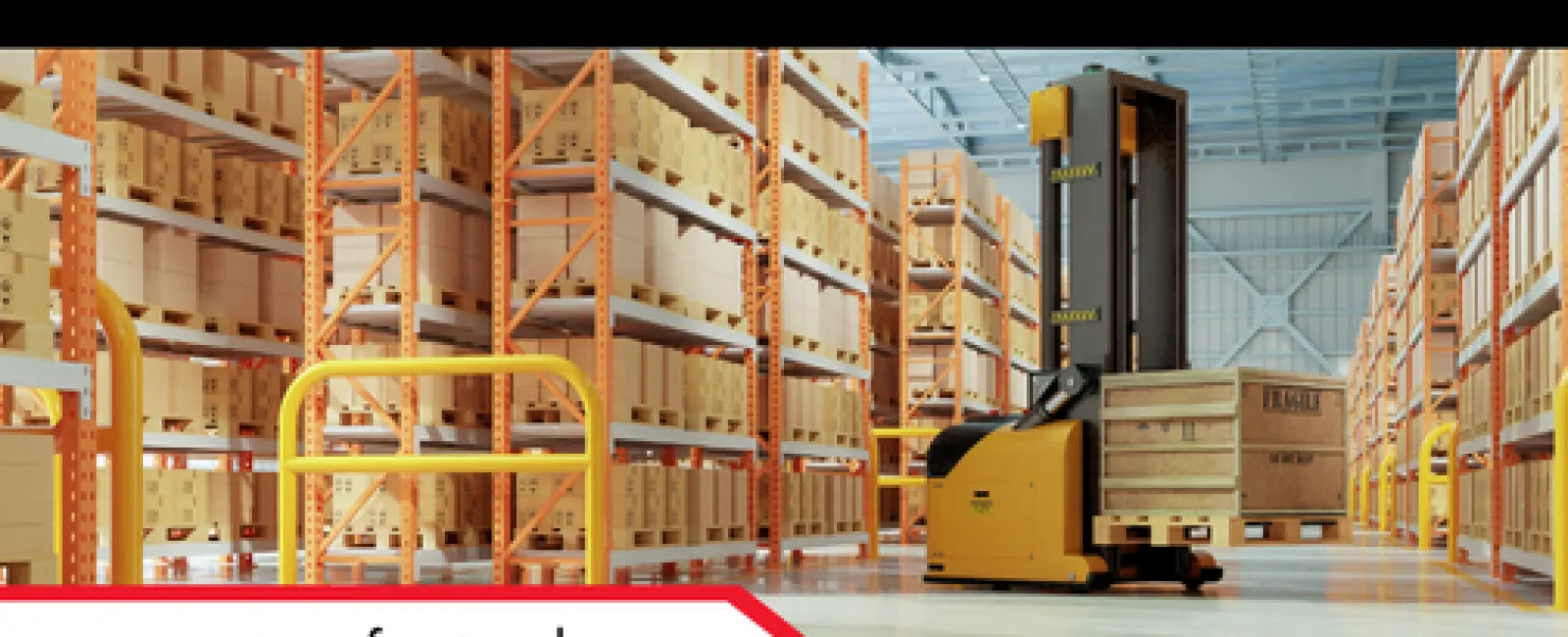
Distribution centers and logistics facilities play a critical role in the Southeast's growing economy. With major transportation corridors, expanding ports, and increasing demand for e-commerce fulfillment, cities like Atlanta, Charlotte, Greenville, and Charleston have become key hubs for warehousing and distribution. These facilities are designed to support high-volume operations, heavy equipment, and continuous movement of goods. Because of this, a professional logistics facility inspection is essential to ensure that these properties remain safe, functional, and efficient over time.
Unlike standard commercial buildings, logistics and distribution facilities include specialized systems such as loading docks, large-span structural frameworks, high-capacity electrical infrastructure, and extensive floor systems designed for heavy loads. These features require a higher level of evaluation during inspections. Through comprehensive Commercial Inspections in the Southeast, LunsPro Inspection Group provides detailed assessments that help property owners, investors, and operators protect their assets and maintain operational continuity. Our experience in Southeastern Residential and Commercial Inspections ensures that both commercial and residential properties are evaluated with precision and regional expertise.
The Importance of Logistics Facility Inspections
A logistics facility inspection goes beyond a standard property evaluation. These inspections focus on the structural integrity, mechanical systems, and operational features that support high-demand distribution environments.
Key reasons inspections are essential include:
- Ensuring structural systems can support heavy equipment and storage loads
- Evaluating safety features for employees and operations
- Identifying maintenance needs that could disrupt workflow
- Assessing environmental factors that may affect stored goods
- Supporting long-term asset management strategies
Facilities that operate without proper inspection and maintenance risk costly downtime, safety hazards, and reduced efficiency.
Structural Systems in Distribution Facilities
Logistics facilities often feature large open spaces supported by steel framing and reinforced concrete. These structures must be capable of handling significant weight from stored goods, machinery, and vehicle traffic.
During Commercial Inspections in Atlanta, Commercial Inspections in Charlotte, and Commercial Inspections in Greenville, inspectors evaluate:
- Structural steel components
- Concrete slab conditions
- Signs of cracking or settlement
- Load-bearing systems
- Roof support structures
In the Southeast, soil conditions and heavy rainfall can influence foundation performance. A thorough inspection ensures that structural systems remain stable under operational demands.
Flooring and Load Capacity
Warehouse floors are designed to withstand heavy loads from forklifts, pallet racks, and stored inventory. Over time, these floors may develop cracks or uneven surfaces that affect operations.
Inspectors conducting logistics facility inspections assess:
- Surface wear and deterioration
- Cracks in concrete slabs
- Levelness and load-bearing capacity
- Expansion joints and structural integrity
Damaged flooring can create safety risks and reduce operational efficiency, making this a critical inspection area.
Roofing Systems and Weather Protection
Roofing systems in distribution facilities must protect large interior spaces from environmental exposure. Flat or low-slope roofs are common in these buildings and require regular evaluation.
During Commercial Inspections in Charleston, inspectors often assess roofing systems for:
- Membrane condition
- Drainage performance
- Flashing integrity
- Signs of ponding water or leaks
The Southeast's climate—including heavy rain, humidity, and storm activity—can accelerate roof deterioration. Proper maintenance is essential for protecting both the structure and stored inventory.
Loading Docks and Operational Features
Loading docks are a defining feature of logistics facilities and must function reliably to support daily operations. Inspectors evaluate:
- Dock levelers and seals
- Overhead doors
- Structural integrity of dock areas
- Safety features such as guardrails and lighting
During Commercial Inspections in the Southeast, inspectors ensure that these components are functioning properly and meet safety standards.
Electrical Systems and Power Requirements
Distribution facilities rely on robust electrical systems to power lighting, conveyor systems, automation equipment, and climate control systems.
Inspectors evaluate:
- Electrical panel capacity
- Wiring condition
- Grounding systems
- Distribution of power throughout the facility
In high-demand facilities, electrical systems must be capable of supporting continuous operation. Identifying deficiencies early helps prevent disruptions.
HVAC and Ventilation Systems
While some warehouses are not fully climate-controlled, many logistics facilities require ventilation or temperature regulation to protect goods and maintain safe working conditions.
Inspectors conducting Commercial Inspections in Greenville and other regions assess:
- HVAC equipment condition
- Ventilation systems
- Airflow and circulation
- Signs of corrosion or wear
Proper ventilation is especially important in humid Southeastern climates, where moisture buildup can affect both building materials and stored products.
Plumbing and Drainage Systems
Although plumbing systems in logistics facilities are often less extensive than in office buildings, they still require evaluation. Inspectors review:
- Water supply lines
- Drainage systems
- Restroom facilities
- Floor drains
Drainage is particularly important in areas prone to heavy rainfall. Improper drainage can lead to water accumulation and potential damage to stored goods.
Seasonal Rodent Control Considerations
One of the often-overlooked aspects of a logistics facility inspection is pest management. Large warehouse spaces with frequent door openings can be vulnerable to rodent activity, especially during seasonal changes.
Seasonal rodent control is an important component of facility maintenance in the Southeast. Inspectors may identify conditions that contribute to pest activity, including:
- Gaps in building envelopes
- Improperly sealed doors
- Food or waste storage areas
- Moisture conditions that attract pests
Addressing these issues helps protect inventory and maintain sanitary conditions within the facility.
Exterior and Site Conditions
The exterior of a logistics facility plays a critical role in protecting the structure and supporting operations. Inspectors evaluate:
- Parking areas and truck access routes
- Drainage systems and grading
- Exterior walls and siding
- Lighting and security features
Facilities located in areas such as those covered by Commercial Inspections in Atlanta and Commercial Inspections in Charlotte often experience heavy vehicle traffic, making pavement condition and site layout important inspection considerations.
Regional Considerations in the Southeast
Logistics facilities in the Southeast must be evaluated with regional environmental conditions in mind.
Humidity and Moisture
High humidity levels can affect building materials and stored goods. Inspectors assess ventilation and moisture control systems.
Storm Exposure
Seasonal storms can impact roofing systems and exterior components. Inspectors evaluate structures for signs of storm-related damage.
Soil Conditions
Expansive soils can affect foundation stability. Inspectors look for signs of settlement and structural movement.
Through Commercial Inspections in the Southeast, these factors are carefully considered to ensure accurate evaluations.
Integration with Residential Inspection Expertise
While logistics facilities are specialized commercial properties, the principles of inspection apply across property types. Experience gained from Home Inspections in the Southeast provides valuable insight into building systems, materials, and environmental conditions.
At LunsPro Inspection Group, we regularly conduct:
- Home Inspections in Atlanta, Home Inspections in Greenville, Home Inspections in Charlotte, and Home Inspections in Charleston
- Commercial Inspections in Atlanta, Commercial Inspections in Greenville, Commercial Inspections in Charlotte, and Commercial Inspections in Charleston
This combined expertise in Southeastern Residential and Commercial Inspections allows us to deliver comprehensive evaluations tailored to both residential and commercial properties.
Benefits of Regular Logistics Facility Inspections
Routine inspections provide several long-term benefits for facility owners and operators.
Operational Efficiency
Identifying issues early helps prevent disruptions and ensures that systems function properly.
Cost Management
Addressing maintenance concerns proactively reduces repair costs over time.
Safety and Compliance
Regular inspections help ensure that facilities meet safety standards and protect employees.
Asset Protection
Maintaining the condition of the building supports long-term value and operational reliability.
Distribution and logistics facilities are essential to the Southeast's economic growth, supporting industries ranging from retail to manufacturing. These properties are designed to handle high-demand operations, making their condition and performance critical to long-term success. A professional logistics facility inspection provides the detailed evaluation needed to ensure that these buildings remain safe, efficient, and capable of supporting ongoing operations.
In Southeastern markets where environmental conditions and rapid development influence property performance, inspections play an especially important role. From structural systems and roofing to electrical infrastructure and seasonal rodent control, every aspect of a logistics facility must be evaluated carefully. Through comprehensive Commercial Inspections in the Southeast, property owners gain valuable insight into their buildings and can make informed decisions about maintenance and improvements.
By working with experienced professionals like LunsPro Inspection Group, clients benefit from detailed Southeastern Residential and Commercial Inspections that reflect regional expertise and industry knowledge. Whether scheduling Commercial Inspections in Atlanta, Commercial Inspections in Charlotte, Commercial Inspections in Greenville, or Commercial Inspections in Charleston, or coordinating Home Inspections in Atlanta, Home Inspections in Greenville, Home Inspections in Charlotte, or Home Inspections in Charleston, thorough inspections provide the clarity needed to protect assets and support long-term operational success.