
Buying a newly built home is an exciting milestone. Many buyers assume that because a property is brand new, it must be free of defects or construction issues. However, even newly constructed homes can contain problems ranging from minor installation mistakes to significant structural concerns. This is why a professional new construction home inspection is a critical step for buyers across the Southeast.
In rapidly growing markets like Charlotte, Greenville, and Charleston, residential development continues to expand at a fast pace. Builders often work under tight timelines and coordinate multiple subcontractors during construction. While most builders aim to deliver quality homes, the complexity of modern construction means that errors can occasionally occur. A thorough residential inspection ensures that potential issues are identified early, giving buyers confidence before closing. At LunsPro Inspection Group, our expertise in New Construction Home Inspections in the Southeast provides homeowners with a detailed evaluation of their property's structure, systems, and safety features through comprehensive Southeastern Residential Inspections.
Why New Homes Still Need Inspections
Many homeowners assume that municipal building inspections guarantee flawless construction. In reality, municipal inspections are designed primarily to verify compliance with building codes at specific construction stages. These inspections are typically brief and focus on minimum safety standards rather than overall workmanship or long-term durability.
A new construction home inspection provides a deeper evaluation. Professional inspectors analyze the property holistically, looking beyond code compliance to assess installation quality, system functionality, and potential long-term concerns.
This is especially important in the Southeast, where climate conditions—including humidity, heavy rainfall, and soil movement—can influence how construction materials perform. Through New Construction Home Inspections in the Southeast, inspectors evaluate whether the home has been built to withstand these environmental factors.
The Rapid Growth of Southeastern Housing
Cities across the Southeast continue to experience significant population growth. Markets such as Charlotte, Greenville, and Charleston have seen extensive residential development in recent years. New subdivisions, townhome communities, and custom home projects are appearing throughout the region.
With this rapid development comes increased construction volume. Builders often manage several projects simultaneously, coordinating teams of electricians, plumbers, framers, HVAC technicians, and other specialists.
While most professionals take pride in their work, coordination challenges can lead to oversights. Independent residential inspection services provide an additional layer of quality assurance for buyers navigating these expanding housing markets.
Types of New Construction Inspections
A complete new construction home inspection often involves multiple phases throughout the building process. Each stage provides an opportunity to identify issues before construction progresses further.
Pre-Drywall Inspection
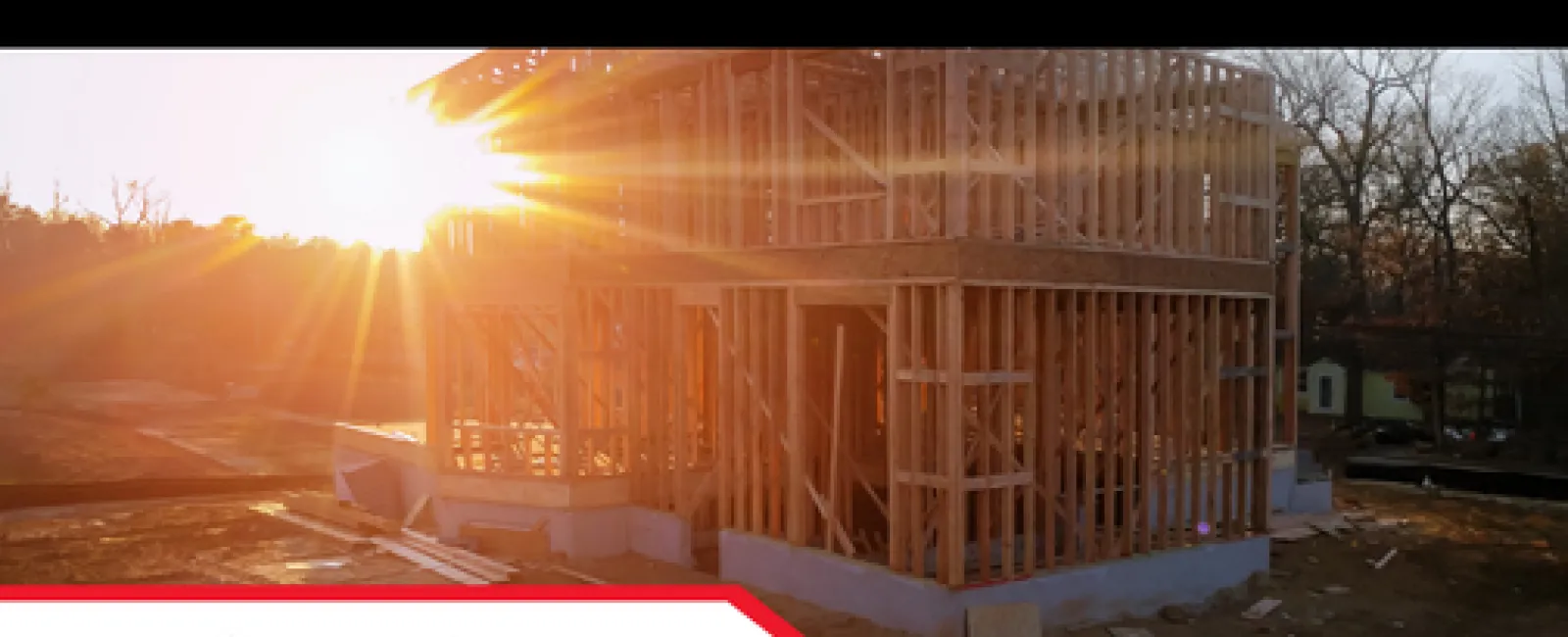
This inspection occurs after framing, plumbing, electrical wiring, and HVAC ductwork have been installed but before insulation and drywall conceal these systems.
During pre-drywall evaluations, inspectors may review:
-
Structural framing alignment
-
Roof framing and truss installation
-
Electrical wiring layout
-
Plumbing pipe placement
-
HVAC duct configuration
-
Window and door framing
-
Roof decking attachment
Because walls are still open, inspectors can observe elements that will later be hidden from view. For buyers scheduling New Construction Inspections in Charlotte or New Construction Inspections in Greenville, this stage is particularly valuable because it ensures proper installation of essential systems before the home is sealed.
Final Inspection Before Closing
The final new construction home inspection typically takes place shortly before the buyer's closing date. At this stage, the home is fully constructed and operational.
Inspectors evaluate:
-
Roofing systems
-
Exterior siding and trim
-
Foundation and structure
-
HVAC performance
-
Plumbing fixtures and drainage
-
Electrical panels and outlets
-
Windows and doors
-
Interior finishes
-
Attic and insulation
-
Appliances
This inspection helps ensure that the property is ready for occupancy and that any remaining issues are documented before the closing process is completed.
Warranty Inspection
Many builders offer a one-year warranty covering workmanship and certain system components. A warranty inspection is typically performed around the 10- to 11-month mark after occupancy.
During this residential inspection, inspectors identify concerns that may have developed during the first year of use, including:
-
Settlement cracks
-
Door alignment issues
-
Minor plumbing leaks
-
HVAC performance concerns
-
Exterior material wear
Completing this inspection before the warranty period ends allows homeowners to request builder repairs while coverage is still in effect.
Common Issues Found in New Construction Homes
Even in well-built homes, inspectors frequently identify installation issues or oversights. Some common findings during New Construction Home Inspections in the Southeast include:
Incomplete Flashing
Improper flashing around windows, doors, and roof penetrations can allow water intrusion. In humid Southeastern climates, even small moisture leaks can lead to mold growth or structural damage over time.
HVAC Installation Concerns
Improper duct connections, poor airflow balance, or inadequate insulation around ductwork can reduce system efficiency. In warm climates like those found in New Construction Inspections in Charleston, HVAC systems play a critical role in maintaining comfort and humidity control.
Electrical Wiring Errors
Inspectors sometimes discover missing ground connections, improperly installed outlets, or mislabeled electrical panels. These issues may not immediately impact functionality but can create safety risks if left uncorrected.
Plumbing Leaks or Drainage Issues
Minor leaks beneath sinks, improperly sloped drainpipes, or loose connections can occur during construction. Early detection during a new construction home inspection prevents long-term water damage.
Insulation Gaps
Incomplete insulation installation can reduce energy efficiency and increase utility costs. Attic and wall insulation are carefully evaluated during Southeastern Residential Inspections.
Climate Factors in the Southeast
Homes built in the Southeast must withstand environmental conditions that differ from other regions of the country. Climate considerations often influence how inspectors evaluate new construction.
Humidity and Moisture
High humidity levels can lead to moisture accumulation in crawlspaces, attics, and HVAC systems. Inspectors carefully review ventilation systems to ensure proper airflow.
Heavy Rainfall
Proper drainage systems are essential in areas that experience frequent storms. Inspectors assess grading, gutter systems, and downspout placement.
Soil Movement
Clay-heavy soils found in many Southeastern regions can expand and contract with moisture changes. Inspectors evaluate foundation conditions and grading to identify potential movement risks.
Through New Construction Home Inspections in the Southeast, professionals assess how these environmental factors interact with building materials and structural components.
The Role of an Independent Inspection Company
Hiring an independent inspection company ensures an objective evaluation of the home. Builders may conduct internal quality checks, but independent inspectors provide a neutral perspective focused solely on the buyer's interests.
At LunsPro Inspection Group, our inspection approach emphasizes clarity, thorough documentation, and practical recommendations. Our Southeastern Residential Inspections are designed to help homeowners understand both the condition of the home and the steps needed to maintain it.
What Buyers Should Expect During the Inspection
A professional new construction home inspection typically includes several hours of on-site evaluation depending on the size of the property.
Inspectors often examine:
-
Structural elements
-
Roofing systems
-
HVAC equipment
-
Plumbing fixtures and supply lines
-
Electrical panels and outlets
-
Windows and doors
-
Exterior surfaces
-
Interior finishes
-
Attic insulation and ventilation
-
Safety features such as smoke detectors
Following the inspection, homeowners receive a detailed report outlining observations and recommendations.
Benefits of Residential Inspection Services
Investing in a professional residential inspection for new construction offers several advantages.
Peace of Mind
Buyers gain confidence knowing that an experienced professional has evaluated the property before they finalize the purchase.
Early Problem Detection
Identifying issues before closing allows the builder to address them promptly.
Long-Term Maintenance Awareness
Inspection reports often include maintenance recommendations that help homeowners protect their investment over time.
Documentation for Builder Repairs
Inspection findings provide clear documentation when requesting repairs from the builder.
Regional Growth and Inspection Demand
The Southeast continues to experience strong population growth. Cities like Charlotte, Greenville, and Charleston remain among the fastest-growing housing markets in the region.
With increased development comes greater demand for qualified inspectors who understand regional construction practices. Professionals conducting New Construction Inspections in Charlotte, New Construction Inspections in Greenville, and New Construction Inspections in Charleston must remain familiar with both modern building techniques and local environmental conditions.
Choosing the Right Inspection Company
Selecting the right inspection company is essential for ensuring a thorough evaluation. Buyers should consider several factors when choosing an inspector:
-
Professional experience
-
Knowledge of local construction practices
-
Comprehensive reporting methods
-
Strong reputation within the region
At LunsPro Inspection Group, our inspectors specialize in New Construction Home Inspections in the Southeast, providing homeowners with detailed insights into their new properties.
Purchasing a newly built home is a significant milestone, but new construction does not automatically guarantee perfection. Construction timelines, subcontractor coordination, and regional environmental factors can all influence the final condition of a home. A professional new construction home inspection ensures that buyers receive a detailed assessment before they move in.
For homeowners across the Southeast, inspections provide clarity, protection, and confidence throughout the homebuying process. Whether scheduling New Construction Inspections in Charlotte, arranging New Construction Inspections in Greenville, or preparing for New Construction Inspections in Charleston, working with experienced professionals helps ensure that new homes meet both safety standards and long-term performance expectations.
Through comprehensive Southeastern Residential Inspections, LunsPro Inspection Group delivers the expertise and attention to detail necessary to support homeowners throughout the new construction process. A carefully conducted residential inspection allows buyers to move forward with confidence, knowing their new home has been evaluated thoroughly and responsibly before the keys are handed over.