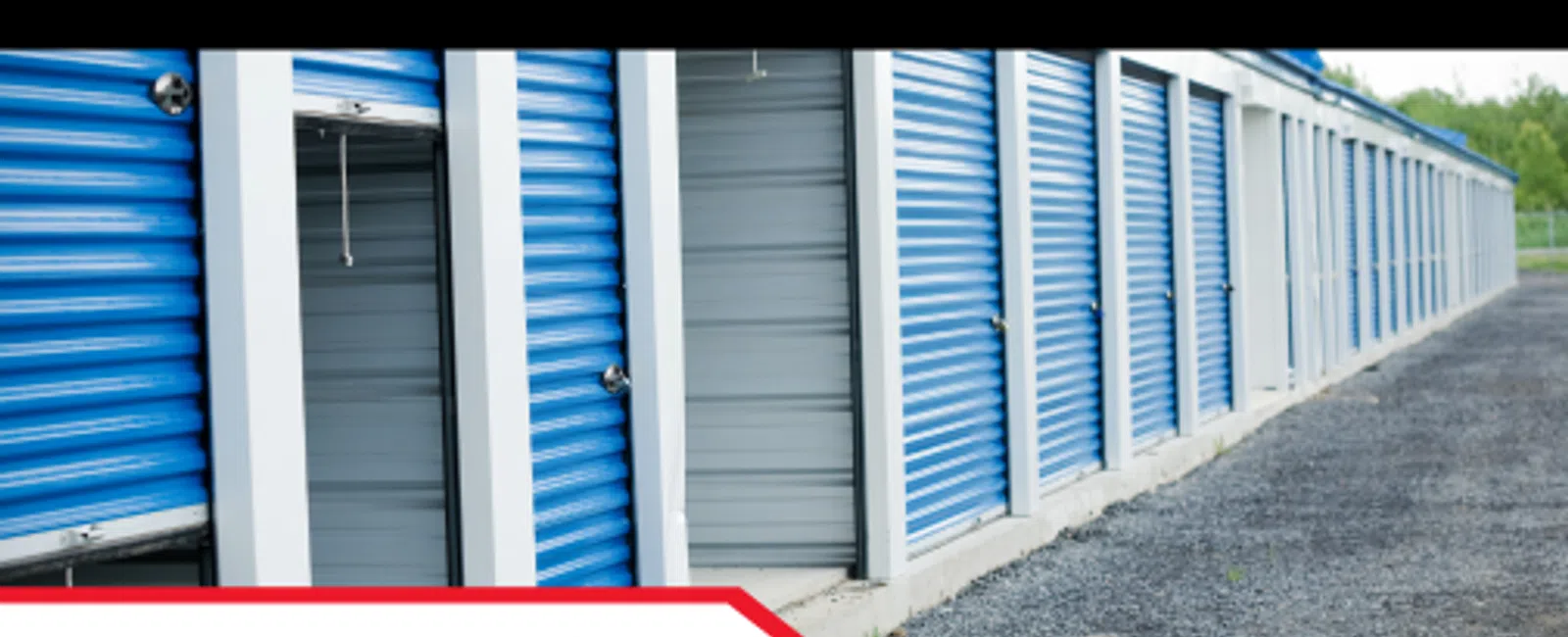
The self-storage industry has experienced significant growth throughout the Southeast over the past decade. Population growth, residential mobility, business expansion, downsizing trends, and increased demand for flexible storage solutions have contributed to a surge in self-storage development across major metropolitan areas and secondary markets alike. From large climate-controlled facilities in Atlanta and Charlotte to expanding storage portfolios in Raleigh, Athens, Greensboro, Savannah, and Jacksonville, self-storage properties have become a popular investment class for commercial real estate investors.
As the industry continues to grow, the importance of comprehensive Self-Storage Facility Inspections has increased as well. While self-storage properties may appear relatively simple compared to office buildings, retail centers, or industrial facilities, they contain numerous systems and components that require careful evaluation. Roofing systems, building envelopes, drainage infrastructure, security systems, climate-controlled spaces, electrical systems, and structural components all play important roles in the long-term performance and profitability of a storage facility.
LunsPro Inspection Group provides Commercial Inspections in the Southeast designed to help investors, developers, facility managers, and property owners make informed decisions regarding self-storage assets. Through Commercial Property Inspections, Property Condition Assessments, Building Condition Assessments, Drone Inspections, Infrared Inspection services, and Roof Inspection evaluations, clients gain valuable insight into both current conditions and future maintenance requirements.
Why Self-Storage Facility Inspections Matter
Many investors are attracted to self-storage properties because of their relatively low operational requirements compared to other commercial asset types. However, this perception can sometimes lead owners to underestimate the importance of thorough inspections.
A self-storage facility represents a substantial investment and often consists of multiple structures, large roof systems, extensive pavement areas, security infrastructure, and specialized building systems. Deferred maintenance, hidden deficiencies, and aging components can significantly affect profitability if not identified early.
Self-Storage Facility Inspections help investors evaluate:
- Structural integrity
- Roof conditions
- Building envelope performance
- Moisture intrusion risks
- Drainage systems
- Electrical infrastructure
- Security system components
- Pavement conditions
- Climate-controlled storage systems
- Long-term maintenance needs
A comprehensive Commercial Property Inspection helps reduce uncertainty and supports more informed investment decisions.
The Growth of Self-Storage Across the Southeast
The Southeast continues to be one of the fastest-growing regions in the United States. Population migration, business relocations, and residential development have created strong demand for storage facilities throughout both urban and suburban markets.
Commercial Inspections in Atlanta frequently involve large self-storage facilities serving dense residential populations and expanding commercial districts. Atlanta's continued growth has made storage facilities an attractive investment opportunity for developers and institutional investors.
Commercial Inspections in Charlotte often support investors evaluating newly developed or recently expanded storage properties throughout one of the Southeast's fastest-growing metropolitan areas.
Commercial Inspections in Raleigh have become increasingly important as residential growth continues to drive demand for personal and business storage solutions.
Commercial Inspections in Savannah are often influenced by coastal environmental conditions, tourism-related growth, and increased development surrounding the port and logistics industries.
Commercial Inspections in Jacksonville frequently involve facilities supporting both residential growth and commercial operations throughout Northeast Florida.
Even smaller but rapidly expanding markets such as Athens continue to see increased demand for storage facilities, making Commercial Inspections in Athens an important part of investment due diligence.
Property Condition Assessments for Self-Storage Facilities
One of the most valuable tools used during commercial real estate transactions is the Property Condition Assessment (PCA).
Property Condition Assessments provide a detailed evaluation of a property's physical condition and help investors understand current deficiencies, deferred maintenance concerns, and future capital expenditure requirements.
For self-storage facilities, Property Condition Assessments typically evaluate:
- Building structures
- Roofing systems
- Exterior wall assemblies
- Site improvements
- Drainage systems
- Electrical infrastructure
- Security systems
- Climate-controlled components
- Fire protection features
- Pavement conditions
The information gathered during a PCA helps investors identify risks that may affect operational performance and long-term profitability.
Property Condition Assessments also provide valuable insight when negotiating purchase terms, budgeting for repairs, and developing long-term maintenance strategies.
Building Condition Assessments and Asset Management
While Property Condition Assessments focus on identifying current deficiencies and future repair needs, Building Condition Assessments often take a broader approach to evaluating overall building performance.
Building Condition Assessments examine how systems interact and contribute to long-term facility operations.
For self-storage properties, Building Condition Assessments may evaluate:
- Building envelope performance
- Structural stability
- Moisture management
- Roofing system functionality
- Energy efficiency considerations
- Operational risks
These assessments help facility managers and investors understand how maintenance decisions today may affect future operating costs and asset value.
Effective asset management begins with understanding the physical condition of the property and planning proactively for future maintenance needs.
Roof Inspection Considerations for Storage Facilities
Roofing systems are among the most important and expensive components of self-storage facilities.
Storage properties often consist of multiple buildings with extensive roof areas. Even small roofing deficiencies can lead to significant damage if moisture enters storage units and affects tenant belongings.
A comprehensive Roof Inspection typically evaluates:
- Roof covering conditions
- Flashing integrity
- Drainage systems
- Ponding water
- Roof penetrations
- Signs of active leakage
- Storm-related damage
- Remaining useful life
Because roofing failures can directly impact tenant satisfaction and liability exposure, Roof Inspection services are a critical component of Self-Storage Facility Inspections.
Investors evaluating facilities throughout Atlanta, Greensboro, Charlotte, Raleigh, Savannah, Athens, and Jacksonville should carefully consider roof conditions when assessing acquisition opportunities.
How Drone Inspections Improve Evaluations
Drone Inspections have become increasingly valuable for commercial properties, particularly facilities with large roof systems.
Traditional roof access can be challenging, time-consuming, and potentially hazardous. Drone technology allows inspectors to capture detailed aerial imagery safely and efficiently.
Drone Inspections provide:
- High-resolution roof imagery
- Detailed documentation
- Improved visibility
- Enhanced safety
- More efficient evaluations
For self-storage facilities containing multiple buildings, Drone Inspections can significantly improve the quality and efficiency of roof evaluations.
At LunsPro Inspection Group, Drone Inspections provide clients with visual documentation that supports informed decision-making and detailed reporting.
Moisture Intrusion and Infrared Inspection Technology
Moisture intrusion remains one of the most significant concerns affecting self-storage facilities.
Water infiltration can damage:
- Building materials
- Insulation
- Interior finishes
- Electrical systems
- Tenant property
In climate-controlled facilities, moisture concerns may also affect indoor environmental conditions and HVAC performance.
Infrared Inspection technology helps identify hidden conditions that may not be visible during a standard visual inspection.
Common applications include:
- Moisture intrusion detection
- Roof leak identification
- Insulation deficiencies
- Electrical hot spots
- HVAC performance concerns
Infrared Inspection services provide an additional layer of information that can help identify developing problems before they become costly failures.
For investors evaluating commercial properties, this technology supports more comprehensive inspections and improved risk assessment.
Structural Observations and Building Integrity
Although self-storage buildings may appear relatively straightforward, structural performance remains critical to long-term success.
Inspectors evaluate visible signs of:
- Settlement
- Cracking
- Movement
- Structural distress
- Water-related deterioration
- Deferred maintenance
Storage facilities often experience years of exposure to environmental conditions, making regular inspections important for identifying emerging concerns.
Structural observations help property owners understand whether additional evaluation by engineers or specialists may be warranted.
Site Conditions and Drainage Systems
Exterior site conditions can significantly affect the performance and maintenance requirements of self-storage facilities.
Commercial Property Inspections often include observations of:
- Pavement conditions
- Parking areas
- Drive aisles
- Site grading
- Drainage systems
- Retaining walls
- Exterior lighting
- Security fencing
Poor drainage can contribute to water intrusion, pavement deterioration, foundation issues, and increased maintenance costs.
For facilities throughout the Southeast, where heavy rainfall events are common, effective drainage management is particularly important.
Security Infrastructure and Operational Considerations
Security is one of the primary factors influencing tenant satisfaction within self-storage facilities.
While specialized testing may be outside the scope of a Commercial Property Inspection, inspectors often observe visible components such as:
- Security gates
- Fencing systems
- Exterior lighting
- Camera installations
- Access control equipment
Identifying visible deficiencies within these systems helps owners understand potential operational concerns that may affect tenant retention and overall facility performance.
Why Professional Commercial Property Inspections Matter
Commercial Property Inspections provide critical information that supports acquisition decisions, maintenance planning, and long-term asset management.
For self-storage investors, inspections help identify:
- Deferred maintenance
- Future capital expenditures
- Operational risks
- Safety concerns
- Building performance issues
Without a comprehensive inspection, buyers may inherit costly problems that affect profitability and asset value.
Working with experienced inspection professionals helps ensure that decisions are based on accurate and objective information.
Self-storage facilities continue to be one of the most attractive commercial real estate asset classes throughout the Southeast. Population growth, residential mobility, and increased demand for storage solutions have created significant investment opportunities in markets such as Atlanta, Greensboro, Charlotte, Raleigh, Athens, Savannah, and Jacksonville. However, successful ownership begins with understanding the true condition of the property before acquisition and maintaining that understanding throughout the asset's lifecycle.
Self-Storage Facility Inspections provide valuable insight into roofing systems, structural components, moisture intrusion risks, site conditions, drainage performance, security infrastructure, and future maintenance requirements. Through Property Condition Assessments, Building Condition Assessments, Roof Inspection services, Drone Inspections, Infrared Inspection technology, and comprehensive Commercial Property Inspections, investors can make informed decisions that support long-term profitability and asset preservation.
At LunsPro Inspection Group, we provide Commercial Inspections in the Southeast designed to help commercial property owners, developers, facility managers, and investors protect their assets and reduce uncertainty. Whether evaluating a self-storage facility in Atlanta, Charlotte, Raleigh, Athens, Savannah, Jacksonville, or elsewhere in the region, comprehensive inspections provide the knowledge needed to make confident commercial real estate decisions.