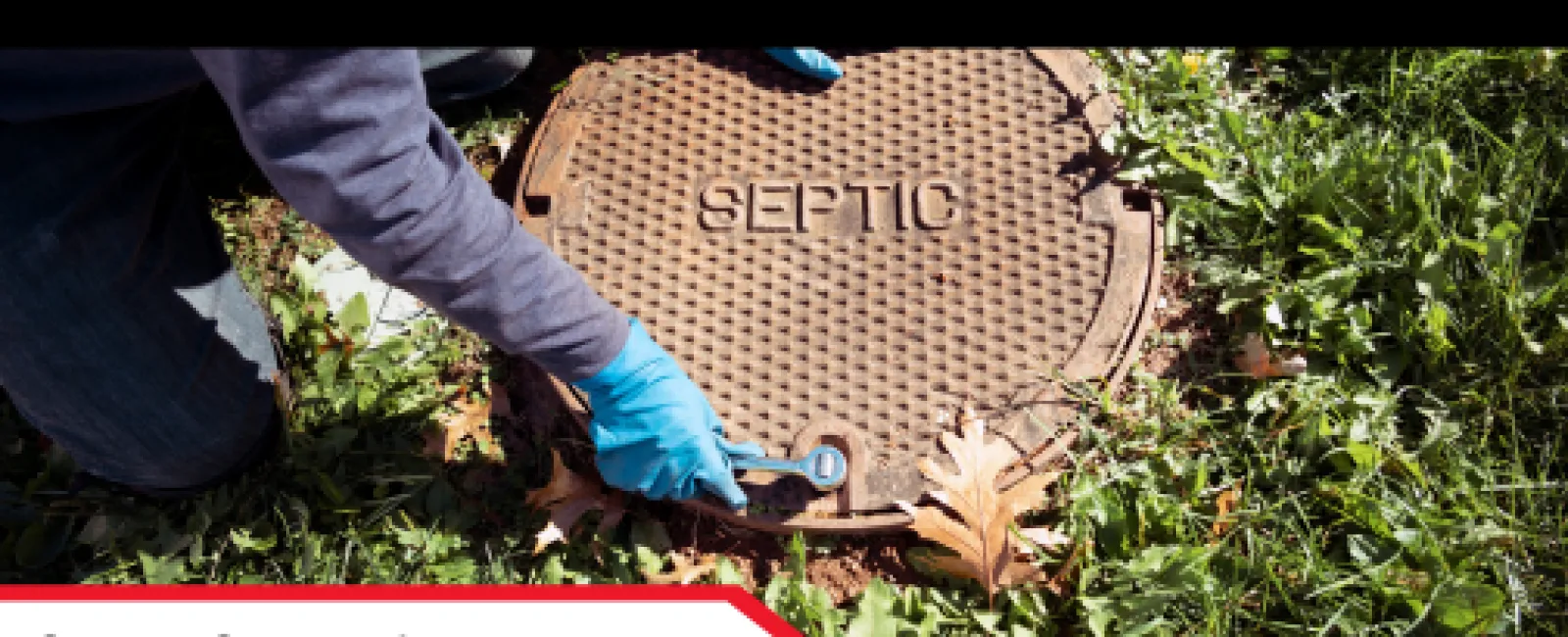
Homes with private septic systems are common throughout the Southeastern United States, especially in rural communities, suburban developments outside major metro areas, and properties with larger acreage. While septic systems are designed to provide long-term wastewater management, they also require proper installation, maintenance, and inspection to function effectively. For buyers and homeowners alike, understanding the condition of a septic system is one of the most important parts of evaluating a property. This is why professional septic system inspection in the Southeast services remain a critical component of the homebuying and ownership process.
Unlike properties connected to municipal sewer systems, homes with septic systems rely entirely on private wastewater infrastructure located on the property itself. Problems with a septic system can lead to costly repairs, drainage failures, property damage, environmental concerns, and even health risks if not identified early. A detailed inspection helps homeowners understand the condition of the system and identify signs of deterioration before they become major problems. At LunsPro Inspection Group, we proudly provide trusted Home Inspections in the Southeast, including evaluations tailored to homes with private wastewater systems and rural property conditions.
Across markets such as Atlanta, Greenville, Charlotte, Charleston, Raleigh, Athens, Savannah, Greensboro, and Jacksonville, many residential properties continue to utilize septic systems instead of public sewer connections. These systems are especially common during rural residential inspections, where larger lots and less centralized infrastructure make private wastewater management necessary. Through detailed inspections and related services such as sewer scope inspection, buyers gain a clearer understanding of how wastewater systems are functioning and whether additional evaluation or maintenance may be needed.
What Is a Septic System?
A Septic system is a private wastewater treatment system commonly used in homes that are not connected to municipal sewer infrastructure. These systems collect wastewater from the home and process it through underground components designed to separate solids and disperse treated water safely into the soil.
A typical septic system includes:
- A septic tank
- Distribution piping
- A drain field or leach field
- Soil absorption areas
Proper operation depends on both the condition of the system itself and the surrounding soil and drainage conditions.
Why Septic System Inspections Matter
A failing septic system can lead to significant repair expenses and long-term property concerns. Because many septic components are buried underground, problems may not be immediately visible during a standard walkthrough.
Professional septic system inspection in the Southeast services help identify:
- Drainage failures
- Tank deterioration
- Standing water near drain fields
- Plumbing backup concerns
- Signs of improper installation
- Excess moisture around wastewater lines
Inspections provide valuable information for buyers considering homes with private wastewater systems.
Septic Systems in Southeastern Properties
Septic systems are especially common throughout rural and suburban Southeastern communities where municipal sewer infrastructure may not be available.
Homes requiring rural residential inspections often include:
- Larger acreage properties
- Agricultural or rural homesites
- Properties outside city utility service areas
- Older residential developments
Because soil conditions and environmental factors vary widely across the Southeast, regional expertise is essential during inspections.
Home Inspections in Atlanta and Surrounding Areas
While many Atlanta-area homes connect to public sewer systems, septic systems remain common in surrounding suburban and rural communities.
During Home Inspections in Atlanta, inspectors commonly evaluate:
- Drainage patterns around the property
- Signs of wastewater backup
- Soil saturation near septic areas
- Plumbing performance inside the home
Expanding development throughout metro Atlanta has increased the importance of verifying whether older systems remain adequate for current occupancy demands.
Home Inspections in Greenville and Charlotte
Greenville and Charlotte continue to experience residential growth in suburban and semi-rural areas where septic systems remain widely used.
During Home Inspections in Greenville and Home Inspections in Charlotte, inspectors often identify concerns related to:
- Aging septic tanks
- Drain field oversaturation
- Improper grading and drainage
- Plumbing performance issues
Rapid development can place additional strain on older systems that may not have been designed for expanded usage.
Home Inspections in Charleston and Savannah
Coastal humidity and heavy rainfall create additional challenges for septic systems in Charleston and Savannah.
During Home Inspections in Charleston and Home Inspections in Savannah, inspectors evaluate:
- Drain field drainage performance
- Soil saturation conditions
- Standing water near septic components
- Moisture-related concerns
High water tables and frequent storms can affect how efficiently septic systems process wastewater.
Home Inspections in Raleigh and Greensboro
Raleigh and Greensboro include a mix of urban neighborhoods, suburban developments, and rural communities where septic systems remain common.
During Home Inspections in Raleigh and Home Inspections in Greensboro, inspectors often assess:
- Visible septic system indicators
- Plumbing drainage performance
- Grading around wastewater areas
- Potential moisture intrusion concerns
Changing soil conditions and seasonal rainfall patterns can affect long-term septic performance.
Home Inspections in Athens and Jacksonville
Properties in Athens and Jacksonville often include rural or suburban homes utilizing private wastewater systems.
During Home Inspections in Athens and Home Inspections in Jacksonville, inspectors evaluate:
- Surface drainage conditions
- Soil moisture levels
- Plumbing functionality
- Signs of wastewater seepage or backup
Jacksonville's elevated humidity and storm exposure can create additional moisture-related concerns around septic infrastructure.
The Importance of Sewer Scope Inspection
A sewer scope inspection is an important supplemental evaluation that allows inspectors to assess the interior condition of wastewater piping using specialized camera equipment.
Sewer scope inspections can help identify:
- Pipe blockages
- Root intrusion
- Pipe deterioration
- Cracks or separations
- Improper slope or installation
These inspections are especially valuable for older homes or properties with a history of drainage concerns.
Common Signs of Septic System Problems
Inspectors and homeowners should watch for visible indicators that may suggest septic system concerns.
Common warning signs include:
- Slow-draining sinks or tubs
- Gurgling plumbing fixtures
- Sewage odors around the property
- Standing water near the drain field
- Excessively green grass over septic areas
- Plumbing backups
Identifying these signs early can help prevent larger system failures.
Environmental Factors Affecting Septic Systems
Several environmental conditions throughout the Southeast can influence septic system performance.
Heavy Rainfall
Excess rainfall can saturate drain fields and reduce the soil's ability to absorb wastewater effectively.
High Humidity and Moisture
Elevated humidity levels contribute to excess soil moisture and may increase strain on wastewater systems.
Soil Conditions
Different soil types affect drainage performance and wastewater absorption rates.
Inspectors often evaluate:
- Soil saturation
- Drainage slope
- Surface runoff patterns
These conditions directly impact the long-term effectiveness of the septic system.
Why Rural Residential Inspections Matter
Homes located in rural or semi-rural areas often involve additional inspection considerations beyond standard residential evaluations.
Professional rural residential inspections may include:
- Septic system evaluations
- Well system observations
- Drainage and grading assessments
- Crawlspace moisture evaluations
- Sewer scope inspection services
These inspections help buyers better understand the infrastructure supporting the property.
Preventative Maintenance and Long-Term Performance
Routine maintenance plays an important role in extending the life of a septic system.
Homeowners should:
- Schedule regular septic pumping
- Avoid overloading the system with excessive water use
- Monitor drainage conditions around the property
- Address plumbing leaks promptly
- Keep heavy vehicles off drain field areas
Preventative maintenance helps reduce the likelihood of costly system failures.
Why Professional Inspections Matter
Professional inspections provide buyers and homeowners with objective information about the condition of the property and its wastewater systems.
Comprehensive inspections offer:
- Detailed reporting and documentation
- Identification of visible concerns
- Recommendations for further evaluation
- Improved maintenance planning
- Reduced financial risk
At LunsPro Inspection Group, our experience performing Home Inspections in the Southeast allows us to evaluate properties with septic systems while understanding the environmental conditions unique to Southeastern communities.
Homes with private septic systems remain common throughout the Southeastern United States, particularly in rural and expanding suburban communities surrounding Atlanta, Greenville, Charlotte, Charleston, Raleigh, Athens, Savannah, Greensboro, and Jacksonville. While these systems provide effective wastewater management when properly maintained, they also require careful evaluation during the homebuying process. This is why professional septic system inspection in the Southeast services are essential for protecting both property value and long-term functionality.
From drain field performance and plumbing functionality to moisture management and underground wastewater piping, every component of a septic system contributes to the overall safety and reliability of the property. Supplemental services such as sewer scope inspection provide additional insight into hidden conditions that may otherwise go undetected during a standard walkthrough.
At LunsPro Inspection Group, we proudly provide trusted Home Inspections in the Southeast, including evaluations tailored to homes with private wastewater systems and comprehensive rural residential inspections. Whether scheduling Home Inspections in Atlanta, Home Inspections in Greenville, Home Inspections in Charlotte, Home Inspections in Charleston, Home Inspections in Raleigh, Home Inspections in Athens, Home Inspections in Savannah, Home Inspections in Greensboro, or Home Inspections in Jacksonville, our team delivers the expertise, professionalism, and detailed reporting needed to support confident homeownership decisions throughout the Southeast.