
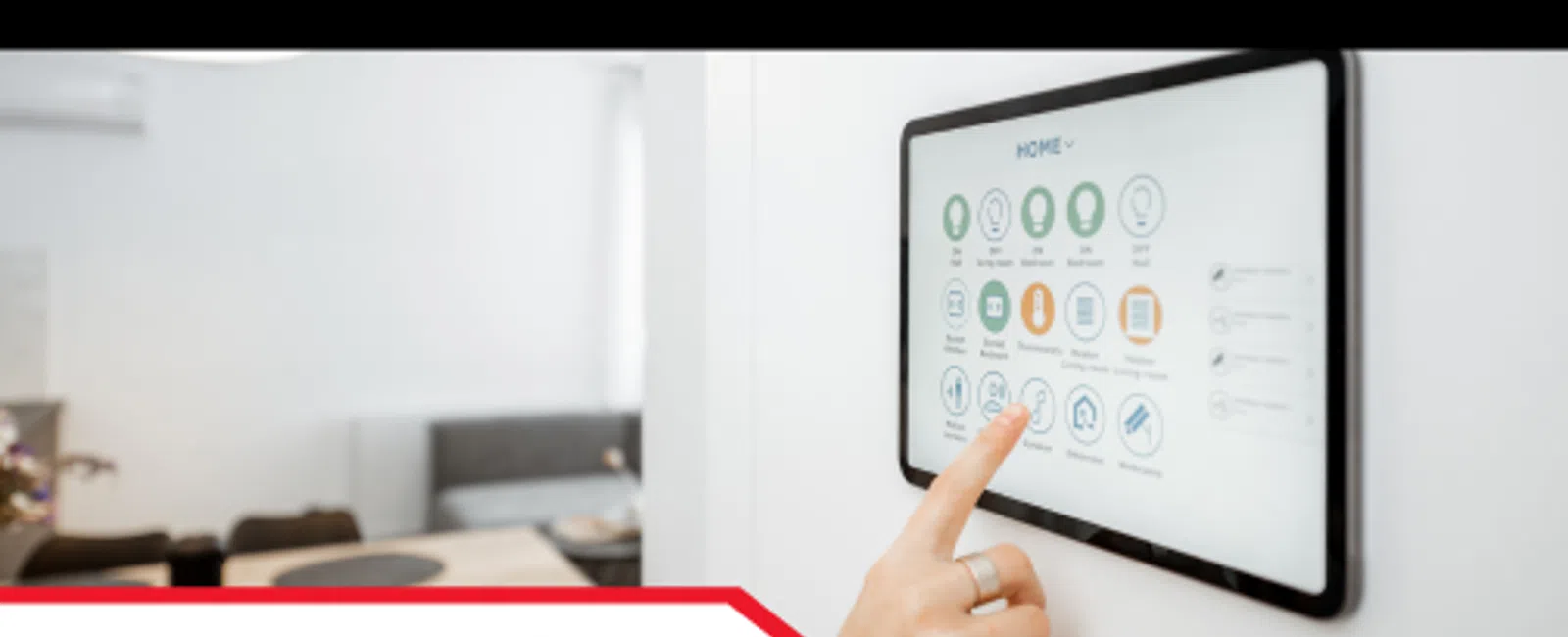
Smart home technology has rapidly evolved from a luxury feature into a common component of residential and commercial properties. From connected thermostats and automated lighting systems to smart security devices and leak detection systems, today's buildings are becoming increasingly interconnected. Homeowners, investors, developers, property managers, and commercial real estate professionals are embracing these technologies to improve efficiency, convenience, security, and operational control.
As smart technology adoption continues to grow throughout the Southeast, inspections are evolving as well. Buyers and property owners increasingly want to understand not only the physical condition of a property but also how integrated technologies may impact functionality, maintenance requirements, security risks, and long-term ownership costs. Whether evaluating a luxury residence, a mixed-use development, an office building, or a commercial facility, inspectors must understand how smart systems interact with traditional building components.
At LunsPro Inspection Group, Southeast Inspections frequently involve properties equipped with advanced technologies. While smart devices can provide valuable information and convenience, they also introduce new considerations during Property Condition Assessments, Building Condition Assessments, and comprehensive inspections. Understanding what inspectors evaluate when encountering smart technology can help buyers, sellers, and investors make more informed decisions.
The Rise of Smart Buildings in the Southeast
Smart technology is becoming increasingly common across residential and commercial real estate markets throughout Atlanta, Charlotte, Raleigh, and Savannah. New construction projects often include integrated systems as standard features, while existing properties are frequently upgraded with connected devices to improve efficiency and marketability.
Industry guidance found in Smart Home highlights how smart home ecosystems continue to expand, connecting everything from HVAC systems and lighting controls to security cameras and appliances. This trend is relevant to inspections because every connected device introduces additional systems that may affect how a property operates and how future owners interact with building components.
Modern smart buildings may include:
- Smart thermostats
- Automated lighting systems
- Smart electrical panels
- Leak detection systems
- Connected security cameras
- Smart locks
- Occupancy sensors
- Voice-controlled automation
- Energy monitoring systems
- Integrated building management platforms
While these technologies offer benefits, inspectors must evaluate whether they are functioning properly and determine how they affect the overall property.
Smart Thermostats and HVAC System Evaluations
Heating and cooling systems remain among the most important components of any building. Smart thermostats have become increasingly popular because they allow property owners to control HVAC systems remotely while improving energy efficiency.
Guidance discussed in Smart Thermostats explains how these devices can help optimize heating and cooling performance by learning occupancy patterns and adjusting temperatures automatically. For inspectors, this information is valuable because it highlights how technology is changing HVAC management and energy consumption.
During inspections, professionals typically evaluate:
- Thermostat operation
- HVAC responsiveness
- Temperature consistency
- System communication
- Equipment condition
- Installation quality
While inspectors can verify that a thermostat appears to function properly, they generally do not test every programming feature, automation routine, or user-specific setting. Instead, the focus remains on evaluating the performance of the HVAC system itself.
Smart Electrical Systems and Energy Monitoring
Many modern properties now include smart electrical panels and energy monitoring devices. These systems allow owners to track energy consumption, identify inefficiencies, and manage electrical loads more effectively.
Inspectors evaluate traditional electrical components such as:
- Service panels
- Circuit breakers
- Wiring
- Receptacles
- Grounding systems
When smart electrical technologies are present, inspectors may also observe whether devices appear properly installed and functioning as intended. However, inspections generally do not involve comprehensive testing of proprietary software platforms or user-configured automation systems.
This distinction is important because buyers sometimes assume that a home inspection includes full testing of every smart feature. In reality, inspections focus primarily on the property's physical systems and visible operational performance.
Smart Security Systems and Access Controls
Security technology continues to evolve rapidly. Properties throughout Atlanta, Charlotte, Raleigh, and Savannah increasingly feature:
- Smart locks
- Video doorbells
- Connected surveillance cameras
- Motion sensors
- Remote monitoring systems
- Access control platforms
Industry information presented in Smart Home Devices discusses how connected devices have become central components of many modern homes and commercial properties. This trend is particularly relevant because security technologies are often integrated into broader building automation systems.
Inspectors may observe visible security components and note their presence during inspections. However, testing user accounts, mobile applications, cloud-based services, subscription platforms, and security monitoring contracts generally falls outside the scope of a standard inspection.
Buyers should always verify transferability, account ownership, and service agreements directly with sellers before closing.
Connected Leak Detection and Water Management Systems
Water damage remains one of the most common and costly issues affecting residential and commercial properties. As a result, smart leak detection systems have become increasingly popular.
These systems may monitor:
- Water usage
- Pipe leaks
- Appliance failures
- Moisture levels
- Flood risks
When functioning properly, smart leak detection devices can help reduce damage by alerting property owners to potential issues before major losses occur.
Inspectors continue to evaluate traditional plumbing components, including visible supply lines, drains, fixtures, and water heaters. Smart devices may provide additional information, but they do not replace the need for thorough plumbing evaluations.
For commercial properties, leak detection systems may also be integrated into larger Building Condition Assessments to help identify risk factors that could affect operations and maintenance planning.
Internet of Things (IoT) Security Considerations
As buildings become more connected, cybersecurity concerns become increasingly important.
Guidance discussed in Internet of Things (IoT) Security Guidance emphasizes the importance of securing connected devices against unauthorized access and cyber threats. This resource is relevant because many smart devices communicate through wireless networks and cloud-based platforms, creating potential vulnerabilities if not properly configured.
Inspectors do not perform cybersecurity audits during standard property inspections. However, awareness of connected devices can help buyers and owners understand potential security considerations that may require further evaluation by technology professionals.
For commercial buildings, cybersecurity risks may affect operational continuity, tenant services, and business operations. As smart technologies become more integrated into building systems, coordination between inspection professionals and technology specialists becomes increasingly important.
Smart Homes and New Construction Trends
Many new construction projects throughout the Southeast now include smart technologies as standard features.
Industry insights presented in Smart Home Buyer's Guide explain how connected technologies are becoming increasingly common in modern homes and commercial properties. This information is particularly relevant because buyers often encounter unfamiliar systems during inspections and may not fully understand their capabilities or limitations.
For new construction inspections, professionals may encounter:
- Smart thermostats
- Automated lighting
- Structured wiring systems
- Smart security devices
- Connected appliances
- Integrated entertainment systems
While these features can add convenience and value, inspectors remain focused on evaluating construction quality, installation practices, and the performance of core building systems.
Property Condition Assessments and Smart Technology
As smart technologies become more widespread, they are increasingly influencing Property Condition Assessments and Building Condition Assessments.
Commercial investors often want to understand:
- Technology infrastructure
- System compatibility
- Upgrade requirements
- Future maintenance costs
- Equipment life expectancy
While smart technologies may improve operational efficiency, they also introduce ongoing maintenance considerations and replacement costs.
For investors conducting Atlanta Home Inspections, Charlotte Home Inspections, Raleigh Home Inspections, and Savannah Home Inspections, understanding both traditional building systems and integrated technologies is becoming increasingly important when evaluating long-term asset performance.
What Inspectors Do Not Evaluate
One of the most common misconceptions regarding smart technology inspections is the belief that inspectors test every software platform, mobile application, and automation routine.
In reality, inspectors generally do not:
- Verify user accounts
- Test cloud services
- Evaluate cybersecurity protections
- Review subscription services
- Confirm app functionality
- Program automation settings
Instead, inspections focus on observable conditions, installation quality, visible deficiencies, and the operation of primary building systems.
This approach helps maintain consistent inspection standards while ensuring evaluations remain focused on factors that materially affect property condition and performance.
The Future of Smart Building Inspections
Smart technology will continue to reshape both residential and commercial real estate. Artificial intelligence, predictive maintenance systems, energy monitoring platforms, and building automation technologies will become increasingly common throughout the Southeast.
However, technology does not eliminate the need for professional inspections. Smart devices provide data, but experienced inspectors provide context. Understanding how systems interact, identifying deficiencies, evaluating risks, and helping clients make informed decisions remain essential functions that technology alone cannot replace.
As buildings become more sophisticated, inspections become even more valuable. Property owners, investors, and buyers benefit from working with professionals who understand both traditional building systems and emerging technologies.
Smart home and smart building technologies are transforming the way properties are operated, monitored, and maintained. Connected devices provide convenience, energy efficiency, enhanced security, and valuable operational insights that can improve the ownership experience. From smart thermostats and leak detection systems to integrated security platforms and building automation technologies, these systems are becoming standard features throughout the Southeast.
At the same time, smart technology introduces new considerations that buyers, investors, and property owners should understand. While connected devices can provide useful information, they do not replace the need for comprehensive inspections. Traditional building systems, structural components, moisture risks, electrical infrastructure, and HVAC performance remain critical factors that affect property value and long-term ownership costs.
At LunsPro Inspection Group, Southeast Inspections combine practical experience, detailed evaluations, Property Condition Assessments, Building Condition Assessments, and professional insight to help clients understand both the physical condition of a property and the technologies that support it. As smart buildings continue to evolve, informed inspections will remain one of the most valuable tools for protecting investments and making confident real estate decisions.