
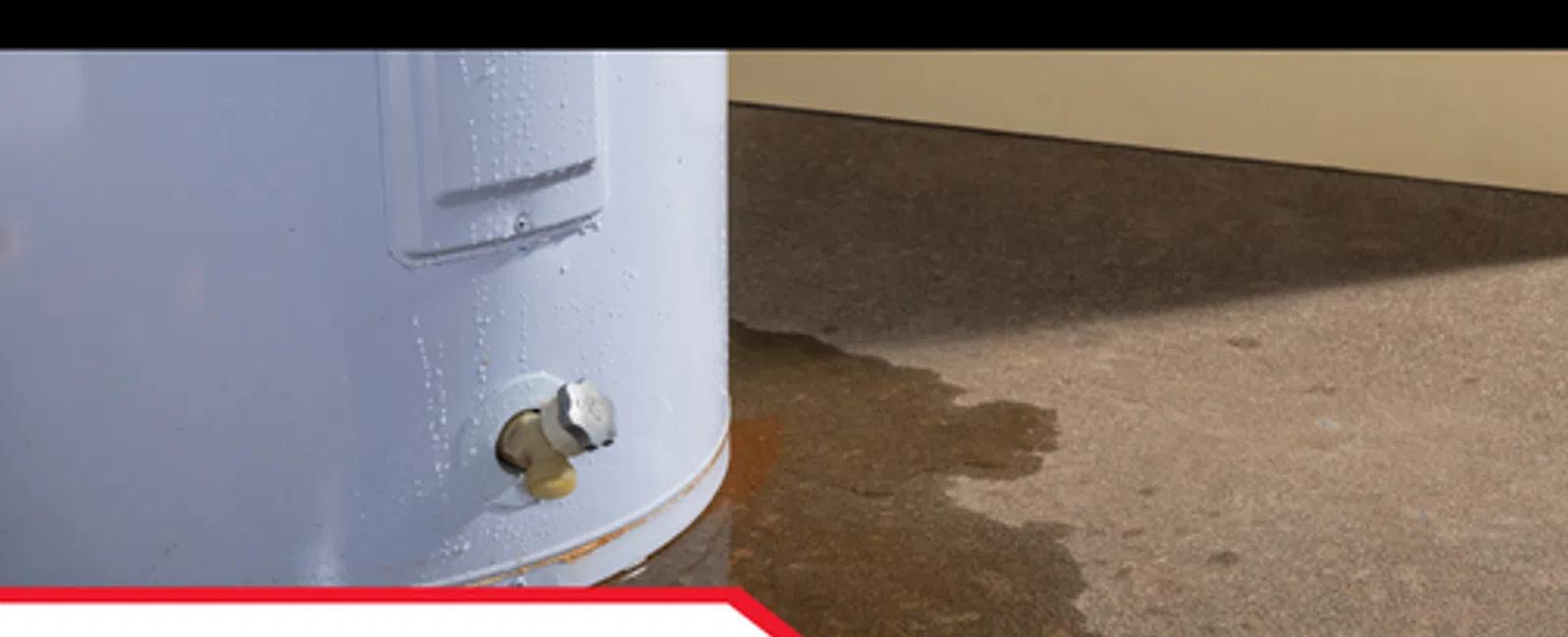
A water heater may not be the most visually prominent system in a home, but it plays an essential role in daily comfort, plumbing performance, energy use, and household safety. During a professional water heater inspection, a home inspector evaluates accessible components for visible conditions that may indicate leakage, deterioration, improper installation, venting concerns, damaged safety components, or the need for additional professional evaluation. For homebuyers, understanding these observations before closing can make future maintenance and replacement planning much more predictable.
Water heaters also deserve careful attention because failure can affect more than the appliance itself. A leaking storage tank can damage flooring, drywall, framing, insulation, cabinets, or nearby mechanical and electrical components. A fuel-fired unit with damaged or improperly configured venting may create combustion-related concerns. Corrosion around plumbing connections can indicate deterioration that may eventually require repair. These are some of the water heater problems that a professional inspection can identify when the relevant components are visible and accessible.
Age provides useful context, but it should never be the only factor used to judge the condition of a water heater. Two units of similar age may have very different maintenance histories, installation conditions, water quality exposure, and levels of use. A newer unit may also have installation defects that deserve correction. Buyers should therefore consider age together with visible condition, operation, plumbing connections, venting, safety components, capacity, and maintenance history.
LunsPro Inspection Group provides Residential Home Inspections, Pre-Purchase Home Inspections, and other Southeast Home Inspections for buyers and homeowners across Georgia, North Carolina, South Carolina, Tennessee, and Florida. As part of that broader evaluation, Certified Home Inspectors can help clients understand observable water-heating conditions while recognizing when a plumber, HVAC contractor, gas professional, or other specialist should provide additional assessment.
What a Home Inspector Typically Observes
A standard home inspection generally includes a visual evaluation of accessible water-heating equipment and associated components. The exact inspection depends on the type of water heater, its location, accessibility, fuel source, and conditions present at the time.
Common observations may include:
- Water heater type
- Approximate age when determinable
- Tank or cabinet condition
- Visible corrosion
- Plumbing connections
- Evidence of active leakage
- Previous water staining
- Temperature and pressure relief components
- Discharge piping
- Drain pans where present
- Visible venting on fuel-fired units
- Accessible fuel or electrical connections
- General installation condition
- Accessibility
- Normal operating observations where appropriate
A general water heater inspection is not the same as disassembling the unit, testing internal components, performing combustion analysis, or evaluating every applicable plumbing, mechanical, gas, or electrical code provision.
The purpose is to identify visible conditions and explain when additional evaluation or repair may be appropriate.
Water Heater Type Matters
Residential water heaters are available in several configurations, and each has different maintenance and performance considerations.
Common types include:
- Conventional storage tank water heaters
- Tankless water heaters
- Heat pump water heaters
- Gas-fired storage units
- Electric storage units
- Solar-assisted systems
Guidance from the U.S. Department of Energy - Water Heating provides useful information about residential water heating, energy use, and common water-heating technologies, helping homebuyers understand why water heater type, condition, efficiency, and expected replacement needs can be relevant when evaluating a home.
Energy considerations matter because water heating represents an ongoing household operating expense, but efficiency should be considered alongside actual physical condition. A highly efficient unit still requires appropriate installation, plumbing connections, drainage, and maintenance.
Why Age Is Only One Part of the Evaluation
Buyers frequently ask how many years a water heater has left.
There is no reliable way for a standard home inspection to answer that precisely.
Actual longevity can be influenced by:
- Equipment type
- Installation quality
- Water chemistry
- Maintenance
- Household usage
- Sediment accumulation
- Environmental exposure
- Manufacturing quality
- Plumbing conditions
An older unit that has been properly maintained may continue operating normally, while a younger unit can develop leakage or component failure earlier than expected.
Age should therefore be viewed primarily as a budgeting tool. If a unit is older, buyers may reasonably prepare for replacement sooner than they would with recently installed equipment, but the inspector should not assign an exact remaining service life based on age alone.
Corrosion and Rust Can Provide Important Clues
Visible corrosion is one of the most common conditions noted during water heater inspections.
It may appear around:
- Tank seams
- Plumbing connections
- Valves
- Fittings
- Vent components
- Drain fittings
- Exterior cabinet surfaces
Minor exterior surface corrosion does not automatically mean the water heater is failing. However, corrosion combined with moisture, staining, or active leakage may indicate deterioration requiring closer attention.
Buyers should pay particular attention when corrosion appears at plumbing fittings or around the base of a storage tank.
Rust or mineral deposits can sometimes indicate that water has been leaking slowly over time.
Active Leaks Should Not Be Ignored
Active leakage is among the clearest signs that further evaluation or repair is warranted.
Water may originate from:
- Tank deterioration
- Plumbing connections
- Shutoff valves
- Relief components
- Drain fittings
- Nearby plumbing
- Condensation
A home inspector may observe where moisture is visible but cannot always determine the exact internal cause without specialized testing.
Small leaks deserve attention because they can damage surrounding materials over time.
Potentially affected areas include:
- Flooring
- Subflooring
- Drywall
- Framing
- Cabinets
- Insulation
- Electrical equipment
If a water heater is installed in an attic, interior closet, or finished area, even a relatively modest leak can produce significant property damage.
Water Supply Connections Matter
The water heater is connected to the broader plumbing distribution system, so accessible piping deserves inspection as well.
Visible conditions may include:
- Corrosion
- Leakage
- Poorly supported piping
- Deteriorated fittings
- Improper connections
- Mineral deposits
- Previous repairs
Some homes contain plumbing connections installed at different times because of renovations or prior equipment replacement.
A newer water heater does not necessarily mean all connecting plumbing is equally new.
Buyers should consider the visible condition of the entire accessible installation rather than focusing solely on the appliance cabinet.
Understanding the Temperature and Pressure Relief Valve
Storage-type water heaters typically incorporate a temperature and pressure relief valve, commonly called a T&P valve. This safety device is intended to relieve excessive temperature or pressure conditions within the tank.
Inspectors evaluate visible aspects of the relief valve and associated discharge piping where accessible.
Important observations may include:
- Missing discharge piping
- Damaged piping
- Improperly routed piping
- Questionable terminations
- Visible leakage
- Corrosion
Homeowners and buyers should not manipulate or test pressure-relief components themselves simply because they are evaluating a property. Safety devices may discharge very hot water, and improper handling can create hazards.
If the inspector identifies a questionable installation or signs that the relief system may not be functioning appropriately, further evaluation by a qualified professional is the safer next step.
Why Discharge Piping Matters
The discharge pipe associated with the relief valve helps direct potentially hot water or steam away from the valve outlet.
Visible concerns involving discharge piping can be important because improper installation may affect how safely the relief system functions.
Inspectors may note conditions such as:
- Missing piping
- Damaged piping
- Improper pipe size
- Questionable routing
- Inappropriate termination
- Corrosion
- Leakage
A home inspection does not replace formal plumbing-code evaluation, but questionable relief-valve discharge arrangements deserve attention because the component performs a safety function.
Fuel-Fired Water Heaters Require Proper Venting
Gas-fired and other fuel-burning water heaters produce combustion gases that must be properly vented.
Accessible venting components may include:
- Draft hoods
- Vent connectors
- Flue piping
- Chimney connections
- Exterior vent terminals
Visible concerns can include:
- Disconnected venting
- Loose joints
- Corrosion
- Damaged materials
- Poor configuration
- Improper slope
- Deteriorated connections
Combustion appliances require appropriate venting because combustion byproducts need to be carried safely away from occupied areas.
A standard home inspection may identify visible concerns, but detailed combustion analysis, gas-system evaluation, draft testing, or internal appliance diagnostics should be performed by qualified professionals when necessary.
Carbon Monoxide Safety Deserves Serious Attention
Carbon monoxide is particularly important when fuel-burning water heaters are present.
Safety information from the U.S. Consumer Product Safety Commission - Carbon Monoxide Information Center explains the risks associated with carbon monoxide from fuel-burning appliances, reinforcing why visible venting and combustion-related concerns involving fuel-fired water heaters should be taken seriously and referred for appropriate professional evaluation when necessary. CPSC describes carbon monoxide as a colorless, odorless poisonous gas and recommends working CO alarms in homes.
Water heaters are not the only possible household source of carbon monoxide, but improperly functioning or improperly vented fuel-burning appliances can create serious hazards.
If a home inspection identifies questionable combustion venting, soot, deterioration, or other concerning conditions, qualified professional evaluation should occur rather than relying on visual inspection alone.
Drain Pans Can Limit Damage, but They Do Not Stop Leaks
Water heaters located above finished spaces or in areas vulnerable to water damage may have drain pans beneath them.
A drain pan can help collect limited leakage and direct it toward an appropriate discharge location when correctly installed.
Inspectors may observe:
- Missing pans where one may be expected
- Corroded pans
- Improperly connected drains
- Damaged pans
- Evidence of previous overflow
A pan is not a substitute for repairing a leaking water heater.
If water is accumulating in the pan, the source should be investigated.
Location and Accessibility Matter
Water heaters may be located in:
- Garages
- Attics
- Basements
- Crawlspaces
- Utility closets
- Exterior enclosures
Each location creates different inspection and maintenance considerations.
A unit installed in an attic can create a greater potential for interior water damage if leakage occurs. Garage installations may involve physical-protection or combustion considerations depending on equipment type and configuration. Exterior locations may expose equipment to weather and corrosion.
Home inspectors also evaluate whether equipment appears reasonably accessible for observation and servicing.
Restricted access may limit what can be inspected.
Clearance and Surrounding Conditions
Water heaters need adequate space for servicing and safe operation appropriate to their design.
Inspectors may note:
- Stored belongings restricting access
- Combustible materials near fuel-fired equipment
- Damaged surrounding finishes
- Moisture
- Poor ventilation around certain equipment
- Improvised enclosures
Exact clearance requirements vary by equipment and installation.
When questions exist, manufacturer requirements or qualified professional evaluation may be necessary.
Water Heater Capacity Affects Buyer Expectations
The physical condition of a water heater is only part of what buyers should consider.
Capacity also matters.
A storage tank sized for a small household may not meet the needs of a larger family. A tankless system may have different flow and fuel requirements. A heat pump water heater may have space, airflow, condensate, and operating characteristics different from conventional resistance-electric equipment.
Resources from the U.S. Department of Energy - Selecting a New Water Heater discuss factors such as fuel type, size, energy efficiency, and cost when choosing water-heating equipment, providing useful context for homebuyers who may need to plan for replacement of an aging or deteriorated unit.
If replacement appears likely after purchasing the home, buyers should consider more than simply installing a unit identical to the existing one.
Efficiency Is Part of the Long-Term Cost
Water heater efficiency affects operating expenses over time.
ENERGY STAR maintains certification criteria and product information for several water-heating technologies, including heat pump and high-efficiency gas models.
For buyers, efficiency may become relevant when deciding whether to repair an aging unit or replace it with different equipment.
However, efficiency ratings do not establish physical condition.
An energy-efficient water heater can still have installation defects, leakage, venting concerns, or deferred maintenance.
Inspection condition and efficiency should therefore be treated as related but separate considerations.
Heat Pump Water Heaters Have Different Inspection Considerations
Heat pump water heaters use refrigeration technology to move heat into stored water rather than relying only on conventional electric resistance heating.
They can offer significantly different efficiency characteristics from standard electric storage units, and ENERGY STAR provides dedicated information for these systems.
Visible inspection considerations may include:
- Installation location
- Airflow around the unit
- Condensate drainage
- Plumbing connections
- Equipment condition
- Available space
Because these systems contain heat-pump components, specialized service may require technicians familiar with both water heating and refrigeration equipment.
Tankless Water Heaters Require Their Own Evaluation
Tankless units heat water on demand rather than maintaining a large storage tank.
Visible conditions may include:
- Plumbing connections
- Fuel or electrical supply
- Venting on fuel-fired units
- Exterior cabinet condition
- Leakage
- Service access
Tankless equipment may still require periodic maintenance depending on water quality and manufacturer recommendations.
As with storage systems, age alone does not determine condition.
New Construction Does Not Eliminate Water Heater Concerns
New Construction Inspections can identify water heater installation issues even when equipment has never been used extensively.
Possible observations may include:
- Improperly configured discharge piping
- Loose plumbing connections
- Venting defects
- Missing drain components
- Accessibility concerns
- Installation damage
A new water heater is less likely to have age-related deterioration, but installation quality remains important.
This reinforces the broader principle that newer equipment is not automatically defect-free.
Pre-Listing Inspections Can Help Sellers Prepare
Water heater concerns can also become important for sellers.
During Pre-Listing Inspections, visible corrosion, leaking connections, questionable venting, or aging equipment can be identified before a buyer's inspection.
Sellers then have an opportunity to:
- Obtain professional evaluation
- Complete repairs
- Gather service records
- Replace equipment if appropriate
- Provide clearer documentation
This can reduce surprises once the property is under contract.
Infrared Inspections May Help With Related Moisture Concerns
Infrared Inspections may sometimes help identify thermal anomalies near a water heater or associated plumbing when leakage or moisture is suspected.
Thermal imaging cannot see through walls or determine the exact source of every anomaly.
Temperature differences can result from:
- Moisture
- Plumbing temperatures
- Insulation differences
- HVAC effects
- Environmental conditions
Infrared observations should therefore be interpreted with visual findings and appropriate moisture measurements rather than treated as a standalone diagnosis.
Mold Testing May Be Relevant After Long-Term Leakage
A long-term water heater or plumbing leak can create damp building materials.
When visible suspect microbial growth, musty odors, or a history of significant moisture is present, Mold Testing may be appropriate depending on the circumstances.
The priority should always include identifying and correcting the moisture source.
Testing alone does not repair a leak or dry damaged materials.
Likewise, Indoor Air Quality Testing may be considered when broader environmental concerns are present, but it should be selected because conditions justify it rather than added routinely to every water heater evaluation.
What Buyers May See in an Inspection Report
Water heater observations that may appear in a report include:
- Advanced corrosion
- Active leakage
- Water staining
- Deteriorated plumbing connections
- Missing or questionable relief discharge piping
- Damaged venting
- Loose vent connections
- Missing drain pan
- Corroded drain pan
- Restricted access
- Aging equipment
- Evidence of deferred maintenance
The recommendation may vary based on the condition.
Some issues may require repair.
Others may justify servicing, monitoring, or more detailed evaluation by a qualified professional.
An older but currently functional unit may simply require future replacement planning.
Homebuyers Should Review Maintenance History
Buyers should ask for available documentation when possible.
Useful records may include:
- Original installation information
- Replacement date
- Plumber invoices
- Maintenance records
- Warranty information
- Previous leak repairs
- Venting repairs
Maintenance history does not guarantee future performance, but it provides useful context.
A water heater with clear documentation of installation and service can be easier to understand than equipment with an unknown history.
Southeast Climate and Installation Conditions
Water heaters across the Southeast can experience different environmental conditions depending on where they are installed.
High humidity may contribute to corrosion in garages, crawlspaces, exterior utility areas, or other non-conditioned locations.
Coastal environments may increase corrosion concerns for exposed metal components.
Homes in colder portions of the region may also face occasional freezing conditions affecting plumbing located in vulnerable areas.
These regional factors make location and installation environment important parts of evaluating overall condition.
Georgia Home Inspections
Georgia Home Inspections may involve water heaters installed in garages, basements, crawlspace-related utility areas, attics, or interior closets.
During Atlanta Home Inspections, properties may range from older homes with aging equipment to newly constructed homes where installation details deserve review.
Athens Home Inspections often involve a mixture of older residences, renovated properties, and newer development.
During Savannah Home Inspections, humidity and coastal environmental conditions can make corrosion and moisture observations particularly relevant.
North Carolina Home Inspections
North Carolina Home Inspections include properties with a wide variety of water-heating configurations.
During Charlotte Home Inspections, inspectors may encounter both older storage systems and newer high-efficiency equipment.
Raleigh Home Inspections frequently involve rapidly developing neighborhoods where installation quality remains important even on newer units.
Greensboro Home Inspections may include older properties where replacement history and visible plumbing condition provide useful context.
South Carolina and Tennessee Home Inspections
For South Carolina Home Inspections, environmental humidity can influence exposed equipment and surrounding building materials.
During Greenville Home Inspections, buyers may encounter water heaters located in garages, crawlspace-adjacent areas, basements, or utility spaces.
Tennessee Home Inspections, including Chattanooga Home Inspections and Nashville Home Inspections, may involve both gas and electric equipment, making the appropriate evaluation dependent on the home's specific installation.
Florida Home Inspections
Florida Home Inspections deserve particular attention to humidity, corrosion, installation location, and leak protection.
During Jacksonville Home Inspections, equipment may be located in garages, interior closets, attics, or exterior utility areas depending on the property.
Warm, humid conditions can increase the importance of monitoring visible corrosion and surrounding moisture.
A Home Inspection Is Not Specialized Appliance Diagnostics
A professional home inspection provides a valuable visual evaluation, but buyers should understand its limitations.
A standard water heater inspection does not replace:
- Plumbing diagnostics
- Gas leak testing
- Combustion analysis
- HVAC diagnostics
- Internal tank evaluation
- Electrical testing beyond the inspection scope
- Formal code-compliance evaluation
If concerns involve combustion, gas supply, venting, damaged electrical components, active leakage, or questionable installation, additional evaluation by an appropriately qualified professional may be recommended.
This distinction allows homebuyers to use the inspection as a practical screening tool without assuming that every concealed component has been tested.
What Water Heater Condition Means for Homebuyers
A professional water heater inspection can provide valuable information about an appliance that directly affects daily comfort, plumbing performance, energy costs, and household safety. Age is helpful for planning, but buyers should also pay attention to visible corrosion, leaks, plumbing connections, relief components, venting, drain pans, installation conditions, capacity, and maintenance history. These observations create a much clearer picture than the manufacturing date alone.
Potential water heater problems should also be viewed according to their context. Surface corrosion may require monitoring, while active leakage may require prompt repair or replacement. A questionable relief-valve discharge arrangement deserves professional attention because it involves a safety component. Damaged venting on a fuel-fired water heater may justify further combustion and venting evaluation because safe handling of combustion gases is critical. None of these observations should encourage homeowners to disassemble or manipulate potentially hazardous equipment themselves.
LunsPro Inspection Group provides Southeast Home Inspections, including Georgia Home Inspections, North Carolina Home Inspections, South Carolina Home Inspections, Tennessee Home Inspections, and Florida Home Inspections, along with Atlanta Home Inspections, Athens Home Inspections, Savannah Home Inspections, Charlotte Home Inspections, Raleigh Home Inspections, Greensboro Home Inspections, Greenville Home Inspections, Chattanooga Home Inspections, Nashville Home Inspections, and Jacksonville Home Inspections.
Through professional Residential Home Inspections, Pre-Purchase Home Inspections, New Construction Inspections, Pre-Listing Inspections, and related services when genuinely appropriate, LunsPro Inspection Group helps buyers understand the visible condition of major home systems before making important real estate decisions. A careful evaluation of water heater condition and safety cannot predict exactly when equipment will fail, but it can give buyers the information they need to plan maintenance, investigate significant concerns, and approach future replacement costs with more realistic expectations.