Understanding what is included in residential and commercial inspections is essential for homeowners, buyers, sellers, investors, and business owners across the Southeast. Whether you are purchasing a single-family home, managing a retail property, or preparing a building for sale, inspections provide a structured, professional evaluation of a property's condition. These assessments help identify safety issues, deferred maintenance, and system deficiencies that could impact value, insurability, or long-term performance.
For Southeastern homeowners and property stakeholders, inspections carry additional importance due to regional factors such as high humidity, heavy rainfall, expansive clay soils, termite activity, and seasonal weather extremes. LunsPro Inspection Group approaches inspections with these local conditions in mind, delivering thorough evaluations tailored to the realities of properties in the region. While residential and commercial inspections share some common elements, the scope, complexity, and reporting standards differ significantly depending on property type and intended use.
The Purpose of Residential and Commercial Inspections
At their core, residential and commercial inspections are designed to provide an objective overview of a property's visible and accessible systems. These inspections are non-invasive and focus on identifying material defects, safety concerns, and functional issues present at the time of the evaluation. For homeowners, this knowledge supports informed decision-making during a purchase or helps prioritize maintenance for an existing residence. For commercial clients, inspections often play a critical role in due diligence, lease negotiations, capital planning, and risk management.
In the Southeast, inspections also help property owners prepare for environmental stresses common to the region. Moisture intrusion, wood-destroying organisms, HVAC performance under extreme heat, and stormwater management are all frequent areas of concern. Professional inspection services provide clarity by documenting conditions in a structured report, often with photographs and recommendations for further evaluation where needed.
What Is Included in a Residential Inspection?
Residential inspections focus on properties intended for living purposes, such as single-family homes, townhomes, condominiums, and small multi-family residences. While the exact scope may vary slightly by state or association standards, most residential inspections conducted by LunsPro Inspection Group follow comprehensive, industry-accepted guidelines.
Structural Components
The inspection begins with an evaluation of the home's structural integrity. Inspectors examine the foundation, crawlspace or basement, floor framing, walls, ceilings, and roof structure where accessible. In Southeastern homes, particular attention is paid to foundation movement, moisture intrusion in crawlspaces, and signs of settlement related to soil conditions. Cracks, sagging components, or improper construction practices are documented for client awareness.
Exterior Systems
The exterior of the home is a critical barrier against weather and moisture. Inspectors assess siding, trim, windows, doors, decks, porches, balconies, and grading around the foundation. Proper drainage is especially important in the Southeast, where heavy rains can quickly lead to water damage. Roof coverings, flashing, gutters, and downspouts are evaluated to ensure they effectively channel water away from the structure.
Roofing System
The roofing system is examined for material condition, installation quality, visible damage, and signs of leaks. Inspectors note the type of roofing material, approximate age, and remaining service life where possible. In Home Inspections in the Southeast,, roofs are often subject to intense sun exposure, storms, and wind, making this portion of the inspection particularly important.
Electrical System
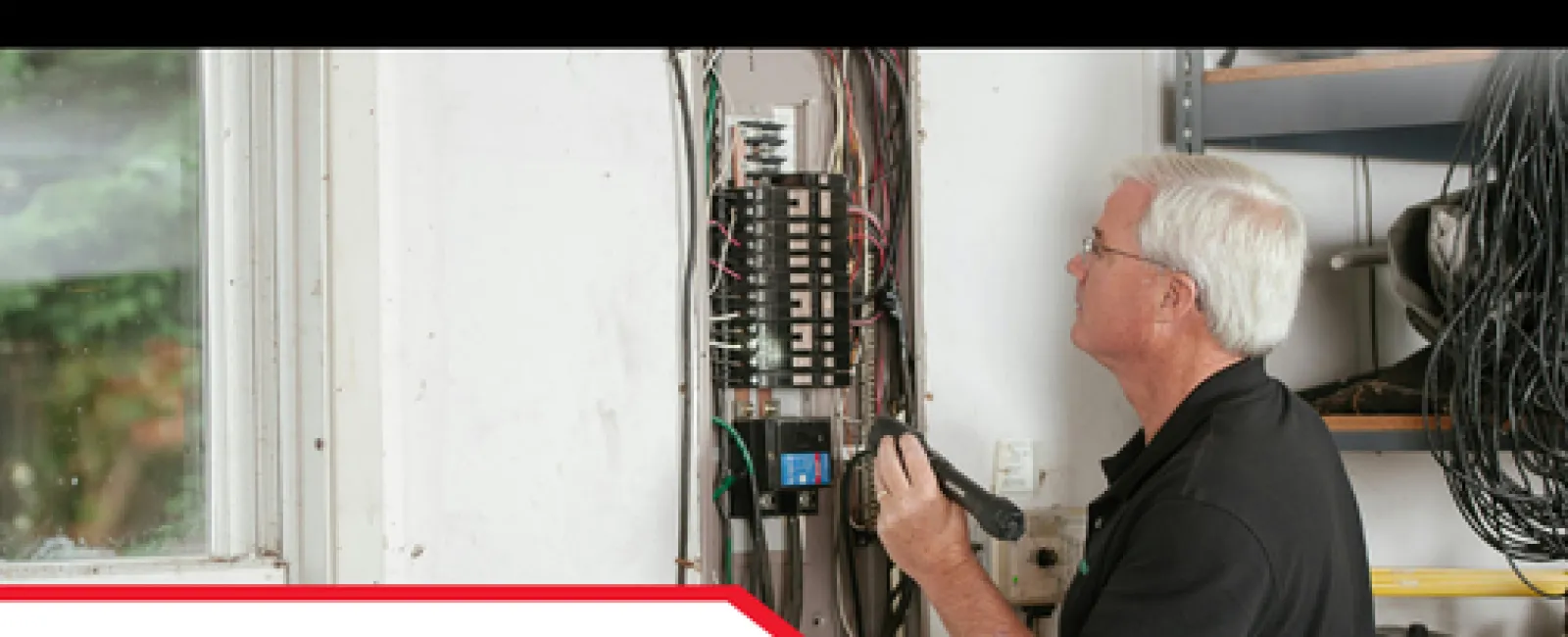
Residential electrical inspections include evaluation of the main service equipment, panels, breakers, wiring methods, outlets, switches, and visible grounding and bonding components. Inspectors look for outdated wiring, overloaded circuits, improper modifications, and safety hazards. Older homes in the Southeast may still contain legacy electrical systems that warrant special consideration.
Plumbing System
The plumbing inspection covers supply lines, drain and waste systems, fixtures, water heaters, and visible piping materials. Inspectors check for leaks, corrosion, water pressure issues, and functional drainage. In areas with hard water or older infrastructure, plumbing deficiencies are a common finding.
Heating, Ventilation, and Air Conditioning (HVAC)
HVAC systems are a major focus of residential inspections, particularly in warm, humid climates. Inspectors evaluate heating and cooling equipment, distribution systems, thermostats, and visible ductwork. Performance issues, improper installation, and signs of inadequate maintenance are documented, as HVAC efficiency directly affects comfort and energy costs.
Interior Components and Insulation
The interior inspection includes walls, ceilings, floors, doors, windows, stairways, and built-in appliances. Inspectors also evaluate insulation levels and ventilation in attics and crawlspaces. Proper insulation and airflow are essential in Southeastern homes to control humidity and reduce energy consumption.
What Is Included in a Commercial Inspection?
Commercial inspections are broader in scope and are tailored to the size, complexity, and use of the building. These inspections are often conducted in accordance with recognized standards such as ASTM E2018 for property condition assessments. Southeastern Residential and Commercial Inspections performed by experienced professionals address both immediate concerns and long-term capital considerations.
Building Structure and Envelope
Commercial inspections begin with an evaluation of the building's structural framework, including foundations, load-bearing walls, columns, beams, and roof structures. The building envelope—roofing systems, exterior walls, windows, and doors—is assessed for durability, water resistance, and overall condition. In commercial properties, even minor envelope failures can lead to significant operational disruptions.
Roofing Systems
Unlike residential roofs, commercial roofing systems may include flat or low-slope membranes, drainage systems, and rooftop equipment. Inspectors assess membrane condition, flashing, penetrations, and signs of ponding water. Given the Southeast's rainfall patterns, drainage performance is a key concern in commercial roofing evaluations.
Mechanical Systems
Commercial mechanical systems are typically larger and more complex than residential HVAC units. Inspections include air handlers, chillers, boilers, rooftop units, and ventilation systems. Inspectors assess general condition, apparent maintenance practices, and remaining useful life. While inspectors do not perform load calculations or engineering analyses, they identify visible deficiencies and recommend further evaluation when appropriate.
Electrical Systems
Commercial electrical inspections cover service entrances, distribution panels, transformers, disconnects, and visible wiring. Inspectors assess system capacity, safety features, and compliance with general standards. In commercial settings, electrical reliability is critical to business continuity, making this component particularly valuable.
Plumbing and Water Systems
Commercial plumbing systems often include restrooms, break rooms, floor drains, and specialized piping. Inspectors evaluate supply and waste lines, water heaters, and visible fixtures. For properties such as restaurants or medical facilities, plumbing conditions can have regulatory and operational implications.
Life Safety and Fire Protection
Life safety components are a major element of commercial inspections. Inspectors document the presence of fire alarms, sprinkler systems, emergency lighting, exit signage, and accessible egress routes. While inspectors do not certify code compliance, they note visible deficiencies that may require attention to meet safety expectations.
Interior Spaces and Finishes
Commercial interiors are evaluated for general condition, including flooring, walls, ceilings, stairways, and common areas. Inspectors also assess ADA-related features where visible, noting potential accessibility concerns. Wear and tear, moisture damage, and safety hazards are documented to help owners plan repairs or upgrades.
Key Differences Between Residential and Commercial Inspections
While both inspection types aim to identify property conditions, the scale and reporting approach differ. Residential inspections are typically more prescriptive, focusing on the immediate needs of homeowners. Commercial inspections emphasize long-term performance, deferred maintenance, and capital planning. Reports for commercial properties often include summaries of major systems, estimated remaining useful life, and recommendations for future budgeting.
Another difference lies in client use. Residential inspections are often tied to real estate transactions, while commercial inspections support investment analysis, leasing decisions, and asset management strategies. LunsPro Inspection Group adapts its inspection services to meet these differing objectives while maintaining consistent quality and clarity.
Why Inspections Matter in the Southeast
Properties in the Southeast face unique environmental challenges that make professional inspections especially valuable. High humidity contributes to mold growth and wood decay, while frequent storms increase the risk of roof and drainage issues. Termites and other wood-destroying organisms are prevalent, making structural evaluations critical.
By choosing experienced professionals familiar with regional conditions, property owners gain insights that generic inspections may overlook. Southeastern Residential and Commercial Inspections conducted with local expertise help clients anticipate issues before they become costly problems.
Choosing the Right Inspection Partner
Selecting a qualified inspection provider is as important as the inspection itself. Experience, regional knowledge, and clear reporting all contribute to a successful outcome. LunsPro Inspection Group offers comprehensive inspection services designed to meet the needs of Southeastern homeowners and commercial property stakeholders. Their approach emphasizes accuracy, transparency, and practical recommendations without unnecessary alarmism.
Residential and commercial inspections provide essential insight into the condition and performance of properties across the Southeast. From structural integrity and roofing systems to electrical, plumbing, and HVAC components, these inspections offer a detailed snapshot of a building's current state. For homeowners, this information supports confident purchasing decisions and proactive maintenance planning. For commercial clients, inspections play a vital role in due diligence, risk assessment, and long-term asset management.
Understanding what is included in residential and commercial inspections allows property owners to better interpret inspection reports and take appropriate action. With regional challenges such as humidity, storms, and soil conditions, inspections conducted by knowledgeable professionals are especially valuable in this part of the country. By partnering with a trusted provider like LunsPro Inspection Group, Southeastern property owners gain reliable information that supports safety, value, and peace of mind for years to come.