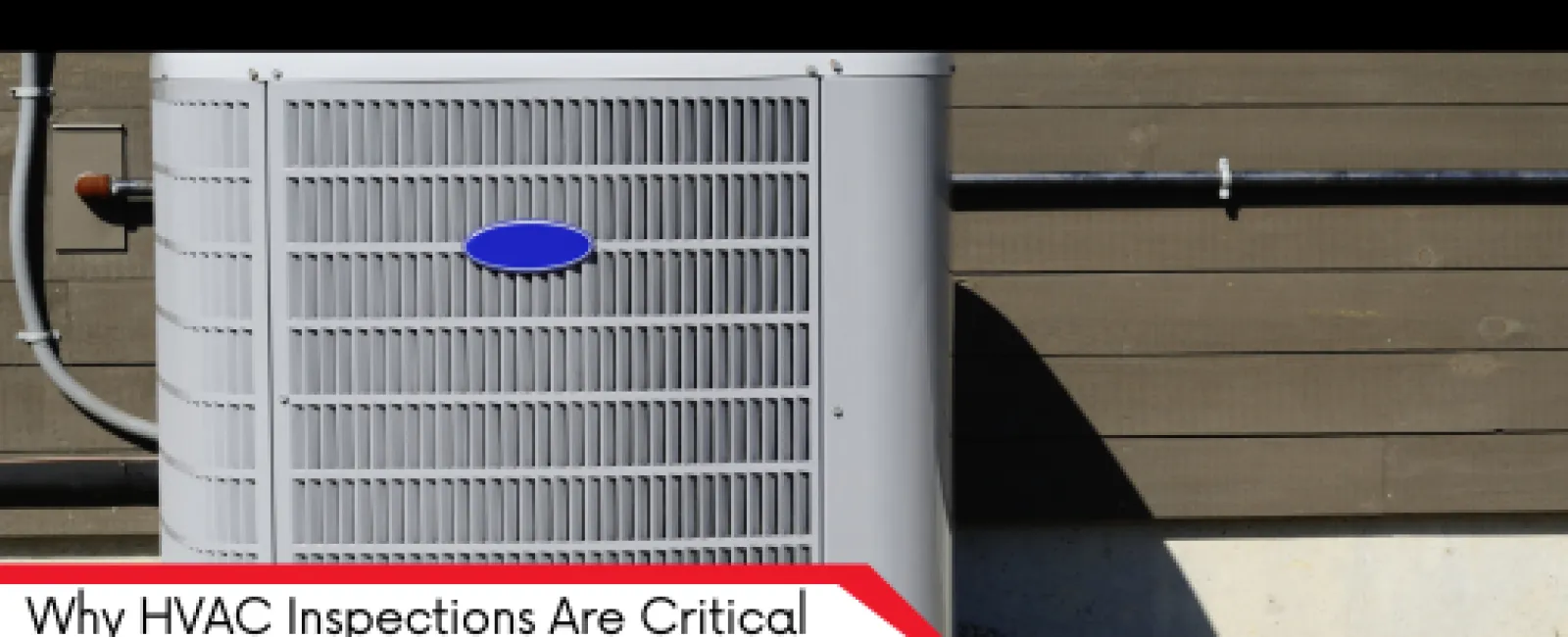
As the long, hot Southern summer begins to wind down and cooler weather approaches, homeowners across the Southeast start preparing their properties for the seasonal transition. One of the most important yet frequently overlooked tasks during this time is scheduling a professional HVAC inspection. Heating, ventilation, and air conditioning systems are essential for comfort, safety, and energy efficiency during the colder months, but many homeowners don't give them attention until something goes wrong—often resulting in unexpected repairs, higher costs, or uncomfortable downtime.
At LunsPro Inspection Group, we emphasize proactive maintenance and thorough system evaluations. Across the Southeast, incorporating HVAC assessments into routine Residential and Commercial Inspections helps ensure systems are prepared for colder temperatures, temperature swings, and increased demand. Our inspections are designed to identify concerns early, reduce the risk of breakdowns, and extend the lifespan of HVAC equipment.
Why Fall Is the Ideal Time for HVAC Inspections
Fall is widely considered the best time to schedule an HVAC inspection. Temperatures are mild, heating systems aren't yet under full load, and service availability is typically better before peak winter demand begins.
Key benefits of fall HVAC inspections include:
-
Preventing cold-weather breakdowns: Small issues can be addressed before the first major cold snap
-
Improved energy efficiency: Properly functioning systems use less energy, helping lower utility bills
-
Health and safety assurance: Inspections can identify carbon monoxide risks, blocked vents, or electrical hazards
-
Longer system lifespan: Routine evaluations reduce wear and tear on critical components
Across the Southeast, where weather patterns can shift quickly, knowing your HVAC system is ready provides peace of mind heading into winter.
Common HVAC Issues Found During Inspections
Professional HVAC inspections frequently uncover issues that could worsen if left unresolved.
Common findings include:
-
Dirty or clogged air filters that restrict airflow
-
Worn belts, motors, or fans that increase failure risk
-
Leaky or blocked ductwork causing uneven heating and energy loss
-
Malfunctioning thermostats affecting temperature control
-
Carbon monoxide concerns from aging or damaged heating equipment
-
Electrical issues such as loose connections or deteriorating wiring
Many of these problems aren't visible without proper training, underscoring the value of a professional inspection.
How HVAC Inspections Protect Your Investment
HVAC systems are among the most expensive components of any residential or commercial property. Protecting that investment requires regular evaluation and care.
Inspections help by:
-
Reducing repair costs through early issue detection
-
Improving efficiency to keep energy expenses under control
-
Preventing emergency service calls during peak demand
-
Supporting property value with documented system condition
For homeowners and business owners throughout the Southeast, HVAC inspections offer a cost-effective way to protect both comfort and long-term finances.
HVAC Challenges Unique to the Southeast
The Southeastern climate places unique stress on heating and cooling systems. Long periods of heat and humidity followed by cooler winters require HVAC systems to work year-round.
Regional challenges include:
-
High humidity: Can contribute to mold growth and moisture-related duct issues
-
Seasonal temperature swings: Force frequent system transitions between cooling and heating
-
Air quality concerns: Pollen and outdoor allergens increase the importance of clean filters and proper ventilation
Addressing these conditions during routine inspections helps ensure HVAC systems are optimized for regional performance demands.
HVAC Inspections for Commercial Properties
Commercial HVAC systems are larger, more complex, and critical to daily business operations. Problems can affect occupant comfort, productivity, safety, and operating costs.
Common commercial HVAC concerns include:
-
Uneven temperature control in large or multi-use spaces
-
Insufficient ventilation affecting indoor air quality
-
Rising energy costs from aging or inefficient equipment
-
Safety and compliance issues related to electrical or combustion systems
For commercial properties, HVAC evaluations are a key component of comprehensive building inspections.
What Inspectors Evaluate During HVAC Inspections
An HVAC inspection goes far beyond a basic system check. Inspectors follow a structured process to evaluate safety, functionality, and efficiency.
Typical inspection steps include:
-
Checking filters, belts, motors, and mechanical components
-
Verifying thermostat operation and calibration
-
Inspecting ductwork for leaks, blockages, or contamination
-
Testing for carbon monoxide and combustion safety
-
Evaluating electrical connections and controls
-
Assessing airflow and overall system performance
-
Inspecting outdoor units and condensers
Homeowners receive a detailed report outlining current conditions and recommended next steps.
Preventative Maintenance Tips for Homeowners
In addition to professional inspections, homeowners can take simple steps to support HVAC performance:
-
Replace filters every one to three months
-
Keep supply and return vents clear
-
Remove debris from outdoor condenser units
-
Use energy-efficient thermostat settings
-
Schedule annual servicing with qualified HVAC professionals
When paired with routine inspections, these habits help maintain comfort and system reliability year-round.
Why Choose LunsPro Inspection Group
At LunsPro Inspection Group, we understand how essential HVAC systems are to comfort, safety, and efficiency. Our certified inspectors are trained to identify both obvious and hidden issues, providing clear documentation and actionable recommendations.
Whether you're preparing for winter, purchasing or selling a property, or managing a commercial building, our Residential and Commercial Inspections help ensure HVAC systems are ready to perform when temperatures drop.
Don't Let Cold Weather Reveal Hidden Problems
Too often, HVAC failures occur during the first cold stretch of the season—when repairs are urgent, costly, and inconvenient. Scheduling inspections ahead of time gives homeowners control, allowing issues to be addressed proactively and efficiently.
Don't wait for colder weather to put your comfort at risk. Schedule your HVAC inspection with LunsPro Inspection Group today and make sure your system is ready for the season ahead.