Buying or owning a home in the Southeastern United States comes with unique environmental challenges that can significantly affect a property's condition over time. While many homeowners expect inspectors to uncover roofing concerns, electrical deficiencies, or aging HVAC systems, moisture intrusion Southeast inspectors encounter remains one of the most common and potentially costly home inspection issues. Because the region experiences high humidity, frequent rainfall, tropical weather, and long periods of warm temperatures, moisture can affect nearly every part of a home if it is not properly managed.
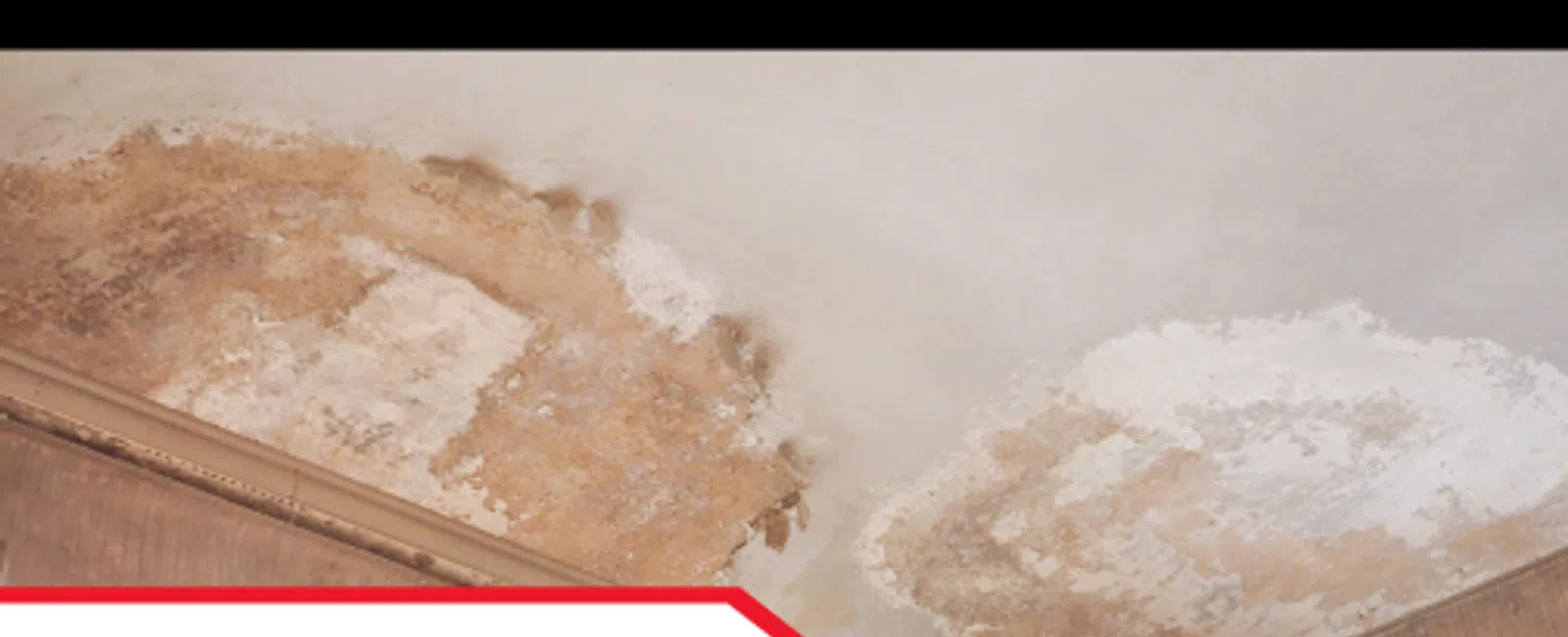
Moisture intrusion often develops gradually, making it difficult for homeowners to recognize until visible damage appears. Water can enter through damaged roofing materials, deteriorated exterior sealants, poor grading, plumbing leaks, window failures, foundation cracks, or inadequate drainage systems. In many cases, homeowners only notice discoloration on ceilings, warped flooring, musty odors, or peeling paint after moisture has already affected structural components or interior finishes. A professional home inspection helps identify visible signs of water intrusion before they become much larger repair projects.
For homeowners throughout Georgia, Florida, North Carolina, South Carolina, and surrounding Southeastern communities, understanding how moisture affects residential properties is essential. The climate places continuous stress on roofing systems, crawlspaces, foundations, attics, siding, windows, and exterior drainage systems. Regular inspections and timely maintenance help reduce repair costs while protecting one of a family's largest investments.
LunsPro Inspection Group has performed thousands of inspections throughout the Southeast and consistently finds that moisture-related concerns are among the most frequent observations. Although every home is different, understanding where moisture typically enters a home and how inspectors evaluate these conditions helps buyers and homeowners make more informed decisions before small problems become major expenses.
Why Moisture Is Such a Common Problem in the Southeast
The Southeast provides an ideal environment for moisture-related problems because of its climate. Long summers, elevated humidity, heavy seasonal rainfall, tropical storms, hurricanes, and frequent afternoon thunderstorms all expose residential structures to repeated moisture events throughout the year.
Unlike regions with long freezing winters, Southeastern homes spend much of the year managing warm, humid air. This constant exposure affects roofing materials, attic ventilation, exterior siding, windows, foundations, and crawlspaces. Even homes built with modern construction techniques require regular maintenance to keep moisture outside where it belongs.
High humidity also slows the natural drying process after rainfall. Materials that remain damp for extended periods become more susceptible to deterioration, wood rot, corrosion, staining, insulation damage, and microbial growth. This is one reason moisture intrusion Southeast inspectors identify so frequently during residential inspections.
Common Entry Points for Moisture
Water rarely enters a home through only one location. Instead, moisture typically follows the path of least resistance, finding small openings that develop through normal aging, weather exposure, or deferred maintenance.
Roofing Systems
The roof serves as the home's first line of defense against rain and storms. Missing shingles, damaged flashing, deteriorated pipe boots, aging sealants, clogged valleys, damaged vents, and improper repairs can all allow water to enter the attic or interior living spaces.
Roof leaks are not always obvious. Water may travel along framing members before becoming visible inside the home. By the time staining appears on a ceiling, the original point of entry may be several feet away.
Inspectors evaluate roofing materials, flashing, penetrations, drainage patterns, and visible signs of deterioration to identify areas that may require further attention.
Windows and Doors
Exterior windows and doors rely on properly maintained sealants, flashing, and weatherproofing to prevent water intrusion. Over time, caulking can crack, shrink, or separate from surrounding materials.
Repeated exposure to rain and sunlight accelerates sealant deterioration throughout the Southeast. Once these protective barriers fail, water may enter wall cavities without immediately becoming visible inside the home.
Home inspection issues involving windows frequently include deteriorated trim, soft wood, staining beneath windows, damaged drywall, or visible gaps around exterior penetrations.
Exterior Walls and Siding
Siding systems, brick veneer, stucco, fiber cement, and other exterior materials all require proper installation and maintenance to perform effectively.
Small cracks, deteriorated joints, damaged siding panels, missing sealants, or improperly sealed utility penetrations can permit water to enter behind exterior finishes. Over time, this moisture may affect framing, insulation, sheathing, or interior wall surfaces.
Inspectors pay close attention to transitions where different materials meet because these areas commonly experience moisture intrusion.
Crawlspaces and Foundations
Many Southeastern homes are built over crawlspaces rather than basements. Crawlspaces are particularly vulnerable to elevated moisture because they sit close to the soil where humidity levels remain consistently high.
Common crawlspace moisture issues include:
- Standing water
- Elevated humidity
- Damaged vapor barriers
- Wood deterioration
- Condensation
- Poor ventilation
- Drainage problems
- Plumbing leaks
- Foundation seepage
Moisture inside crawlspaces may eventually affect flooring systems, insulation, framing members, indoor air quality, and structural stability.
Proper grading, drainage improvements, vapor barriers, and moisture management systems all contribute to healthier crawlspace conditions.
Poor Drainage Around the Home
One of the simplest yet most overlooked causes of moisture intrusion Southeast homeowners experience involves exterior drainage.
When gutters overflow, downspouts discharge too close to the home, landscaping traps water near the foundation, or grading directs runoff toward the structure, moisture problems become much more likely.
Inspectors frequently observe:
- Improper grading
- Ponding water
- Soil erosion
- Downspouts terminating near foundations
- Clogged gutters
- Overflow staining
- Foundation moisture indicators
Correcting drainage problems early often prevents much larger structural and moisture-related repairs.
Plumbing Leaks
Not every moisture problem begins outside the home. Plumbing leaks remain one of the most common home inspection issues identified during residential inspections.
Leaks may occur beneath sinks, around toilets, inside walls, beneath flooring, around water heaters, inside crawlspaces, or within mechanical rooms.
Many plumbing leaks develop slowly over time. Homeowners may never notice them until inspectors identify staining, elevated moisture readings, damaged cabinetry, deteriorated flooring, or visible mold-like growth.
Routine plumbing maintenance significantly reduces the likelihood of hidden water damage.
Attic Moisture Problems
Attics experience substantial temperature differences throughout the year. Poor ventilation combined with elevated humidity can allow condensation to develop beneath roof decking or around framing members.
Common attic observations include:
- Moisture staining
- Condensation
- Inadequate ventilation
- Wet insulation
- Rusted fasteners
- Biological growth
- Roof leaks
Attic moisture problems often become more severe during seasonal weather changes when warm, humid air meets cooler surfaces.
Proper ventilation plays a major role in protecting roofing materials and extending roof life.
HVAC Systems and Condensation
Heating and cooling systems remove humidity from indoor air, making proper condensate drainage essential.
Blocked condensate lines, damaged drain pans, disconnected piping, or poorly maintained air handlers may release water into attics, utility rooms, or interior spaces.
Inspectors routinely evaluate visible HVAC condensate systems because even minor drainage issues can create significant moisture damage over time.
Routine servicing helps reduce both equipment failures and moisture-related concerns.
The Cost of Ignoring Moisture
Many homeowners postpone moisture repairs because the initial symptoms appear minor. Unfortunately, moisture rarely improves on its own.
Over time, water intrusion may contribute to:
- Wood rot
- Damaged drywall
- Flooring deterioration
- Structural repairs
- Insulation replacement
- Interior finish damage
- Higher repair costs
- Reduced property value
Early identification is almost always less expensive than waiting until major repairs become necessary.
Moisture and Homebuyers
Homebuyers should pay particular attention to moisture findings within inspection reports.
Not every moisture concern is a deal breaker, but buyers should understand:
- Where moisture was observed
- The apparent source
- Whether active leakage exists
- Whether additional evaluation is recommended
- Estimated repair priorities
- Long-term maintenance implications
Understanding these factors helps buyers negotiate repairs, budget appropriately, and avoid unexpected surprises after closing.
Preventing Moisture Problems
While no home is completely immune to moisture intrusion, preventive maintenance significantly reduces risk.
Homeowners should:
- Clean gutters regularly
- Extend downspouts away from foundations
- Monitor roof condition
- Replace deteriorated caulking
- Inspect exterior penetrations
- Service HVAC systems annually
- Address plumbing leaks promptly
- Maintain proper grading
- Monitor crawlspaces
- Inspect attics periodically
Preventive maintenance often costs far less than repairing long-term moisture damage.
Why Professional Inspections Matter
Because moisture can remain hidden for long periods, professional inspections provide valuable information that homeowners cannot easily gather during casual walkthroughs.
Inspectors evaluate visible building systems with moisture performance in mind, identifying signs that may indicate developing problems even when active leaks are not occurring during the inspection.
LunsPro Inspection Group emphasizes thorough Residential Inspections that help buyers understand current property conditions while giving homeowners practical recommendations for maintenance and repair planning.
Although this article focuses on residential properties, many of the same moisture principles apply to commercial buildings. Commercial Inspections throughout the Southeast frequently identify similar drainage concerns, roofing deficiencies, HVAC condensation issues, and building envelope deterioration. Property owners managing Commercial Inspections in Atlanta, Commercial Inspections in Charlotte, Commercial Inspections in Raleigh, Commercial Inspections in Athens, Commercial Inspections in Savannah, Commercial Inspections in Greenville, and Commercial Inspections in Jacksonville often encounter many of the same environmental challenges because the regional climate affects both residential and commercial structures.
Understanding how moisture affects different property types reinforces the importance of regular inspections, preventive maintenance, and timely repairs across all real estate assets.
Moisture Awareness Protects Your Investment
Moisture intrusion Southeast homeowners experience is rarely caused by a single dramatic event. More often, it develops slowly through deferred maintenance, aging materials, poor drainage, or small deficiencies that gradually worsen over time. The earlier these conditions are identified, the easier and less expensive they are to correct.
Professional inspections help homeowners recognize visible warning signs before significant structural damage develops. Roof leaks, crawlspace moisture, plumbing problems, foundation drainage concerns, and deteriorated exterior sealants can often be addressed more effectively when discovered early. Waiting until interior damage becomes obvious usually results in larger repair costs and more extensive restoration work.
For buyers, understanding moisture-related home inspection issues provides valuable insight into the property's current condition and future maintenance needs. For existing homeowners, regular inspections and proactive maintenance help preserve property value while reducing unexpected repair expenses.
LunsPro Inspection Group remains committed to providing detailed inspections throughout the Southeast that help homeowners make informed decisions about their properties. Whether purchasing a first home, maintaining a longtime residence, or evaluating real estate throughout the region, understanding moisture intrusion remains one of the most important steps toward protecting both the home and the investment it represents.