
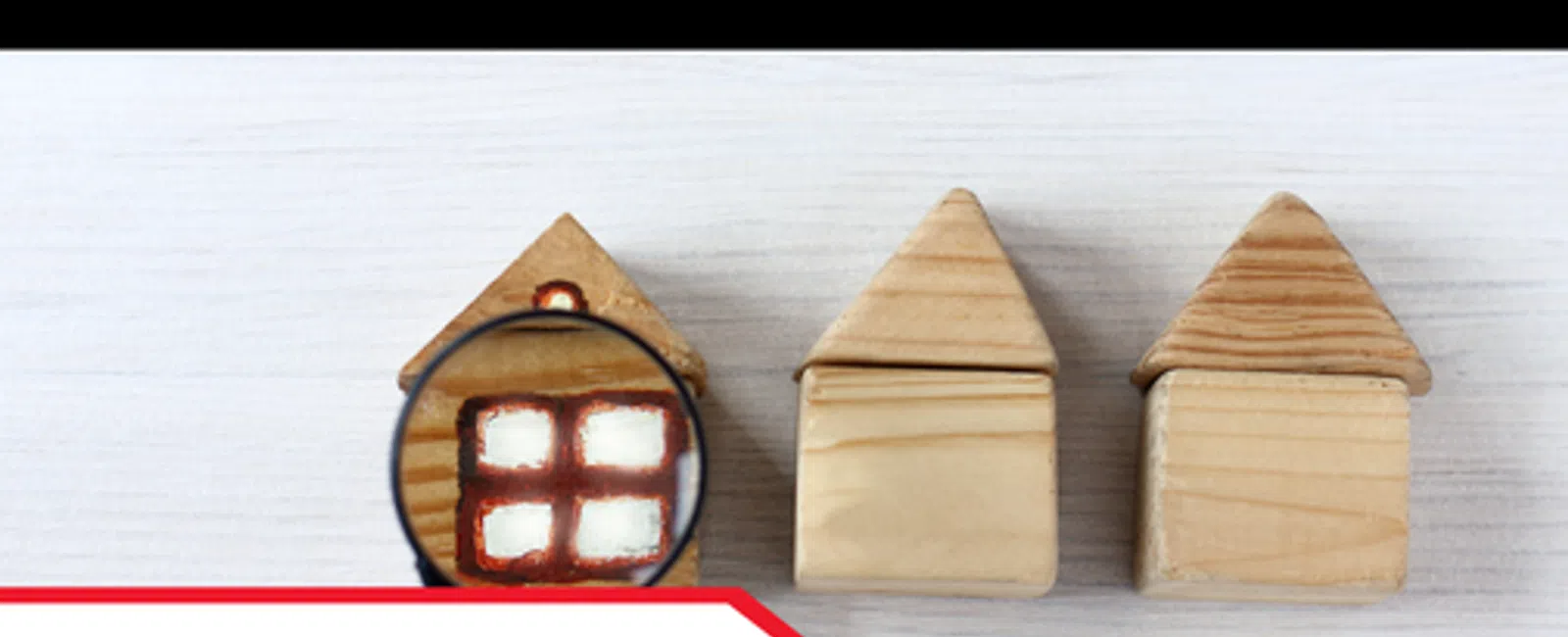
New construction homes often feature modern windows designed to improve comfort, natural lighting, and energy efficiency. While these products may be newly manufactured and installed, their performance depends on more than the quality of the window itself. Proper installation, flashing, sealing, and integration with the surrounding wall assembly all contribute to how effectively a window manages water, air movement, and everyday operation.
A new construction window inspection helps identify visible installation concerns before buyers take ownership of a newly built home. Windows that appear attractive from the exterior may still have installation-related deficiencies involving flashing, alignment, sealants, or drainage. These conditions do not necessarily indicate a defective window product, but they may warrant further evaluation.
Not every newly constructed home contains window installation defects. However, because windows are important components of the building envelope, evaluating their installation during appropriate construction phases can provide useful information. A professional new construction home inspection can help buyers understand observable conditions and determine whether additional builder or contractor attention is appropriate.
Why Window Installation Quality Matters in New Homes
A window is more than a glass panel installed within a wall opening.
It is part of a larger building-envelope system that includes framing, weather-resistive barriers, flashing, exterior finishes, sealants, insulation, and interior materials.
These components work together to manage rainwater, air movement, and temperature differences.
The Building Science Education resources provide information about building-envelope assemblies, moisture management, and construction practices that influence building performance.
Even when a high-quality window is used, installation details can affect its performance.
Potential window installation defects may involve:
- Improper alignment
- Incomplete flashing
- Gaps around the frame
- Damaged components
- Inadequate sealing
- Obstructed drainage pathways
- Poor integration with surrounding materials
A window installation inspection focuses on visible conditions rather than assuming that new materials have been installed correctly.
How Windows Connect to the Building Envelope
The building envelope separates conditioned interior spaces from outdoor conditions.
Windows interrupt exterior wall assemblies, creating openings that must be properly integrated with surrounding materials.
Important components may include:
Weather-Resistive Barriers
Weather-resistive barriers help manage water that reaches the wall assembly behind exterior cladding.
Window installation details should be coordinated with the barrier system so water can drain appropriately.
Flashing
Flashing materials help direct water away from vulnerable joints and openings.
Their arrangement depends on the window design, wall assembly, manufacturer instructions, and applicable construction requirements.
Exterior Sealants
Sealants may help limit unwanted water and air entry at designated joints.
However, sealants are not necessarily the only line of defense against moisture intrusion.
Siding and Exterior Trim
Exterior finishes provide protection and appearance, but they must work with the underlying water-management system.
Interior Finishes
Drywall, trim, and other interior materials may conceal portions of the installation after construction progresses.
For this reason, some installation details are easier to evaluate before finishes are installed.
Why Window Flashing Deserves Inspection
Flashing is one of the most important considerations in new window installation.
Its purpose is to help manage water around openings and direct it toward appropriate drainage pathways.
A window flashing inspection may include observations of accessible flashing materials and their integration with surrounding components.
Sill Flashing
Sill flashing is associated with the lower portion of the window opening.
Depending on the installation system, it may help direct water away from vulnerable framing or interior materials.
Side Flashing
Side flashing may help manage water along the vertical edges of the opening.
Its relationship with adjacent materials and the weather-resistive barrier is important.
Head Flashing
Head flashing helps manage water approaching the upper portion of the window assembly.
The installation details vary based on window type, exterior cladding, and wall construction.
Drainage Pathways
Many window and wall systems are designed to manage incidental water through drainage pathways.
Obstructing those pathways may interfere with the intended water-management approach.
There is no single flashing configuration appropriate for every window.
Inspectors should consider the visible installation in relation to the window type, wall assembly, manufacturer requirements, and applicable construction practices.
A general inspection cannot verify every concealed flashing connection once the surrounding materials have been covered.
Can Improper Window Installation Cause Water Intrusion?
Yes. Deficiencies around a window opening may create pathways for moisture to enter the surrounding wall assembly.
Potential concerns include:
- Incomplete flashing
- Damaged sealants
- Improperly integrated barriers
- Open joints
- Installation gaps
- Deficient drainage details
- Water entry around penetrations
The EPA's moisture control guidance for building design and construction emphasizes the importance of controlling water intrusion through appropriate building-envelope design, construction, and maintenance.
Signs That May Warrant Further Investigation
Visible observations may include:
- Staining around window openings
- Damaged drywall
- Swollen trim
- Moisture-related deterioration
- Visible gaps
- Questionable exterior joints
However, staining does not automatically establish that a window is leaking.
Moisture may originate from roofing, wall penetrations, plumbing, condensation, or other sources.
When window water intrusion is suspected, additional investigation may be necessary to identify the actual cause.
A standard home inspection does not replace specialized water-intrusion testing.
Installation Gaps and Window Air Leakage
Windows can also influence air movement between indoor and outdoor spaces.
Gaps around the window frame or incomplete air sealing may contribute to drafts, uneven temperatures, or reduced comfort.
The U.S. Department of Energy's guidance on air sealing identifies windows and surrounding openings as areas where unwanted air leakage may occur.
During a new construction inspection, visible gaps or incomplete sealing may warrant attention.
However, a visual inspection cannot measure the full extent of air leakage.
Why Air Leakage Matters
Uncontrolled air movement may influence:
- Indoor comfort
- Heating and cooling demands
- Temperature differences near windows
- Moisture movement under certain conditions
A home may contain an energy-efficient window product while still experiencing window air leakage because of installation deficiencies.
Specialized blower-door testing or other diagnostic procedures may be needed to measure building air leakage.
A general home inspection does not provide the same information as a comprehensive energy assessment.
Window Operation During Final Inspections
Window operation is another important consideration during a final new construction home inspection.
A newly installed window should generally operate according to its intended design.
Depending on accessibility and inspection scope, inspectors may evaluate:
- Opening and closing
- Locking mechanisms
- Frame alignment
- Binding or sticking
- Damaged frames
- Damaged glass
- Visible installation deficiencies
Why Alignment Matters
A window that binds, does not close properly, or has difficulty locking may have an operational concern.
Possible contributing factors include installation alignment, hardware adjustment, frame conditions, or product-related issues.
However, the exact cause should not be assumed solely from the symptom.
A builder or qualified window installer may need to determine whether adjustment, repair, or further evaluation is appropriate.
Why New Windows Should Still Be Tested
New materials are not automatically free from installation-related concerns.
Operational testing can identify visible or functional conditions that might otherwise remain unnoticed until after occupancy.
This does not mean every window will have a defect or that routine adjustment always indicates improper installation.
Window Inspections at Different Construction Phases
Window-related observations can change as construction progresses.
Certain components are easier to evaluate before drywall, exterior cladding, or trim conceals the installation.
Before Finishes Conceal Installation Details
During earlier construction stages, some flashing, weather-resistive barrier connections, framing, and installation details may remain visible.
This can provide an opportunity to identify concerns before additional materials cover the area.
However, the exact components available for observation depend on the construction schedule.
Pre-Drywall Window Inspection
A pre-drywall window inspection may allow observations of accessible window openings, framing connections, and portions of the surrounding wall assembly.
Some exterior flashing details may already be concealed by this stage.
Inspectors should document what is visible rather than imply that every installation component can be evaluated.
Final New Construction Inspection
A final inspection generally focuses on completed and accessible components.
Window operation, locking mechanisms, visible sealants, glass, frames, and surrounding finishes may be evaluated.
However, concealed flashing and barrier details typically cannot be directly observed without removing materials.
Builder Warranty Inspection
A builder warranty inspection may provide another opportunity to identify developing concerns after the home has been occupied.
Potential observations may include operational problems, visible sealant deterioration, staining, or other conditions.
Warranty terms and deadlines vary, so homeowners should review their specific builder documentation.
Window Installation and Energy Performance
Window performance involves both the product and its installation.
Energy-efficient windows may incorporate features intended to reduce heat transfer, improve comfort, or manage solar heat gain.
The U.S. Department of Energy's guidance on windows, doors, and skylights discusses how window characteristics influence residential energy performance.
The ENERGY STAR information on certified windows, doors, and skylights also provides guidance on energy-efficient product selection and performance considerations.
However, an energy-efficient or ENERGY STAR-certified window is not automatically installed correctly.
Product certification addresses qualifying product performance criteria, not a guarantee that flashing, air sealing, alignment, or surrounding construction details have been completed properly.
Insulation Around Window Openings
Insulation and air sealing around the rough opening may influence thermal comfort and energy performance.
Incomplete installation may contribute to temperature differences near the window.
However, a general home inspection does not measure complete window thermal performance or replace an energy audit.
Specialized testing may be necessary when detailed performance information is required.
When Should Window Installation Concerns Receive Further Evaluation?
Not every visible irregularity requires extensive repairs.
The appropriate response depends on the condition, location, installation method, and available supporting information.
Further evaluation may be appropriate when inspectors observe:
- Significant installation gaps
- Questionable flashing details
- Visible water intrusion
- Damaged frames or glass
- Improper operation
- Incomplete sealing
- Apparent drainage concerns
- Repeated moisture staining
Depending on the issue, a builder, qualified window installer, contractor, or other specialist may need to evaluate the condition.
Manufacturer installation instructions and applicable requirements may also be relevant.
A general home inspection does not replace specialized water testing, engineering, manufacturer certification, or formal installation verification.
New Construction Window Inspections in the Southeast
New residential construction throughout the Southeast involves varying building materials, exterior finishes, window products, and installation methods.
Regional weather conditions can make moisture management and building-envelope performance important considerations.
Heavy rainfall, humidity, seasonal temperature changes, and cooling demands may influence how windows and surrounding wall assemblies perform.
However, these conditions do not mean every newly constructed home has window installation problems.
LunsPro Inspection Group provides residential inspection services throughout Georgia, North Carolina, South Carolina, Tennessee, and Florida, including markets such as Atlanta, Athens, Savannah, Charlotte, Raleigh, Greensboro, Greenville, Charleston, Chattanooga, Nashville, and Jacksonville.
A new home in Savannah or Jacksonville may use different exterior materials and window installation details from a property in Charlotte, Raleigh, or Nashville.
Inspection priorities should reflect the actual construction methods and visible conditions rather than assumptions based solely on location.
Why Window Installation Quality Deserves Attention
Windows are important components of a home's building envelope, and their performance depends on proper integration with surrounding construction materials. Flashing, weather-resistive barriers, sealants, drainage pathways, insulation, and installation alignment all influence how a window manages water, air movement, and everyday operation.
A new construction window inspection can help identify visible concerns during appropriate construction phases. Earlier inspections may provide access to installation details that later become concealed, while final inspections can evaluate window operation, locking mechanisms, frames, glass, and accessible finishes.
However, a general home inspection cannot verify every concealed installation detail or guarantee that a window will never leak. Suspected deficiencies may require further evaluation by the builder, a qualified window installer, or another appropriate professional.
For homebuyers throughout Georgia, North Carolina, South Carolina, Tennessee, and Florida, evaluating window installation quality is a practical part of new construction due diligence. LunsPro Inspection Group supports buyers through professional residential inspections that document observable conditions and help identify concerns before closing or during applicable builder warranty periods.
By understanding what inspectors can observe, what may remain concealed, and when additional evaluation is appropriate, homebuyers can make more informed decisions about their newly constructed property.