
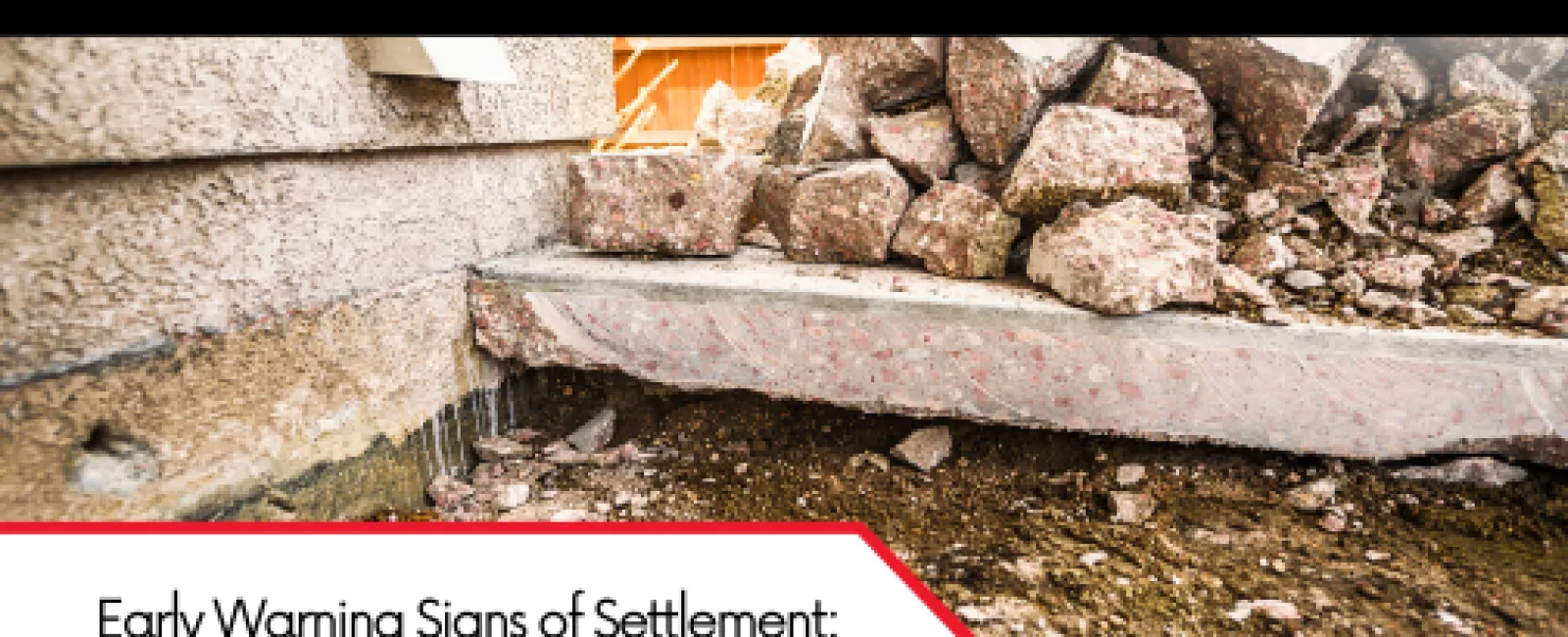
Your home is more than just a structure; it's an investment, a safe haven, and a place that should provide stability for your family. But over time, even the strongest homes can experience changes in their foundation. These changes often show up in subtle ways before they become serious problems. Unfortunately, many homeowners either overlook or misunderstand these signs, dismissing them as cosmetic issues rather than indicators of a deeper concern. Recognizing the early warning signs of settlement can make the difference between a manageable repair and a major financial burden.
At LunsPro Inspection Group, we believe knowledge is a homeowner's best tool. Problems such as sloping floors, wall cracks, bowed foundation walls, and chimney separation may seem minor at first, but they can be the early indicators of foundation settlement or shifting soil conditions. When left unaddressed, these issues may compromise not only the stability of your home but also its market value and long-term safety. This article will break down the most common settlement warning signs, explain what they mean, and provide guidance on what to do if you notice them in your home.
What is Settlement?
Settlement refers to the gradual sinking or shifting of a home's foundation into the soil beneath it. Some settlement is normal, especially in newer homes, as the soil compacts under the weight of the structure. However, excessive or uneven settlement is problematic and can cause significant structural issues.
Several factors contribute to settlement:
-
Soil Composition: Expansive clay soils, sandy soil, or poorly compacted fill can move significantly with changes in moisture.
-
Moisture Changes: Drought, heavy rains, or poor drainage can cause soil to shrink, swell, or wash away.
-
Construction Practices: Inadequate foundation design or improper soil preparation before building can lead to instability.
-
Tree Roots: Large trees planted too close to a home can extract moisture from the soil, creating voids under the foundation.
In the southeastern region, where clay-heavy soils and seasonal weather extremes are common, settlement is a particular concern. Understanding what settlement is—and why it happens—helps homeowners appreciate the importance of spotting signs early before the problem escalates.
Warning Sign #1: Sloping or Uneven Floors
One of the first indicators of settlement is uneven flooring. If you notice that a ball rolls across the floor without a push, or if furniture doesn't sit evenly, you may be dealing with sloping floors caused by foundation movement.
While some minor sloping may not immediately threaten structural integrity, it's often a clue that your foundation is shifting. Over time, uneven floors can worsen, leading to misaligned doors and windows, gaps in trim, and an increased risk of tripping or injury. In severe cases, sloping floors indicate significant structural movement that requires professional evaluation.
Warning Sign #2: Cracks in Walls and Ceilings
Cracks are among the most visible—and often misunderstood—signs of settlement. Not all cracks mean disaster, but understanding their type and location matters:
-
Hairline Cracks: Small cracks in drywall or plaster may be due to normal settling or seasonal changes.
-
Diagonal Cracks Above Doors and Windows: These often indicate differential settlement, where one part of the foundation moves more than another.
-
Stair-Step Cracks in Brickwork or Block Walls: Strong indicators of foundation movement that should be evaluated promptly.
-
Wide or Expanding Cracks: Any crack that grows over time, especially in load-bearing areas, can signal ongoing settlement.
The key is monitoring cracks for changes. If you see widening, lengthening, or new cracks forming, it's time to bring in a professional inspector.
Warning Sign #3: Bowing or Leaning Foundation Walls
Bowing foundation walls occur when soil pressure pushes against the wall, causing it to bend inward. This often happens in basements where soil expansion from water saturation applies continuous force on the wall.
Early signs include:
-
Walls that appear to curve inward.
-
Horizontal cracks running across basement walls.
-
Water intrusion or dampness along the bowed wall.
Left unaddressed, bowed walls can lead to partial structural failure, costly repairs, and unsafe living conditions. Professional reinforcement or stabilization may be necessary to correct the issue and prevent further damage.
Warning Sign #4: Chimney Separation
A chimney that appears to pull away from the home is another red flag for settlement. Because chimneys are heavy and often built on their own footing, they may settle at a different rate than the rest of the house. This can result in visible gaps, leaning, or cracks where the chimney connects to the structure.
Chimney separation is more than an aesthetic problem. A leaning chimney poses safety hazards, and the gaps it creates may allow water intrusion, pest entry, and further structural weakening.
Additional Indicators of Settlement
While sloping floors, cracks, bowed walls, and chimney separation are the most common warning signs, other subtle issues can also point to foundation movement:
-
Doors and windows that stick or won't latch properly.
-
Gaps around windows and doors.
-
Trim or molding pulling away from walls.
-
Water pooling around the foundation due to poor drainage.
In the southeastern region, heavy rainfall and storm runoff make drainage-related settlement one of the most frequent issues inspectors encounter.
Why Early Detection Matters
Catching settlement issues early offers several advantages:
-
Lower Repair Costs: Early intervention can reduce the need for major structural repairs.
-
Improved Safety: Preventing collapse or significant structural shifts ensures your family remains safe.
-
Preserved Property Value: Homes with visible settlement problems are harder to sell and often appraise for less.
-
Peace of Mind: Addressing foundation concerns promptly reduces stress for homeowners.
What to Do If You Notice Settlement Signs
If you notice any of these warning signs, the first step is not to panic. Not every crack or slope indicates a failing foundation, but ignoring them can lead to bigger problems. Contacting a qualified home inspector, like those at LunsPro Inspection Group, is the best way to get an accurate assessment.
A professional inspection provides:
-
A clear understanding of whether the signs are cosmetic or structural.
-
Documentation for homeowners, buyers, or sellers.
-
Recommendations for next steps, which may include monitoring, repairs, or referral to a structural engineer.
The Role of Professional Inspections
At LunsPro Inspection Group, our inspectors are trained to identify settlement warning signs and provide homeowners with detailed, unbiased reports. Using tools like laser leveling, moisture meters, and thermal imaging, we can determine whether settlement concerns are isolated or widespread. In cases where more advanced evaluation is needed, we may recommend consultation with a licensed structural engineer.
What sets LunsPro apart is our commitment to education. We don't just point out problems—we explain their causes, potential impacts, and solutions. This empowers homeowners to make informed decisions and act quickly when necessary.
Settlement issues are some of the most concerning problems a homeowner can face, but they don't have to be overwhelming. By understanding the early warning signs—sloping floors, cracks, bowed foundation walls, and chimney separation—you can take control of your home's safety and stability before small concerns become major structural repairs. Recognizing these issues early helps preserve both your property's value and your peace of mind.
At LunsPro Inspection Group, we believe prevention and early detection are the best forms of protection. Our team of certified inspectors is dedicated to helping homeowners identify settlement concerns, understand their options, and take proactive steps to protect their investment. For families in Georgia, Carolina, and throughout the southeastern region, our inspections offer the clarity and confidence needed to maintain a safe, stable home. Don't wait until the signs are impossible to ignore—if you suspect settlement, schedule a professional inspection today and ensure your home remains a solid foundation for years to come.