When it comes to protecting the long-term health and safety of a home, few issues are as important—and as easy to overlook—as indoor air quality. Many homeowners focus on visible cleanliness, comfort, and ventilation, but one of the most serious threats to indoor air can't be seen, smelled, or tasted: radon gas. Radon is a naturally occurring radioactive gas that rises from the ground and can enter homes unnoticed. Despite being invisible, prolonged exposure is one of the leading causes of lung cancer among non-smokers.
That growing awareness has led many homeowners across the Southeast to look beyond basic safety measures and invest in advanced radon mitigation solutions. One of the most effective modern approaches integrates radon mitigation directly into a home's HVAC system. By pairing radon reduction with heating, ventilation, and air circulation, homeowners can improve air quality throughout the entire house—not just in isolated areas. In this vlog, we'll break down how radon affects homes, why mitigation matters, and why HVAC integration is becoming a smarter, more comprehensive solution.
What Radon Is and Why It's a Serious Concern
Radon forms naturally as uranium breaks down in soil and rock beneath the ground. From there, it can enter a home through foundation cracks, construction joints, sump pits, pipe penetrations, and porous building materials. Because modern homes are built to be more energy-efficient and airtight, radon can become trapped indoors and build up to unsafe levels.
Health agencies consistently warn that radon exposure is a long-term risk, not an immediate one. Unlike carbon monoxide, which often presents quick symptoms, radon's effects can take years to develop. That's why it's often referred to as a "silent threat"—many homeowners don't know it's present until testing confirms elevated levels.
Understanding Radon Mitigation
Radon mitigation refers to systems designed to reduce indoor radon levels before the gas can accumulate. The most common method is sub-slab depressurization, where a vent pipe and fan pull radon from beneath the home and exhaust it safely outside.
While this method is highly effective, traditional systems usually operate independently from the HVAC system. They target radon specifically, but don't always address overall air circulation or quality throughout the home. For homeowners seeking a broader indoor air solution, this is where HVAC integration comes into play.
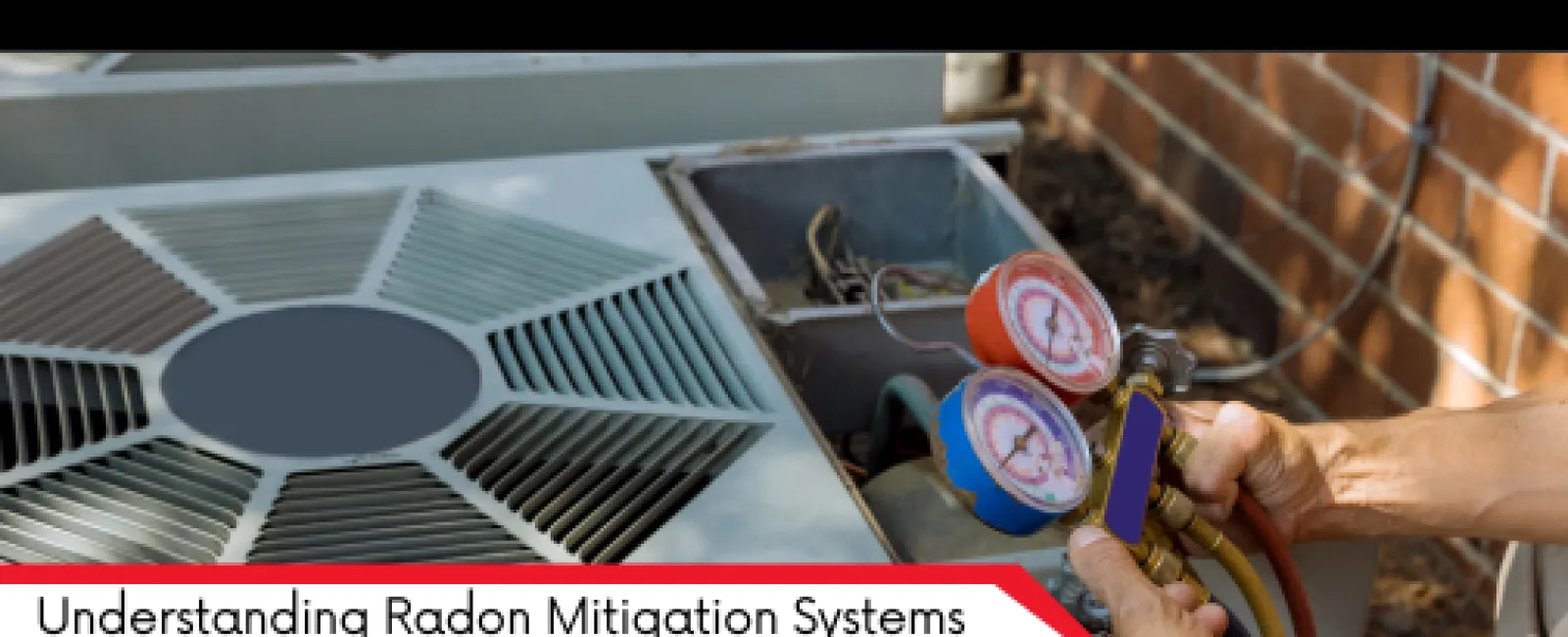
How Radon Mitigation Works with HVAC Systems
When radon mitigation is integrated into the HVAC system, the benefits extend well beyond basic gas reduction. Instead of managing radon in isolation, the system works alongside air circulation, filtration, and ventilation.
Key advantages include:
-
Whole-home air quality improvement: Cleaned and diluted air is distributed evenly throughout the house
-
Improved consistency: Every room benefits, not just lower levels or basements
-
Efficiency gains: Fewer standalone systems can mean more streamlined operation
-
Additional health benefits: Many integrated systems also reduce allergens, dust, and airborne contaminants
This approach creates a healthier indoor environment while aligning with how modern homes are designed to function.
Why Homeowners Are Choosing Advanced Radon Solutions
As awareness of indoor air quality increases, more homeowners are treating radon mitigation as a necessity rather than an optional upgrade.
Common reasons include:
-
Health-focused living: Families want to reduce invisible long-term risks
-
Stronger resale appeal: Homes with documented mitigation systems often stand out to buyers
-
Comfort and confidence: Cleaner air enhances everyday living
Integrated systems are especially attractive in new construction, where they can be designed from the start, but many existing homes can also be retrofitted by qualified professionals.
The Inspector's Role in Radon Awareness
A key benefit of a professional inspection is identifying systems most homeowners don't fully understand. Inspectors with LunsPro Inspection Group are trained to recognize radon mitigation systems, explain how they operate, and assess their visible condition.
During an inspection, an inspector may:
-
Identify system components and explain their function
-
Determine whether a system is active or passive
-
Recommend radon testing to verify effectiveness
-
Advise on maintenance and monitoring
For homeowners, this guidance helps bridge the gap between having a system and truly understanding its purpose and performance.
Why Ongoing Radon Testing Still Matters
Even with mitigation in place, regular radon testing is essential. Fans can fail, seals can degrade, and home conditions can change over time. Testing ensures the system is still performing within recommended safety limits.
Industry guidance typically suggests retesting every two years, or sooner after renovations, foundation work, or HVAC changes. Continuous monitors are helpful, but professional verification remains the most reliable option.
Maintaining a Radon Mitigation System
Radon systems should be treated like any other major home component—requiring occasional checks and routine oversight.
Best practices include:
-
Confirming fans are running properly
-
Inspecting vent pipes for damage or blockage
-
Ensuring seals remain airtight
-
Scheduling periodic professional reviews
Staying proactive keeps the system effective and the home protected.
A Bigger Picture of Home Health
Radon mitigation—especially when combined with HVAC—is part of a broader shift toward whole-home health. Today's homeowners are recognizing that air quality, moisture control, energy efficiency, and safety are all interconnected.
Improving indoor air isn't just about eliminating risks—it's about creating a healthier environment where families can live comfortably and confidently.
Radon may be invisible, but its impact is real. Homeowners who understand the risk and take steps to address it are making an investment not only in their property, but in the long-term well-being of everyone inside it. Integrating radon mitigation into an HVAC system offers one of the most effective ways to protect indoor air quality throughout the entire home.
With the support of trained inspectors and proper maintenance, homeowners can move forward with confidence—knowing their home isn't just efficient, but genuinely healthier.