
A home can look very different from one visit to the next. Buyers may tour a property months before making an offer and remember clean rooms, dry floors, and no immediately obvious concerns. But a home is made up of active systems that continue operating between visits. Plumbing fixtures are used, HVAC equipment cycles, drainage conditions change, and mechanical components can malfunction. What appeared normal during an earlier walkthrough may not necessarily represent the property's current condition.
This is one reason a professional home inspection serves a different purpose than simply touring a house. A walkthrough helps buyers decide whether they like a property. An inspection takes a closer look at visible and accessible systems and components to help buyers better understand their condition. Basement moisture provides a particularly useful example because something as seemingly localized as a malfunctioning condensate pump can result in water accumulating where it should not.
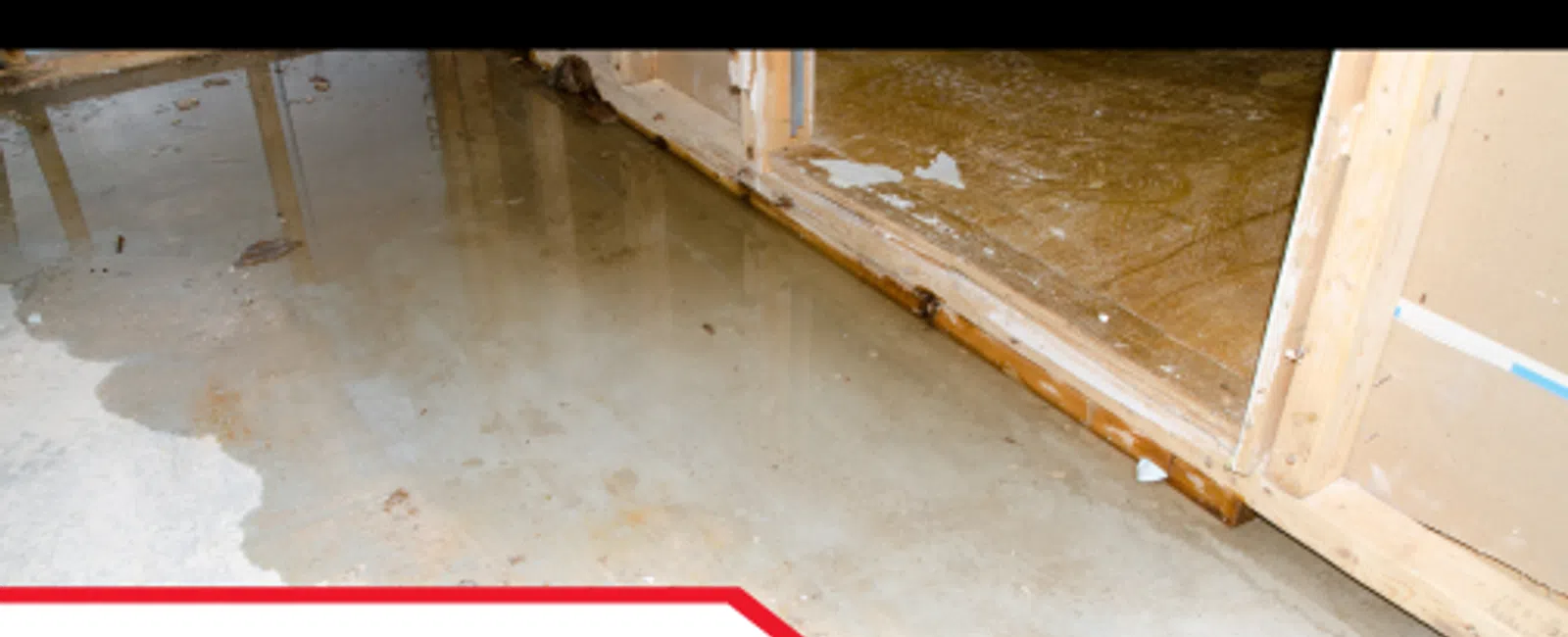
Licensed Inspector David L. recently highlighted this type of condition during an inspection. The buyers had previously walked through the home several months earlier and had not noticed significant concerns. During the later professional inspection, however, considerable moisture was visible across the concrete basement floor. The source was associated with the air-conditioning condensate system, and visible growth was also observed on framing in the affected area.
For homeowners and buyers throughout the Southeast, understanding how these conditions develop can help explain why the timing of a professional inspection matters.
Why a Previous Walkthrough Isn't Enough
A buyer may spend considerable time touring a home before deciding to purchase it. Even a detailed walkthrough, however, is only a snapshot of the property at that particular moment.
Conditions can change.
An HVAC component that was functioning during the initial visit may malfunction weeks later. A small amount of moisture may become a larger problem. Seasonal weather can change how frequently an air-conditioning system operates. Previously dry areas can become wet.
That means statements such as "the house was fine when we saw it" should not be treated as confirmation that the home's current condition is unchanged.
This distinction can be especially important for buyers relocating from another state. They may tour a property and then go weeks or months without seeing it again before moving forward with the purchase.
An independent inspection provides another opportunity to evaluate the property's visible condition closer to the transaction.
Understanding HVAC Condensate
Air-conditioning systems do more than cool indoor air. During operation, they also remove moisture from the air.
That moisture must go somewhere.
Water produced during the cooling process is generally collected and directed away from the equipment through a condensate drainage system. Depending on the system's configuration and location, a condensate pump may be used to move that water to an appropriate discharge point.
When everything is functioning properly, homeowners may never think about this process.
Problems become much more noticeable when the water does not drain correctly.
In the condition described by David L., the condensate pump was not operating properly. Moisture generated by the AC system was consequently overflowing onto the basement floor.
Why Condensate Problems Can Become Significant
A small mechanical component can sometimes create a surprisingly large amount of visible moisture when a problem continues unnoticed.
Air-conditioning equipment may operate frequently during warm Southeastern summers. As the system continues removing humidity from indoor air, condensate continues to be produced.
If that water cannot drain as intended, repeated operation can mean repeated overflow.
The result may not be a few isolated drops around the equipment. Over time, water can spread across a concrete slab and remain around nearby materials.
David described substantial moisture throughout the basement and indicated that the condition appeared to have been occurring for some time.
That duration is important because persistent moisture can affect more than the appearance of the floor.
What About the HVAC Shutoff?
The inspection also revealed another important detail: the shutoff mechanism had not stopped the system as expected.
Certain HVAC condensate configurations include mechanisms intended to respond when drainage problems cause water levels to rise. When those protections do not operate as intended, the AC may continue running and producing additional condensate.
This creates an important lesson for homeowners.
Having a component installed does not necessarily tell you whether that component is functioning properly.
An inspection looks beyond whether equipment simply exists. Where accessible and within the scope of the inspection, Licensed Inspectors can evaluate visible conditions and operation to identify concerns that deserve further attention.
Why Persistent Basement Moisture Matters
Water on a concrete basement floor may initially appear to be little more than an inconvenience. The larger concern is often what happens around the water.
Concrete itself is not the only material found in a basement.
Depending on the home's construction, the area may contain wood framing, HVAC equipment, insulation, stored materials, finished walls, flooring, electrical components, and other materials.
Persistent moisture can create conditions that affect surrounding building materials.
In this situation, visible growth was observed on framing in the basement. David noted that the condition had apparently been occurring for an extended period.
Rather than assuming what any visible growth may be, the important takeaway for buyers is that unexpected moisture and associated visible changes to building materials deserve further attention.
Moisture Problems May Be Easy to Miss
Basements are not always part of the home buyers examine most closely.
During a showing, attention naturally gravitates toward kitchens, bedrooms, bathrooms, flooring, appliances, and other everyday living spaces. Mechanical areas may receive only a quick glance.
That makes moisture particularly easy to overlook.
A basement may also appear completely different depending on when it is visited. If the HVAC system has not been operating heavily, an intermittent condensate problem may be less obvious. If equipment has been running extensively before the inspection, the resulting moisture may be much easier to detect.
Professional inspections help buyers look beyond the spaces and features that naturally attract attention during a showing.
Visible Growth Can Signal a Need for Further Evaluation
One notable condition in this basement was visible growth on framing near the moisture-affected area.
Homeowners should avoid automatically identifying visible growth based solely on appearance. Different substances can look similar, and determining exactly what is present may require appropriate testing or specialist evaluation.
However, its presence alongside an ongoing moisture condition provides useful information.
Moisture management should be taken seriously because controlling the source of unwanted water is an important part of maintaining a building.
Finding the source is therefore an essential step.
In this situation, the inspection provided an identifiable connection between the basement moisture and the AC condensate system.
Fixing the Source Matters
Drying the floor without addressing the underlying cause would not resolve the entire problem.
If the condensate pump continues malfunctioning, additional water can return the next time the air conditioner produces enough condensate.
A complete response to a moisture concern therefore starts by determining why the water is present.
The specific correction should be determined by an appropriately qualified professional based on the system and conditions involved. Depending on the circumstances, attention may be needed for the condensate pump, drainage arrangement, safety controls, and affected materials.
Once the source has been addressed, any materials affected by prolonged moisture can be appropriately evaluated.
Why Moisture Is Important in Southeastern Homes
Moisture deserves particular attention throughout the Southeast because air-conditioning systems can see substantial use during hot, humid portions of the year.
Homes in Atlanta, Charlotte, Raleigh, Greensboro, Greenville, Savannah, and Charleston can all experience extended periods when cooling systems are operating regularly.
Likewise, homeowners throughout Nashville and Chattanooga depend heavily on air conditioning during Tennessee summers.
More cooling operation can mean more condensate production.
That makes proper drainage an important part of HVAC operation and routine home maintenance.
This does not mean every condensate system will develop a problem. Rather, homeowners should recognize that the drainage side of an air-conditioning system deserves attention alongside the equipment responsible for cooling the home.
Basement Moisture Can Have Different Sources
While this particular situation involved AC condensate, homeowners should understand that basement moisture is not always caused by the HVAC system.
Water may enter or accumulate for a variety of reasons, and visible moisture alone does not establish its source.
That is why observation matters.
Inspectors can consider the visible location and pattern of moisture along with accessible systems and components in the area. The goal is to document what is present rather than make unsupported assumptions.
When further evaluation is appropriate, the inspection findings can help buyers determine their next step.
The Value of an Independent Inspection
The buyers associated with the condition David discussed had previously walked through the home and were reportedly told that an inspection was unnecessary because the property was in good shape.
They chose to have a third-party inspection anyway.
That decision illustrates an important principle for buyers: a professional inspection provides an independent assessment of visible and accessible conditions at the time of the inspection.
It is not about assuming that something must be wrong.
It is about verifying.
Even a well-maintained property can develop a malfunction. Mechanical equipment can fail between showings. Moisture can appear where none was previously visible.
The inspection gives buyers another source of information before they take ownership.
What Homebuyers Can Learn From Basement Conditions
Basements can provide valuable information about how a home is performing.
During an inspection, visible conditions around HVAC equipment, floors, framing, walls, and other accessible components may reveal concerns that are not apparent upstairs.
Homebuyers should pay attention to signs such as unexpected standing water, staining, unusual moisture patterns, deterioration, or visible changes to building materials.
None of these observations should automatically be treated as proof of a particular diagnosis.
Instead, they are clues that can help identify areas requiring additional attention.
Don't Assume "Repairable" Means "Ignore It"
David emphasized that the conditions observed could be repaired and addressed.
That is an important distinction.
Finding a defect during an inspection does not automatically mean a buyer should abandon a property. Homes require maintenance, components eventually malfunction, and many conditions have established repair options.
The value lies in discovering the issue before moving in.
Knowing about an overflowing condensate system gives buyers an opportunity to understand the problem, obtain appropriate professional guidance, and determine what should happen next.
Discovering a wet basement while unpacking moving boxes is a very different experience.
Professional Inspections Provide Better Information
LunsPro Inspection Group provides Southeastern Residential and Commercial Inspections designed to help clients better understand the properties they are purchasing or maintaining.
Professional Licensed Inspectors evaluate visible and accessible systems and components and document observed conditions so clients can make more informed decisions.
Whether a property is located in Nashville, Chattanooga, Atlanta, Charlotte, Raleigh, Greensboro, Greenville, Savannah, or Charleston, the same principle applies: the condition of a home should be evaluated based on what is present today, not simply how it appeared several months ago.
A house can change between visits. Mechanical components can stop working, water can accumulate, and conditions that were previously absent or unnoticed can become significant. In this instance, a malfunctioning AC condensate system had allowed moisture to overflow across the basement floor, while visible growth had developed on nearby framing. It was exactly the type of condition a casual walkthrough might not reveal.
For homebuyers, that is one of the strongest reasons to obtain an independent inspection even when a house appears to be in good condition. A professional inspection is not a prediction that something will be wrong. It is an opportunity to verify visible and accessible conditions before making one of life's largest purchases.
For Southeastern homeowners, moisture management and HVAC performance deserve ongoing attention, particularly during periods of heavy air-conditioning use. LunsPro Inspection Group and its Licensed Inspectors help clients look beyond appearances and better understand what is happening throughout the property.
A home may have looked perfectly dry the last time you visited. What matters when you're preparing to buy it is what condition it's in now.