New construction homes are often associated with quality, reliability, and modern building practices. For many homeowners, purchasing a newly built home comes with the expectation that everything has been installed correctly and meets current standards. However, even in new construction, issues can arise—sometimes in areas that are not immediately visible.
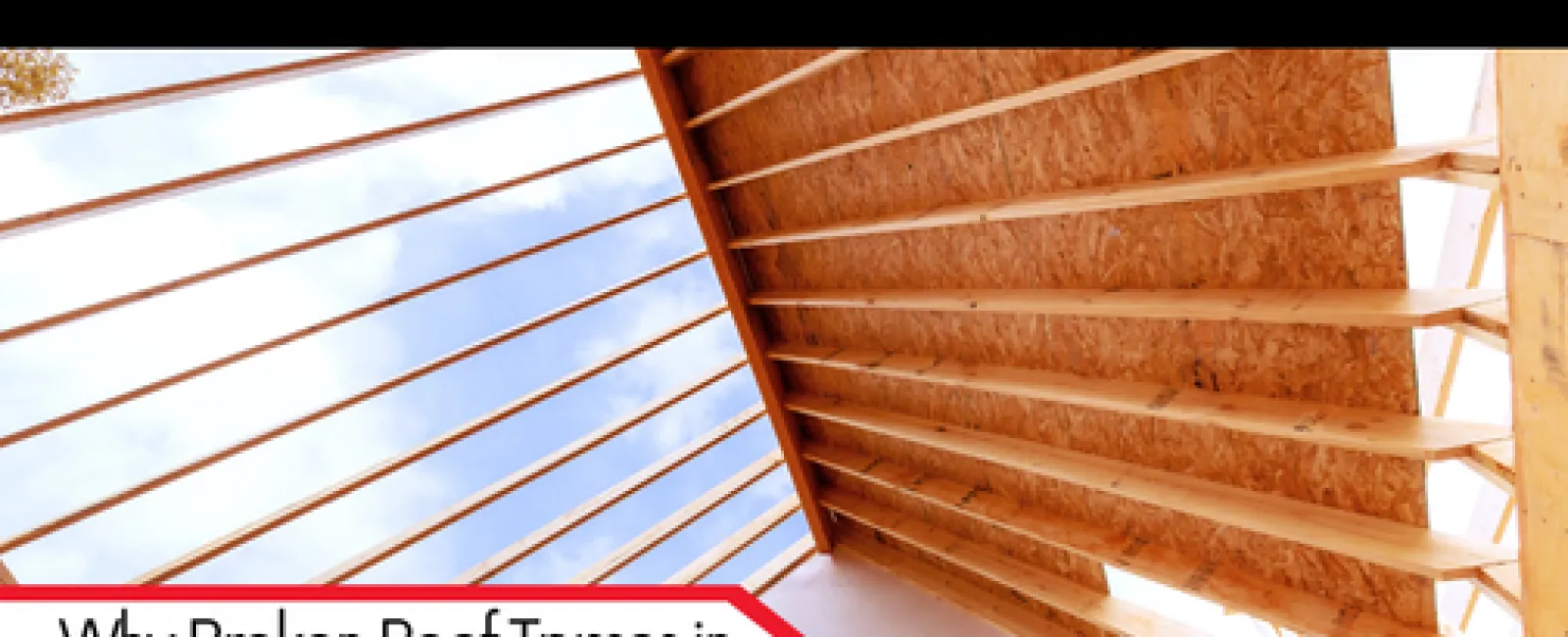
In a recent inspection, Licensed Inspector Kalynn C. identified broken roof trusses in a newly constructed home. Notably, one of the trusses appeared to be tied together rather than properly repaired or replaced. While this observation may seem unusual, it highlights an important reality: structural components in new homes can still have defects that require attention.
For homeowners across the Southeast, inspections conducted by LunsPro Inspection Group provide valuable insight into these types of conditions. Through comprehensive Southeastern Residential and Commercial Inspections, Licensed Inspectors evaluate structural elements like roof trusses to help homeowners better understand the condition of their property.
Understanding Roof Trusses and Their Role
Roof trusses are essential structural components that support the roof and help distribute loads across the home. They are typically engineered systems designed to work as a unified structure, providing stability and strength.
Each truss is carefully designed to:
- Support the weight of the roof
- Distribute loads evenly
- Maintain the shape and integrity of the structure
Because trusses are engineered systems, any damage or modification can affect how they perform.
What It Means When a Truss Is Broken
A broken truss is a condition that warrants attention because it involves a structural component of the home. Damage to a truss can occur for various reasons, including:
- Improper handling during construction
- Installation errors
- Material defects
- Accidental damage on-site
When a truss is broken, its ability to perform as designed may be affected. This is why Licensed Inspectors carefully document these conditions during an inspection.
Improper Repairs and Why They Matter
In the inspection observed by Licensed Inspector Kalynn C., one of the trusses appeared to be tied together rather than properly repaired. While this may have been intended as a temporary measure, it does not represent a standard structural repair.
Improper fixes can:
- Alter the load distribution of the truss
- Reduce structural reliability
- Create uncertainty about long-term performance
Because trusses are engineered components, repairs typically require specific methods to ensure the system continues to function as intended.
Why New Construction Can Still Have Structural Issues
It is a common misconception that new construction homes are free from defects. In reality, the building process involves multiple stages, materials, and teams working together under time constraints.
Factors that may contribute to issues in new construction include:
- Tight construction schedules
- Multiple subcontractors working on different phases
- On-site handling of materials
- Incomplete or rushed repairs
These conditions can sometimes result in oversights, even in critical areas like structural framing.
The Importance of Attic and Structural Inspections
Roof trusses are typically located in the attic space, which is an area that many homeowners rarely access. Because of this, structural issues can go unnoticed without a professional inspection.
Licensed Inspectors evaluate attic spaces by looking for:
- Visible damage to framing components
- Signs of improper repairs
- Overall structural condition
- Alignment and integrity of trusses
These evaluations provide valuable insight into parts of the home that are not easily visible.
Why This Matters for Southeastern Homeowners
Homes in the Southeastern United States are exposed to environmental factors that place additional demands on structural systems. Weather conditions such as humidity, rainfall, and occasional storms can influence how a home performs over time.
Structural components like roof trusses must be able to withstand:
- Seasonal weather changes
- Moisture exposure
- Long-term load stresses
When these components are compromised, it becomes especially important to understand their condition.
Through Southeastern Residential and Commercial Inspections, Licensed Inspectors consider these regional factors when evaluating homes.
The Role of Licensed Inspectors in Identifying Structural Concerns
Licensed Inspectors are trained to identify visible structural conditions and document their findings in a clear and objective manner. Their role is not to perform repairs but to provide insight into what is observed.
During an inspection, Licensed Inspectors:
- Evaluate accessible structural components
- Document visible damage or irregularities
- Provide clear descriptions of conditions
- Offer information that helps homeowners make informed decisions
This process ensures that homeowners have a better understanding of their property.
What Homeowners Can Learn from This Situation
The observation made by Licensed Inspector Kalynn C. provides several important takeaways:
1. New construction does not guarantee perfection.
Even newly built homes can have structural concerns.
2. Structural components require proper handling.
Trusses are engineered systems that should not be altered without proper methods.
3. Visible fixes are not always sufficient.
Temporary or improvised repairs may not address the underlying issue.
4. Inspections provide critical insight.
Professional evaluations help identify conditions that may otherwise go unnoticed.
These lessons highlight the importance of taking a proactive approach when evaluating a home.
How LunsPro Inspection Group Supports Homeowners
LunsPro Inspection Group provides comprehensive inspection services designed to help homeowners better understand their properties. Their Licensed Inspectors evaluate structural components, including roof systems, to identify visible conditions.
Through their inspections, homeowners receive:
- Detailed reports
- Clear documentation of findings
- Professional insights into structural conditions
- Information to support decision-making
This approach ensures that homeowners are informed and prepared.
A Broader Perspective on Structural Integrity
Structural integrity is one of the most important aspects of any home. Components like roof trusses play a critical role in maintaining the stability and performance of the structure.
By identifying and understanding conditions that affect these components, homeowners can take a more informed approach to maintaining their property.
Licensed Inspectors provide the expertise needed to evaluate these systems and document their condition.
The discovery of broken roof trusses in a new construction home—particularly one that appeared to be tied together—serves as a clear reminder that even new builds can have structural concerns. While the situation may seem unusual, it highlights the importance of careful evaluation and attention to detail.
For homeowners throughout the Southeast, working with professionals like LunsPro Inspection Group provides valuable insight into the condition of their property. Through thorough Southeastern Residential and Commercial Inspections, Licensed Inspectors help identify visible structural conditions and provide the information needed to make informed decisions.
Ultimately, home inspections are about more than identifying problems—they are about understanding the home as a whole. By prioritizing professional evaluations, homeowners can ensure that their property is not only new but also properly constructed and well understood.