Buying a home involves evaluating many systems that are easy to see. Buyers can walk through every room, inspect finishes, open cabinets, and examine appliances. However, one of the most important systems on the property is completely hidden underground: the sewer line. Because it cannot be seen during a typical showing, many buyers assume it is functioning properly without realizing that costly issues may already exist beneath the surface.
That is why a sewer scope has become one of the most valuable supplemental inspections available to homebuyers. By using a specialized camera to inspect the sewer line from the home to the municipal connection, Licensed Inspectors can identify visible conditions that would otherwise remain completely hidden until a backup, blockage, or expensive repair occurs.
Licensed Inspector Matt F. recently demonstrated exactly why he recommends a sewer scope with every home inspection. During a sewer camera inspection on a new construction home, he discovered a belly in the sewer line containing construction debris. The condition was located near the connection to the public sewer line beneath the street. As Matt explained, because of the location, repairing the issue could require excavation extending into the roadway—potentially making repairs significantly more complicated and expensive for the homeowner after closing.
For homeowners throughout Nashville, Chattanooga, Atlanta, Charlotte, Raleigh, Greensboro, Greenville, Savannah, Charleston, and the rest of the Southeast, inspections performed by LunsPro Inspection Group help uncover hidden conditions that cannot be identified during a standard walkthrough. Through comprehensive Southeastern Residential and Commercial Inspections, Licensed Inspectors evaluate not only what is visible above ground, but also important underground systems through services such as a sewer scope.
What Is a Sewer Scope?
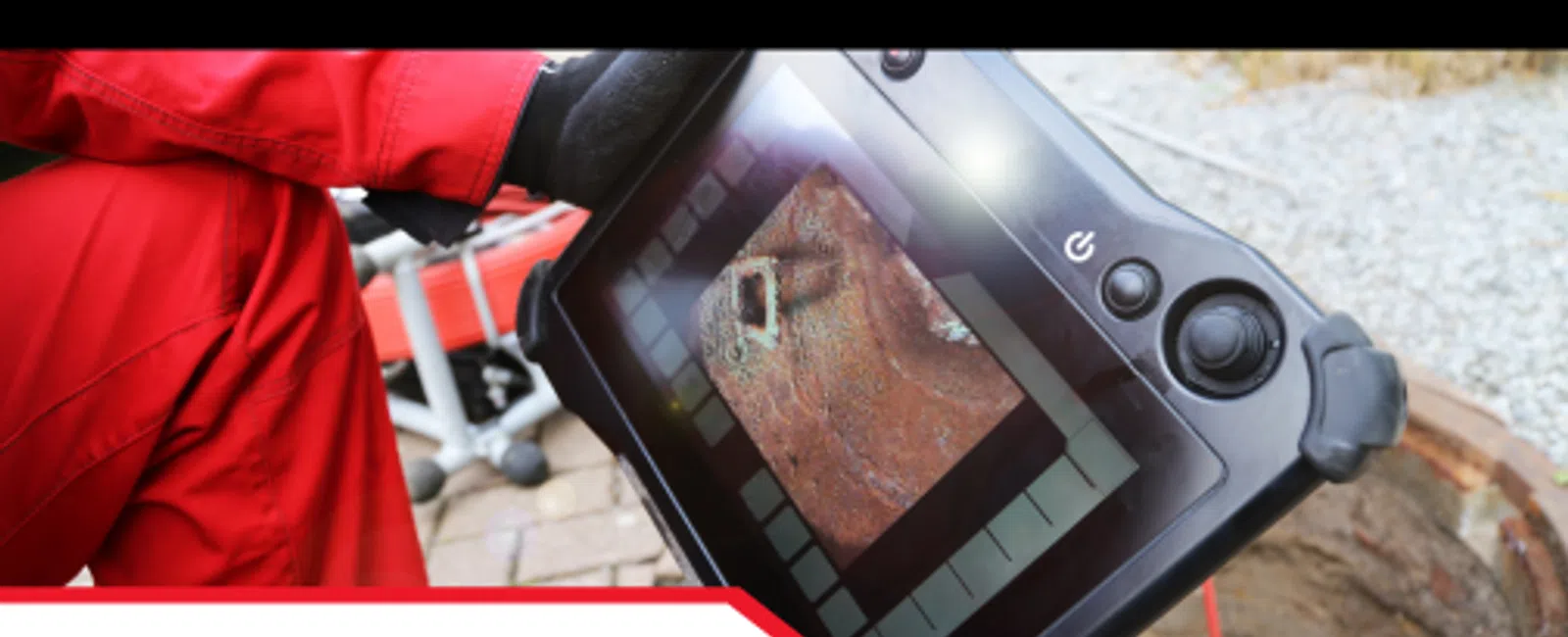
A sewer scope is a specialized inspection that uses a waterproof camera attached to a flexible cable. The camera is inserted into the home's sewer line through an accessible cleanout or plumbing access point and travels through the underground piping.
As the camera moves through the pipe, it records video that allows inspectors to observe visible conditions inside the sewer line.
A sewer scope may reveal conditions such as:
- Standing water
- Pipe bellies
- Construction debris
- Root intrusion
- Cracks
- Separated joints
- Offset connections
- Blockages
- Pipe damage
Unlike a standard plumbing inspection, which primarily evaluates fixtures and visible plumbing components, a sewer scope specifically evaluates the underground drain line leaving the home.
Why Sewer Lines Are Often Overlooked
Most buyers spend considerable time evaluating kitchens, bathrooms, flooring, roofing, and appliances.
Very few people think about what happens after wastewater disappears down the drain.
The sewer line is expected to work silently in the background.
Because it is buried underground, homeowners rarely have an opportunity to observe its condition until something goes wrong.
By then, symptoms may include:
- Slow drains
- Sewage backups
- Standing water
- Yard settlement
- Costly excavation
A sewer scope provides an opportunity to inspect this critical system before problems become emergencies.
New Construction Does Not Guarantee a Perfect Sewer Line
One of the most important lessons from Matt F.'s inspection is that the home was brand new.
Many buyers believe sewer problems only occur in older homes.
In reality, new construction sewer lines can also develop issues.
Construction sites involve heavy equipment, multiple contractors, and extensive underground work.
Potential issues can occur during installation, including:
- Improper grading
- Pipe movement
- Construction debris
- Installation defects
- Backfill settlement
Because these conditions are hidden underground, they often remain unnoticed unless a sewer scope is performed.
What Is a Belly in a Sewer Line?
During this inspection, Matt identified a belly in the sewer line.
A belly refers to a section of pipe that has settled lower than surrounding sections.
Instead of maintaining a consistent slope, the pipe develops a low point where water and waste can collect.
Standing water may remain inside the pipe even after normal drainage has finished.
Over time, this low area can collect additional debris.
A sewer belly does not necessarily stop drainage immediately, but it creates conditions that can contribute to future problems.
Construction Debris Inside the Pipe
Matt also observed construction debris collected within the belly.
Construction debris inside sewer lines may include:
- Dirt
- Gravel
- Drywall material
- Concrete residue
- Building debris
When debris settles inside a low section of pipe, it may reduce the pipe's ability to move wastewater efficiently.
The combination of a belly and accumulated debris creates a condition that deserves attention before the homeowner takes ownership.
Why Location Matters
One of the most significant aspects of this inspection was where the issue occurred.
The sewer belly was located near the connection to the public sewer system beneath the street.
Matt explained that repairs in this location could potentially require excavation involving the roadway itself.
Depending on local utility ownership and municipal requirements, repairs near public infrastructure may become considerably more involved than repairs located entirely on private property.
While every municipality has its own procedures, the location alone makes identifying the issue before closing especially valuable.
Why Sewer Repairs Can Become Expensive
Unlike replacing an appliance or repairing a fixture, sewer repairs often require excavation.
Potential repair considerations may include:
- Excavating landscaping
- Removing sidewalks
- Cutting concrete
- Accessing paved driveways
- Excavating streets
- Utility coordination
Because underground work can be extensive, identifying visible sewer conditions before purchasing a home allows buyers to make informed decisions before assuming responsibility.
Sewer Scopes Provide Information Buyers Cannot Get Elsewhere
A traditional home inspection provides tremendous value, but underground sewer lines remain hidden without specialized equipment.
A sewer scope provides additional insight by evaluating:
- Pipe alignment
- Drainage conditions
- Visible obstructions
- Material condition
- Connection areas
- Underground performance
This additional information helps complete the overall picture of the property's condition.
Why Southeastern Homeowners Benefit from Sewer Scopes
Throughout the Southeast, expanding residential development has resulted in thousands of newly constructed homes.
Cities including:
- Nashville
- Chattanooga
- Atlanta
- Charlotte
- Raleigh
- Greensboro
- Greenville
- Savannah
- Charleston
continue to see substantial residential growth.
Whether purchasing a newly built home or an older property, underground sewer systems deserve attention because they remain hidden from normal view.
A sewer scope adds valuable information regardless of the home's age.
What Licensed Inspectors Look For During a Sewer Scope
During a sewer camera inspection, Licensed Inspectors evaluate visible conditions including:
- Pipe material
- Pipe slope
- Standing water
- Debris accumulation
- Joint alignment
- Visible defects
- Obstructions
- Overall drainage characteristics
The inspection documents observable conditions present at the time of the evaluation.
If concerns are identified, additional evaluation or repairs may be recommended by the appropriate qualified professionals.
Why Matt Recommends Sewer Scopes on Every Home
Matt's recommendation is simple:
"I recommend sewer scopes on all my home inspections."
His reasoning reflects practical experience.
Many sewer issues remain completely invisible until a camera inspection is performed.
The inspection performed on this new construction home demonstrates that underground defects are not limited to aging properties.
Even newly installed systems can contain conditions worth identifying before closing.
Benefits of Identifying Problems Before Closing
Finding sewer issues before purchasing a home provides several advantages.
Buyers gain the opportunity to:
- Better understand the property's condition
- Discuss findings with the seller
- Plan for future repairs
- Avoid unexpected discoveries after moving in
While every transaction differs, additional information generally leads to better-informed decisions.
What Homeowners Should Remember
Matt's inspection offers several valuable lessons.
A new home can still have underground defects.
Hidden systems deserve inspection.
Construction debris should not remain inside sewer lines.
Location influences repair complexity.
A sewer scope provides information unavailable through a standard walkthrough.
Why LunsPro Inspection Group Recommends Sewer Scopes
LunsPro Inspection Group believes informed homeowners make better decisions.
Through comprehensive Southeastern Residential and Commercial Inspections, their Licensed Inspectors evaluate both visible systems and specialized components that often require additional equipment.
Adding a sewer scope provides valuable insight into one of the home's most expensive hidden systems.
Whether purchasing a newly constructed property in Nashville, a historic home in Savannah, a suburban home in Charlotte, or an investment property in Atlanta, understanding the condition of the sewer line helps reduce surprises after closing.
Matt F.'s sewer scope inspection demonstrates that some of the most important defects in a home are located where buyers never have the opportunity to look. In this case, a brand-new home's sewer line contained both a belly and construction debris near the connection to the public sewer system. Without a camera inspection, the condition may have remained undiscovered until significant repairs became necessary.
For homeowners across Nashville, Chattanooga, Atlanta, Charlotte, Raleigh, Greensboro, Greenville, Savannah, Charleston, and throughout the Southeast, LunsPro Inspection Group provides detailed Southeastern Residential and Commercial Inspections that go beyond the visible portions of a property. By combining traditional home inspections with valuable services like a sewer scope, Licensed Inspectors help buyers better understand both the home they can see and the critical systems hidden beneath it.
A sewer line may be out of sight, but it should never be out of mind. Investing in a sewer scope before closing can provide valuable information, improve confidence in your purchase, and help identify hidden conditions before they become costly surprises.