
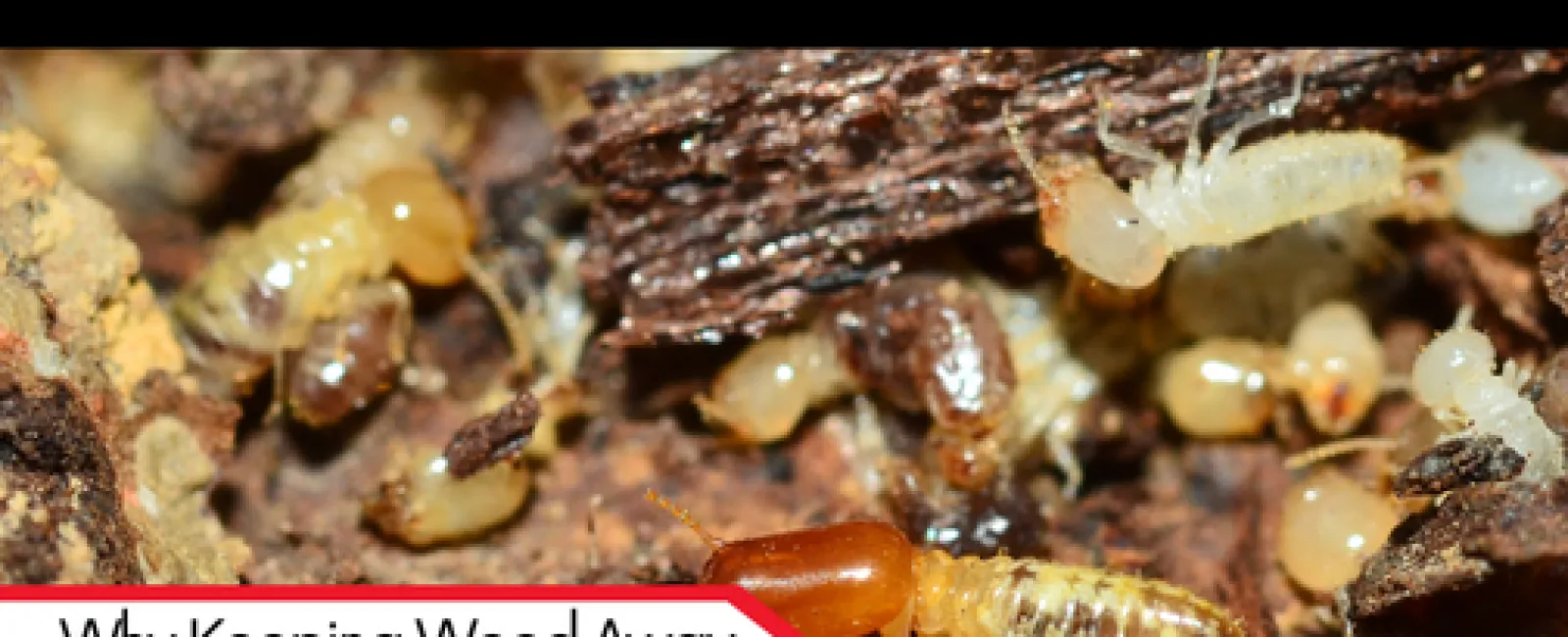
Termites are one of the most common concerns for homeowners, particularly in the Southeastern United States where climate conditions create an ideal environment for their activity. While many homeowners focus on major preventative measures, some of the most impactful factors are often the simplest. Small habits around the home can influence whether a property becomes more attractive to termites over time.
In a recent inspection moment, Licensed Inspector Kalynn C. highlighted a common oversight—keeping wood stacked directly next to the home. While this may seem convenient for storage or accessibility, it can create conditions that attract termite activity. Even though the example was shared in a lighthearted way, it reinforces an important principle: how materials are stored around your home can influence pest behavior.
For homeowners throughout the Southeast, inspections conducted by LunsPro Inspection Group provide valuable insight into these types of conditions. Through comprehensive Southeastern Residential and Commercial Inspections, Licensed Inspectors identify environmental factors that may contribute to potential concerns, helping homeowners better understand how to protect their property.
Understanding Why Termites Are Attracted to Wood
Termites naturally feed on cellulose, a component found in wood and other plant-based materials. Because of this, any wood material placed near a home can become a point of interest.
Wood stored directly against a home creates an accessible food source that is close to the structure itself. This proximity increases the likelihood that termite activity, if present, could extend toward the home.
Common examples of wood materials that may attract termites include:
- Firewood stacks
- Lumber or construction materials
- Wooden debris or yard waste
- Landscape timbers
Even when these materials are intended for short-term use, their placement can influence termite behavior.
Why Placement Matters
The location of wood around a home is just as important as the presence of the material itself. When wood is placed directly against the exterior of a home, it creates a bridge between the ground and the structure.
This setup can:
- Provide easy access points for termites
- Increase moisture retention near the foundation
- Reduce visibility of potential activity
By contrast, storing wood away from the home helps reduce these risks and creates a clearer separation between potential attractants and the structure.
The Role of Moisture in Termite Activity
In addition to wood, termites are also attracted to moisture. The Southeastern climate—characterized by humidity and rainfall—naturally supports conditions that termites thrive in.
Wood stored near the home can retain moisture, especially when exposed to:
- Rainfall
- Humidity
- Ground contact
This combination of wood and moisture creates an environment that is more appealing to termites.
Through Southeastern Residential and Commercial Inspections, Licensed Inspectors evaluate how environmental conditions like these may impact a home.
Why This Is a Common Oversight
Many homeowners store wood near their homes for convenience. Firewood, in particular, is often kept close to entry points for easy access during colder months.
However, this convenience can lead to unintended consequences. Because the risk is not always immediately visible, it is easy to overlook.
The example shared by Licensed Inspector Kalynn C. highlights how even routine habits—like where wood is stored—can influence a home's overall condition.
What Inspectors Look For Around the Exterior
During an inspection, Licensed Inspectors evaluate the exterior of a home to identify conditions that may contribute to pest activity or other concerns.
This includes observing:
- Storage of materials near the foundation
- Landscaping and ground contact elements
- Visible environmental conditions
- Areas where moisture may accumulate
By documenting these observations, inspectors provide homeowners with a clearer understanding of how their property interacts with its surroundings.
Simple Steps Homeowners Can Take
Preventing termite attraction does not always require complex solutions. In many cases, small adjustments can make a meaningful difference.
Homeowners can consider:
- Storing wood away from the home
- Keeping materials elevated off the ground
- Monitoring areas near the foundation
- Maintaining clear space between landscaping and the structure
These steps help reduce the likelihood of creating conditions that attract termites.
Why Southeastern Homeowners Should Be Proactive
The Southeastern United States provides an environment where termite activity is more common due to climate conditions. Because of this, homeowners in the region benefit from taking a proactive approach.
Environmental factors such as:
- High humidity
- Frequent rainfall
- Warm temperatures
can all contribute to termite activity. Being aware of how everyday habits influence these conditions is an important part of maintaining a home.
The Value of Professional Inspections
Professional inspections provide an additional layer of awareness for homeowners. Licensed Inspectors are trained to identify conditions that may not be immediately obvious.
Through inspections conducted by LunsPro Inspection Group, homeowners receive:
- Detailed observations of visible conditions
- Insight into environmental factors
- Guidance on areas to monitor
This information helps homeowners make informed decisions about their property.
A Broader Perspective on Home Maintenance
Termite prevention is just one aspect of overall home maintenance. The way materials are stored, how landscaping is managed, and how moisture is controlled all contribute to the condition of a home.
By taking a holistic approach, homeowners can create an environment that supports long-term durability and performance.
Licensed Inspectors play a key role in identifying these factors during inspections.
What Homeowners Can Learn from This Moment
The lighthearted example shared by Licensed Inspector Kalynn C. offers several practical takeaways:
1. Small habits matter.
Where materials are stored can influence pest activity.
2. Proximity increases risk.
Wood placed against the home creates easier access points.
3. Moisture plays a role.
Environmental conditions can make wood more attractive to termites.
4. Awareness is key.
Recognizing these factors helps homeowners make better decisions.
These insights highlight how simple changes can support better home maintenance.
How LunsPro Inspection Group Supports Homeowners
LunsPro Inspection Group is committed to helping homeowners better understand their properties through comprehensive inspection services. Their Licensed Inspectors evaluate both major systems and environmental factors that may influence the home.
Through their inspections, homeowners receive:
- Clear documentation of observations
- Professional insight into property conditions
- Guidance for maintaining their home
This approach ensures that homeowners are informed and prepared.
The observation made by Licensed Inspector Kalynn C.—highlighting wood stored next to a home—serves as a simple but meaningful reminder of how everyday choices can impact property conditions. While the example was shared in a light and approachable way, it reflects an important aspect of home maintenance.
For homeowners throughout the Southeast, working with professionals like LunsPro Inspection Group provides valuable insight into these types of conditions. Through detailed Southeastern Residential and Commercial Inspections, Licensed Inspectors help identify factors that may contribute to potential concerns, including those related to termite activity.
Ultimately, maintaining a home is about understanding how small details contribute to the bigger picture. By staying aware and making simple adjustments, homeowners can better protect their property and support its long-term condition.