
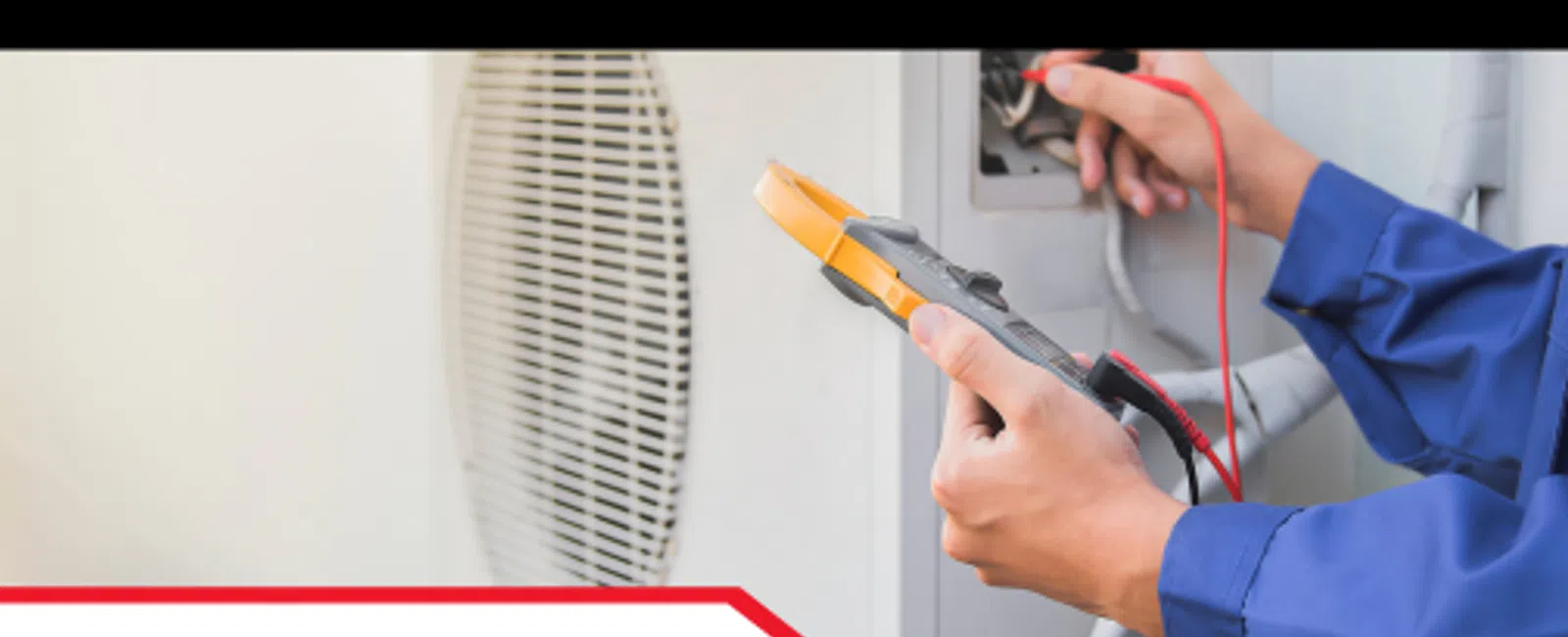
When summer heat settles into the Southeast, homeowners depend heavily on their HVAC systems. In places like Tennessee, where long stretches of warm weather can put serious demand on cooling equipment, air conditioning is not just about comfort—it plays a major role in how livable and functional a home feels day to day. That is why HVAC maintenance deserves attention every year, even in homes that seem relatively new.
During a recent inspection in Soddy-Daisy, Tennessee, Licensed Inspector Jared W. identified a cooling gas leak in a home that was only four years old. According to Jared, the concentration was significant enough to trigger a "ghost fire alarm" condition, underscoring that even newer homes can develop major HVAC-related defects. His takeaway was straightforward and practical: homeowners should service their HVAC systems at least once a year, especially during the hottest part of the year, and should never assume that a newer home is automatically free from defects.
For buyers and homeowners across the Southeast, this is an important reminder. A house can look modern, clean, and recently built while still hiding issues inside one of its most important mechanical systems. That is one reason LunsPro Inspection Group emphasizes thorough Southeastern Residential and Commercial Inspections performed by experienced Licensed Inspectors. Home inspections are not just about finding obvious damage. They are also about identifying the visible signs of developing problems in systems homeowners rely on every single day.
Many people assume HVAC problems belong to older homes. It makes sense on the surface: older equipment has more wear, older homes may have deferred maintenance, and aging systems naturally draw more suspicion. But Jared's inspection in a four-year-old home is a strong reminder that age alone does not guarantee reliability. HVAC defects can show up in newer systems, newer installations, and newer homes, especially when routine service is skipped or underlying issues go unnoticed.
That matters even more in Southeastern markets like Nashville and Chattanooga, where cooling systems work hard for much of the year. Homes in these areas often experience long hot seasons, humidity, and repeated system cycling during summer. Those conditions make preventive HVAC maintenance one of the smartest habits a homeowner can build. And for buyers, they make a professional inspection even more valuable—because it helps verify that the home's comfort system is performing the way it should at the time of the inspection.
Why HVAC Maintenance Matters So Much in the Southeast
In the Southeast, HVAC systems do not get much downtime. Even before the peak of summer arrives, many homeowners are already running their air conditioning regularly. By mid-summer, systems may be operating daily for long stretches, often under high outdoor temperatures and heavy indoor cooling demand.
That workload matters because HVAC equipment is a mechanical system. It contains moving parts, refrigerant components, electrical controls, airflow pathways, and condensate management features that all need to work together properly. If one part of that system begins to fail, the result may not be immediately dramatic. It might start as reduced efficiency, uneven cooling, short cycling, or rising utility costs. In other cases, it may present as a more direct defect—such as the cooling gas leak Jared identified.
For Southeastern homeowners, annual HVAC service is not just a nice seasonal reminder. It is a practical maintenance step that can help keep the system operating closer to its intended performance during the months when it is needed most.
A Newer Home Is Not the Same as a Defect-Free Home
One of the most useful lessons from Jared's inspection is that a four-year-old home can still have a major HVAC issue. That point is worth repeating because it pushes back against a common misconception in residential real estate: newer equals trouble-free.
A newer home may have newer finishes, newer appliances, and newer mechanical systems, but it can still have:
- Installation issues
- Early component failure
- Incomplete maintenance
- Refrigerant-related problems
- Defects that only become visible under use
- Issues that were not obvious during a builder walkthrough
That does not mean newer homes are inherently problematic. It means they still need to be inspected and maintained like any other home. The idea that a four-year-old system "should be fine" can lead homeowners to delay service, skip inspections, or ignore subtle warning signs. Jared's example is a good reminder that the age of the home should never be the only factor guiding maintenance decisions.
What Jared Found: A Cooling Gas Leak in a 4-Year-Old Home
Jared W. explained that during an inspection in Soddy-Daisy, Tennessee, he detected a cooling gas leak in a four-year-old home. He also noted that the concentration was high enough to trigger a ghost fire alarm condition. Without adding speculation beyond what he observed, the practical takeaway is clear: this was not a minor issue to brush off. It was a defect significant enough to reinforce the need for routine HVAC servicing and careful inspection.
Cooling gas leaks matter because the HVAC system depends on the correct refrigerant charge and proper sealed operation to cool effectively. When a leak develops, the system's performance can be affected, and the problem can worsen over time if it is not addressed. A newer system with a refrigerant-related issue is still a system that needs professional attention.
This is exactly the kind of finding that demonstrates why home inspections are about more than cosmetic condition. A house can look excellent and still contain a meaningful mechanical defect.
Why Annual HVAC Service Is Worth It
Jared's recommendation was simple: service your HVAC system at least once a year, especially in the middle of summer. That is solid advice for Southeastern homeowners because annual service helps create a consistent opportunity to identify issues before they become more disruptive.
Routine HVAC service can help with:
- Identifying visible leaks or performance concerns
- Checking system operation before peak seasonal demand
- Catching developing issues earlier
- Confirming that the system is cooling effectively
- Reviewing filters, airflow, and basic maintenance needs
- Reducing the likelihood of discovering a problem only after comfort is affected
Annual service does not guarantee that no defect will occur, but it creates a regular checkpoint. In climates like Tennessee, where cooling systems are heavily used, that checkpoint matters.
Why HVAC Problems Can Be Easy to Miss
Many homeowners do not realize something is wrong with their HVAC system until comfort changes noticeably. The house may take longer to cool, the system may run constantly, certain rooms may feel warmer, or the thermostat may never quite reach the desired setting. But not every issue announces itself that clearly at first.
Some problems remain hidden because the homeowner is simply used to the way the system behaves. Others stay out of view because the equipment is located in an attic, crawl space, closet, or mechanical area that the homeowner does not inspect closely. That is one reason inspections performed by Licensed Inspectors are so useful. A home inspection creates an opportunity to evaluate the visible operation of key systems, including HVAC, and identify conditions that deserve closer attention.
In Jared's case, the inspection revealed a cooling gas leak in a home that many buyers might have assumed was too new to have a major HVAC issue. That is exactly why professional evaluation matters.
Why This Matters in Nashville and Chattanooga
Homeowners in Nashville and Chattanooga know how demanding Tennessee summers can be. Long hot afternoons, high humidity, and repeated cooling cycles can place steady pressure on HVAC equipment, especially during the middle of summer when systems may be running every day.
For buyers in these markets, HVAC performance should be treated as a major part of the inspection process. A home's cooling system is not a background detail. It directly affects comfort, budget, and day-to-day livability. And because homes in both Nashville and Chattanooga range from new construction to older renovations to suburban resale properties, buyers should not assume that age alone tells them everything they need to know about the HVAC system.
A newer home may still have a defect. An older home may have a recently replaced unit that still deserves review. A flipped property may look polished while the system history remains unclear. In every case, inspection and maintenance provide better clarity than assumptions.
Why "Looks Fine" Is Not a Maintenance Plan
One of the challenges with HVAC systems is that homeowners often judge them by a simple question: "Is it blowing cold air right now?" While that is an understandable starting point, it is not the whole picture. A system can still produce cool air and still have an issue developing behind the scenes.
A refrigerant-related concern, airflow problem, electrical issue, or maintenance-related deficiency may not immediately cause total failure. But if it goes unnoticed, it can eventually affect comfort, efficiency, or system longevity. That is why annual servicing and periodic inspection matter. They create opportunities to catch the smaller warning signs before they turn into bigger problems.
Jared's inspection is a good example of that principle. The home was newer. The defect was still there. Without inspection, the homeowner may not have realized the seriousness of the issue until the system performance changed more dramatically or the problem worsened.
The Broader Homeownership Lesson: New Does Not Mean Exempt
This HVAC finding also connects to a broader lesson that shows up again and again in home inspections: new homes and newer homes are not exempt from defects. Across the Southeast, Licensed Inspectors regularly find issues in relatively new properties involving roofs, plumbing, electrical systems, decks, moisture intrusion, and HVAC equipment.
That does not mean new homes are bad purchases. It means buyers should approach them with the same practical mindset they would bring to any other property:
- Get a professional inspection
- Pay attention to system-specific recommendations
- Maintain major components on a schedule
- Do not assume the age of the house eliminates the need for diligence
That mindset helps buyers make better decisions and helps homeowners protect the systems they depend on most.
What Homeowners Should Take Away From Jared's HVAC Video
Jared's message gives homeowners several practical takeaways:
1. Service your HVAC system at least once a year.
Especially in the Southeast, annual service is a smart maintenance habit.
2. Newer homes can still have serious defects.
A four-year-old home can still have a significant HVAC issue.
3. Summer is not the time to ignore HVAC maintenance.
Peak cooling season is exactly when you want your system performing reliably.
4. Inspections help uncover issues that aren't obvious.
Not every HVAC problem announces itself clearly before it becomes disruptive.
5. Home age should never replace due diligence.
Whether a home is four years old or forty, the systems still deserve evaluation.
How LunsPro Inspection Group Helps Homeowners Understand Their Systems
LunsPro Inspection Group works with buyers and homeowners across the Southeast to provide detailed, practical evaluations of residential properties. Through comprehensive Southeastern Residential and Commercial Inspections, their Licensed Inspectors help clients understand the visible condition of major home systems, including HVAC, roofing, electrical, plumbing, and structural components.
That kind of inspection matters because it moves the conversation beyond guesswork. Instead of assuming a home is "probably fine" because it is newer, buyers get a clearer picture of what is actually visible at the time of the inspection. And instead of treating HVAC maintenance as optional until something breaks, homeowners can use inspection findings as a reminder to stay ahead of problems while the system is still operating.
For markets like Nashville and Chattanooga, where HVAC systems play such a major role in everyday comfort, that perspective is especially valuable.
Jared W.'s HVAC finding in a four-year-old Tennessee home is a strong reminder that newer homes still need maintenance, and newer systems can still develop serious defects. In this case, a cooling gas leak was significant enough to reinforce a simple but important message: annual HVAC service matters, especially during the hottest part of the year when cooling systems are working the hardest.
For homeowners and buyers across the Southeast, inspections performed by LunsPro Inspection Group provide valuable insight into the systems that keep a home comfortable, functional, and safe. Through thorough Southeastern Residential and Commercial Inspections, Licensed Inspectors help identify visible issues, reinforce smart maintenance habits, and remind homeowners that "newer" should never be confused with "maintenance-free."
The bottom line is simple: if your HVAC system is responsible for getting you through a Tennessee summer, it deserves attention before it becomes a problem. Annual service, paired with a professional home inspection, gives homeowners a much better chance of catching issues early and keeping one of the home's most important systems working when it matters most.