
Historic buildings and landmarks are important parts of a community's identity. Whether they are churches, homes, public buildings, or memorial grounds, these properties often represent generations of local history. They provide a connection to the people who lived, worked, gathered, and contributed to the surrounding area. Even when a historic property no longer serves its original purpose, it can remain meaningful to residents who appreciate its architecture, traditions, and place within the community.
Preserving these spaces does not always require a major restoration project. Sometimes, smaller acts of care and maintenance can help protect their surroundings and demonstrate respect for the people associated with them. Clearing fallen branches, maintaining accessible grounds, and addressing visible damage are examples of practical responsibilities that can contribute to the continued care of an older property. When historic structures or memorial spaces are involved, those activities should be approached thoughtfully and with appropriate permission.
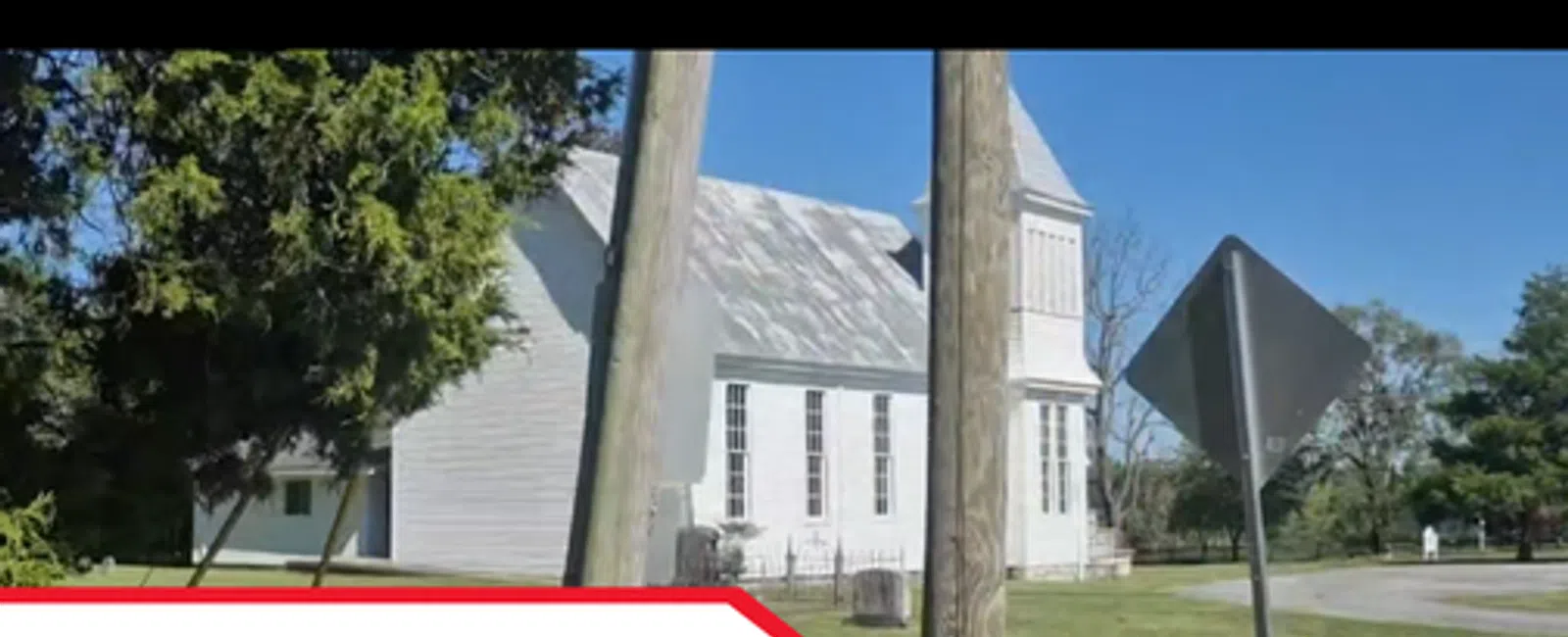
Licensed and Certified Inspector Jared W. of LunsPro Inspection Group recently shared an example of community involvement at a historic church in Chickamauga, GA. According to Jared, the church stopped holding regular weekly services sometime around the 1980s, although he noted that the exact timeline was based on what he had been told. The building continues to be used for weddings and an annual Christmas service. After a large tree branch fell onto old gravestones during a windstorm, Jared volunteered to help clear the debris and organize the branches.
For homeowners and community members throughout Chattanooga, TN; Nashville, TN; Atlanta, GA; Charlotte, NC; Raleigh, NC; Greensboro, NC; Greenville, SC; Savannah, GA; and Charleston, SC, the broader message is relevant: caring for historic places helps communities maintain a connection to their past while encouraging responsibility and service in the present.
Historic Churches Are Part of Community Heritage
Historic churches often represent more than their original religious function.
For many communities, they have served as gathering places, hosted important life events, and provided spaces where generations of residents came together.
The church Jared visited in Chickamauga offers an example of how a building's role can change over time while its significance remains.
Jared explained that the church no longer operates as a regular weekly congregation. However, it continues to host weddings and a large Christmas service each year.
These occasional gatherings demonstrate that a historic property can remain connected to its community even after regular activities have ended.
The building's history, surroundings, and traditions can continue to hold meaning for those who appreciate the area.
Why Older Community Buildings Need Ongoing Care
Buildings do not stop requiring attention simply because they are used less frequently.
Roofs, exterior materials, surrounding trees, landscaping, and other property features remain exposed to ordinary environmental conditions.
A historic building that hosts occasional events may still require regular observation and maintenance.
Jared mentioned that the church did not receive regular maintenance and that those associated with the property appreciated whatever help they could receive.
That observation highlights a challenge that some older community properties face.
Even when a building remains meaningful, the people responsible for it may have limited opportunities or resources to address every maintenance task.
Thoughtful volunteer assistance can be valuable when it is coordinated with those responsible for the property.
Storm Damage Can Affect More Than Buildings
When homeowners think about windstorm damage, they often focus on roofs, siding, windows, and other parts of a structure.
However, storms can also affect trees, landscaping, fences, memorials, and surrounding grounds.
At the Chickamauga church, Jared explained that a large branch had broken away from a nearby tree during a significant windstorm.
The branch fell across several old gravestones.
Although the transcript does not establish whether the gravestones themselves were damaged, the fallen branch was clearly affecting the area.
Jared decided to help clear the material and stack it neatly.
The situation illustrates why storm-related property observations should include surrounding grounds rather than focusing exclusively on the building.
Fallen Branches Deserve Careful Attention
A large fallen tree branch can be difficult to move.
Its size, weight, position, and relationship to nearby objects can all affect how it should be handled.
In Jared's situation, the branch had fallen onto an area containing historic gravestones.
That made careful handling especially important.
The objective was not simply to move the material as quickly as possible.
It was to clear the area while respecting the memorial features nearby.
Homeowners encountering similar situations should consider whether the work can be performed safely and whether professional assistance is appropriate.
Large branches, unstable trees, and debris under tension can create hazards that should not be underestimated.
Respecting Historic Gravestones and Memorial Areas
Historic gravestones may have personal, cultural, or community significance.
They can represent individuals whose lives were connected to the surrounding area long before current residents arrived.
When debris falls onto a memorial area, cleanup requires particular consideration.
Jared specifically mentioned wanting to clear the branches from the gravestones and pay his respects to those buried there.
That attitude is important.
Memorial grounds should not be treated as ordinary storage or disposal areas.
When work is necessary, the surrounding features should be respected, and activities should be coordinated with the appropriate property representatives.
Community Service Can Begin With a Simple Need
One of the most meaningful aspects of Jared's commentary was the simplicity of his decision.
He knew of a historic church near where he lived.
A storm had left a large branch across its gravestones.
The property did not receive regular maintenance.
Jared saw an opportunity to help.
His plan was to clear the fallen branch and stack the material neatly for those responsible for the grounds.
The activity was not presented as a major restoration project or an organized public event.
It was a practical response to a specific need.
For homeowners interested in community involvement, that approach provides a useful reminder that service does not always have to be complicated.
Why Volunteer Help Matters
Volunteer efforts can support community spaces in ways that are both practical and personal.
The practical benefit may involve helping complete an approved cleanup or maintenance task.
The personal benefit comes from showing that someone cares about the place and the people connected to it.
Historic buildings can hold meaning for residents who may not have the time or resources to participate in ongoing maintenance.
When volunteers contribute appropriately, they demonstrate that these places remain important.
However, good intentions should always be paired with communication and permission.
Historic properties, cemeteries, and memorial grounds may have specific rules governing maintenance and alterations.
Historic Preservation Is More Than Major Restoration
The phrase historic preservation often brings to mind extensive building restoration.
People may imagine replacing deteriorated materials, restoring original architectural details, or completing large rehabilitation projects.
Those activities can be important, but they are not the only ways communities can care for historic places.
Preservation also involves awareness.
Residents can recognize when a property needs attention, respect its historical significance, and support appropriate maintenance efforts.
Jared's cleanup was not a structural restoration or formal preservation project.
It was an act of community care directed toward the grounds of a historic church.
That distinction matters because the work should be described accurately while still recognizing its value.
Why Community History Deserves Recognition
Historic buildings can provide a tangible connection to earlier generations.
They may remind residents of how a neighborhood developed, where people gathered, or what traditions were important to the community.
Jared expressed his appreciation for the history surrounding Chickamauga.
That appreciation was part of his motivation for helping at the church.
For homeowners, learning about local history can encourage a stronger connection to their neighborhoods.
Understanding the significance of nearby buildings and memorials may also inspire residents to support appropriate preservation and maintenance efforts.
The Role of Trees Around Older Properties
Mature trees are common features around many established properties.
They can contribute to the character and appearance of a site, particularly when surrounding historic buildings.
However, trees also require attention as they age and experience changing weather conditions.
Jared's commentary confirms that a large branch broke away during a windstorm.
It does not establish that the tree was diseased, improperly maintained, or structurally defective.
Those conclusions would require additional evidence.
The broader lesson is that property owners should remain aware of tree conditions and seek qualified evaluation when visible concerns arise.
Storm Cleanup Should Be Performed Safely
Jared mentioned having a chainsaw available to help with the cleanup.
Chainsaws and large fallen branches require caution.
A branch may shift unexpectedly when cut or moved, especially if it is resting against other objects.
Homeowners should avoid attempting work beyond their training, experience, or equipment capabilities.
When large limbs, unstable trees, overhead hazards, or sensitive surrounding features are involved, a qualified tree professional may be the appropriate choice.
Safety should remain the priority even when the purpose of the work is to help others.
Why Permission Matters at Historic Properties
Historic churches and cemeteries may have designated owners, trustees, caretakers, or other responsible parties.
Even when a property appears to receive limited maintenance, that does not mean anyone should begin removing trees, altering landscaping, or repairing historic features without authorization.
Community members who want to help should communicate with the appropriate representatives before performing work.
This is especially important around gravestones and other memorial objects.
A thoughtful volunteer effort should protect the property's integrity while respecting the people responsible for its care.
Community Responsibility Beyond Homeownership
Homeowners are familiar with the responsibilities associated with their own properties.
They arrange repairs, address maintenance concerns, and seek professional evaluations when necessary.
But community responsibility extends beyond individual property lines.
Neighborhoods also contain shared spaces, historic landmarks, gathering places, and memorial areas.
Caring about those spaces does not mean assuming responsibility for every maintenance issue.
It means recognizing their value and supporting appropriate efforts to maintain them.
Jared's willingness to help at the church reflects this broader understanding of community involvement.
Why Small Acts of Service Can Have Lasting Meaning
Not every act of service needs to be large or publicly recognized.
Sometimes, the value comes from completing a needed task and showing consideration for others.
Clearing a fallen branch may seem ordinary.
At a historic church with old gravestones, however, the task can carry additional meaning because it involves a place connected to local history.
Jared's message was not centered on recognition.
He emphasized helping, respecting the people buried there, and appreciating the area's history.
That perspective reflects a service-minded approach to community life.
Living, Leading, and Serving
At LunsPro Inspection Group, the guiding principle live.lead.serve. reflects values that extend beyond the technical aspects of property inspection.
Professional service requires attention, responsibility, and consideration for the people who depend on accurate information.
Community service provides another opportunity to demonstrate those qualities.
Jared's volunteer cleanup reflects the idea that leadership can involve taking initiative when an opportunity to help arises.
The action did not involve evaluating a property for a buyer or preparing an inspection report.
It involved contributing time and effort to a place that mattered to the community.
Both professional responsibility and community involvement can reflect a commitment to service.
Historic Properties Across the Southeast
The Southeast contains communities with long histories and a wide variety of older buildings.
In Chattanooga, TN, and Nashville, TN, historic structures remain part of the surrounding built environment.
Communities such as Atlanta, GA, and Savannah, GA, also contain established buildings and neighborhoods that reflect different periods of development.
In North Carolina, residents of Charlotte, NC; Raleigh, NC; and Greensboro, NC, encounter a mixture of older properties and newer construction.
Likewise, Greenville, SC, and Charleston, SC, include buildings and community spaces connected to local history.
Each historic property has its own characteristics, maintenance needs, and significance.
The fact that a building is old does not automatically establish that it is unsafe or deteriorated.
Its actual condition must be evaluated individually.
Historic Buildings and Professional Inspections
Older buildings can present different considerations from newly constructed properties.
Materials, construction methods, alterations, and maintenance histories may vary significantly.
A professional inspection evaluates visible and accessible components to help clients understand current conditions.
For historic properties, specialized evaluation may also be appropriate depending on the building and the client's objectives.
The goal should be to identify observable concerns without assuming that age alone determines condition.
This approach is consistent with the principles behind Southeastern Residential and Commercial Inspections.
Every property deserves an evaluation based on what is actually present.
The Value of Licensed Inspectors
Licensed Inspectors provide professional observations that can help buyers and property owners better understand buildings.
At LunsPro Inspection Group, inspections focus on communicating visible and accessible property conditions clearly and responsibly.
That professional role is separate from volunteer cleanup or historic preservation work.
However, the values of attentiveness, care, and responsibility can apply in both settings.
Jared's interest in helping the historic church demonstrates that a commitment to service does not have to end when an inspection appointment is complete.
Caring for Historic Places Without Making Assumptions
When discussing older properties, it is important to avoid unsupported conclusions.
Jared stated that the church reportedly stopped holding regular weekly services sometime in the 1980s.
He also explained that it continues to host weddings and an annual Christmas service.
Those details provide useful context, but they do not establish the building's full history, ownership structure, or formal historic designation.
Likewise, the fallen branch does not prove that the tree was previously unsafe.
Responsible communication should distinguish between known observations and information that would require additional research.
That principle applies to both community storytelling and professional property inspection.
How Homeowners Can Support Local Historic Places
Homeowners interested in local history can look for appropriate ways to support meaningful community spaces.
Some may participate in organized cleanup events.
Others may volunteer through local preservation groups or help with approved maintenance activities.
Community members can also learn about the history of nearby buildings and share that appreciation with others.
The best approach depends on the property's needs and the opportunities available.
Any physical work should be authorized, performed safely, and appropriate for the site.
When historic gravestones or fragile building features are involved, specialized care may be necessary.
Why Local History Strengthens Community Connections
Historic places help connect present-day communities with earlier generations.
A church that no longer holds weekly services may still remain meaningful because of the weddings, annual gatherings, and memories associated with it.
A cemetery may provide a connection to individuals and families who helped shape the surrounding area.
These places remind residents that their neighborhoods existed long before their own arrival.
Jared's appreciation for the history around Chickamauga reflects that understanding.
His decision to help clear the fallen branch was a practical expression of respect for the place and its significance.
Service Is About More Than the Task
At the end of his commentary, Jared encouraged viewers to be good to one another, have a great day, and stay safe.
That closing message reinforces the purpose of his visit.
The task involved removing a fallen branch.
The larger message involved helping others, respecting history, and recognizing opportunities to contribute.
For homeowners, these values can influence how they approach both their own properties and the broader community.
Professional property care and community involvement are different activities, but both benefit from thoughtful attention and responsibility.
Historic properties remain meaningful because of the people, memories, and traditions connected to them. The church in Chickamauga, GA, described by Licensed and Certified Inspector Jared W., continues to serve as a place for occasional gatherings even though regular weekly services reportedly ended decades ago. When a large tree branch fell across old gravestones during a windstorm, Jared recognized an opportunity to help care for the surrounding grounds.
His plan to clear the branch and stack the debris neatly reflected both practical assistance and respect for the property's history. The work was not presented as a formal restoration or structural inspection. It was a community-minded effort to help address a specific need while showing consideration for the memorial area and the people associated with it.
For homeowners and community members throughout Chattanooga, TN; Nashville, TN; Atlanta, GA; Charlotte, NC; Raleigh, NC; Greensboro, NC; Greenville, SC; Savannah, GA; and Charleston, SC, the broader lesson is that preserving local history can begin with awareness and respect. Supporting authorized maintenance, participating in community projects, and appreciating historic places can all contribute to the continued care of meaningful spaces.
At LunsPro Inspection Group, the values expressed through live.lead.serve. emphasize the importance of responsibility and service. Through professional Southeastern Residential and Commercial Inspections, experienced Licensed Inspectors help clients understand property conditions. Beyond those professional responsibilities, acts of community involvement can demonstrate the same commitment to consideration and care.
Jared's message offers a fitting reminder: helping preserve the character of a community does not always require a major project. Sometimes, it begins with recognizing that a historic place needs a little attention, offering an appropriate helping hand, and remembering to respect those who came before us.