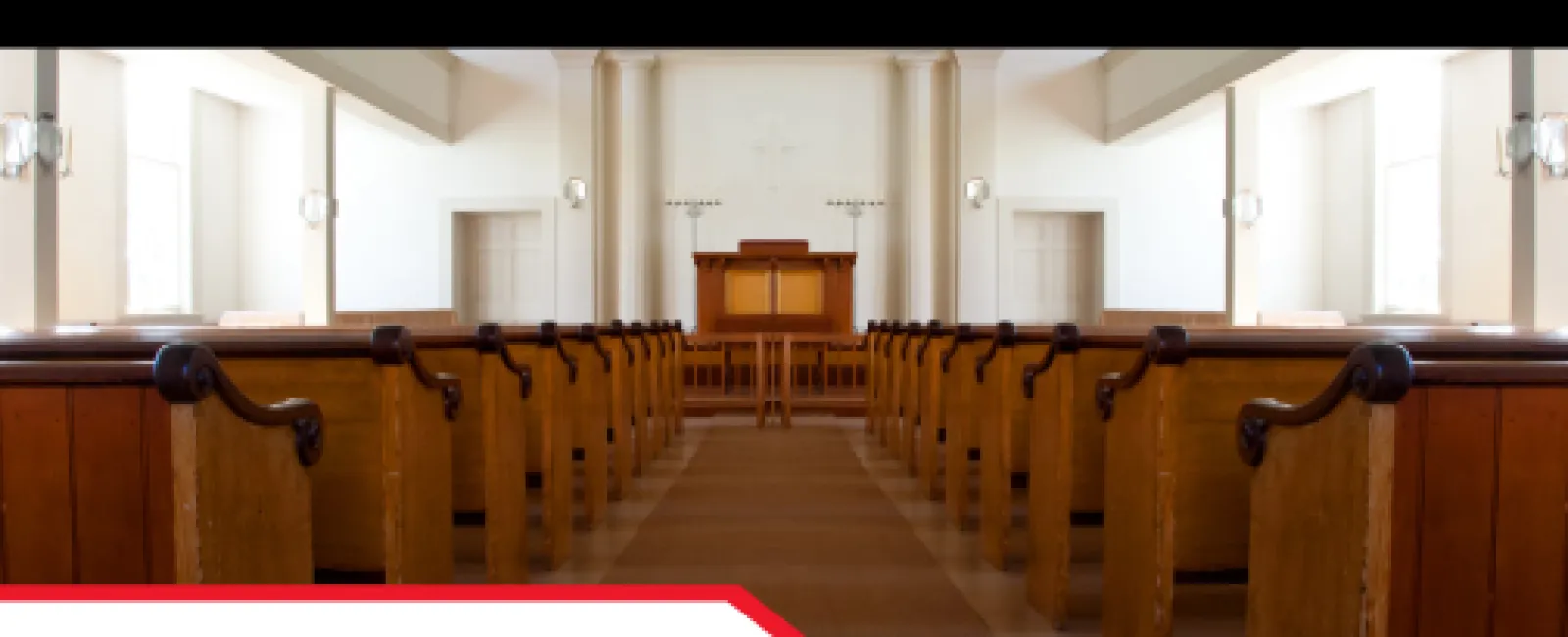
Churches and places of worship play an important role in communities throughout the Southeastern United States. These facilities often serve not only as spaces for worship services, but also as gathering places for educational programs, community outreach, childcare, events, counseling services, and nonprofit operations. Because many church properties operate as multi-use facilities with large occupancy loads and aging infrastructure, professional inspections are essential for maintaining safety, protecting long-term property value, and supporting operational planning. This is why a professional church building inspection remains one of the most important investments for religious organizations and nonprofit property owners.
Many churches throughout the Southeast occupy buildings that vary widely in age, size, and construction type. Some properties may include historic sanctuaries that are decades old, while others involve newer campuses with classrooms, gyms, offices, fellowship halls, daycare spaces, and commercial kitchens. These structures often contain complex roofing systems, HVAC equipment, electrical infrastructure, plumbing systems, and large assembly areas that require regular evaluation. At LunsPro Inspection Group, we proudly provide trusted Commercial Inspections in the Southeast, including inspections tailored specifically for churches, religious campuses, and nonprofit-owned facilities.
Whether evaluating a worship facility in Atlanta, Charlotte, Raleigh, Savannah, Greenville, Athens, or Jacksonville, professional inspections help church leaders, nonprofit boards, and property managers identify visible deficiencies and prioritize long-term maintenance planning. Through comprehensive nonprofit commercial inspections, organizations can better understand the condition of their facilities while reducing the risk of costly repairs and operational disruptions in the future.
Why Church Building Inspections Matter
Religious facilities often experience high occupancy levels and frequent public use throughout the week. In addition to worship services, many churches host childcare programs, community events, youth activities, educational classes, and administrative operations.
Professional church building inspection services help evaluate:
- Structural systems
- Roofing systems
- HVAC performance
- Electrical infrastructure
- Plumbing systems
- Safety concerns
- Moisture intrusion risks
- Exterior maintenance conditions
These inspections provide church leadership with valuable information about the overall condition of the property.
Unique Challenges of Church and Worship Facilities
Church properties differ from many traditional commercial buildings because they often combine multiple facility types within one campus.
A church property may include:
- Large sanctuary spaces
- Classrooms and educational wings
- Fellowship halls
- Commercial kitchens
- Administrative offices
- Gymnasiums or activity centers
- Childcare facilities
Each area may involve different systems, occupancy requirements, and maintenance concerns.
Commercial Inspections in Atlanta
Atlanta's large and rapidly growing metro area includes a wide range of church facilities, from historic downtown sanctuaries to modern suburban worship campuses.
During Commercial Inspections in Atlanta, inspectors commonly evaluate:
- Large roofing systems
- HVAC systems supporting high occupancy loads
- Electrical systems serving audio/visual equipment
- Structural movement and settlement concerns
- Parking lot and drainage conditions
Many Atlanta-area churches experience heavy weekly usage, increasing wear on building systems over time.
Commercial Inspections in Charlotte and Raleigh
Charlotte and Raleigh continue to experience strong population growth, resulting in expanded church campuses and new worship facility development.
During Commercial Inspections in Charlotte and Commercial Inspections in Raleigh, inspectors often assess:
- HVAC performance and ventilation
- Roof drainage systems
- Moisture intrusion concerns
- Accessibility and safety issues
- Exterior maintenance conditions
Rapid development in these markets has created increased demand for ongoing facility evaluations and preventative maintenance planning.
Commercial Inspections in Athens and Savannah
Athens and Savannah include a combination of historic religious buildings and newer church facilities serving growing communities.
During Commercial Inspections in Athens and Commercial Inspections in Savannah, inspectors commonly evaluate:
- Aging structural systems
- Roofing material deterioration
- Foundation settlement concerns
- Moisture intrusion related to humidity
- Exterior masonry and wood conditions
Savannah's coastal climate introduces additional concerns related to moisture exposure and material corrosion.
Commercial Inspections in Greenville and Jacksonville
Greenville and Jacksonville continue to see growth in both residential development and nonprofit facility expansion.
During Commercial Inspections in Greenville and Commercial Inspections in Jacksonville, inspectors often identify:
- Roof wear from weather exposure
- HVAC strain from heavy usage
- Drainage and grading concerns
- Plumbing and water intrusion issues
- Exterior deterioration caused by humidity
Jacksonville's coastal environment can accelerate wear on roofing systems, exterior metals, and mechanical equipment.
Roofing System Evaluations
Roofing systems are among the most important components evaluated during a church building inspection because they protect the structure from water intrusion and environmental exposure.
Inspectors commonly assess:
- Roof membrane or shingle condition
- Flashing and penetrations
- Signs of active or previous leaks
- Drainage system performance
- Ponding water concerns
Large worship facilities often have complex roof designs that require careful evaluation.
Structural and Foundation Assessments
Churches and assembly facilities must safely support large occupancy loads and long-term building use.
Inspectors evaluate:
- Foundation cracking or settlement
- Structural framing conditions
- Signs of movement or stress
- Floor stability
- Exterior wall performance
Historic buildings may require closer evaluation due to aging materials and long-term structural wear.
HVAC System Inspections
Churches often use large HVAC systems designed to support fluctuating occupancy levels during worship services and community events.
Inspectors assess:
- Airflow and ventilation
- Equipment age and condition
- Maintenance concerns
- Condensate drainage systems
- Signs of inefficiency or wear
Improper HVAC performance can affect comfort, energy costs, and indoor air quality throughout the facility.
Electrical Infrastructure Evaluations
Modern worship facilities frequently rely on extensive electrical infrastructure to support:
- Audio and video systems
- Lighting systems
- Commercial kitchen equipment
- Administrative operations
- Childcare and educational areas
Inspectors commonly evaluate:
- Electrical panels and breakers
- Wiring conditions
- Grounding systems
- Visible safety concerns
- Capacity limitations
Electrical deficiencies can create safety hazards and operational disruptions if not addressed properly.
Plumbing and Water Intrusion Concerns
Church campuses often include multiple restrooms, kitchens, childcare areas, and fellowship spaces that rely heavily on plumbing systems.
Inspectors evaluate:
- Supply and drain piping
- Water heater systems
- Signs of leaks or corrosion
- Drainage performance
- Moisture intrusion concerns
Water-related issues can affect both structural materials and indoor air quality over time.
Moisture and Humidity Challenges in the Southeast
The Southeast's climate creates elevated moisture exposure for many church facilities.
Humidity and rainfall can contribute to:
- Mold and mildew growth
- Roof deterioration
- Exterior material damage
- Crawlspace moisture concerns
- HVAC strain
Professional nonprofit commercial inspections help identify these concerns before they become major structural or financial issues.
Preventative Maintenance for Churches and Nonprofits
Many nonprofit organizations operate with carefully managed budgets, making preventative maintenance especially important.
Routine inspections help organizations:
- Identify maintenance concerns early
- Reduce emergency repair costs
- Improve long-term budgeting
- Extend system lifespan
- Protect property value
Preventative inspections are particularly valuable for aging facilities or multi-building campuses.
Why Detailed Reporting Matters
Church leadership teams and nonprofit boards often rely on inspection reports to make maintenance and budgeting decisions.
Professional reports typically include:
- Detailed written findings
- Photographic documentation
- Maintenance recommendations
- System condition summaries
- Recommendations for further evaluation when needed
Clear reporting helps organizations prioritize repairs and plan long-term facility improvements.
Why Regional Experience Matters
Churches and nonprofit facilities throughout the Southeast face environmental conditions that differ significantly from other parts of the country. Humidity, storms, heat exposure, and varying construction styles all influence building performance over time.
At LunsPro Inspection Group, our experience performing Commercial Inspections in the Southeast allows us to evaluate worship facilities while understanding the unique conditions affecting churches throughout the region.
Whether scheduling Commercial Inspections in Atlanta, Commercial Inspections in Charlotte, Commercial Inspections in Raleigh, Commercial Inspections in Athens, Commercial Inspections in Savannah, Commercial Inspections in Greenville, or Commercial Inspections in Jacksonville, our team provides detailed evaluations tailored to the needs of religious organizations and nonprofit property owners.
Churches and places of worship throughout the Southeast serve as essential centers for worship, education, outreach, and community connection. Because these facilities often involve large occupancy loads, aging infrastructure, and multi-use operations, regular inspections remain critical for protecting both safety and long-term property value. A professional church building inspection helps nonprofit organizations identify visible deficiencies, prioritize maintenance planning, and better understand the overall condition of their facilities.
From roofing systems and structural components to HVAC equipment, electrical infrastructure, plumbing systems, and moisture-related concerns, every part of a worship facility contributes to long-term operational performance. Comprehensive nonprofit commercial inspections provide valuable insight that supports informed budgeting, maintenance planning, and property stewardship.
At LunsPro Inspection Group, we proudly provide trusted Commercial Inspections in the Southeast tailored to churches, religious campuses, and nonprofit facilities throughout the region. Whether performing Commercial Inspections in Atlanta, Commercial Inspections in Charlotte, Commercial Inspections in Raleigh, Commercial Inspections in Athens, Commercial Inspections in Savannah, Commercial Inspections in Greenville, or Commercial Inspections in Jacksonville, our team delivers the professionalism, expertise, and detailed reporting needed to help organizations confidently protect their facilities and serve their communities for years to come.