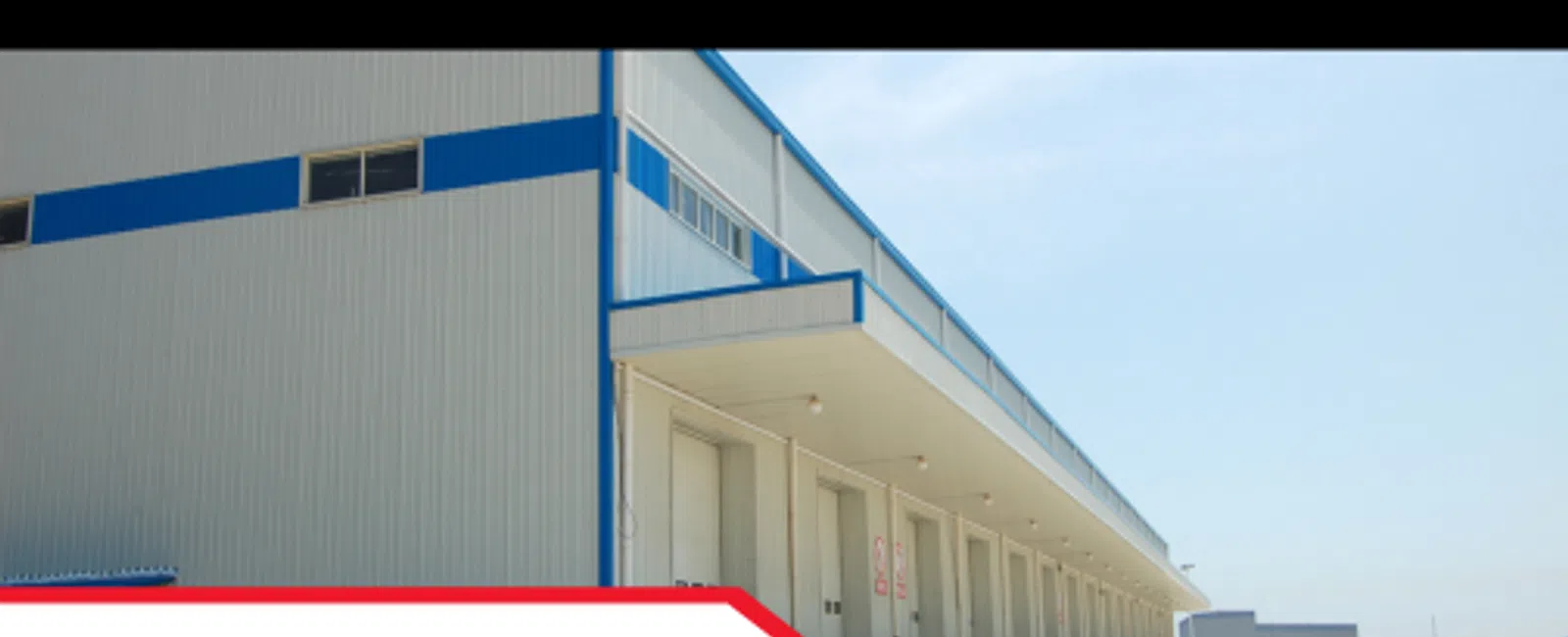
Florida has become one of the nation's fastest-growing logistics, manufacturing, and industrial markets. With expanding ports, population growth, e-commerce demand, and transportation infrastructure, warehouses, manufacturing facilities, distribution centers, and logistics buildings continue to attract commercial investors throughout the state. While these properties can generate strong long-term returns, they also present unique operational and maintenance challenges that require careful evaluation before acquisition or long-term ownership.
Unlike smaller commercial buildings, industrial facilities often contain complex structural systems, specialized mechanical equipment, extensive electrical infrastructure, loading docks, expansive roofing systems, and heavy-duty floor slabs. Deferred maintenance involving any one of these components can significantly affect operational efficiency, tenant satisfaction, insurance considerations, and future capital expenditures. For this reason, an industrial inspection Florida evaluation is a critical component of Commercial Real Estate Due Diligence and long-term asset management.
At LunsPro Inspection Group, we perform comprehensive Commercial Property Inspection services for industrial and commercial facilities throughout Florida. Whether evaluating warehouses, manufacturing facilities, distribution centers, or logistics properties, our inspections help owners, investors, lenders, developers, and facility managers understand the physical condition of a property through detailed reporting, Building Condition Assessment procedures, Property Condition Assessment services, and experienced commercial inspection practices.
Industry guidance from ASTM E2018 Property Condition Assessments Overview explains how standardized Property Condition Assessments help commercial buyers identify building deficiencies and estimate future capital expenditures. These assessments have become an essential part of commercial acquisition due diligence because they provide objective information regarding current building conditions and anticipated maintenance needs.
Why Industrial Facilities Require Specialized Inspections
Industrial buildings differ substantially from traditional office or retail properties.
Warehouses and manufacturing facilities often include:
- Large-span structural framing
- High-capacity electrical systems
- Extensive roofing systems
- Specialized mechanical equipment
- Loading docks
- Overhead doors
- Industrial floor slabs
- Fire suppression systems
Because these buildings support continuous operations, even relatively minor deficiencies may result in operational disruptions or significant repair costs.
A professional Commercial Inspection Florida evaluation helps stakeholders better understand both immediate maintenance needs and long-term ownership responsibilities.
The Role of Commercial Property Inspection in Due Diligence
Commercial acquisitions involve more than financial analysis and lease reviews.
Physical due diligence plays an equally important role.
A Commercial Property Inspection helps evaluate visible building conditions before ownership changes hands.
These inspections often identify:
- Deferred maintenance
- Roofing deficiencies
- Structural observations
- Mechanical system concerns
- Electrical issues
- Moisture intrusion
- Site drainage problems
Understanding these conditions allows buyers to better estimate future operating expenses and capital improvements.
Commercial real estate insight discussed in Due Diligence in Commercial Real Estate highlights the importance of thorough inspections during acquisitions to reduce investment risk. Identifying building deficiencies before closing allows buyers to make informed investment decisions while minimizing unexpected repair costs.
Understanding Property Condition Assessments
A Property Condition Assessment (PCA) is one of the most valuable tools available during commercial acquisitions.
Unlike a limited visual walkthrough, a PCA provides a systematic evaluation of major building systems and observable conditions.
Property Condition Assessments commonly include reviews of:
- Structural systems
- Roofing
- Exterior walls
- Parking areas
- Site improvements
- Mechanical systems
- Plumbing
- Electrical infrastructure
- Fire protection systems
Many assessments follow ASTM E2018, an industry-recognized standard that establishes consistent procedures for evaluating commercial property conditions.
The resulting report often includes observations regarding immediate repairs as well as projected capital expenditures over future ownership periods.
Warehouses and Distribution Centers
Modern warehouses serve increasingly important roles in supply chain operations.
These facilities often experience:
- Heavy forklift traffic
- Frequent loading activity
- High storage volumes
- Continuous tenant occupancy
As a result, a thorough warehouse inspection involves evaluating numerous building systems that directly affect daily operations.
Loading Docks
Loading docks are among the most heavily used components of industrial facilities.
Inspectors commonly evaluate:
- Dock levelers
- Dock seals
- Concrete conditions
- Safety barriers
- Vehicle impact damage
Because loading docks experience constant use, deferred maintenance can create operational inefficiencies and safety concerns.
Industrial Floor Slabs
Industrial floor performance is critical for warehouses supporting heavy equipment.
Inspectors evaluate visible conditions such as:
- Cracking
- Settlement
- Surface deterioration
- Joint conditions
Although many cracks are cosmetic, larger deficiencies may warrant additional evaluation depending on observed conditions.
Manufacturing Facilities
Manufacturing buildings frequently contain more specialized infrastructure than standard warehouse properties.
These facilities often include:
- Production equipment
- Utility distribution systems
- Compressed air systems
- Specialized electrical service
- Process-specific mechanical equipment
While commercial inspections do not evaluate production operations themselves, inspectors assess the visible condition of building systems that support occupancy and facility performance.
Roofing Systems
Roofing systems represent one of the most significant capital investments for industrial buildings.
Because warehouses often feature expansive low-slope roofs, even minor deficiencies can allow moisture intrusion across large areas.
Commercial inspectors evaluate visible conditions including:
- Membrane condition
- Drainage performance
- Flashing
- Roof penetrations
- Signs of previous repairs
- Ponding water
Understanding roof condition allows owners to better anticipate future maintenance and replacement planning.
Roof deficiencies frequently influence both insurance considerations and long-term operating costs.
Structural Components
Industrial buildings depend upon structural systems designed to support significant operational loads.
Visible structural observations may include:
- Steel framing
- Concrete walls
- Columns
- Roof framing
- Foundation conditions
Inspectors document observable conditions that may affect building performance or warrant additional evaluation by specialized professionals.
Early identification of structural concerns supports proactive asset management.
Mechanical Systems
Mechanical systems play an important role in maintaining comfortable and functional work environments.
Commercial inspections often include observations regarding:
- HVAC equipment
- Ventilation
- Mechanical rooms
- Equipment condition
- Visible maintenance concerns
Mechanical system replacement can represent a substantial capital expenditure.
Understanding system age and general condition helps owners prepare future maintenance budgets.
Electrical Infrastructure
Industrial facilities often require electrical systems capable of supporting significant operational demands.
Commercial inspectors evaluate visible components such as:
- Main service equipment
- Distribution panels
- Electrical rooms
- Visible wiring conditions
Although inspections are not code compliance evaluations, identifying visible deficiencies helps investors better understand facility conditions.
Fire Protection Systems
Life safety systems remain essential throughout industrial facilities.
Visible observations may include:
- Fire sprinkler components
- Standpipe systems
- Fire extinguishers
- Alarm equipment
- Emergency lighting
Safety guidance from Warehousing Industry Safety reinforces the importance of evaluating warehouse operations, loading docks, storage systems, and facility safety during inspections. While operational compliance remains the responsibility of facility owners and operators, understanding visible building conditions supports safer working environments.
Deferred Maintenance
Deferred maintenance is one of the most common findings during industrial facility inspections.
Examples include:
- Roofing deterioration
- Damaged pavement
- Corroded components
- HVAC aging
- Water intrusion
- Exterior finish deterioration
Although individual deficiencies may appear relatively minor, collectively they can significantly affect long-term ownership costs.
A thorough Commercial Property Inspection helps identify these conditions before acquisition.
Building Condition Assessment
A Building Condition Assessment provides decision-makers with a comprehensive overview of building performance.
Typical objectives include:
- Identifying current deficiencies
- Supporting acquisition decisions
- Estimating future repairs
- Prioritizing maintenance
- Planning capital improvements
These assessments often become valuable management tools long after a property has been purchased.
Capital Expenditure Planning
One of the primary benefits of Property Condition Assessments is improved capital planning.
Major building systems eventually require replacement or significant repairs.
Examples include:
- Roofing systems
- HVAC equipment
- Parking lots
- Exterior coatings
- Structural repairs
Understanding anticipated capital expenditures allows owners to:
- Prepare maintenance budgets
- Allocate reserve funds
- Improve investment forecasting
Rather than reacting to unexpected failures, owners can implement planned maintenance strategies.
Florida-Specific Considerations
Industrial properties throughout Florida experience environmental conditions that differ from many other regions.
These include:
- High humidity
- Hurricane exposure
- Wind-driven rain
- Salt-air corrosion in coastal markets
- Intense ultraviolet exposure
These conditions accelerate deterioration of many building materials and increase the importance of routine Commercial Inspection Florida services.
Regular inspections help owners identify weather-related damage before it significantly affects operations.
Long-Term Asset Management
Commercial inspections should not be viewed solely as acquisition tools.
Ongoing evaluations help owners:
- Monitor building performance
- Plan maintenance
- Extend asset life
- Improve budgeting
- Reduce unexpected repairs
Facilities that receive regular evaluations often experience fewer costly surprises over the course of ownership.
For portfolio owners managing multiple industrial assets, periodic inspections also support more consistent maintenance planning across properties.
Why Experienced Commercial Inspectors Matter
Industrial facilities are among the most complex commercial property types.
Experienced inspectors understand how to evaluate:
- Large building envelopes
- Specialized roofing systems
- Structural components
- Mechanical infrastructure
- Site improvements
- Deferred maintenance
At LunsPro Inspection Group, our Commercial Property Inspection services are tailored to meet the needs of investors, developers, lenders, property managers, and facility owners throughout Florida.
By combining detailed Building Condition Assessment procedures, Property Condition Assessment reporting, Commercial Real Estate Due Diligence practices, and experienced commercial inspection methodologies, we provide clients with the information necessary to make informed investment decisions.
Warehouses, manufacturing facilities, logistics buildings, and distribution centers play an increasingly important role in Florida's growing commercial economy. These facilities represent substantial investments that require careful evaluation before acquisition and proactive management throughout ownership. Roofing systems, structural components, loading docks, mechanical equipment, electrical infrastructure, fire protection systems, and deferred maintenance all influence long-term operating costs and investment performance.
A professional industrial inspection Florida evaluation provides valuable insight into these critical building systems while supporting Commercial Real Estate Due Diligence and long-term asset management. Through comprehensive Commercial Property Inspection services, Property Condition Assessments, Building Condition Assessments, and evaluations performed in accordance with ASTM E2018 principles, owners and investors gain the information necessary to reduce risk and plan future capital improvements.
At LunsPro Inspection Group, we help commercial clients throughout Florida make confident decisions regarding warehouse inspection projects, industrial acquisitions, facility management, and long-term property ownership. Our detailed inspections provide the objective information needed to protect investments, support operational efficiency, and maximize the long-term value of commercial real estate assets.