
Property Condition Assessment (PCA)
ASTM E2018 Property Condition Assessments
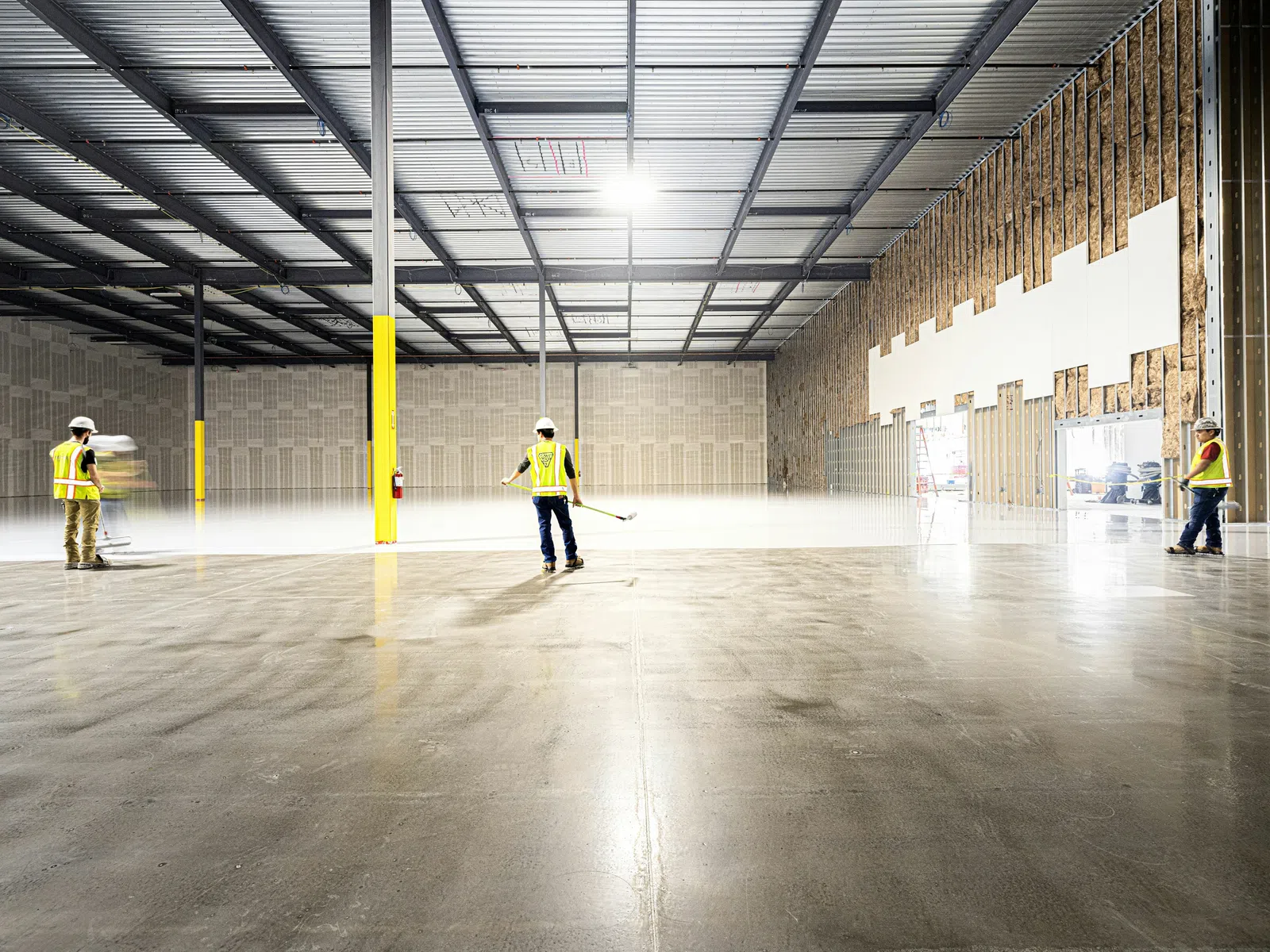
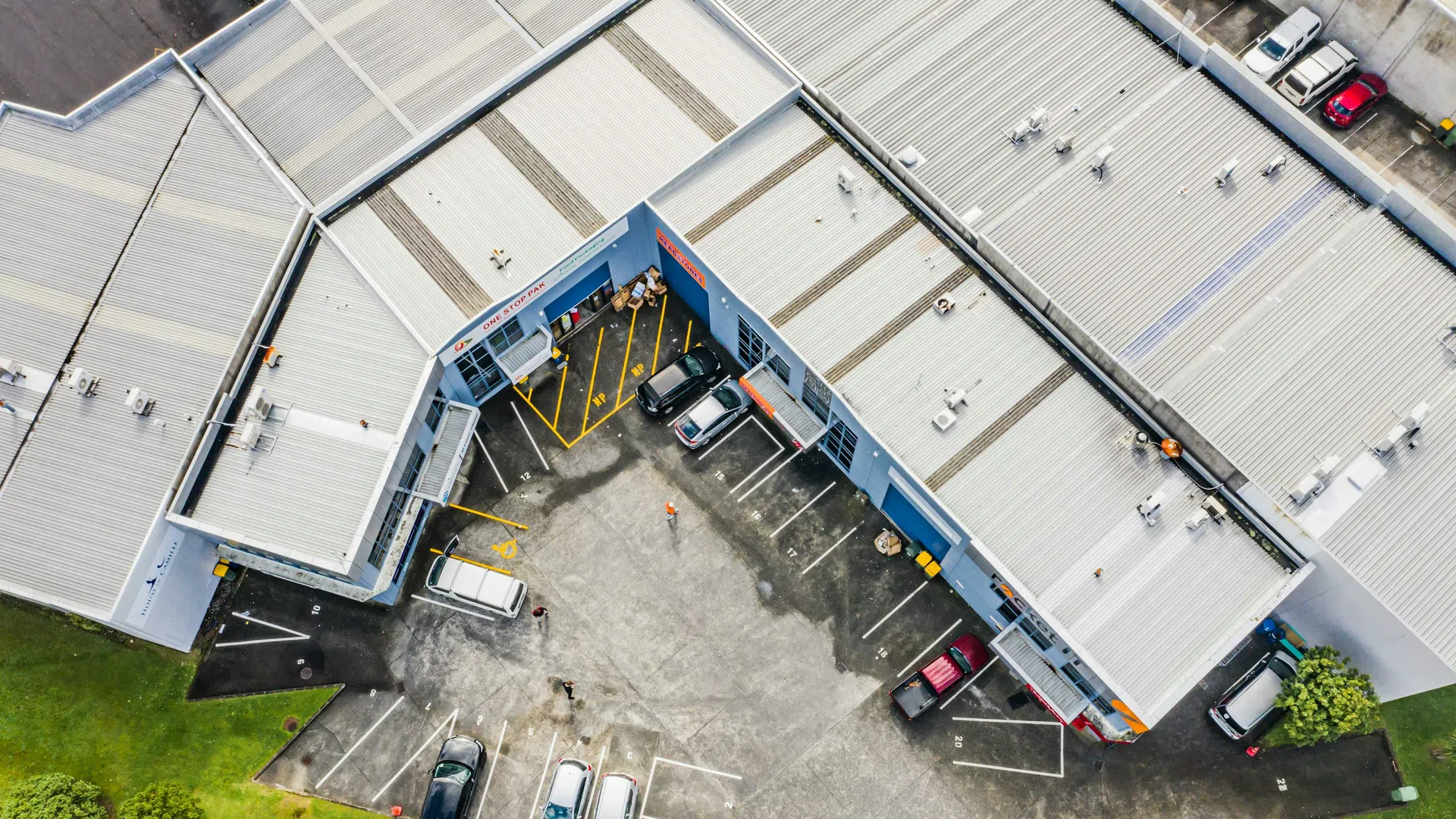
A Property Condition Assessment (PCA) provides a comprehensive evaluation of a commercial property's current condition and future capital needs. Often required by lenders, investors, and commercial real estate professionals, a PCA helps identify deficiencies, deferred maintenance, and anticipated repair or replacement costs before a transaction is completed.
LunsPro Commercial Inspections performs Property Condition Assessments in accordance with ASTM E2018 standards, providing clients with actionable information to support acquisition, financing, ownership, and asset management decisions.



Have Questions? We Have Answers!
Q What is a Property Condition Assessment (PCA)?
A Property Condition Assessment is a comprehensive evaluation of a commercial property's physical condition. It identifies deficiencies, deferred maintenance, system life expectancies, and future capital expenditure considerations.
Q What does ASTM E2018 mean?
ASTM E2018 is the industry-recognized standard that establishes guidelines for conducting commercial Property Condition Assessments and preparing Property Condition Reports.
Q How is a PCA different from a commercial inspection?
A commercial inspection focuses on documenting existing conditions. A PCA expands upon that by evaluating deferred maintenance, estimating Remaining Useful Life (RUL), and providing Opinions of Probable Costs (OPCs) for future planning.
Q What building systems are evaluated during a PCA?
A PCA typically includes roofing, structural systems, exterior components, parking areas, HVAC systems, electrical systems, plumbing systems, interior spaces, and life safety observations.
Q What is Remaining Useful Life (RUL)?
Remaining Useful Life is an estimate of how much service life remains in a building component before replacement is likely required under normal operating conditions
Q What is deferred maintenance?
Deferred maintenance refers to repairs or maintenance items that have been postponed and may affect future performance, safety, or operational costs.
Q Does a PCA include repair cost estimates?
Yes. Most PCA reports include Opinions of Probable Costs for significant deficiencies and anticipated repair or replacement needs.
Q Who should order a Property Condition Assessment?
Property buyers, investors, lenders, developers, asset managers, commercial brokers, and property owners often order PCAs during acquisitions, refinancing, and ownership planning.
Q Can a PCA help forecast future capital expenditures?
Yes. One of the primary goals of a PCA is to help owners and investors anticipate future repair, maintenance, and replacement costs.
Q Is a PCA useful for existing property owners?
Absolutely. Many owners use PCAs to prioritize maintenance projects, create capital improvement plans, and better manage long-term ownership costs.