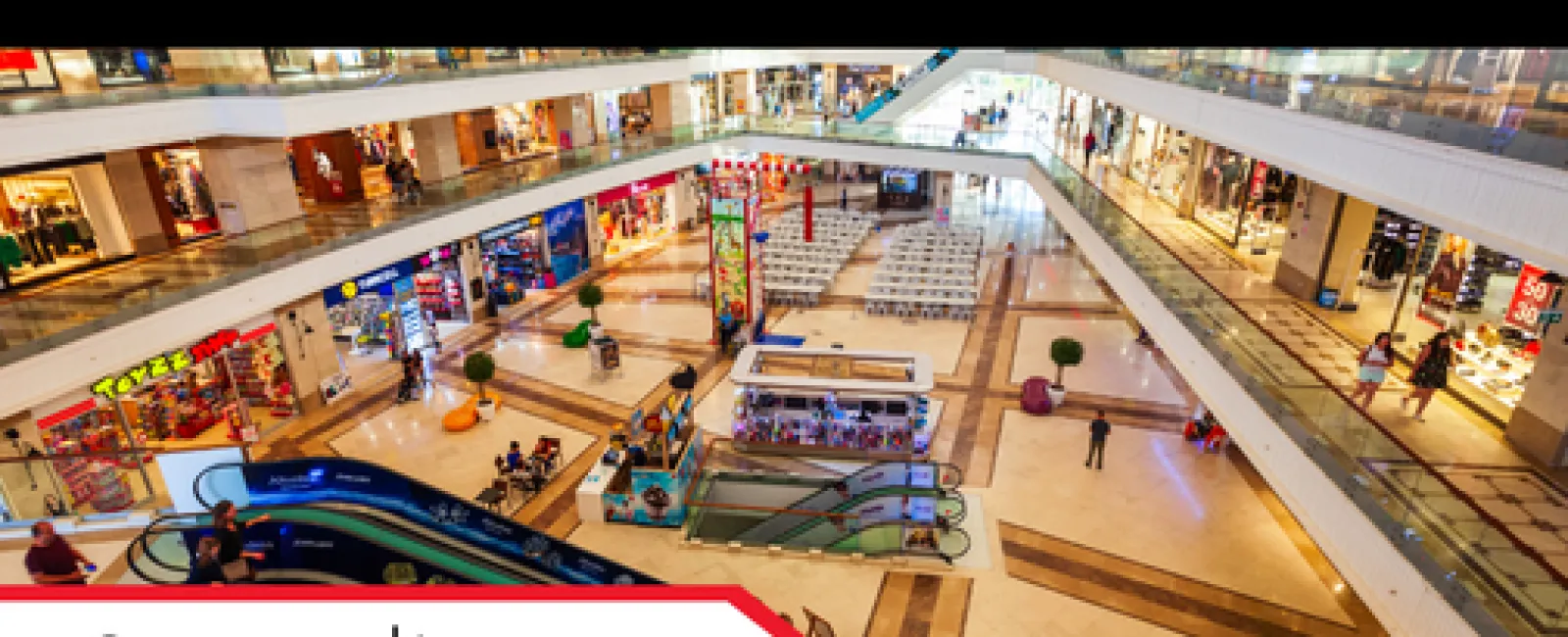
Investing in a retail property in Tennessee is a significant decision that requires careful planning and due diligence. Retail centers are complex commercial assets, combining multiple tenants, high foot traffic areas, and intricate building systems. Conducting a thorough retail inspection in Tennessee ensures that business owners, investors, and property managers understand the condition of the property, identify potential safety issues, and anticipate maintenance costs. With proper evaluation, stakeholders can make informed financial and operational decisions that protect both their investment and the customers and tenants who rely on the space.
Retail centers in Tennessee face unique environmental and operational challenges that make inspections particularly important. Humidity, seasonal storms, fluctuating temperatures, and heavy rainfall can affect structural integrity, roofing, HVAC performance, and exterior elements. Partnering with professional firms such as LunsPro Inspection Group, which specializes in Southeastern Residential and Commercial Inspections, provides the expertise necessary to navigate these challenges. Their experience conducting Home Inspections in the Southeast and commercial evaluations ensures inspections are tailored to local conditions while meeting industry standards.
A retail inspection in Tennessee is a type of commercial property inspection specifically focused on retail facilities, which may include strip malls, shopping centers, standalone stores, and mixed-use developments. Unlike residential inspections, retail inspections consider the scale, occupancy, and operational requirements of commercial spaces. Certified inspectors evaluate multiple systems and components, including structural elements, roofing, electrical and plumbing systems, HVAC, safety features, and tenant areas, to provide a comprehensive picture of the building's condition.
The purpose of a retail inspection is to uncover existing defects, potential safety hazards, and deferred maintenance that could lead to unexpected costs. For Tennessee retail centers, inspections also consider environmental risks such as stormwater drainage, mold growth in humid areas, and the effects of seasonal weather on building materials. By identifying these concerns early, property owners and managers can plan repairs, schedule maintenance, and minimize operational disruptions.
Structural Evaluations
Structural integrity is one of the most critical aspects of any commercial property inspection. Certified inspectors begin by assessing the building's foundation, load-bearing walls, framing, and support systems. Signs of foundation settlement, structural cracking, or water intrusion are documented. Tennessee soils, which often include clay-rich areas, can expand or contract, increasing stress on foundations and creating long-term stability concerns if left unaddressed.
The evaluation also includes exterior walls, siding, and masonry. Inspectors look for deterioration, moisture penetration, and any damage that could compromise the structural envelope. In retail centers, maintaining a solid structural framework ensures not only the safety of tenants and customers but also the long-term financial stability of the property.
Roofing and Exterior Systems
Roofing is another critical area addressed in a retail inspection in Tennessee. Inspectors examine roof coverings, flashing, gutters, downspouts, and drainage systems for damage, wear, or improper installation. Flat and low-slope roofs, common in commercial retail structures, are susceptible to ponding water, membrane failure, and storm damage, which can cause leaks and interior deterioration.
Exterior systems—including doors, windows, sealants, and façade materials—are also evaluated. Proper installation and maintenance prevent water intrusion, reduce energy loss, and maintain the aesthetic and functional quality of the property. LunsPro Inspection Group emphasizes the importance of detailed exterior assessments during Southeastern Residential and Commercial Inspections, ensuring that property owners have a clear understanding of potential vulnerabilities.
Electrical and Plumbing Systems
Electrical and plumbing systems are vital for the safe and efficient operation of retail centers. Certified inspectors assess main electrical panels, sub-panels, wiring, outlets, and visible components to identify potential hazards, code violations, and system deficiencies. Older buildings may require upgrades to handle modern electrical demands, especially in multi-tenant retail spaces with heavy power usage.
Plumbing systems are evaluated for supply lines, drainage, water heaters, and fixtures. Tennessee's climate and water quality may contribute to corrosion, leaks, or pipe deterioration over time. Inspectors identify these issues and provide recommendations to avoid water damage, mold growth, and disruptions to tenant operations.
HVAC and Mechanical Systems
Heating, ventilation, and air conditioning systems are critical in retail environments, especially in Tennessee's warm and humid summers. Inspectors assess system age, condition, performance, and maintenance history. They also check ductwork, ventilation, and thermostatic controls to ensure proper functionality and energy efficiency.
A well-maintained HVAC system is essential for tenant comfort, customer satisfaction, and operational efficiency. Certified inspections also provide guidance on preventative maintenance, helping property managers plan for system repairs or replacements before costly failures occur.
Interior Spaces and Life Safety
The interior evaluation of a retail center includes common areas, tenant spaces, flooring, walls, ceilings, stairways, and accessibility features. Inspectors note wear, damage, or safety hazards that could impact tenants, staff, or customers. Life safety features—such as fire exits, emergency lighting, sprinklers, and smoke detectors—are also assessed for functionality and compliance with regulations.
Retail inspections help ensure that interior spaces are safe, accessible, and compliant with local building codes. Maintaining these standards is critical for both customer experience and legal compliance, reducing liability risks for property owners.
Environmental and Regional Considerations
Retail centers in Tennessee face environmental factors that make inspections especially important. Heavy rainfall and high humidity can accelerate moisture-related problems, including mold growth and structural deterioration. Seasonal storms may damage roofing, windows, or exterior finishes, while clay soils contribute to foundation movement over time.
LunsPro Inspection Group integrates regional expertise into every inspection. Their experience with Home Inspections in the Southeast and Southeastern Residential and Commercial Inspections allows them to anticipate weather-related impacts and provide actionable recommendations for mitigation. Understanding these regional challenges ensures that property owners can maintain safe and functional retail centers over the long term.
Benefits of a Comprehensive Retail Inspection
Conducting a retail inspection in Tennessee provides numerous advantages for property owners and investors:
-
Risk Identification: Detect existing problems, structural issues, and safety hazards before they escalate.
-
Financial Planning: Estimate repair costs, prioritize maintenance, and allocate budget effectively.
-
Tenant Satisfaction: Maintain safe and functional spaces to reduce vacancy and attract high-quality tenants.
-
Regulatory Compliance: Ensure life safety and accessibility standards are met, reducing liability risks.
-
Negotiation Leverage: Use inspection findings during property acquisition or lease negotiations to support pricing or repair agreements.
By addressing these aspects proactively, property owners can protect their investment, reduce unexpected costs, and maintain operational efficiency.
Choosing the Right Commercial Inspection Provider
Selecting an experienced provider is critical for reliable commercial property inspections. Look for firms with regional expertise, industry certifications, and a proven track record of detailed reporting. Licensed and certified inspectors provide credibility and accountability, ensuring that inspection findings are thorough and defensible.
LunsPro Inspection Group specializes in both Home Inspections in the Southeast and Southeastern Residential and Commercial Inspections, providing clients with comprehensive evaluations that account for regional environmental factors and building-specific considerations. Their focus on detail, transparency, and actionable recommendations helps property owners make informed decisions and maintain the long-term value of their retail assets.
Retail centers are complex properties with significant operational and financial considerations. A retail inspection in Tennessee provides the insights necessary to evaluate structural integrity, mechanical systems, interior and exterior conditions, and regional environmental impacts. Certified inspectors ensure that findings are accurate, reliable, and tailored to local conditions, helping property owners plan for repairs, maintenance, and operational efficiency.
Partnering with experienced firms like LunsPro Inspection Group, which specializes in Southeastern Residential and Commercial Inspections, ensures that Tennessee retail property owners receive a comprehensive assessment grounded in both professional expertise and regional knowledge. Conducting thorough inspections is not merely a procedural step—it is an essential practice for protecting investments, safeguarding tenants, and maintaining high-performing retail environments over time.