For homeowners across the Southeast, property ownership comes with unique structural challenges. From high humidity and torrential rains to shifting clay soils and seasonal storms, homes in this region endure environmental stressors that directly affect their structural integrity. Understanding how structural systems perform over time—and how to assess their condition—requires more than a surface-level walkthrough. That's where primary structural inspections and comprehensive roof and foundation inspection services play a vital role in protecting both safety and long-term investment value.
Whether purchasing a home, maintaining a long-time residence, or managing commercial property, Southeastern owners benefit from informed oversight. At LunsPro Inspection Group, the emphasis is on delivering thorough, data-driven evaluations tailored to regional construction practices and environmental factors. Through professional Home Inspections in the Southeast, property owners gain clarity about structural performance, potential risks, and maintenance priorities. This article explores in depth what structural, roof, and foundation inspections involve, why they matter in this region, and how they contribute to sound property management.
What Are Primary Structural Inspections?
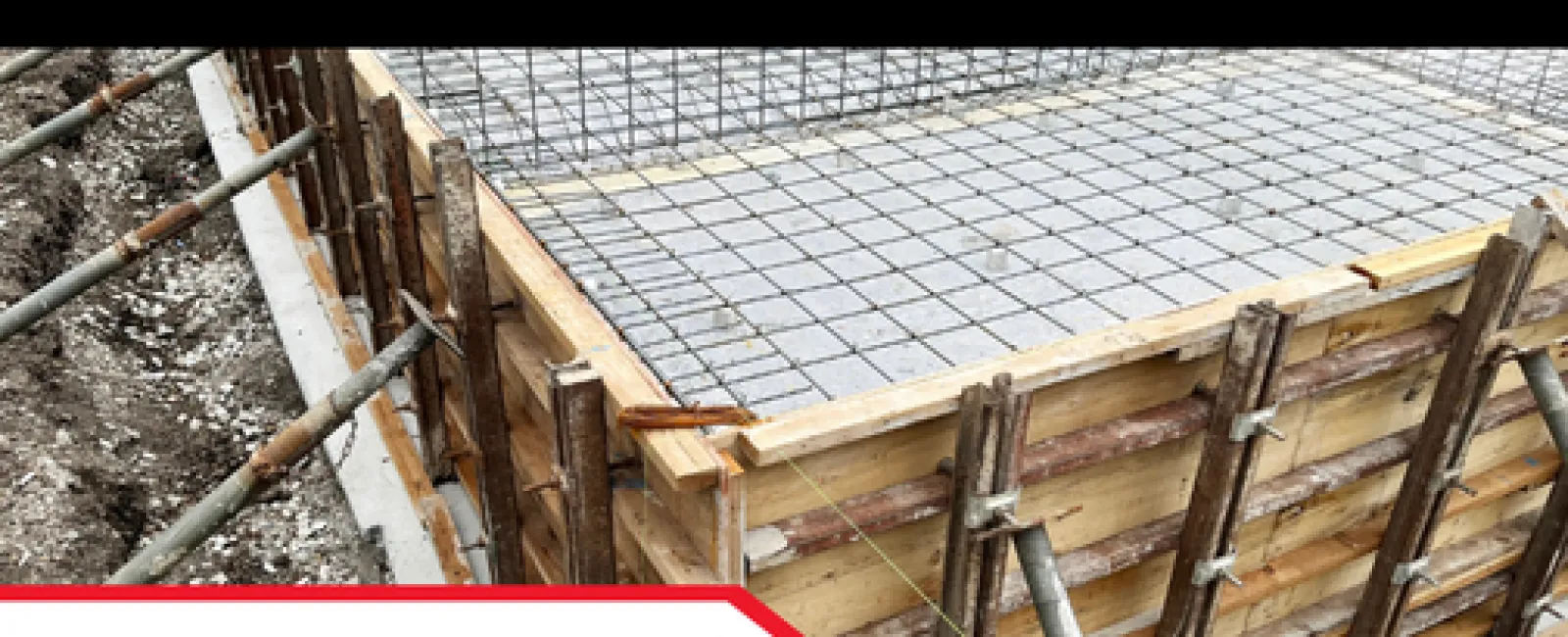
Primary structural inspections focus on evaluating the essential load-bearing components of a building. These components form the structural framework that supports the entire property. In residential and commercial settings, this includes:
-
Foundations (slab, crawlspace, basement)
-
Load-bearing walls
-
Structural beams and columns
-
Floor systems and framing
-
Roof framing systems (trusses and rafters)
-
Structural connections and fasteners
The objective of primary structural inspections is to determine whether these elements are performing as designed and whether any deterioration, displacement, or structural compromise is present. In the Southeast, this evaluation is particularly critical due to soil movement, high moisture levels, and termite activity—factors that can weaken structural members over time.
Unlike cosmetic inspections, structural assessments require an understanding of load paths, material behavior, and regional construction standards. Inspectors evaluate not only visible damage but also warning indicators such as differential settlement, moisture intrusion, and structural deflection. For Southeastern Residential and Commercial Inspections, this process often involves heightened scrutiny of areas vulnerable to moisture accumulation and soil instability.
Structural Risks Unique to Southeastern Homes
The Southeastern United States presents specific environmental conditions that influence structural integrity:
1. Expansive Clay Soils
Many Southeastern states contain clay-heavy soils that expand when wet and contract when dry. This cyclical movement exerts pressure on foundations, potentially leading to cracking, uneven floors, and misaligned doors or windows.
2. High Humidity and Moisture Intrusion
Persistent humidity increases the risk of wood rot, fungal growth, and deterioration of framing members. Crawlspaces are particularly susceptible if not properly ventilated or encapsulated.
3. Severe Storm Systems
Hurricanes, tropical storms, and strong wind events can compromise roof framing, shear walls, and structural connections.
4. Termite Activity
Subterranean termites thrive in warm, humid climates and can significantly damage wooden structural components before detection.
Because of these regional conditions, primary structural inspections are not simply recommended—they are an essential part of responsible homeownership. LunsPro Inspection Group integrates local environmental knowledge into every inspection to provide Southeastern homeowners with relevant, actionable findings.
What Happens During a Structural Inspection?
A comprehensive structural inspection involves systematic evaluation of the building's framework. Inspectors typically examine:
Foundation Assessment
-
Visible cracks (vertical, horizontal, stair-step)
-
Signs of settlement or heaving
-
Moisture penetration
-
Drainage effectiveness around the perimeter
-
Pier and beam integrity (if applicable)
Framing and Load-Bearing Systems
-
Sagging floor joists
-
Improper modifications to load-bearing walls
-
Structural beam deflection
-
Fastener integrity and connection points
Crawlspaces and Basements
-
Evidence of moisture intrusion
-
Rot or decay in wooden supports
-
Insect damage
-
Insufficient ventilation
Inspectors document not only current conditions but also patterns that may indicate progressive movement. In Home Inspections in the Southeast, foundation performance is closely linked to regional soil conditions, so drainage systems and grading are given particular attention.
Understanding Roof Inspections
A roof is a property's first line of defense against weather intrusion. A roof and foundation inspection often occurs together because both systems significantly influence overall structural health.
Why Roof Inspections Are Critical in the Southeast
Southeastern roofs endure:
-
High UV exposure
-
Intense rainfall
-
Wind uplift forces
-
Hail in certain regions
-
Moss and algae growth
Over time, these factors degrade roofing materials and structural components beneath them.
Key Elements of a Roof Inspection
-
Roof Covering Materials
Inspectors assess shingles, tiles, or metal panels for:-
Curling
-
Cracking
-
Missing sections
-
Granule loss
-
-
Flashing and Penetrations
Improper flashing around chimneys, vents, and skylights is a common source of leaks. -
Roof Structure
Roof trusses and rafters are evaluated for sagging, water damage, or compromised structural integrity. -
Attic Evaluation
Attics provide insight into ventilation, insulation effectiveness, and hidden leaks.
In Southeastern Residential and Commercial Inspections, roof systems receive special attention due to storm exposure. Wind uplift can loosen fasteners or compromise decking, even when shingles appear intact.
The Importance of Foundation Inspections
A foundation supports the entire structure and distributes loads to the soil beneath. When foundation movement occurs, the effects ripple throughout the building.
Common Foundation Types in the Southeast
-
Slab-on-grade
-
Crawlspace foundations
-
Pier and beam systems
-
Basement foundations (less common in certain Southern areas)
Each foundation type presents different inspection priorities.
Signs of Foundation Issues
-
Diagonal wall cracks
-
Uneven flooring
-
Gaps between walls and ceilings
-
Doors and windows that stick
-
Exterior brick stair-step cracking
During a roof and foundation inspection, inspectors correlate visible interior symptoms with exterior structural movement patterns.
Why Combine Roof and Foundation Inspection?
Structural systems function interdependently. Roof leaks can introduce moisture that weakens framing. Foundation settlement can cause roof misalignment or cracking in ceiling finishes.
By evaluating these systems together, inspectors identify root causes rather than isolated symptoms. For example:
-
Foundation movement may cause drywall cracking mistaken for cosmetic damage.
-
Roof drainage issues may direct water toward the foundation, accelerating settlement.
LunsPro Inspection Group emphasizes holistic analysis in primary structural inspections to ensure no interconnected issues are overlooked.
Residential vs. Commercial Structural Inspections
Although many principles overlap, Southeastern Residential and Commercial Inspections differ in scope and complexity.
Residential Inspections
Focus on:
-
Wood framing systems
-
Crawlspace moisture control
-
Residential roofing materials
-
Typical load distributions
Commercial Inspections
Include evaluation of:
-
Steel framing
-
Flat or low-slope roofing systems
-
Larger load-bearing spans
-
Parking structures
-
Mechanical rooftop equipment supports
Commercial properties often require additional documentation and coordination with engineers when structural concerns are identified.
When Should Southeastern Homeowners Schedule Structural Inspections?
Primary structural inspections are advisable in the following situations:
-
Before purchasing a home
-
After severe storms or hurricanes
-
When signs of foundation movement appear
-
Prior to major renovations
-
As part of periodic preventive maintenance
In the Southeast, annual or biannual review of roofing and drainage systems is particularly prudent due to heavy rainfall patterns.
Home Inspections in the Southeast frequently uncover preventable issues—such as clogged gutters directing water toward foundations—that could have been mitigated with routine maintenance.
Long-Term Financial and Safety Benefits
Investing in a professional roof and foundation inspection provides:
-
Early detection of structural deficiencies
-
Reduced long-term repair costs
-
Enhanced property value
-
Increased occupant safety
-
Improved insurance documentation
Structural failure rarely occurs without warning. Cracks, moisture intrusion, and deflection typically precede significant problems. Identifying these indicators early allows homeowners to address minor concerns before they escalate into major structural repairs.
The LunsPro Inspection Group Approach
LunsPro Inspection Group delivers comprehensive evaluation services tailored specifically to Southeastern properties. With extensive experience conducting Home Inspections in the Southeast, their team understands the regional construction methods and environmental pressures that affect long-term performance.
Their Southeastern Residential and Commercial Inspections integrate:
-
Systematic structural analysis
-
Detailed photographic documentation
-
Clear reporting with actionable recommendations
-
Evaluation of roof and foundation systems within broader structural context
By prioritizing thoroughness and clarity, LunsPro Inspection Group ensures property owners receive reliable information to guide decision-making.
Owning property in the Southeast requires proactive attention to structural integrity. Climate conditions, soil composition, and storm exposure all contribute to long-term wear and potential structural vulnerability. Understanding how primary structural inspections evaluate foundational systems, load-bearing components, and roofing assemblies empowers homeowners to make informed maintenance and investment decisions.
Roof and foundation inspection services are not merely precautionary—they are essential components of responsible property management in this region. By engaging professionals experienced in Home Inspections in the Southeast, property owners gain insight into both current structural conditions and emerging risks. Through comprehensive Southeastern Residential and Commercial Inspections, LunsPro Inspection Group provides the clarity, technical expertise, and regional awareness necessary to protect one of your most significant investments.