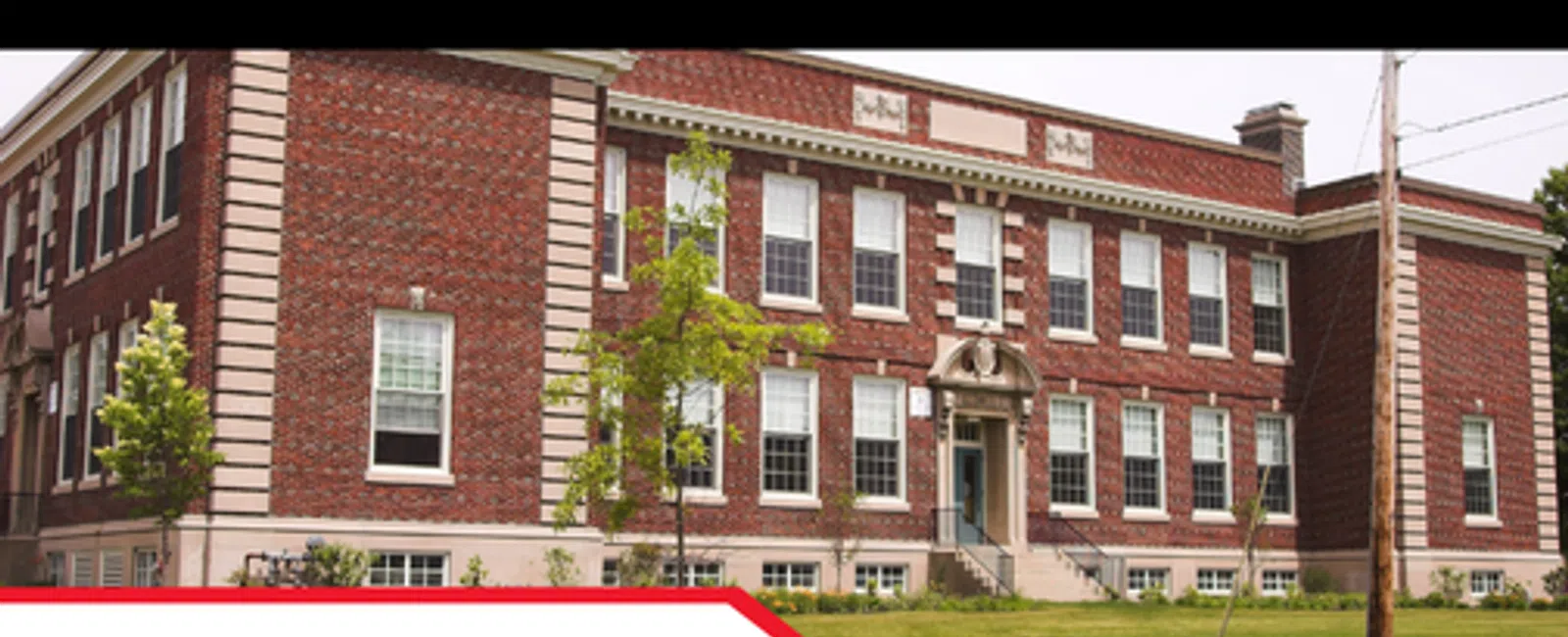
Daycare centers, schools, and other educational facilities are commercial properties with unique operational demands. In addition to classrooms and administrative offices, these buildings may contain restrooms, kitchens or food-service areas, assembly spaces, playground-adjacent areas, drop-off zones, and specialized rooms serving students and staff. Regular occupancy by children, employees, families, and visitors makes understanding the physical condition of the building especially important for buyers, owners, operators, developers, and facility managers.
A professional school building inspection or daycare property inspection can provide valuable information about visible and accessible building systems before a purchase, renovation, lease, or major capital-planning decision. The inspection may identify roofing deterioration, moisture intrusion, HVAC concerns, electrical or plumbing deficiencies, drainage problems, damaged walking surfaces, and deferred maintenance. These findings can help stakeholders better understand current conditions and determine where specialist evaluations or repairs may be appropriate.
LunsPro Inspection Group provides Commercial Inspections in Georgia, Florida, and North Carolina, including markets such as Atlanta, Athens, Savannah, Jacksonville, Charlotte, Raleigh, and Greensboro. A commercial property inspection focuses on physical property condition. It should not be confused with school or childcare licensing, regulatory safety compliance inspections, fire-code inspections, accessibility audits, or other specialized assessments.
Why Are Educational Properties Different?
Educational properties often combine multiple functions within one facility.
Depending on the building, these can include:
- Classrooms
- Administrative offices
- Restrooms
- Kitchens
- Dining or assembly areas
- Storage rooms
- Mechanical spaces
- Exterior recreation areas
- Drop-off and pickup zones
The WBDG guidance on education facilities provides useful context for understanding the specialized nature of educational buildings. Schools must support educational activities while addressing issues such as functionality, building systems, indoor environmental quality, accessibility, safety, and ongoing operations.
This variety is why a commercial inspection for schools should consider how the building functions as a complete property rather than evaluating individual systems in isolation.
Property age and history matter as well. A purpose-built modern school may present different conditions from an older commercial building converted into a daycare. Additions, renovations, previous uses, maintenance history, and current occupancy can all affect what an inspector observes.
What Does a School or Daycare Building Inspection Cover?
The exact scope depends on the property, inspection agreement, accessibility, and client needs. A typical commercial property inspection may address visible and accessible portions of:
- Roofing and roof drainage
- Exterior walls and building envelope
- Foundations and structural components
- Windows and exterior doors
- Interior walls, ceilings, and floors
- HVAC systems
- Electrical systems
- Plumbing
- Restrooms
- Water heaters
- Stairs, guards, and handrails
- Parking and walking surfaces
- Exterior drainage and grading
- Visible moisture conditions
A Property Condition Assessment or Building Condition Assessment may also be appropriate depending on the transaction and agreed scope.
The goal is to establish a clearer understanding of the property's condition, not to certify that the building satisfies every regulation associated with operating a school or childcare facility.
Why Roofing Deserves Careful Evaluation
Roofing is one of the most important systems on any commercial educational property because leaks can affect classrooms, ceilings, insulation, electrical components, finishes, and occupied areas.
A commercial roof inspection may identify visible conditions such as:
- Deteriorated roofing materials
- Damaged flashing
- Open seams
- Previous repairs
- Damaged penetrations
- Ponding water
- Clogged drainage
- Deteriorated sealants
- Evidence of leakage
Roof drainage is equally important. Gutters, downspouts, internal drains, and scuppers should direct water away from vulnerable building areas.
Large or difficult-to-access roofs may require additional evaluation depending on property conditions and inspection limitations.
Exterior Walls, Windows, and Doors
The building envelope helps separate the conditioned interior from exterior weather.
Inspectors may observe exterior conditions involving:
- Wall cracking
- Damaged cladding
- Deteriorated sealants
- Window deterioration
- Door damage
- Corrosion
- Open penetrations
- Moisture staining
Educational facilities can experience significant daily use, particularly around entrances and exits. Doors, hardware, thresholds, and surrounding finishes may therefore show deterioration or damage associated with repeated operation.
Visible deficiencies should be documented in context. A failed sealant joint, for example, may warrant maintenance but does not by itself prove that concealed water damage exists.
HVAC and Indoor Air Quality in Educational Buildings
HVAC performance deserves particular attention in schools and childcare facilities because these buildings can have significant occupancy during operating hours.
A commercial HVAC inspection may include accessible observations of:
- Heating equipment
- Cooling equipment
- Ventilation components
- Filters
- Visible ductwork
- Air distribution
- Condensate drainage
- Equipment condition
- Visible maintenance deficiencies
The EPA's Indoor Air Quality in Schools guidance emphasizes that indoor air quality in educational facilities can be influenced by ventilation, moisture, HVAC operation, maintenance practices, pollutant sources, and other building conditions. This provides useful context for why HVAC and moisture observations deserve attention during an educational facility inspection.
A standard commercial property inspection does not, however, constitute comprehensive indoor air quality testing. Determining pollutant concentrations, ventilation rates, or other specialized indoor environmental parameters may require separate assessment.
Proactive HVAC and Moisture Management
The EPA's Indoor Air Quality Tools for Schools Action Kit provides additional guidance for schools seeking to manage indoor environmental conditions proactively. The program addresses areas such as HVAC maintenance, moisture control, building cleanliness, ventilation, and identifying potential indoor air quality concerns.
For a commercial buyer or facility manager, this guidance reinforces an important due-diligence principle: visible maintenance history can provide useful clues about future building needs.
Dirty mechanical areas, poorly maintained condensate systems, damaged ductwork, persistent water staining, or extensively deferred HVAC maintenance may warrant additional evaluation. These observations do not automatically establish an indoor air quality problem, but they can identify systems or conditions deserving closer attention.
Moisture Intrusion Requires Source-Based Evaluation
Simply documenting a stain is not enough to understand a moisture problem.
Water can enter or accumulate because of:
- Roof leaks
- Plumbing leaks
- Window or door openings
- Failed exterior sealants
- Exterior wall deficiencies
- HVAC condensation
- Poor site drainage
- Foundation moisture
The location where water becomes visible may not be where it originally entered the building.
For example, roof water may travel along framing before appearing at a ceiling tile. Water entering around a window may move into concealed wall materials before becoming visible at an interior finish.
A useful moisture inspection therefore considers the likely source, surrounding building systems, and related evidence.
Moisture and Microbial Growth
Persistent moisture can create conditions conducive to microbial growth and material deterioration.
Inspectors may observe:
- Staining
- Damaged drywall
- Deteriorated ceiling tiles
- Peeling finishes
- Corrosion
- Swollen materials
- Musty odors
- Suspected microbial growth
These observations should be described carefully.
Visible discoloration should not automatically be identified as mold without appropriate assessment or testing. A standard commercial inspection is not a comprehensive mold assessment.
The EPA's child care environmental resources provide additional context for operators of facilities serving young children by addressing environmental considerations relevant to childcare settings. The resource underscores why moisture, indoor environmental conditions, facility maintenance, and other environmental factors deserve thoughtful management in buildings occupied by children.
Electrical Systems in Schools and Daycares
A commercial electrical inspection within a general property assessment may include accessible observations of:
- Service equipment
- Electrical panels
- Visible wiring
- Receptacles
- Lighting
- Disconnects
- Damaged components
- Visible modifications
Older educational properties may have undergone additions or renovations that changed electrical demands over time.
A general commercial inspection can identify visible deficiencies but does not perform engineering calculations or determine whether the system has sufficient capacity for every planned future use.
Where significant concerns or planned electrical upgrades exist, evaluation by a qualified electrician or electrical engineer may be appropriate.
Plumbing, Restrooms, and Water Heaters
Educational buildings may contain numerous plumbing fixtures serving students, employees, kitchens, and other areas.
A commercial plumbing inspection may include accessible observations of:
- Plumbing fixtures
- Supply piping
- Drain components
- Visible leaks
- Corrosion
- Water heaters
- Restroom conditions
- Evidence of previous repairs
Water staining beneath sinks, around fixtures, or near mechanical equipment may warrant further investigation.
Concealed piping cannot normally be fully evaluated during a visual property inspection, and specialized plumbing diagnostics may be recommended when conditions warrant.
Stairs, Guards, Handrails, and Exits
Schools and childcare facilities may contain interior and exterior stairs, ramps, raised areas, and multiple building exits.
Where included in the inspection scope, inspectors may observe visible conditions involving:
- Stairs
- Guards
- Handrails
- Doors
- Exit-related building components
- Walking surfaces
Loose handrails, damaged guards, deteriorated steps, or visibly damaged doors may be reported as physical property deficiencies.
However, the inspection is not a formal fire/life-safety review, fire marshal inspection, or regulatory safety compliance inspection. Those assessments have different scopes and may involve jurisdiction-specific requirements.
Accessibility Considerations
Accessibility is an important consideration when evaluating childcare and educational properties.
Visible observations may involve:
- Accessible parking
- Routes from parking areas
- Building entrances
- Doorways
- Interior circulation
- Restrooms
- Exterior routes
The ADA.gov guidance for Child Care Centers and the ADA explains how federal disability-access requirements can apply to childcare providers and their facilities. This provides important context for buyers and operators considering building access and usability.
A commercial property inspector may identify visible conditions that appear to warrant further review, but general accessibility observations are not equivalent to a comprehensive ADA compliance survey. Buyers requiring a formal accessibility determination should engage an appropriately qualified professional.
Parking, Drop-Off Areas, and Walkways
Educational properties often experience concentrated vehicle and pedestrian activity during arrival and dismissal periods.
Exterior observations may include:
- Parking surfaces
- Curbs
- Sidewalks
- Drop-off areas
- Cross-property walking routes
- Potholes
- Cracking
- Settlement
- Drainage
- Trip-related surface deterioration
These conditions can affect both daily operations and future maintenance budgets.
Large paved areas may also influence site drainage. Depressions, damaged drainage structures, or grading that directs runoff toward the building can contribute to standing water or moisture exposure.
Playgrounds and Exterior Recreation Areas
Daycares and schools may include fenced recreation areas, playgrounds, courts, lawns, and other exterior spaces.
A commercial inspection may observe surrounding property components such as:
- Fencing
- Gates
- Walkways
- Exterior stairs
- Retaining walls
- Drainage
- Visible surface deterioration
- Playground-adjacent areas
Specialized playground equipment is a different matter.
Determining whether playground equipment, fall zones, surfacing, anchorage, or other recreational components satisfy specialized safety standards generally falls outside a standard commercial property inspection. A dedicated playground safety assessment may be appropriate when required.
Why Exterior Drainage Matters
Site drainage influences both building condition and exterior usability.
Inspectors may observe:
- Poor grading
- Standing water
- Erosion
- Damaged drains
- Low areas
- Roof runoff discharging near the building
- Water accumulation near walkways
Poor drainage can contribute to foundation moisture, exterior deterioration, pavement damage, or recurring water accumulation.
A property inspection can identify visible drainage conditions, but detailed stormwater engineering or underground drainage investigation requires a separate scope.
Deferred Maintenance Can Affect Acquisition Costs
A daycare or school can remain operational while carrying significant deferred maintenance.
Examples might include:
- Aging roofing
- Deteriorated pavement
- Failing exterior sealants
- Older HVAC equipment
- Plumbing repairs
- Electrical deficiencies
- Damaged interior finishes
- Drainage improvements
Individually, some deficiencies may appear manageable. Collectively, they can represent substantial near-term capital requirements.
This is one reason commercial property due diligence should consider the building as an interconnected asset rather than focusing only on isolated defects.
How Inspection Findings Support Commercial Due Diligence
A school property inspection can help buyers, owners, and facility operators identify:
- Current physical conditions
- Immediate repair priorities
- Deferred maintenance
- Potential capital expenditures
- Systems requiring specialist evaluation
- Long-term maintenance considerations
- Potential cost-to-cure items
Where appropriate, a Property Condition Assessment or Building Condition Assessment can provide a broader framework for organizing these findings.
Cost-to-cure considerations may involve obtaining contractor estimates for major repairs or replacements identified during due diligence. The inspection helps identify where additional pricing or specialist input may be useful; it does not necessarily establish final project costs.
Ongoing Maintenance Matters in Educational Facilities
Schools and childcare buildings experience regular daily occupancy and repeated use of doors, restrooms, HVAC systems, plumbing fixtures, walkways, and interior finishes.
Routine maintenance can therefore have a significant effect on long-term property condition.
Maintenance programs may need to address:
- Roofing
- HVAC servicing
- Exterior sealants
- Plumbing
- Electrical systems
- Drainage
- Pavement
- Interior finishes
The EPA's school indoor-air-quality resources also demonstrate how preventive maintenance and moisture management can support better indoor environmental conditions. For commercial stakeholders, reviewing visible maintenance conditions during acquisition can help establish priorities for the first months and years of ownership.
When Are Specialized Evaluations Appropriate?
A general daycare building inspection or school property inspection cannot answer every question associated with an educational facility.
Depending on findings, transaction requirements, licensing requirements, or intended use, additional professionals may be needed for:
- Structural engineering
- Fire-code evaluation
- Fire suppression system testing
- ADA compliance surveys
- Environmental Site Assessments
- Indoor air quality assessments
- Mold assessments
- Playground safety evaluations
- Building-code compliance
- School or childcare licensing
- Regulatory safety compliance
Keeping these scopes separate is important because each evaluation serves a different purpose.
Commercial Inspections Across the Southeast
LunsPro Inspection Group provides Commercial Inspections in the Southeast within its commercial service areas of Georgia, Florida, and North Carolina.
Commercial Inspections in Georgia may include daycare and educational properties in markets such as Atlanta, Athens, and Savannah. Commercial Inspections in Florida may include applicable properties in Jacksonville, while Commercial Inspections in North Carolina can serve commercial stakeholders in Charlotte, Raleigh, Greensboro, and other communities within LunsPro's service area.
Each property should be evaluated according to its construction, age, maintenance, previous use, additions, renovations, occupancy, and intended future operation. A converted daycare may present different concerns from a purpose-built school, and an older educational building may require a different due-diligence strategy from a recently constructed facility.
Commercial inspections for schools and daycares can provide buyers, owners, operators, and facility managers with valuable information about the physical condition of buildings that support daily educational and childcare activities. Roofing, HVAC, electrical systems, plumbing, moisture management, exterior surfaces, accessibility-related features, drainage, and deferred maintenance can all influence both immediate repair priorities and long-term facility planning.
The value of a school building inspection is not that it replaces licensing, code, fire, environmental, accessibility, or other regulatory evaluations. Instead, it establishes a clearer understanding of visible and accessible property conditions and helps stakeholders identify areas where additional expertise may be appropriate. Maintaining that distinction is particularly important when regulatory safety compliance inspections or specialized certifications are required.
LunsPro Inspection Group's commercial inspection services in Georgia, Florida, and North Carolina can support property buyers and commercial real estate stakeholders as they evaluate daycare centers, schools, and other educational facilities. Depending on the transaction, inspection findings can contribute to commercial property due diligence, repair planning, specialist referrals, capital budgeting, and potential cost-to-cure analysis.
For stakeholders considering an educational property, understanding the building's current condition is an important part of responsible due diligence. A well-organized commercial inspection can help separate immediate concerns from routine maintenance, identify systems that deserve specialist attention, and provide a stronger physical-condition baseline for future facility decisions.