
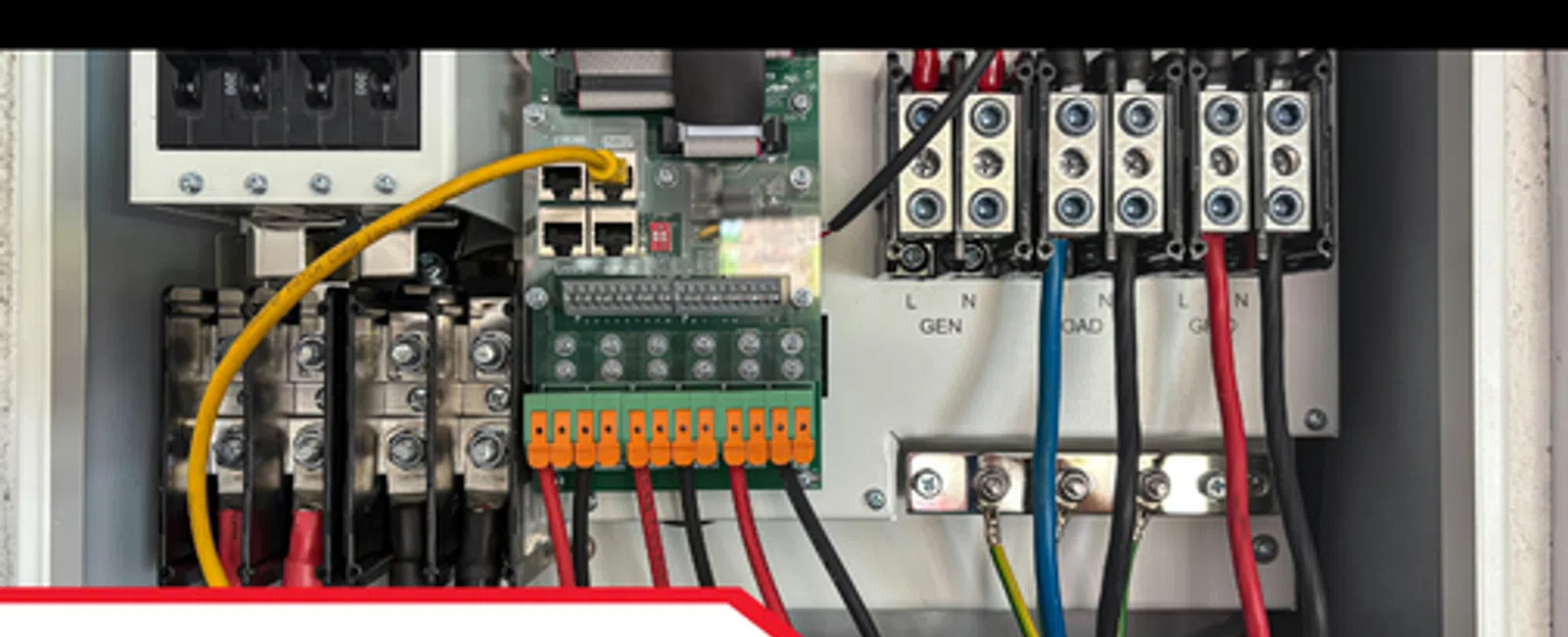
An electrical panel is an important part of a home's electrical system, distributing electricity to different circuits throughout the property. While homebuyers often focus on the panel's age, visible condition, and electrical capacity, another detail deserves attention: the accuracy and clarity of its circuit labels.
During an electrical panel inspection, an inspector may observe a directory identifying which breakers serve specific rooms, appliances, or electrical equipment. These labels help homeowners and qualified electricians understand how electricity is distributed throughout the home. When labels are missing, outdated, or inaccurate, identifying the correct circuit may become more difficult.
However, missing or incorrect labels do not automatically mean a home's electrical wiring is defective or unsafe. Labeling concerns should be distinguished from physical electrical deficiencies. Understanding that difference can help homebuyers make informed decisions about electrical maintenance, professional evaluations, and future improvements.
What Is an Electrical Panel Directory?
An electrical panel directory is a list or chart associated with an electrical distribution panel that identifies the areas, equipment, or circuits served by individual breakers.
In a typical residential panel, breakers are arranged in numbered positions. The directory provides descriptions intended to correspond with those positions.
Examples may include:
- Kitchen receptacles
- Living room outlets
- Bedroom lighting
- Bathroom circuits
- Laundry equipment
- Water heater
- HVAC equipment
- Garage receptacles
- Exterior lighting
Some circuits serve a particular appliance, while others supply multiple outlets or lighting fixtures.
The directory helps users understand which areas may be affected when a breaker is turned off or when an electrical issue requires investigation.
A clearly organized directory is particularly useful when a home has numerous circuits, multiple floors, or electrical modifications completed over time.
Why Are Electrical Panel Labels Important?
Accurate electrical circuit labeling supports several aspects of residential property maintenance.
Although labels do not determine whether wiring is installed correctly, they provide practical information about the electrical system.
Maintenance and Repairs
When electrical work is necessary, accurate labels can help a qualified electrician identify the circuits associated with particular areas or equipment.
This can support more efficient troubleshooting and repair planning.
Identifying Affected Areas
A breaker may supply electricity to several receptacles, lights, or appliances.
Clear labeling helps identify which portions of the home are associated with a particular circuit.
Future Renovations
Home improvements often involve changes to electrical equipment or circuit arrangements.
An accurate directory can provide useful starting information for electricians planning renovations or upgrades.
Communication With Electricians
Homeowners can describe electrical concerns more clearly when the panel directory contains recognizable circuit descriptions.
However, electricians should independently verify circuits as necessary rather than relying exclusively on existing labels.
The Electrical Safety Foundation International's home electrical safety resources emphasize the importance of electrical safety awareness and appropriate maintenance practices.
Keeping electrical documentation understandable is one practical part of responsible homeownership.
What If Electrical Panel Labels Are Missing?
Missing breaker labels are not uncommon in residential properties.
An inspector may encounter a panel with a blank directory, incomplete descriptions, or labels that are difficult to read.
Examples include:
- Blank directory spaces
- Illegible handwriting
- Vague descriptions
- Outdated room names
- Unidentified breakers
- Multiple handwritten changes
- Missing information after renovations
These conditions may make circuit identification less convenient or create uncertainty during future maintenance.
However, missing breaker labels do not automatically establish defective wiring.
The appropriate concern is whether the panel directory accurately communicates the circuits served by the breakers.
When information is incomplete or uncertain, a qualified electrician may need to verify circuit assignments and update the directory.
Why Do Circuit Labels Become Inaccurate?
Electrical systems often change during a home's lifetime.
Renovations, additions, equipment replacements, and electrical upgrades can alter how circuits are arranged or used.
Kitchen Remodeling
Kitchen renovations may involve new appliances, receptacles, lighting, or dedicated circuits.
If the panel directory is not updated, the existing labels may no longer reflect the electrical configuration.
Bathroom Updates
Bathroom renovations may include changes to receptacles, lighting, ventilation equipment, or other electrical components.
These modifications can affect circuit descriptions.
Room Additions
An addition may introduce new circuits or change how existing electrical equipment serves different areas.
Panel Replacements
When an electrical panel is replaced, circuit information should be accurately documented.
A newer panel does not automatically guarantee that the directory is complete or correct.
Previous Electrical Repairs
Circuit modifications made during troubleshooting or repair work may not always be reflected in the existing directory.
Over time, multiple changes can make older labels increasingly difficult to interpret.
This is why incorrect circuit labels can occur in both older and newer homes.
What Does a Home Inspector Evaluate at an Electrical Panel?
A home electrical panel inspection generally focuses on visible and accessible electrical conditions within the applicable inspection scope.
Depending on the property, safety considerations, and inspection standards, observations may include:
- Panel accessibility
- Exterior cabinet condition
- Directory labeling
- Visible physical damage
- Corrosion
- Missing covers or openings
- Breaker arrangement where visible
- Evidence of overheating
- Questionable modifications
- Accessible wiring conditions
Inspectors may also identify conditions that warrant further evaluation by a licensed electrician.
Visible Panel Conditions
Physical observations can provide information about the panel's apparent condition.
For example, corrosion, damaged components, or visible evidence of overheating may warrant professional attention.
However, these observations should not be confused with labeling concerns.
An inaccurate directory does not independently establish that the panel contains damaged components.
Likewise, a clearly labeled panel does not guarantee that the electrical system is free from deficiencies.
Inspection Scope and Access
The extent of a residential electrical inspection depends on applicable inspection standards, site conditions, equipment accessibility, and safety considerations.
Certain panels or components may not be safely accessible for evaluation.
A home inspector should document relevant limitations rather than attempt procedures outside the agreed scope or appropriate safety practices.
Why Electrical Panel Accessibility Matters
Electrical panels should remain reasonably accessible for appropriate inspection, maintenance, and professional electrical work.
During a home inspection, access may be limited by:
- Stored belongings
- Furniture
- Shelving
- Appliances
- Locked areas
- Other obstructions
Blocked access may prevent an inspector from adequately observing the equipment.
It may also complicate future maintenance or repairs.
Homeowners should avoid using electrical equipment areas for storage that interferes with safe access.
Specific working-space requirements depend on applicable electrical codes and circumstances. A general home inspection does not establish every required clearance or certify formal compliance.
When access concerns are significant, further evaluation or correction may be appropriate.
Does a Home Inspector Check Every Circuit?
Not necessarily.
A standard home inspection may include observations of electrical panel labeling, visible components, and selected electrical operation.
However, reviewing a panel directory is different from tracing and verifying every branch circuit.
What Is Circuit Identification?
Electrical circuit identification involves determining which outlets, lights, appliances, or equipment are supplied by particular breakers.
Confirming complete directory accuracy may require systematic testing and tracing performed by a qualified electrician.
Why Visual Inspection Has Limitations
A label reading "bedroom outlets" may appear reasonable, but its presence does not prove that the breaker serves only those outlets.
Some circuits may supply multiple areas.
Others may have been modified during renovations.
A home inspection electrical panel evaluation may identify incomplete or questionable labeling, but it generally does not establish the complete electrical distribution arrangement.
This distinction is important for homebuyers who expect a standard inspection to verify every breaker assignment.
Are Incorrect Circuit Labels an Electrical Hazard?
Incorrect labels can create confusion when someone needs to identify a circuit.
However, an inaccurate label does not automatically mean the underlying wiring is defective.
The concern is that someone may rely on incorrect information when planning maintenance or repairs.
Electrical circuits should be properly identified and verified by qualified professionals before electrical work is performed.
The Consumer Product Safety Commission's electrical safety guidance provides general information about electrical safety in residential settings.
Similarly, the National Fire Protection Association's electrical safety resources emphasize recognizing electrical concerns and maintaining safe practices around electrical systems.
Homeowners should not attempt to open, alter, or work on energized electrical equipment without appropriate qualifications.
When circuit identification is uncertain, professional verification is the appropriate approach.
Why Electrical Work Requires Qualified Professionals
Electrical equipment can present serious hazards when handled improperly.
Even when a breaker is labeled, the label should not be treated as independent confirmation that electrical components are de-energized.
Qualified electricians use appropriate procedures and testing methods when performing electrical work.
The Occupational Safety and Health Administration's electrical safety information addresses electrical hazards and safe work practices in occupational settings.
OSHA workplace requirements are not the same as residential home inspection standards, but the broader principle remains relevant: electrical work requires appropriate training, equipment, and safety procedures.
A standard home inspection is not a substitute for professional electrical servicing, circuit tracing, or repairs.
Electrical Panel Labels and Code Considerations
Electrical installations are influenced by applicable building and electrical requirements.
The International Code Council's I-Codes provide model codes used by jurisdictions as part of their building regulatory frameworks.
Specific electrical requirements depend on the applicable adopted codes, jurisdiction, installation circumstances, and relevant standards.
A home inspector may identify visible labeling concerns, but a standard home inspection is not a formal electrical code-compliance assessment.
Similarly, the presence of a handwritten directory does not automatically establish a code violation.
The important questions are whether the information is understandable, whether circuit assignments are accurate, and whether any observed condition warrants professional verification.
When Should a Licensed Electrician Be Consulted?
Certain electrical panel observations may justify additional evaluation.
Examples include:
Unidentified Circuits
Breakers without meaningful descriptions may require professional identification.
Suspected Incorrect Labeling
If a directory appears inconsistent with the home's current layout or known modifications, verification may be appropriate.
Damaged Components
Visible damage to the panel cabinet, breakers, or other accessible components may warrant further investigation.
Evidence of Overheating
Discoloration, scorching, or other apparent overheating indicators should be evaluated by a qualified electrician.
Questionable Modifications
Unusual or visibly questionable electrical alterations may require additional assessment.
Panel Deterioration
Corrosion, damaged covers, or other physical deficiencies may deserve professional attention.
Questions About Circuit Capacity
A home inspector generally does not perform comprehensive electrical load calculations.
A licensed electrician can evaluate capacity questions associated with additions, major appliances, or electrical upgrades.
Unusual Breaker Operation
Breakers that repeatedly trip or otherwise operate unexpectedly may require professional troubleshooting.
The appropriate recommendation depends on the specific condition rather than the age or appearance of the panel alone.
Electrical Panel Labeling in Newer and Older Homes
Electrical labeling concerns are not limited to a particular construction period.
Older Homes
Older properties may have experienced several renovations, additions, panel replacements, or electrical modifications.
Over time, circuit descriptions may become outdated.
However, an older electrical panel is not automatically deficient simply because of its age.
Newly Constructed Homes
New construction may include recently installed electrical equipment and directories.
Nevertheless, labels may still be incomplete, vague, or inconsistent with the final electrical configuration.
A final new construction home inspection may identify visible directory concerns that deserve builder or electrician attention.
For both newer and older homes, accurate documentation is more useful than assumptions based on property age.
Electrical Panel Inspections Across the Southeast
Homes throughout the Southeast vary in age, electrical configuration, renovation history, and equipment requirements.
LunsPro Inspection Group provides residential inspection services throughout Georgia, North Carolina, South Carolina, Tennessee, and Florida, including Atlanta, Athens, Savannah, Charlotte, Raleigh, Greensboro, Greenville, Charleston, Chattanooga, Nashville, and Jacksonville.
An older home in Atlanta or Savannah may have experienced multiple electrical modifications, while a newer property in Charlotte, Raleigh, or Jacksonville may contain recently installed circuits serving modern appliances and equipment.
Homes in Chattanooga, Nashville, Greensboro, Athens, Greenville, and Charleston may also vary substantially in panel configuration and maintenance history.
Regardless of location, a professional electrical panel inspection can help identify visible conditions, labeling concerns, and circumstances that may warrant additional evaluation.
The objective is to document observable information rather than assume that a particular property age or region determines electrical condition.
Why Accurate Circuit Identification Matters
Electrical panel directories are relatively simple components of a home's electrical system, but they provide valuable information for maintenance, troubleshooting, repairs, and future renovations. Clear descriptions help homeowners understand which circuits serve particular areas or equipment and support more effective communication with qualified electricians.
During an electrical panel inspection, an inspector may identify missing labels, vague descriptions, outdated information, or visible panel deficiencies. However, missing or inaccurate labels do not automatically mean the electrical system is unsafe or that wiring is defective. A general home inspection also does not necessarily trace and verify every circuit.
For homebuyers, understanding these limitations is important. Accurate circuit identification may require additional testing by a licensed electrician, particularly when renovations, panel replacements, or electrical modifications have occurred.
LunsPro Inspection Group supports residential buyers throughout Georgia, North Carolina, South Carolina, Tennessee, and Florida through professional home inspections that evaluate visible and accessible property conditions. By documenting electrical panel observations and identifying when further evaluation may be appropriate, these inspections help homebuyers better understand the property before closing.
Clear electrical circuit labeling is ultimately about maintaining useful, accurate information. When combined with appropriate professional maintenance and qualified electrical work, it can support safer and more organized homeownership.