The Southeastern United States is known for its warm climate, abundant rainfall, high humidity, and extended growing seasons. While these environmental conditions contribute to lush landscapes and desirable living environments, they also create ideal conditions for one of the most common and costly threats to residential properties: moisture intrusion.
Many homeowners are surprised to learn that moisture-related problems often develop long before visible signs appear. Water can infiltrate a structure through roofing systems, foundations, crawlspaces, windows, doors, plumbing systems, and HVAC components. Over time, even minor moisture exposure can lead to mold growth, wood rot, structural deterioration, insulation damage, and indoor air quality concerns. Because these issues frequently remain hidden behind walls, beneath flooring, or inside attic and crawlspace areas, homeowners may not discover them until repairs become expensive.
At LunsPro Inspection Group, one of the most valuable aspects of Residential Inspection Services involves identifying hidden moisture conditions before they develop into major problems. Through Moisture Intrusion Inspection services, Water Damage Inspection evaluations, Infrared Inspection technology, Roof Inspection assessments, Crawlspace Inspection procedures, Attic Inspection reviews, and advanced moisture detection tools, inspectors help homeowners better understand the condition of their property and reduce the likelihood of costly future repairs.
Why Moisture Is Such a Major Concern in the Southeast
The Southeast experiences environmental conditions that naturally increase the risk of moisture-related problems.
These conditions include:
- High humidity levels
- Frequent thunderstorms
- Tropical weather systems
- Heavy seasonal rainfall
- Warm temperatures
- Extended wet periods
While homes are designed to withstand normal weather exposure, even small deficiencies in construction, maintenance, or drainage can allow moisture to enter the building envelope.
Over time, excess moisture may contribute to:
- Hidden Water Damage
- Mold and Moisture Issues
- Structural deterioration
- Wood rot
- Foundation Moisture Issues
- Indoor air quality concerns
This is why Moisture Intrusion Inspection services have become increasingly important throughout the region.
Hidden Moisture Intrusion: The Problem Homeowners Often Miss
One of the biggest challenges associated with moisture is that it frequently remains hidden.
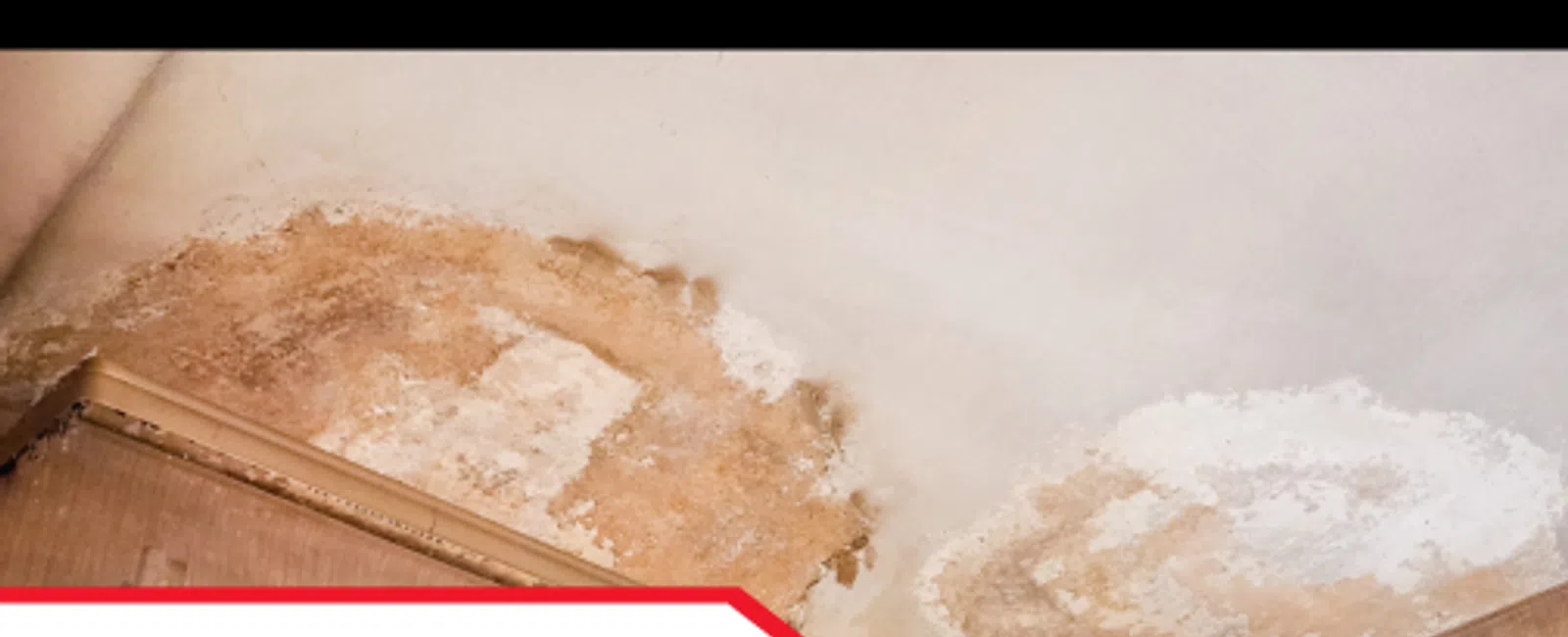
Unlike a major plumbing leak or flooding event, slow moisture intrusion can occur for months or even years without producing obvious symptoms.
Common Hidden Sources of Moisture
Inspectors frequently identify moisture entering homes through:
- Roof penetrations
- Damaged flashing
- Window assemblies
- Door assemblies
- Foundation walls
- Crawlspaces
- HVAC systems
- Plumbing connections
Because these conditions often develop gradually, homeowners may not notice them until staining, mold growth, odors, or material deterioration becomes visible.
A comprehensive Moisture Intrusion Inspection helps identify these concerns before significant damage occurs.
Roof Leaks and Hidden Water Damage
Roofing systems represent one of the most common entry points for unwanted moisture.
Many Roof Leaks begin as small deficiencies that remain unnoticed until substantial damage develops.
How Roof Leaks Develop
Common causes include:
- Damaged shingles
- Missing flashing
- Aging roofing materials
- Storm damage
- Improper repairs
- Roof penetrations
Water entering through the roof can travel considerable distances before becoming visible inside the home.
As a result, the source of a leak is not always located directly above the visible staining or damage.
The Importance of Roof Inspection Services
A professional Roof Inspection helps identify:
- Roofing deficiencies
- Storm-related damage
- Flashing concerns
- Drainage issues
- Active moisture intrusion
Roof inspections are especially important throughout the Southeast, where severe weather and high humidity accelerate roofing deterioration.
Crawlspace Moisture Problems
Crawlspace Moisture remains one of the most common findings during Residential Inspections in the Southeast.
Because crawlspaces exist below living areas and are often exposed to ground moisture, they are particularly vulnerable to humidity and water intrusion.
Common Crawlspace Moisture Sources
Inspectors frequently identify:
- Groundwater intrusion
- Inadequate vapor barriers
- Poor drainage
- Plumbing leaks
- Ventilation deficiencies
Excess moisture in crawlspaces can contribute to:
- Wood rot
- Structural deterioration
- Mold growth
- Pest activity
- Flooring damage
Why Crawlspace Inspection Matters
A thorough Crawlspace Inspection helps identify moisture conditions that may affect both the structure and indoor environment.
Since air from crawlspaces often migrates into living spaces, crawlspace conditions can directly influence indoor air quality.
Early detection allows homeowners to address concerns before significant structural damage develops.
Foundation Moisture Issues
Foundation Moisture Issues are another common concern throughout the Southeast.
Heavy rainfall, improper grading, and poor drainage can cause water to accumulate around foundation walls.
Signs of Foundation Moisture Intrusion
Inspectors often look for:
- Efflorescence
- Water staining
- Damp surfaces
- Cracking
- Mold growth
- Elevated moisture levels
While some moisture conditions may appear minor initially, long-term exposure can contribute to:
- Foundation deterioration
- Structural movement
- Interior damage
- Mold development
Proper drainage and moisture management remain essential components of long-term home maintenance.
Attic Condensation and Moisture Problems
Many homeowners focus on basements and crawlspaces when thinking about moisture intrusion, but attics can be equally vulnerable.
Attic moisture often develops differently than moisture in lower portions of the home.
Common Causes of Attic Moisture
Attic Inspection evaluations frequently identify:
- Inadequate ventilation
- Improper exhaust venting
- Air leakage
- Roof leaks
- Condensation
Warm, moisture-laden air rising from living spaces can condense inside cooler attic areas.
This condensation may contribute to:
- Mold and Moisture Issues
- Wood deterioration
- Insulation damage
- Reduced energy efficiency
Why Attic Inspection Is Important
A professional Attic Inspection helps identify hidden conditions before they affect structural components and roofing systems.
Because many attic concerns remain out of sight, homeowners often remain unaware of developing problems.
Window and Door Leaks
Windows and doors serve as critical components of the building envelope.
When seals, flashing, or installation details fail, water can enter wall cavities and remain concealed for extended periods.
Common Indicators of Window and Door Moisture Problems
Inspectors may observe:
- Water staining
- Soft building materials
- Damaged trim
- Elevated moisture readings
- Visible deterioration
Window and door leaks are often responsible for Hidden Water Damage that develops behind walls.
Identifying these concerns early can prevent more extensive repairs and reduce long-term maintenance costs.
Mold Growth Risks and Moisture Exposure
Moisture and mold are closely related.
When building materials remain damp for extended periods, conditions become favorable for fungal growth.
Guidance discussed in Mold and Moisture Problems: Preventing Damage emphasizes the importance of controlling moisture as the primary strategy for preventing mold development within residential structures. The EPA highlights that addressing water intrusion quickly is one of the most effective ways to reduce mold-related concerns.
Conditions That Promote Mold Growth
Common contributing factors include:
- Roof leaks
- Plumbing leaks
- Crawlspace Moisture
- Attic condensation
- Foundation Moisture Issues
While mold itself is often the visible symptom, the underlying moisture source is usually the primary concern.
Identifying and correcting moisture conditions remains essential for Mold Prevention.
Wood Rot and Structural Deterioration
Long-term moisture exposure can significantly affect structural materials.
Wood framing, subfloors, roof sheathing, and trim components may deteriorate when exposed to elevated moisture levels.
Why Wood Rot Matters
Wood deterioration can affect:
- Structural integrity
- Safety
- Property value
- Repair costs
Many moisture-related structural problems begin in hidden areas where damage remains unnoticed for extended periods.
A Water Damage Inspection helps identify visible signs of deterioration before structural repairs become extensive.
HVAC-Related Moisture Issues
HVAC systems play an important role in managing indoor humidity levels.
When systems do not operate properly, moisture-related concerns may develop.
Common HVAC Moisture Concerns
Inspectors often identify:
- Condensation issues
- Improper drainage
- Excess humidity
- Duct leakage
- Airflow deficiencies
These conditions can contribute to:
- Mold and Moisture Issues
- Insulation damage
- Indoor air quality concerns
Managing humidity effectively is particularly important throughout the Southeast, where outdoor moisture levels remain elevated for much of the year.
How Infrared Inspection Technology Detects Hidden Moisture
One of the most effective tools for identifying concealed moisture is Infrared Inspection technology.
Infrared Moisture Detection allows inspectors to identify temperature variations that may indicate:
- Water intrusion
- Moisture accumulation
- Insulation deficiencies
- Air leakage
Benefits of Infrared Inspection
Infrared Inspection technology helps inspectors:
- Identify hidden moisture
- Evaluate roof leak impacts
- Locate potential water intrusion pathways
- Assess moisture-related conditions behind finished surfaces
Because many moisture concerns remain invisible during a standard visual inspection, infrared technology provides an additional layer of protection for homeowners.
The Importance of Moisture Meters
While infrared technology identifies temperature differences, moisture meters help verify elevated moisture levels.
Inspectors often use moisture meters to evaluate:
- Drywall
- Wood framing
- Flooring materials
- Structural components
Combining Infrared Moisture Detection with moisture meter verification provides a more comprehensive understanding of moisture conditions.
These tools support more accurate Moisture Intrusion Inspection findings and reporting.
Home Inspection Red Flags Related to Moisture
Moisture-related conditions are among the most significant Home Inspection Red Flags identified during residential evaluations.
Common warning signs include:
- Musty odors
- Water staining
- Visible mold growth
- Soft materials
- Peeling paint
- Elevated humidity
- Structural deterioration
While not every indicator represents a major issue, each warrants careful evaluation.
Early identification often prevents more significant and expensive problems later.
Moisture Concerns Across Southeastern Markets
Homes throughout the Southeast experience similar moisture challenges.
Home Inspections in Atlanta frequently identify crawlspace moisture, drainage deficiencies, and attic ventilation concerns.
Home Inspections in Charlotte often reveal moisture-related issues associated with aging roofing systems and foundation drainage.
Home Inspections in Nashville commonly involve crawlspace conditions, HVAC-related moisture concerns, and roof leaks.
Home Inspections in Raleigh regularly identify attic moisture and building envelope deficiencies.
Home Inspections in Greenville frequently uncover drainage concerns and crawlspace moisture conditions.
Across all markets, Residential Inspections in the Southeast continue to demonstrate the importance of proactive moisture management and early detection.
Moisture intrusion remains one of the most common and potentially expensive threats facing Southeastern homeowners. Because moisture often enters a home gradually and remains hidden behind finished surfaces, significant damage can occur long before visible symptoms appear. Roof leaks, crawlspace moisture, attic condensation, foundation moisture issues, HVAC-related humidity concerns, and window or door leaks can all contribute to Hidden Water Damage, mold growth, wood rot, and structural deterioration.
Resources provided through Protecting Your Home from Moisture Damage emphasize that proactive moisture management is one of the most important aspects of protecting residential properties. Similarly, guidance contained in Moisture Control Guidance for Buildings reinforces the importance of identifying and controlling moisture before it affects building performance and indoor environments.
At LunsPro Inspection Group, Moisture Intrusion Inspection services, Water Damage Inspection evaluations, Infrared Inspection technology, Roof Inspection assessments, Crawlspace Inspection procedures, Attic Inspection reviews, and advanced moisture detection methods help homeowners identify concerns early and make informed decisions about maintenance and repairs. By addressing moisture issues before they become major problems, homeowners can better protect their investment, preserve structural integrity, and maintain a healthier living environment for years to come.