
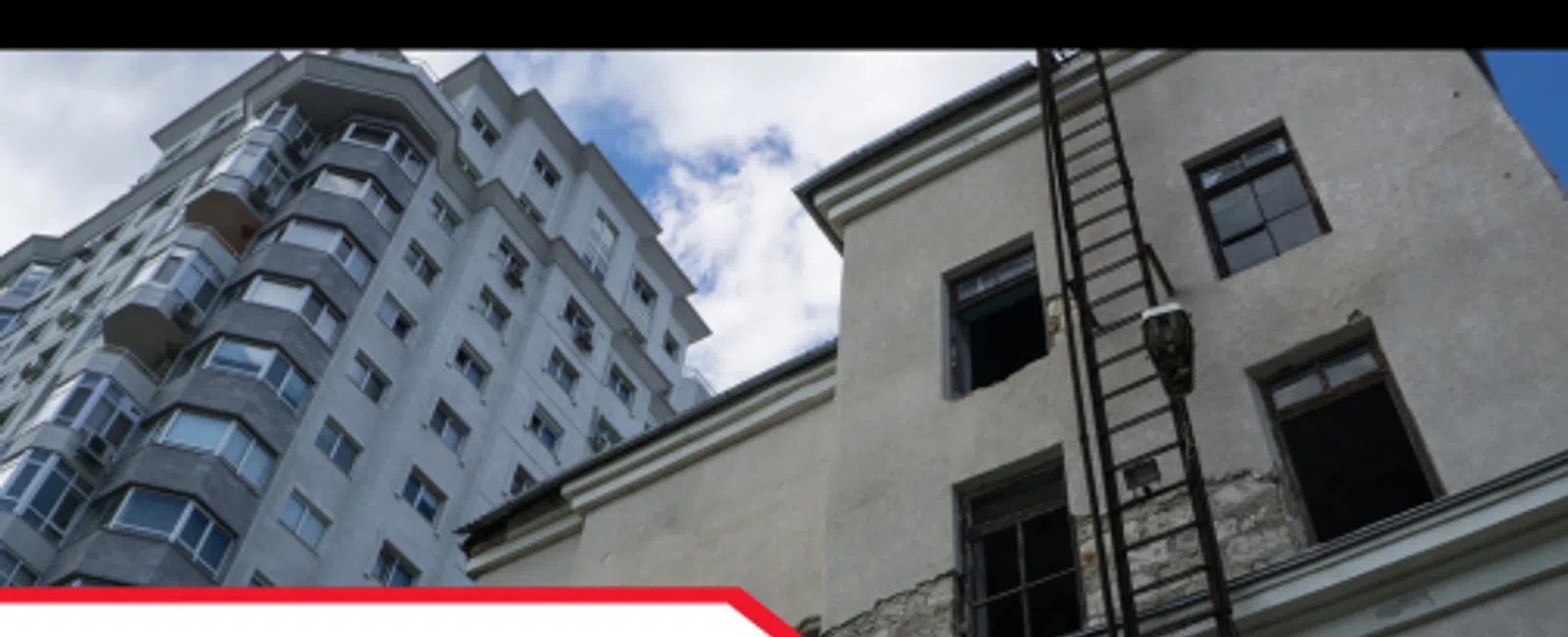
For many homebuyers, one of the first major decisions is whether to purchase an older home with character and established neighborhoods or a newly constructed home with modern features and updated systems. Both options offer distinct advantages, but one question consistently arises during the buying process: which type of property tends to have more inspection issues?
The answer is more complicated than many people expect. Older homes often present concerns related to aging systems, deferred maintenance, and long-term wear. New homes, however, are not immune to defects. In fact, New Construction Inspection services regularly uncover installation errors, incomplete workmanship, and construction-related deficiencies that may not be visible during a standard walkthrough. Regardless of a home's age, professional inspections remain one of the most important tools for understanding a property's condition before making a purchase.
At LunsPro Inspection Group, our Licensed and Certified Home Inspectors perform Residential Inspections in the Southeast for both older and newly built homes. Through comprehensive evaluations, Property Condition Assessment services, Structural Inspection observations, New Construction Home Inspection procedures, Historic Home Inspection reviews, and detailed reporting, we help buyers understand the unique risks associated with each property type. Whether conducting Home Inspections in Atlanta, Home Inspections in Charlotte, Home Inspections in Nashville, or Home Inspections in Raleigh, our goal is to provide objective information that supports confident real estate decisions.
Understanding the Difference Between Older and New Homes
When comparing older homes and new construction, it is important to recognize that each category presents a different set of inspection challenges.
Older homes have often been exposed to decades of weather, maintenance practices, renovations, and normal aging. Over time, systems wear out, materials deteriorate, and repairs accumulate.
New homes, on the other hand, have not yet experienced years of wear and tear. However, they may contain construction defects, installation errors, and incomplete work that occurred during the building process.
The question is not necessarily which property has more issues, but rather what type of issues are most likely to be encountered.
Inspection Issues Commonly Found in Older Homes
Older properties often have a long history of use, which means inspectors frequently evaluate components nearing or exceeding their expected service lives.
Aging Roof Systems
Roofing materials naturally deteriorate over time.
Older Home Inspection evaluations commonly identify:
- Aging shingles
- Flashing deterioration
- Previous repairs
- Storm damage
- Roof leaks
These conditions can contribute to water intrusion and future replacement costs.
Because roofing systems represent a major investment, roof-related Home Inspection Findings often play an important role during real estate transactions.
Outdated Electrical Systems
Electrical systems are one of the most common Home Inspection Red Flags found in older properties.
Inspectors frequently encounter:
- Outdated wiring
- Older electrical panels
- Improper modifications
- Insufficient capacity
- Missing safety protections
While many older homes have received updates over the years, not all improvements are performed consistently.
Electrical upgrades can represent significant expenses for homeowners.
Plumbing Deterioration
Plumbing systems also experience wear over time.
Older Home Inspection evaluations often identify:
- Corrosion
- Leaks
- Aging supply lines
- Aging drain lines
- Previous repairs
Depending on the age of the property, substantial plumbing upgrades may eventually become necessary.
Foundation Settlement and Structural Movement
Aging homes may exhibit signs of:
- Settlement
- Structural movement
- Foundation cracking
- Floor unevenness
- Wall displacement
While some movement may be expected over time, Structural Inspection observations help determine whether visible conditions warrant further evaluation.
Moisture Issues and Deferred Maintenance
Deferred maintenance often contributes to moisture-related concerns.
Inspectors may identify:
- Water intrusion
- Wood rot
- Damaged siding
- Crawlspace moisture
- Attic ventilation deficiencies
These issues frequently develop gradually and may remain unnoticed for years.
Inspection Issues Commonly Found in New Homes
Many buyers assume that newly constructed homes are free from defects.
In reality, New Construction Inspection services frequently identify concerns that arise during the construction process.
Guidance discussed in Why You Need a Home Inspection on a Newly Built House reinforces the fact that new homes can contain significant defects despite being recently completed. Construction schedules, subcontractor coordination, and the complexity of modern building systems all contribute to the potential for errors.
Construction Defects
Common findings include:
- Improper installations
- Missing components
- Incomplete work
- Framing deficiencies
- Cosmetic defects
These issues may not be obvious during a standard buyer walkthrough.
Framing Issues
Structural framing concerns remain one of the most important reasons for a New Construction Home Inspection.
Inspectors sometimes identify:
- Damaged trusses
- Improper repairs
- Missing fasteners
- Inadequate connections
- Structural modifications
When discovered early, builders can often address these concerns before occupancy.
HVAC Installation Problems
Modern HVAC systems are highly efficient, but installation quality remains critical.
Common Home Inspection Findings include:
- Improper airflow
- Ductwork deficiencies
- Ventilation concerns
- Equipment installation issues
Because HVAC systems affect comfort, energy efficiency, and indoor air quality, proper evaluation remains essential.
Plumbing Defects
New homes are not immune to plumbing concerns.
Inspectors may identify:
- Leaks
- Improper connections
- Drainage issues
- Incomplete installations
These defects can sometimes create moisture problems if left uncorrected.
Roofing Deficiencies
Even newly installed roofs can contain deficiencies.
A New Construction Inspection may reveal:
- Improper flashing
- Missing components
- Installation errors
- Drainage concerns
Identifying roofing issues before closing helps buyers avoid future complications.
Why New Construction Homes Require Multiple Inspections
Unlike older homes, new construction properties often benefit from inspections performed at multiple stages.
Industry guidance from Should You Get a Home Inspection on New Construction? explains why buyers should not rely solely on municipal code inspections. Independent evaluations provide additional protection and help identify concerns that may not fall within the scope of local building inspections.
Pre-Drywall Inspection
A Pre-Drywall Inspection occurs before insulation and drywall conceal structural and mechanical systems.
Inspectors evaluate:
- Framing
- Electrical rough-ins
- Plumbing rough-ins
- HVAC components
Because many defects become hidden after drywall installation, this phase provides exceptional value.
Pre-Closing Inspection
A Pre-Closing Inspection takes place shortly before the final walkthrough.
Common observations include:
- Incomplete work
- Installation defects
- Cosmetic concerns
- System performance issues
This inspection provides buyers with an opportunity to address concerns before ownership transfers.
11-Month Warranty Inspection
Many builders provide one-year warranties.
An 11-Month Warranty Inspection helps identify concerns before warranty coverage expires.
Inspectors often observe:
- Settlement cracks
- Moisture concerns
- HVAC performance issues
- Roofing deficiencies
- Plumbing problems
These inspections help homeowners maximize warranty protections.
Historic Homes Present Unique Challenges
A Historic Home Inspection often combines many of the concerns associated with older homes while introducing additional considerations.
Historic properties may contain:
- Original materials
- Unique architectural features
- Older construction methods
- Specialized maintenance requirements
While these homes offer character and charm, they frequently require more extensive evaluation and ongoing maintenance planning.
Homebuyers considering historic properties should understand that preservation and maintenance often play a larger role in ownership.
Which Type of Home Has More Issues?
This question is common among first-time buyers.
The reality is that both property types present risks.
Older homes tend to have:
- More age-related wear
- More maintenance concerns
- More system deterioration
New homes tend to have:
- More construction-related deficiencies
- More installation issues
- More warranty-related concerns
Research presented in New Construction Home Inspections: What Buyers Need to Know highlights that even newly built homes frequently contain defects that warrant professional evaluation. The article reinforces the idea that age alone does not determine inspection quality or property condition.
Rather than focusing solely on age, buyers should evaluate each property individually through a professional inspection process.
Why Professional Inspections Matter for Both Property Types
Regardless of whether a buyer chooses an older home or a newly built property, inspections provide valuable information.
Professional Residential Inspection Services help identify:
- Home Inspection Red Flags
- Safety concerns
- Structural observations
- Maintenance needs
- Future ownership costs
A thorough Home Inspection Checklist helps ensure major systems and components receive appropriate evaluation.
Benefits include:
- Better purchasing decisions
- Improved repair planning
- Greater negotiating leverage
- Reduced surprises after closing
For many buyers, the inspection process becomes one of the most important steps in understanding a property's true condition.
Regional Considerations in the Southeast
Residential Inspections in the Southeast often reveal concerns influenced by regional climate conditions.
Home Inspections in Atlanta commonly identify moisture-related concerns, roofing wear, and aging systems.
Home Inspections in Charlotte frequently uncover crawlspace issues, drainage concerns, and structural movement.
Home Inspections in Nashville often involve moisture management, foundation observations, and roofing performance.
Home Inspections in Raleigh regularly identify attic ventilation concerns, HVAC issues, and drainage deficiencies.
Regardless of property age, Southeastern environmental conditions contribute to unique maintenance challenges that inspections help identify.
The debate between older homes and new homes often focuses on style, location, and amenities, but from an inspection standpoint, both property types present important considerations. Older homes frequently experience age-related deterioration involving roofs, plumbing, electrical systems, foundations, and deferred maintenance. New homes, while free from decades of wear, can still contain construction defects, installation errors, and warranty-related concerns that require careful evaluation.
The most important takeaway is that no home should be assumed problem-free based solely on age. Whether purchasing a historic residence, an established family home, or a newly built property, professional inspections provide valuable insight into the property's condition, potential repair needs, and long-term ownership considerations.
At LunsPro Inspection Group, our Licensed and Certified Home Inspectors perform Residential Inspection Services throughout the Southeast, helping buyers evaluate both older homes and new construction properties with confidence. Through Older Home Inspection evaluations, New Construction Inspection services, Pre-Drywall Inspections, Pre-Closing Inspections, 11-Month Warranty Inspections, Property Condition Assessment procedures, Structural Inspection observations, and detailed reporting, we provide the information necessary to make informed real estate decisions.