Purchasing a home is one of the largest financial investments most people will ever make. While buyers often focus on location, floor plans, finishes, and curb appeal, one of the most important components of any property is frequently overlooked until problems arise: the roof. A roofing system serves as the home's first line of defense against weather, moisture intrusion, temperature fluctuations, and environmental exposure. When roofing issues exist, they can affect virtually every other part of the structure.
For this reason, a thorough Roof Inspection should be considered an essential part of any Home Inspection Before Closing. Roofing deficiencies can lead to expensive repairs, insurance complications, water damage, mold growth, structural deterioration, and unexpected maintenance costs shortly after move-in. Unfortunately, many roof-related concerns are not immediately visible to buyers during showings or final walkthroughs.
At LunsPro Inspection Group, Roof Inspection services are a critical component of our Residential Inspections in the Southeast. Through Drone Inspections, Infrared Inspection technology, Attic Inspection evaluations, Roof Damage Inspection procedures, Storm Damage Assessment reviews, and comprehensive reporting, homebuyers gain valuable insight into one of the most expensive and important systems in a home. Understanding roof conditions before closing helps buyers make informed decisions and avoid costly surprises after the transaction is complete.
Why Roof Inspections Matter Before Closing
The roof protects every major component beneath it.
When roofing systems fail, they can affect:
- Structural framing
- Insulation
- Drywall
- Flooring
- Electrical systems
- Personal belongings
Even minor roofing deficiencies can allow water intrusion that remains hidden for months or years before becoming visible inside the home.
A professional Roof Inspection helps identify:
- Active leaks
- Aging materials
- Storm damage
- Improper repairs
- Drainage concerns
- Ventilation issues
Because roofing systems represent one of the most expensive replacement items in a home, understanding their condition before closing is essential.
For buyers, a Property Inspection Before Closing provides an opportunity to identify concerns and potentially negotiate repairs, credits, or pricing adjustments.
Common Roofing Defects Found During Inspections
Roofing systems experience constant exposure to weather and environmental conditions.
As a result, inspectors routinely identify deficiencies that may affect performance and longevity.
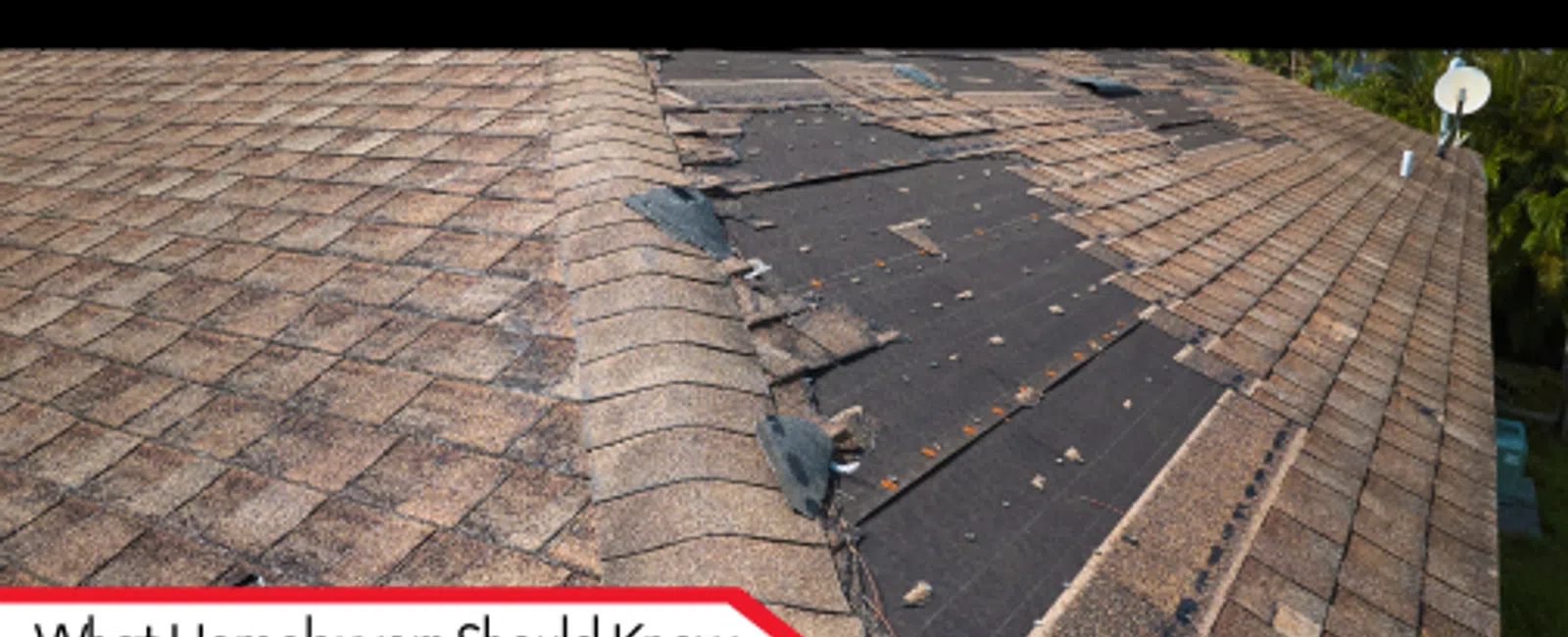
Damaged or Missing Shingles
One of the most common Home Inspection Red Flags involves damaged roofing materials.
Inspectors frequently observe:
- Missing shingles
- Cracked shingles
- Curling shingles
- Granule loss
- Wind damage
These conditions may increase the risk of moisture intrusion and future repairs.
Flashing Failures
Flashing protects vulnerable areas where water can enter the structure.
Common flashing locations include:
- Chimneys
- Roof penetrations
- Valleys
- Skylights
- Wall intersections
When flashing fails, water often enters concealed areas of the structure.
Many Roof Leak Detection investigations ultimately trace moisture problems back to flashing deficiencies.
Improper Repairs
Not all roof repairs are performed properly.
Inspectors frequently identify:
- Inconsistent materials
- Temporary patchwork
- Exposed fasteners
- Poor workmanship
Improper repairs may temporarily conceal issues while allowing larger problems to continue developing beneath the surface.
Storm Damage and Southeastern Roofing Challenges
Homes throughout the Southeast experience weather conditions that can significantly affect roofing performance.
Residential Inspections in the Southeast frequently identify damage related to:
- Windstorms
- Hail
- Heavy rainfall
- Tropical systems
- Falling debris
Storm Damage Inspection Importance
A professional Storm Damage Inspection helps identify:
- Impact damage
- Wind-related damage
- Lifted shingles
- Damaged flashing
- Water entry points
Storm-related concerns may not always be obvious from the ground.
Even relatively minor damage can reduce the lifespan of the roofing system and increase future maintenance costs.
Regional Roofing Considerations
Home Inspections in Atlanta commonly reveal roofing concerns associated with severe storms and seasonal weather patterns.
Home Inspections in Charlotte often involve evaluating roofs exposed to wind-driven rain and aging materials.
Home Inspections in Nashville frequently uncover storm-related wear, drainage concerns, and moisture-related roofing deficiencies.
Home Inspections in Raleigh often identify roofing issues related to humidity, weather exposure, and long-term material deterioration.
Because climate conditions vary throughout the Southeast, roofing systems require careful evaluation regardless of the property's age.
Hidden Roof Leaks and Water Damage
One of the greatest risks associated with roofing deficiencies is hidden water intrusion.
Water does not always enter the home directly beneath the visible damage.
Instead, moisture may travel:
- Along framing members
- Through insulation
- Behind drywall
- Into attic spaces
This can make Roof Leak Detection more challenging without proper inspection techniques.
Why Hidden Leaks Are Expensive
Hidden leaks may contribute to:
- Mold growth
- Wood rot
- Insulation damage
- Structural deterioration
- Ceiling damage
In many cases, homeowners discover water damage long after the original roofing issue began.
A Roof Damage Inspection helps identify visible signs of leakage before extensive damage develops.
Attic Inspections and Roofing Performance
A roof cannot be evaluated effectively without examining the attic.
Attic Inspection procedures provide important insight into how the roofing system is performing.
What Inspectors Look For
Attic inspections often evaluate:
- Water staining
- Mold growth
- Ventilation performance
- Insulation conditions
- Structural framing
- Moisture indicators
Attics frequently reveal evidence of problems that may not be visible on exterior roof surfaces.
Attic Moisture Issues
Attic Moisture Issues often result from:
- Roof leaks
- Condensation
- Poor ventilation
- Air leakage
Over time, excess moisture can contribute to mold growth, insulation damage, and wood deterioration.
Identifying these conditions early helps reduce long-term repair costs.
The Role of Drone Roof Inspection Technology
Roof inspections have evolved significantly in recent years.
Drone Roof Inspection technology allows inspectors to obtain detailed views of roofing systems while improving safety and documentation.
Benefits of Drone Inspections
Drone Inspections provide:
- Enhanced visibility
- High-resolution imagery
- Improved documentation
- Access to difficult roof areas
- Safer inspection practices
Steep roofs, multi-story homes, and complex rooflines often benefit from aerial evaluations.
Drone technology helps inspectors identify conditions that may not be visible from ground level.
What Drone Roof Inspections Can Reveal
Drone Roof Inspection procedures may help identify:
- Storm damage
- Missing shingles
- Flashing concerns
- Drainage issues
- General wear and deterioration
At LunsPro Inspection Group, Drone Inspections serve as a valuable enhancement to traditional inspection methods.
How Infrared Inspection Helps Identify Hidden Problems
While Drone Inspections provide exterior visibility, Infrared Inspection technology helps identify hidden conditions.
Infrared Inspection detects temperature variations that may indicate:
- Moisture intrusion
- Insulation deficiencies
- Active leaks
- Hidden water accumulation
Infrared and Roof Leak Detection
Water often affects building materials before visible staining occurs.
Infrared Inspection technology may help identify:
- Moisture trapped within building assemblies
- Areas of active water intrusion
- Potential leak pathways
When combined with visual observations and moisture verification tools, infrared technology helps create a more comprehensive understanding of roof performance.
Insurance-Related Roof Concerns
Roof condition can significantly affect insurance eligibility and coverage.
Many insurers evaluate:
- Roof age
- Material condition
- Storm damage
- Maintenance history
Why Buyers Should Pay Attention
Insurance-related roof concerns may include:
- Higher premiums
- Coverage limitations
- Repair requirements
- Replacement demands
A thorough Roof Inspection provides valuable information that buyers can use when discussing coverage options with insurance providers.
Understanding roof condition before closing helps reduce surprises after ownership transfers.
Roof Life Expectancy and Replacement Planning
Every roofing material has an expected service life.
However, environmental conditions, installation quality, maintenance practices, and storm exposure can significantly affect longevity.
Factors Affecting Roof Lifespan
Common influences include:
- Climate
- Material quality
- Ventilation
- Maintenance
- Storm exposure
Understanding the approximate condition and age of the roof helps buyers prepare for future replacement costs.
Why Replacement Planning Matters
Roof replacement represents one of the largest maintenance expenses homeowners face.
A Property Inspection Before Closing helps buyers estimate:
- Remaining service life
- Near-term repair needs
- Long-term replacement planning
This information contributes to more informed financial decision-making.
Home Inspection Red Flags Related to Roofing
Certain roofing conditions warrant particular attention during a Homebuyer Inspection.
Common Home Inspection Red Flags include:
- Active leaks
- Extensive granule loss
- Missing roofing materials
- Structural sagging
- Flashing failures
- Moisture intrusion
- Attic mold growth
- Poor drainage
While not every concern requires immediate replacement, these conditions often indicate a need for further evaluation or repair.
Understanding these risks before closing provides buyers with important negotiating leverage.
How Roof Inspections Protect Homebuyers
The value of a Roof Inspection extends far beyond identifying visible damage.
Consumer education provided in Home Inspection: How It Can Save Buyers Thousands reinforces the financial benefits of identifying significant defects before closing. Roofing concerns are among the most expensive issues homeowners encounter, making early detection particularly valuable.
Industry guidance discussed in 10 Most Common Home Inspection Problems Buyers Should Know highlights roofing deficiencies as one of the most common and costly inspection findings. This underscores the importance of thorough evaluations before purchasing a home.
Resources published through Home Inspections explain how inspections help buyers better understand property conditions and make more informed decisions. Roofing systems play a critical role in that evaluation process.
Professional inspections help buyers:
- Understand roof condition
- Identify maintenance needs
- Plan future expenses
- Reduce unexpected repair costs
- Negotiate effectively
A roof is far more than a collection of shingles and flashing components. It is a critical system that protects nearly every other aspect of the home. When roofing deficiencies exist, the resulting damage can extend well beyond the roof itself, affecting structural components, insulation, interior finishes, and indoor air quality. This is why a comprehensive Roof Inspection should be considered one of the most important parts of any Home Inspection Before Closing.
Through Roof Damage Inspection procedures, Attic Inspection evaluations, Storm Damage Assessment reviews, Drone Roof Inspection technology, Infrared Inspection tools, and detailed reporting, buyers gain valuable insight into the true condition of a property's roofing system. Identifying concerns before closing allows buyers to negotiate repairs, request credits, plan future maintenance, and make informed purchasing decisions.
At LunsPro Inspection Group, our Residential Inspections in the Southeast are designed to help buyers understand the condition of the homes they are considering. Whether performing Home Inspections in Atlanta, Home Inspections in Charlotte, Home Inspections in Nashville, or Home Inspections in Raleigh, our goal is to provide clear, objective information that helps protect one of life's most significant investments.