
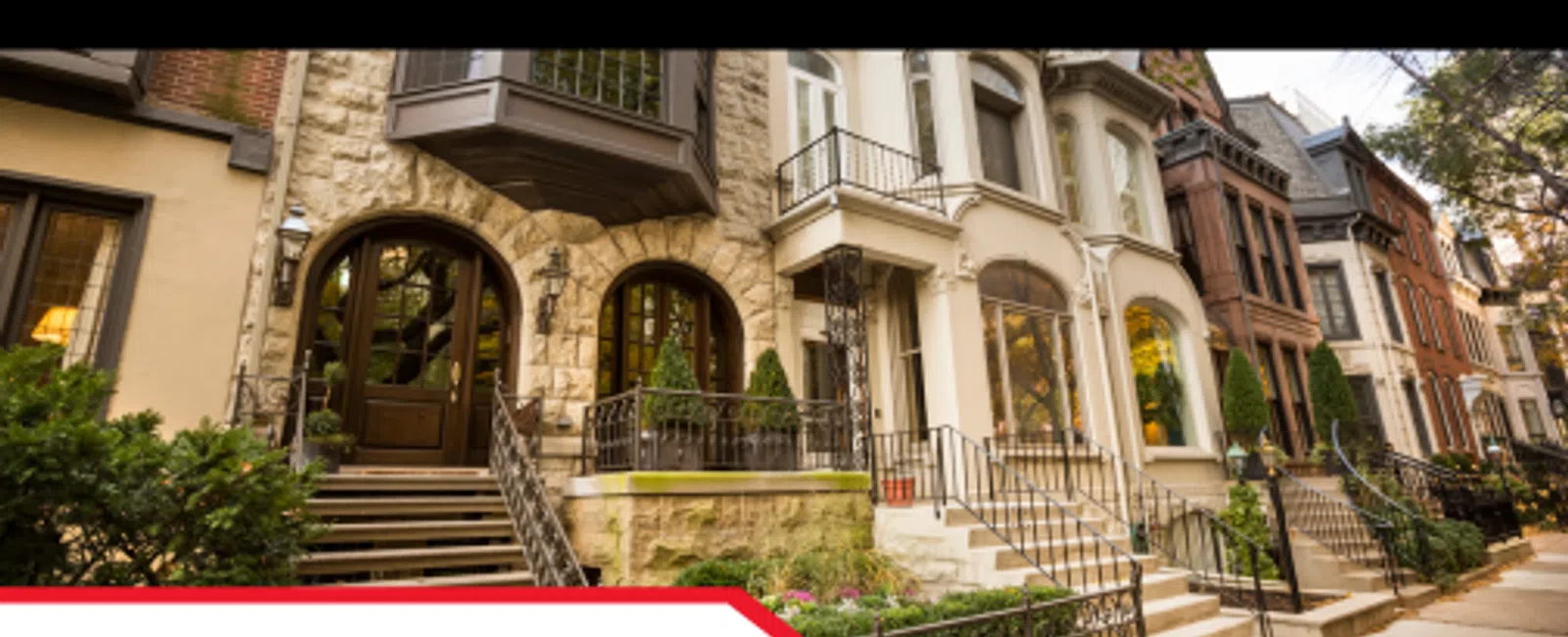
Historic homes offer a unique blend of character, craftsmanship, and architectural charm that many modern homes simply cannot replicate. Throughout Georgia, communities such as Atlanta, Athens, and Savannah feature neighborhoods filled with historic residences that showcase decades—and sometimes centuries—of architectural history. From Victorian-era homes and Craftsman bungalows to Colonial Revival and early twentieth-century residences, these properties often attract buyers who appreciate distinctive design, mature neighborhoods, and a connection to the past.
While historic homes can be incredibly rewarding to own, they also present unique challenges that require careful evaluation before purchase or renovation. Older homes frequently contain aging systems, outdated construction methods, hidden repairs, deferred maintenance, and components that have experienced decades of wear and environmental exposure. A thorough historic home inspection evaluation helps homeowners, buyers, and investors better understand the property's condition while identifying potential concerns that may require attention.
At LunsPro Inspection Group, we provide Residential Inspections in Georgia designed to help clients make informed decisions about older and historic homes. Through comprehensive inspections, Drone Inspections, Infrared Inspection technology, Roof Inspection evaluations, and detailed reporting, homeowners gain valuable insight into the condition of these unique properties and the maintenance requirements necessary to preserve them for future generations.
Why Historic Homes Require Specialized Attention
Historic homes differ significantly from newer construction. Building materials, construction techniques, and design standards have evolved dramatically over the years, meaning many older homes contain systems and components that are no longer used in modern construction.
For example, a home built in the early 1900s may contain:
- Original wood framing
- Plaster walls
- Brick foundations
- Older electrical systems
- Historic roofing materials
- Original windows and doors
- Outdated plumbing components
While these features contribute to the home's charm and authenticity, they may also require careful evaluation to determine their current condition and performance.
A historic Georgia home inspection assessment focuses on identifying visible deficiencies, maintenance concerns, safety issues, and conditions that may affect future ownership costs. Understanding these factors before purchasing a historic home can help buyers avoid unexpected expenses and make more informed decisions.
The Growing Demand for Historic Homes in Georgia
Historic properties remain highly desirable throughout many Georgia communities.
Home Inspections in Atlanta frequently involve older homes located in established neighborhoods where buyers value architectural character and proximity to urban amenities. Many of these homes have undergone renovations over the years, making it important to evaluate both original construction and subsequent modifications.
Home Inspections in Athens often involve historic properties near downtown districts and older residential neighborhoods where homes may date back several decades or more. These properties often contain unique architectural features that require specialized attention during a Residential Inspection.
Home Inspections in Savannah present additional considerations due to the city's rich architectural history and coastal environment. Savannah's historic districts contain some of the Southeast's most iconic residential properties, but moisture exposure, humidity, and age-related deterioration can create inspection challenges that require careful evaluation.
Across all of these markets, buyers increasingly recognize the importance of professional inspections before purchasing historic homes.
Structural Components and Foundation Concerns
One of the most important aspects of any Residential Inspection involving a historic home is evaluating visible structural conditions.
Older homes may experience:
- Settlement
- Foundation movement
- Wood deterioration
- Structural modifications
- Framing repairs
- Moisture-related damage
Many historic homes have experienced multiple renovations and additions over the years. While some modifications may have been professionally completed, others may not meet modern construction standards.
Inspectors look for visible signs of:
- Cracking
- Settlement
- Floor movement
- Structural alterations
- Water intrusion
- Wood rot
Although inspectors do not perform engineering evaluations, identifying visible concerns allows homeowners to pursue additional assessments when necessary.
Understanding structural conditions is especially important because repairs involving foundations and framing can be among the most expensive issues affecting historic properties.
Roofing Systems in Historic Homes
Roofing systems play a critical role in protecting historic structures.
A thorough Roof Inspection helps identify concerns that could allow water intrusion and accelerate deterioration.
Historic homes may feature:
- Asphalt shingles
- Slate roofing
- Wood shake roofing
- Metal roofing
- Clay tile roofing
Each material presents unique maintenance and longevity considerations.
A Roof Inspection often evaluates:
- Visible roof covering condition
- Flashing integrity
- Drainage systems
- Chimney connections
- Roof penetrations
- Signs of active leakage
- Storm-related damage
Because many historic homes contain original wood framing and architectural features that can be difficult to replace, maintaining a watertight roofing system is essential.
At LunsPro Inspection Group, Roof Inspection services help homeowners understand the condition of one of the most important components of the home.
How Drone Inspections Improve Historic Home Evaluations
Drone Inspections have become an increasingly valuable tool when evaluating historic properties.
Many historic homes feature:
- Steep roof slopes
- Complex roof designs
- Multiple chimneys
- Difficult-to-access areas
- Delicate architectural features
Drone technology allows inspectors to capture detailed aerial imagery without placing unnecessary stress on older roofing systems.
Drone Inspections provide:
- Enhanced roof visibility
- Detailed documentation
- Improved safety
- Better reporting support
For historic homes with intricate rooflines, Drone Inspections can reveal conditions that may not be easily observed from the ground.
This technology helps homeowners better understand roof conditions while supporting more comprehensive inspection reports.
Moisture Intrusion and Historic Homes
Moisture is one of the greatest threats to historic structures.
Many older homes were constructed before modern moisture-management practices became standard. As a result, historic homes may be more vulnerable to:
- Water intrusion
- Condensation
- Crawlspace moisture
- Exterior drainage issues
- Wood deterioration
Over time, moisture can affect:
- Structural framing
- Flooring systems
- Interior finishes
- Foundations
- Insulation
Identifying moisture-related concerns early is essential for protecting historic building materials and minimizing repair costs.
The Benefits of Infrared Inspection Technology
Infrared Inspection technology has become an important enhancement to modern Residential Inspection services.
Historic homes often contain hidden conditions that may not be visible during a standard visual evaluation.
Infrared Inspection technology helps identify temperature variations that may indicate:
- Moisture intrusion
- Missing insulation
- Air leakage
- Electrical concerns
- HVAC performance issues
For example, a hidden roof leak may not produce visible staining but could create temperature differences detectable through infrared imaging.
While Infrared Inspection technology does not replace traditional inspection methods, it provides additional information that can help uncover hidden concerns.
For buyers considering a historic home, this added layer of evaluation can provide valuable peace of mind.
Electrical Systems in Historic Homes
Electrical systems are among the most common areas of concern in older properties.
Historic homes may contain:
- Outdated wiring
- Older service panels
- Previous modifications
- Improper repairs
- Insufficient capacity
Over the years, many homes have been updated to accommodate modern electrical demands. However, not all upgrades are performed consistently, and some older components may remain in service.
Inspectors evaluate visible portions of electrical systems and identify conditions that may warrant further review by licensed electricians.
Understanding the condition of the electrical infrastructure is important because upgrades can significantly impact ownership costs.
Plumbing Considerations for Older Homes
Plumbing systems in historic homes often contain a combination of original and updated components.
Depending on the age of the property, inspectors may encounter:
- Galvanized piping
- Cast iron drain lines
- Copper piping
- PVC repairs
- Older fixtures
Common concerns include:
- Corrosion
- Leaks
- Inadequate repairs
- Drainage issues
A Residential Inspection helps identify visible plumbing concerns while providing homeowners with information about potential future maintenance needs.
HVAC Performance and Energy Efficiency
Historic homes were often built before modern heating and cooling systems became common.
While many have been upgraded, HVAC installations in older homes can present unique challenges.
Inspectors may evaluate:
- Equipment age
- System operation
- Airflow
- Visible ductwork conditions
- Ventilation concerns
Historic homes may also contain insulation deficiencies that affect comfort and energy efficiency.
Infrared Inspection technology can help identify areas where heat loss or air leakage may be occurring.
Understanding HVAC performance helps homeowners plan for future maintenance and potential improvements.
Preservation and Maintenance Planning
Owning a historic home requires an ongoing commitment to maintenance.
Unlike newer homes, historic properties often require specialized materials, preservation-sensitive repairs, and proactive maintenance strategies.
A comprehensive Residential Inspection helps homeowners:
- Prioritize repairs
- Identify deferred maintenance
- Understand system conditions
- Budget for future improvements
- Preserve historic features
By addressing concerns early, homeowners can often prevent small issues from becoming major restoration projects.
Routine inspections are an important part of protecting both the property's value and its historical significance.
Why Professional Residential Inspections Matter
Historic homes offer tremendous character and long-term value, but they also require careful evaluation.
Professional Residential Inspections in Georgia provide buyers and homeowners with valuable information regarding:
- Structural conditions
- Roofing performance
- Moisture concerns
- Electrical systems
- Plumbing infrastructure
- HVAC equipment
- Deferred maintenance
Detailed inspection reports support informed decision-making and help homeowners understand both immediate and future maintenance obligations.
At LunsPro Inspection Group, our goal is to provide clear, objective information that helps clients confidently navigate the unique challenges of historic home ownership.
Historic homes remain some of the most desirable properties throughout Georgia. Their craftsmanship, architectural character, and connection to local history make them highly attractive to homeowners seeking something unique. However, these homes also require careful evaluation due to aging systems, changing construction standards, deferred maintenance concerns, and environmental exposure accumulated over decades of use.
A thorough Georgia historic home inspection evaluation helps buyers and homeowners better understand the property's condition while identifying concerns that may affect future maintenance costs and preservation efforts. Through Residential Inspections in Georgia, Home Inspections in Atlanta, Home Inspections in Athens, and Home Inspections in Savannah, property owners gain valuable insight into the systems and components that make historic homes both rewarding and challenging to own.
At LunsPro Inspection Group, we provide comprehensive Residential Inspection services enhanced by Drone Inspections, Infrared Inspection technology, Roof Inspection evaluations, and detailed reporting. Whether purchasing a historic property, maintaining an existing home, or planning future renovations, professional inspections help protect your investment and preserve the character of Georgia's historic homes for generations to come.