Buying or owning a home comes with significant financial responsibilities, and few things create more stress than discovering a major defect after closing. While cosmetic concerns are often easy to spot, some of the most expensive residential problems remain hidden until a professional inspection reveals them. Across Atlanta, Charlotte, and Nashville, experienced inspectors routinely identify issues that can cost homeowners thousands—or even tens of thousands—of dollars to repair.
The Southeast presents unique challenges for residential properties. High humidity, seasonal storms, aging housing stock, expansive soils, crawl space moisture, termite activity, and deferred maintenance all contribute to common home inspection problems throughout the region. Whether evaluating a historic property in Nashville, a suburban home in Charlotte, or a newer development in Atlanta, professional inspections help buyers and homeowners understand risks before they become costly surprises.
At LunsPro Inspection Group, our Experienced Home Inspectors perform Home Inspections throughout the Southeast to identify Home Inspection Red Flags, Hidden Home Defects, and Major Home Repairs that may affect property value, safety, and long-term ownership costs. Through Roof Inspections, Foundation Inspection evaluations, Termite Inspections, Infrared Inspections, Thermal Imaging, Moisture Intrusion Detection, Structural Observations, Detailed Reporting, and Same-Day Communication, homeowners gain valuable insight into the true condition of their property.
Why Expensive Inspection Findings Matter
Many buyers focus heavily on location, square footage, and aesthetics during the home-buying process. While these factors are important, understanding the condition of a property's major systems is equally critical.
Consumer education provided in Home Inspection: How It Can Save Buyers Thousands reinforces the financial value of identifying major defects before closing, when buyers still have opportunities to negotiate repairs or credits. The article highlights a reality that inspectors see every day: small inspection costs can potentially prevent massive repair expenses later.
Professional Home Inspections help buyers:
- Identify costly defects
- Understand repair priorities
- Plan future maintenance
- Reduce financial surprises
- Protect long-term property value
The most expensive problems are often the ones that remain hidden until a qualified inspector uncovers them.
Foundation Problems and Structural Movement
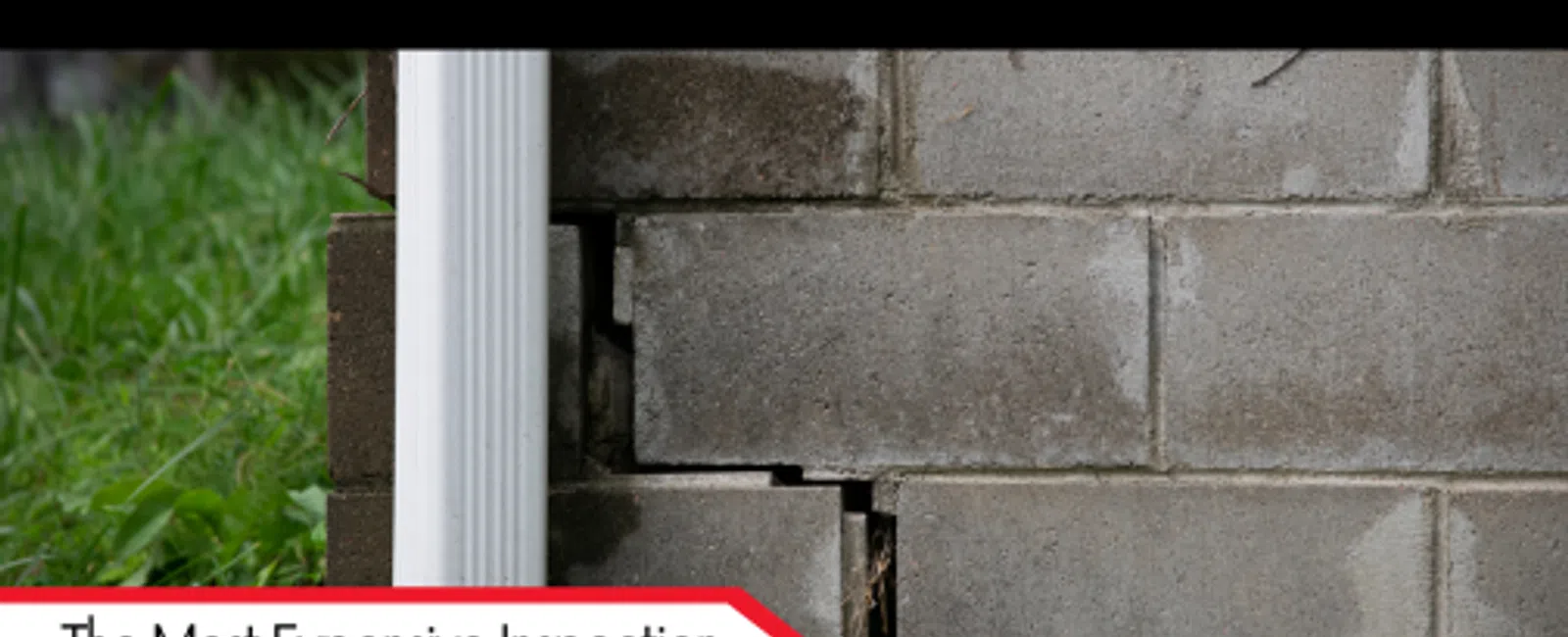
Foundation issues consistently rank among the most expensive inspection findings.
A thorough Foundation Inspection may identify:
- Settlement
- Structural movement
- Cracking
- Uneven floors
- Wall displacement
- Moisture-related deterioration
Why Foundation Problems Are Expensive
Foundation repairs can range from several thousand dollars to well over $50,000 depending on the severity and repair method required.
Structural deficiencies often affect:
- Walls
- Floors
- Roofing systems
- Windows and doors
- Plumbing systems
In severe cases, foundation movement may compromise the overall structural integrity of the home.
Common Warning Signs
Inspectors often look for:
- Stair-step cracking
- Interior drywall cracks
- Sloping floors
- Doors that stick
- Window operation problems
- Foundation displacement
Foundation settlement is particularly common in portions of Georgia, North Carolina, and Tennessee where soil movement and drainage issues can contribute to long-term structural concerns.
Roofing Problems and Roof Replacement Costs
Roofing systems represent one of the largest maintenance expenses homeowners face.
Industry guidance discussed in 10 Most Common Home Inspection Problems Buyers Should Know highlights how issues such as roofing deficiencies, plumbing leaks, and foundation concerns continue to be among the most common findings during residential inspections. Roofing systems are particularly important because failures often lead to secondary damage throughout the home.
Why Roofing Problems Are Expensive
Roof replacement costs can easily range from $10,000 to $40,000 or more depending on:
- Roof size
- Material type
- Complexity
- Accessibility
When roofing failures allow water intrusion, repair costs can increase significantly due to damage affecting insulation, framing, drywall, and interior finishes.
What Inspectors Look For
Roof Inspections often evaluate:
- Shingle condition
- Flashing integrity
- Roof penetrations
- Storm damage
- Drainage performance
- Signs of active leakage
At LunsPro Inspection Group, Drone Roof Inspections help provide detailed roof evaluations while improving visibility and documentation.
Active Water Intrusion and Moisture Damage
Water intrusion remains one of the most destructive and costly issues affecting homes throughout the Southeast.
High humidity and frequent rainfall create ideal conditions for moisture-related concerns.
Why Water Damage Is Expensive
Water intrusion can damage:
- Structural framing
- Insulation
- Flooring
- Drywall
- Electrical systems
- Personal belongings
Moisture problems often continue for months or years before becoming visible.
How Inspectors Identify Moisture Concerns
A Water Damage Inspection may include:
- Visual observations
- Moisture Intrusion Detection
- Thermal Imaging
- Infrared Inspections
Infrared technology helps inspectors identify hidden moisture behind walls, ceilings, and flooring systems that may not be visible during a standard walkthrough.
Homes throughout Atlanta, Charlotte, and Nashville frequently experience moisture-related concerns due to regional climate conditions and aging building materials.
Hidden Plumbing Leaks
Plumbing leaks often remain concealed until substantial damage has already occurred.
Why Plumbing Defects Are Costly
Even small leaks can lead to:
- Mold growth
- Wood rot
- Structural deterioration
- Flooring damage
- Cabinet damage
Repair costs often include both plumbing repairs and restoration of damaged building materials.
Common Inspection Findings
Inspectors routinely identify:
- Active leaks
- Corroded piping
- Improper repairs
- Water stains
- Moisture accumulation
Hidden plumbing defects are among the most common Home Inspection Red Flags because they often create damage that extends far beyond the plumbing system itself.
Electrical Hazards and Safety Concerns
Electrical defects are among the most serious inspection findings due to their potential safety implications.
Why Electrical Problems Are Expensive
Electrical repairs may require:
- Panel replacements
- Circuit upgrades
- Rewiring
- Safety corrections
Older homes often contain outdated systems that no longer meet modern demands.
Warning Signs Inspectors Identify
Common concerns include:
- Double-tapped breakers
- Improper wiring
- Overheated components
- Missing safety protections
- Electrical hazards
Thermal Imaging can sometimes help identify electrical hot spots that may indicate overheating components or increased fire risks.
HVAC System Failures
Heating and cooling systems are essential throughout the Southeast.
Why HVAC Issues Matter
HVAC replacements often range from $8,000 to $20,000 or more depending on:
- System size
- Equipment type
- Ductwork needs
- Installation requirements
What Inspectors Evaluate
Home Inspections often include observations of:
- Equipment age
- Performance
- Airflow
- Visible defects
- Maintenance conditions
HVAC defects are especially common in regions with long cooling seasons such as Georgia, North Carolina, and Tennessee.
Termite Damage and Wood-Destroying Insects
Termites remain one of the most significant threats to residential properties throughout the Southeast.
Why Termite Damage Is Expensive
Wood-destroying insects can compromise:
- Structural framing
- Floor systems
- Roof structures
- Exterior components
Repair costs vary widely depending on the extent of the damage.
How Termite Inspections Help
Termite Inspections often identify:
- Active infestations
- Previous damage
- Conditions conducive to infestation
- Wood-to-soil contact
- Moisture concerns
Termite activity is particularly common throughout Georgia Home Inspections, North Carolina Home Inspections, and Tennessee Home Inspections due to the region's climate.
Crawl Space Moisture Issues
Crawl spaces are a frequent source of expensive problems throughout the Southeast.
Why Crawl Space Problems Matter
Excess moisture can contribute to:
- Mold growth
- Wood rot
- Structural deterioration
- Pest activity
- Indoor air quality concerns
Common Inspection Findings
Inspectors often identify:
- Standing water
- Elevated humidity
- Damaged vapor barriers
- Fungal growth
- Structural concerns
Crawl space moisture is particularly common in older homes throughout Atlanta, Charlotte, and Nashville.
Mold and Indoor Environmental Concerns
While mold itself may not always create structural damage, the conditions that support mold growth often indicate larger moisture-related concerns.
Why Mold Problems Become Expensive
Costs may include:
- Moisture source correction
- Mold remediation
- Material replacement
- Air quality improvements
How Inspections Help
Inspectors focus on identifying:
- Visible fungal growth
- Moisture intrusion
- Ventilation concerns
- Conditions conducive to mold development
Addressing moisture sources early is often the most effective way to prevent costly remediation projects.
Sewer Line Defects
Sewer line failures can create major repair expenses and significant disruptions.
Why Sewer Problems Are Costly
Repairs may involve:
- Excavation
- Pipe replacement
- Landscape restoration
- Foundation impacts
Common Warning Signs
Inspectors may note:
- Slow drains
- Backup evidence
- Settlement concerns
- Plumbing performance issues
Many older homes throughout the Southeast contain aging sewer infrastructure that warrants careful evaluation.
Poor Grading and Drainage
Drainage issues are among the most overlooked causes of expensive home repairs.
Why Drainage Problems Matter
Improper grading can contribute to:
- Foundation settlement
- Crawl space moisture
- Water intrusion
- Structural movement
What Inspectors Look For
Home inspection checklist items often include:
- Site grading
- Downspout discharge
- Drainage patterns
- Erosion concerns
Poor drainage frequently contributes to multiple other inspection findings, making early identification particularly valuable.
The Importance of Routine Home Maintenance Inspections
Many homeowners associate inspections only with real estate transactions.
However, Home Maintenance Inspection services can help identify developing concerns before they become major repair projects.
Routine inspections help homeowners:
- Monitor aging systems
- Prioritize maintenance
- Budget effectively
- Protect property value
Resources published by Home Inspections from the National Association of REALTORS® explain how inspections help buyers better understand a property's condition and make more informed purchasing decisions. The same principles apply to existing homeowners seeking to protect their investment through proactive maintenance.
The most expensive home inspection findings are often the issues homeowners never see coming. Foundation settlement, roofing failures, water intrusion, plumbing leaks, electrical hazards, HVAC defects, termite damage, crawl space moisture, mold concerns, sewer line failures, and drainage problems can all result in substantial repair costs if left unaddressed. Many of these conditions develop gradually, making professional inspections one of the most effective tools for identifying risks before they become financial burdens.
Home Inspections in Atlanta, Home Inspections in Charlotte, Home Inspections in Nashville, and other Southeast Home Inspections help buyers and homeowners gain a deeper understanding of their property's condition. Through Roof Inspections, Foundation Inspection evaluations, Pest Inspections, Moisture Intrusion Detection, Structural Observations, Thermal Imaging, Infrared Inspections, Detailed Reporting, and Same-Day Communication, experienced professionals provide the information necessary to make informed decisions.
At LunsPro Inspection Group, our goal is to help homeowners protect their investment, avoid costly surprises, and maintain long-term property value. Early detection remains one of the most effective strategies for reducing repair expenses and preserving the performance of a home throughout its lifespan.