
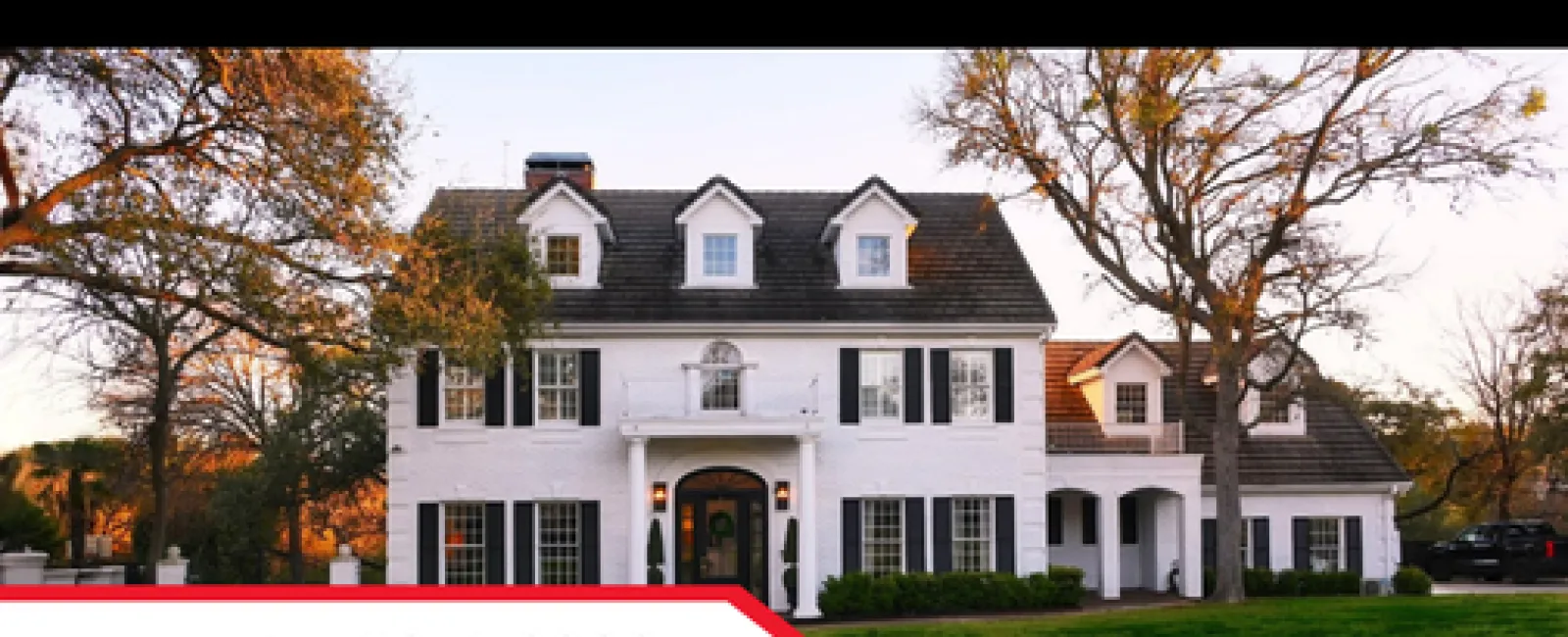
Homes built in the 1990s and early 2000s make up a significant portion of the housing inventory across the Southeastern United States. These properties are often located in established neighborhoods, feature functional layouts, and were constructed during a period of rapid residential growth. While many of these homes remain structurally sound, they are now reaching an age where systems, materials, and components may begin to show signs of wear. This makes professional residential inspections Southeast homeowners rely on increasingly important for both buyers and current property owners.
As homes age, even well-maintained properties can develop issues related to roofing, plumbing, electrical systems, and HVAC performance. Environmental factors such as humidity, heavy rainfall, and temperature fluctuations in the Southeast further contribute to material deterioration over time. Through comprehensive Home Inspections in the Southeast, homeowners gain a clear understanding of their property's current condition and potential future maintenance needs. At LunsPro Inspection Group, our inspection approach is tailored to address the specific challenges associated with aging home inspections, ensuring that homes built in this era are evaluated thoroughly and accurately.
Why Homes from the 1990s and Early 2000s Require Attention
Homes built between the early 1990s and early 2000s are typically between 20 and 35 years old. At this stage, many original components are approaching or have exceeded their expected lifespan.
Common systems that may require evaluation include:
- Roofing materials nearing the end of their service life
- HVAC systems that may have been replaced or are due for replacement
- Plumbing components showing signs of corrosion or wear
- Electrical systems designed for lower energy demands than modern homes
A professional residential inspection service helps identify these concerns early, allowing homeowners to plan for maintenance or upgrades.
Roofing Systems and Weather Exposure
Roofing systems installed during the 1990s or early 2000s are often nearing the end of their functional lifespan, particularly in Southeastern climates where weather conditions accelerate wear.
During Home Inspections in Atlanta, Home Inspections in Charlotte, and Home Inspections in Greenville, inspectors frequently evaluate roofing materials for:
- Shingle deterioration or granule loss
- Flashing failures around chimneys and vents
- Signs of past repairs or leaks
- Improper drainage or gutter performance
In areas such as those covered by Home Inspections in Charleston, coastal weather and humidity may contribute to faster material degradation. Roof inspections are a critical part of aging home inspections because roof replacement can be a significant expense.
HVAC System Performance and Lifespan
Heating and cooling systems installed in homes from this era are often nearing the end of their expected service life. In the Southeast, HVAC systems typically experience heavy usage due to long cooling seasons.
Inspectors conducting Home Inspections in the Southeast evaluate:
- System age and manufacturer information
- Cooling and heating performance
- Airflow distribution
- Ductwork condition
- Signs of corrosion or refrigerant issues
Older systems may still be operational but may lack the efficiency of newer equipment. A thorough inspection helps homeowners determine whether maintenance, repair, or replacement is needed.
Plumbing Systems in Aging Homes
Plumbing systems in homes built during the 1990s and early 2000s often include materials such as copper, PVC, or early forms of PEX piping. Over time, these materials can show signs of wear or corrosion.
During residential inspections Southeast, inspectors check for:
- Leaks under sinks and fixtures
- Corrosion on supply lines
- Drainage issues
- Water pressure irregularities
Water heaters installed during the original construction period are typically well beyond their expected lifespan and may require replacement.
Because water damage can lead to structural deterioration and mold growth, plumbing evaluations are a key focus of aging home inspections.
Electrical Systems and Modern Demand
Electrical systems in homes built in the 1990s were designed to support the technology and appliances of that time. Today's homes often require more power due to increased use of electronics, home offices, and modern appliances.
Inspectors performing Home Inspections in Charlotte and other growing markets evaluate:
- Electrical panel capacity
- Circuit breaker condition
- Grounding systems
- Outlet functionality
While many electrical systems from this era remain functional, some may require upgrades to meet current energy demands.
Structural Components and Settlement
Over time, homes naturally settle as the soil beneath them shifts. In the Southeast, clay-rich soils can expand and contract with moisture changes, potentially affecting foundation stability.
During Home Inspections in Greenville and other regions, inspectors evaluate:
- Foundation cracks
- Uneven flooring
- Doors and windows that do not align properly
- Separation between walls and ceilings
While minor settling is normal, more significant movement may indicate structural concerns that require further evaluation.
Exterior Materials and Maintenance
Exterior components such as siding, trim, and decks are exposed to weather conditions year-round. Over time, these materials may deteriorate or require maintenance.
Inspectors conducting Home Inspections in Charleston and other Southeastern locations often evaluate:
- Siding condition and paint or sealant integrity
- Deck stability and structural connections
- Window and door seals
- Signs of moisture intrusion
Proper maintenance of exterior materials is essential for protecting the home from environmental damage.
Attic and Insulation Considerations
Attic spaces play an important role in regulating temperature and moisture levels within a home. Insulation standards from the 1990s may not meet current energy efficiency expectations.
During residential inspections Southeast, inspectors assess:
- Insulation coverage and condition
- Ventilation systems
- Signs of moisture accumulation
- Roof decking condition
Improving insulation and ventilation can enhance energy efficiency and reduce long-term utility costs.
Drainage and Site Conditions
Proper drainage is critical for protecting the foundation and preventing water intrusion. Homes built in the 1990s may have experienced changes in landscaping or grading over time.
Inspectors evaluate:
- Site slope and grading
- Downspout placement
- Evidence of water pooling near the foundation
- Erosion or drainage issues
Drainage concerns are commonly identified during aging home inspections, particularly in regions with frequent rainfall.
Common Issues Found in Aging Homes
While each property is unique, inspectors frequently identify certain recurring issues in homes built during this time period.
These may include:
- Roofs nearing replacement age
- HVAC systems with reduced efficiency
- Minor plumbing leaks or aging fixtures
- Electrical systems requiring updates
- Exterior materials showing wear
Identifying these issues early allows homeowners to address them before they become more serious problems.
Benefits of Residential Inspections for Homeowners
Scheduling a professional inspection provides several advantages for homeowners and buyers.
Early Detection of Problems
A residential inspection service in Southeast helps identify issues before they escalate into costly repairs.
Maintenance Planning
Inspection reports provide valuable guidance for future maintenance, helping homeowners prioritize repairs and upgrades.
Increased Property Value
Well-maintained homes tend to retain value more effectively. Addressing issues early can improve the property's condition and market appeal.
Peace of Mind
Understanding the condition of the home allows homeowners to make informed decisions and feel confident in their investment.
The Importance of Regional Expertise
Homes in the Southeast are influenced by environmental conditions that differ from other regions. Inspectors must understand how humidity, rainfall, and soil conditions affect building performance.
At LunsPro Inspection Group, our experience conducting Home Inspections in the Southeast allows us to identify region-specific concerns that may not be as common in other parts of the country.
Our team regularly performs Home Inspections in Atlanta, Home Inspections in Charlotte, Home Inspections in Greenville, and Home Inspections in Charleston, providing homeowners with detailed evaluations tailored to their local environment.
Homes built in the 1990s and early 2000s continue to provide comfortable living spaces for many homeowners across the Southeast. However, as these properties age, their systems and components require careful evaluation to ensure they remain safe, functional, and efficient. A professional residential inspection service in Southeast offers valuable insight into the condition of these homes, helping homeowners identify potential concerns and plan for future maintenance.
From roofing systems and HVAC equipment to plumbing, electrical infrastructure, and structural components, each part of the home plays a role in its overall performance. Through thorough aging home inspections, homeowners can address issues early, reduce long-term repair costs, and maintain the value of their property.
Whether scheduling Home Inspections in Atlanta, Home Inspections in Charlotte, Home Inspections in Greenville, or Home Inspections in Charleston, working with experienced professionals ensures that homes are evaluated with precision and regional expertise. At LunsPro Inspection Group, our commitment to delivering comprehensive Home Inspections in the Southeast helps homeowners protect their investments and make informed decisions about their properties for years to come.