Purchasing or maintaining a home in the Southeast involves more than curb appeal and square footage. The region's climate, soil composition, and seasonal storm activity create conditions that directly affect structural integrity, roofing systems, moisture control, and mechanical performance. For homeowners and buyers alike, understanding what a residential inspection entails—and what it does not—provides clarity during one of the most significant financial decisions they will make. A properly conducted residential inspection offers an objective evaluation of a property's visible and accessible systems, helping homeowners identify safety concerns, deferred maintenance, and potential repair costs before they escalate.
Across growing Southeastern communities, real estate activity remains strong. However, rapid development and varying construction practices make professional oversight essential. A certified home inspector brings technical training, field experience, and systematic methodology to the evaluation process. Companies such as LunsPro Inspection Group specialize in Home Inspections in the Southeast, tailoring inspection protocols to address regional environmental challenges. Through comprehensive Southeastern Residential and Commercial Inspections, property owners gain insight into building performance and long-term maintenance needs, allowing them to make informed, financially sound decisions.
What Is a Residential Inspection?
A residential inspection is a non-invasive, visual examination of a home's major structural components and mechanical systems. Conducted by a certified home inspector, the purpose is to assess the property's current condition at the time of inspection. It is not a code enforcement review, nor does it guarantee future performance. Instead, it identifies material defects, safety hazards, and areas requiring repair or further evaluation.
In the Southeast, residential inspections are particularly important due to:
-
High humidity levels
-
Frequent heavy rainfall
-
Expansive clay soils
-
Termite activity
-
Hurricane and wind exposure in coastal areas
A professional residential inspection evaluates how these environmental factors may have affected the home's systems.
The Role of a Certified Home Inspector
A certified home inspector undergoes formal training and adheres to established standards of practice. Certification indicates competency in evaluating residential building systems and understanding common construction methods.
Responsibilities of a certified home inspector include:
-
Conducting a systematic, room-by-room evaluation
-
Identifying visible deficiencies
-
Documenting findings with photographs
-
Explaining system functionality
-
Providing a detailed written report
At LunsPro Inspection Group, inspectors performing Home Inspections in the Southeast are trained to recognize region-specific concerns such as crawlspace moisture accumulation, improper grading, and roof wear from prolonged sun exposure.
Major Components Evaluated During a Residential Inspection
A comprehensive residential inspection covers the following primary systems:
1. Structural Components
Structural assessment includes evaluation of:
-
Foundation type and visible condition
-
Crawlspace or basement supports
-
Load-bearing walls
-
Floor framing
-
Signs of settlement or movement
In Southeastern homes, inspectors frequently monitor for stair-step cracks in brick exteriors, uneven floors due to soil movement, and moisture intrusion in crawlspaces.
2. Roofing System
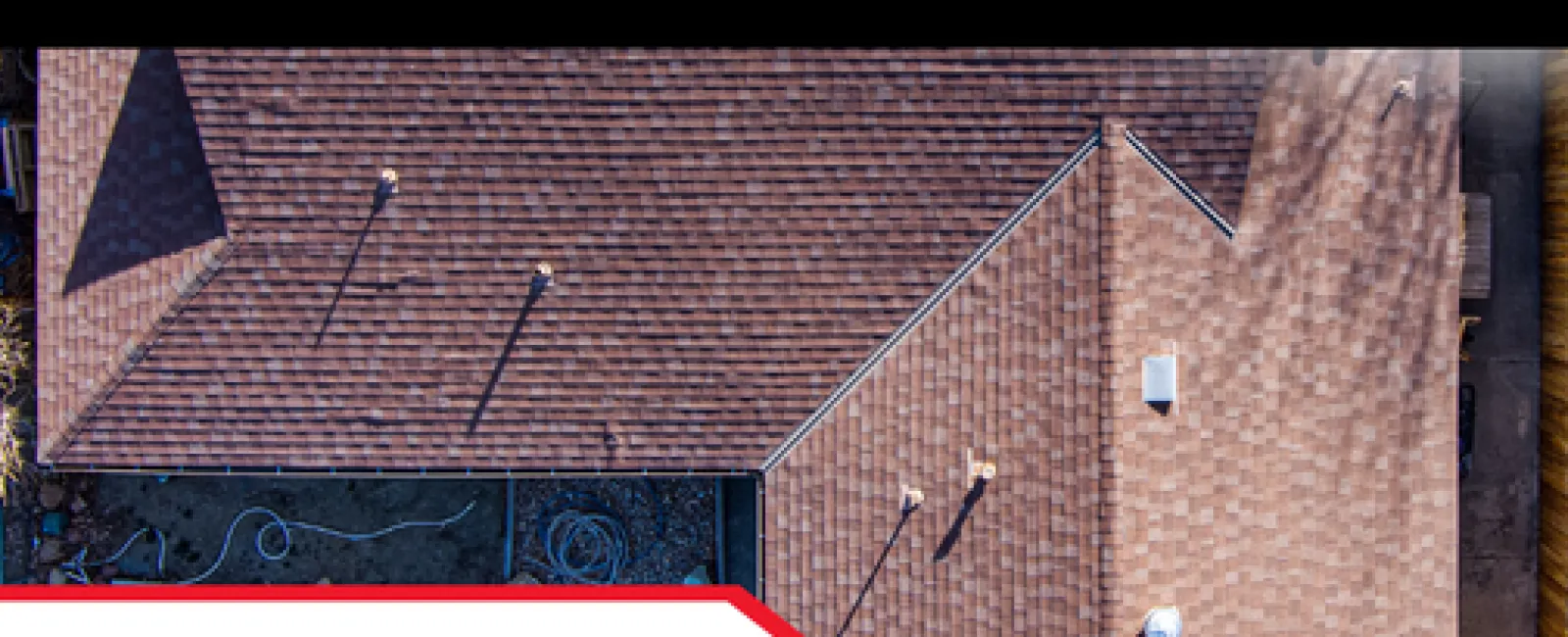
The roof is a critical protective barrier. Inspectors examine:
-
Shingles or roofing materials
-
Flashing around penetrations
-
Gutter and downspout functionality
-
Signs of sagging or decking damage
-
Evidence of leaks in attic spaces
Given the Southeast's exposure to storms and high UV levels, roofing systems may deteriorate faster than in milder climates. Home Inspections in the Southeast place strong emphasis on proper drainage to prevent water infiltration.
3. Exterior Envelope
The exterior envelope includes siding, brickwork, windows, and doors. Inspectors assess:
-
Cracks or gaps in siding
-
Sealant condition
-
Window flashing
-
Door alignment
-
Evidence of moisture penetration
Water intrusion is one of the most common sources of structural damage in Southeastern properties.
4. Plumbing System
Plumbing evaluation includes:
-
Visible supply and drain lines
-
Water heater condition
-
Functional testing of fixtures
-
Signs of leaks or corrosion
High humidity can exacerbate pipe corrosion, making inspection of accessible plumbing components critical.
5. Electrical System
Electrical safety is essential in any home. A residential inspection reviews:
-
Service panel condition
-
Breaker labeling
-
Grounding and bonding
-
Visible wiring
-
GFCI and AFCI protection
Outdated panels or improper modifications may require further evaluation by a licensed electrician.
6. HVAC Systems
Heating and cooling systems are particularly important in the Southeast, where summer temperatures and humidity levels remain elevated for extended periods.
Inspectors assess:
-
Age and condition of units
-
Visible ductwork
-
Airflow performance
-
Signs of improper installation
-
Maintenance history (if available)
A certified home inspector may note inefficiencies that could lead to high energy costs.
7. Interior Components
Interior assessment includes:
-
Walls and ceilings
-
Flooring condition
-
Doors and windows
-
Staircases and railings
-
Attic insulation and ventilation
Cracks or staining patterns may indicate underlying structural or moisture issues.
Regional Considerations for Southeastern Homeowners
Crawlspace Moisture
Many Southeastern homes are built with crawlspace foundations. Without proper vapor barriers or ventilation, moisture accumulation can lead to:
-
Wood rot
-
Mold growth
-
Insulation damage
-
Structural weakening
Southeastern Residential and Commercial Inspections often prioritize moisture readings and ventilation analysis in these areas.
Termite Risk
Warm, humid conditions create ideal environments for subterranean termites. A residential inspection may reveal visible damage or conducive conditions, though a separate termite inspection is typically recommended.
Soil Movement
Expansive clay soils can cause foundation shifting. Inspectors look for evidence of differential settlement and related interior symptoms.
Storm Damage
Roof uplift, flashing damage, and water penetration are common after severe weather events. A certified home inspector evaluates visible storm-related wear during the inspection process.
What a Residential Inspection Does Not Cover
To set accurate expectations, homeowners should understand the limitations of a residential inspection:
-
It does not predict future failures.
-
It does not involve destructive testing.
-
It does not guarantee code compliance.
-
It may not identify concealed defects behind walls or under flooring.
However, within these parameters, a thorough inspection significantly reduces uncertainty in a real estate transaction.
The Inspection Report: What to Expect
Following the evaluation, the certified home inspector provides a detailed written report. This document typically includes:
-
System-by-system summaries
-
Photographic evidence
-
Safety concerns highlighted
-
Recommendations for repair or further evaluation
-
Maintenance suggestions
For buyers, the report becomes a negotiation tool. For current homeowners, it serves as a maintenance roadmap.
LunsPro Inspection Group structures reports for clarity, enabling Southeastern homeowners to prioritize repairs logically and budget effectively.
Benefits of a Residential Inspection
1. Informed Purchasing Decisions
Buyers gain objective insight into property condition before finalizing a transaction.
2. Negotiation Leverage
Inspection findings can support repair requests or price adjustments.
3. Budget Planning
Understanding system age and expected lifespan allows homeowners to prepare financially.
4. Safety Assurance
Identifying electrical hazards, structural instability, or moisture damage protects occupants.
5. Long-Term Property Preservation
Routine Home Inspections in the Southeast can detect early-stage issues before they escalate.
When Should Homeowners Schedule a Residential Inspection?
Although commonly associated with real estate transactions, residential inspections are also valuable:
-
Before listing a home for sale
-
After major storms
-
Prior to renovation projects
-
Every few years for preventive maintenance
-
When unexplained issues arise (cracking, moisture, uneven floors)
Southeastern Residential and Commercial Inspections provide peace of mind for homeowners who want to proactively manage their investment.
Choosing the Right Inspection Provider
Selecting a qualified certified home inspector is essential. Homeowners should consider:
-
Certification credentials
-
Experience in Southeastern construction methods
-
Knowledge of regional environmental risks
-
Clear reporting practices
-
Professional reputation
LunsPro Inspection Group has established itself as a trusted provider of Home Inspections in the Southeast by combining technical expertise with regional awareness. Their systematic inspection methodology ensures consistency, thoroughness, and actionable reporting.
Homeownership in the Southeast comes with both opportunity and responsibility. Climate conditions, soil variability, and rapid development create unique challenges that demand informed oversight. A professional residential inspection provides the clarity necessary to navigate these complexities confidently. By identifying structural concerns, mechanical inefficiencies, and moisture vulnerabilities, a certified home inspector helps homeowners protect both safety and financial investment.
Whether purchasing a new property, preparing to sell, or maintaining a long-term residence, scheduling comprehensive Home Inspections in the Southeast is a prudent step. Through detailed Southeastern Residential and Commercial Inspections, LunsPro Inspection Group delivers reliable, fact-based evaluations tailored to the region's specific environmental demands. For Southeastern homeowners seeking transparency, risk reduction, and long-term property preservation, a thorough residential inspection remains one of the most valuable tools available.