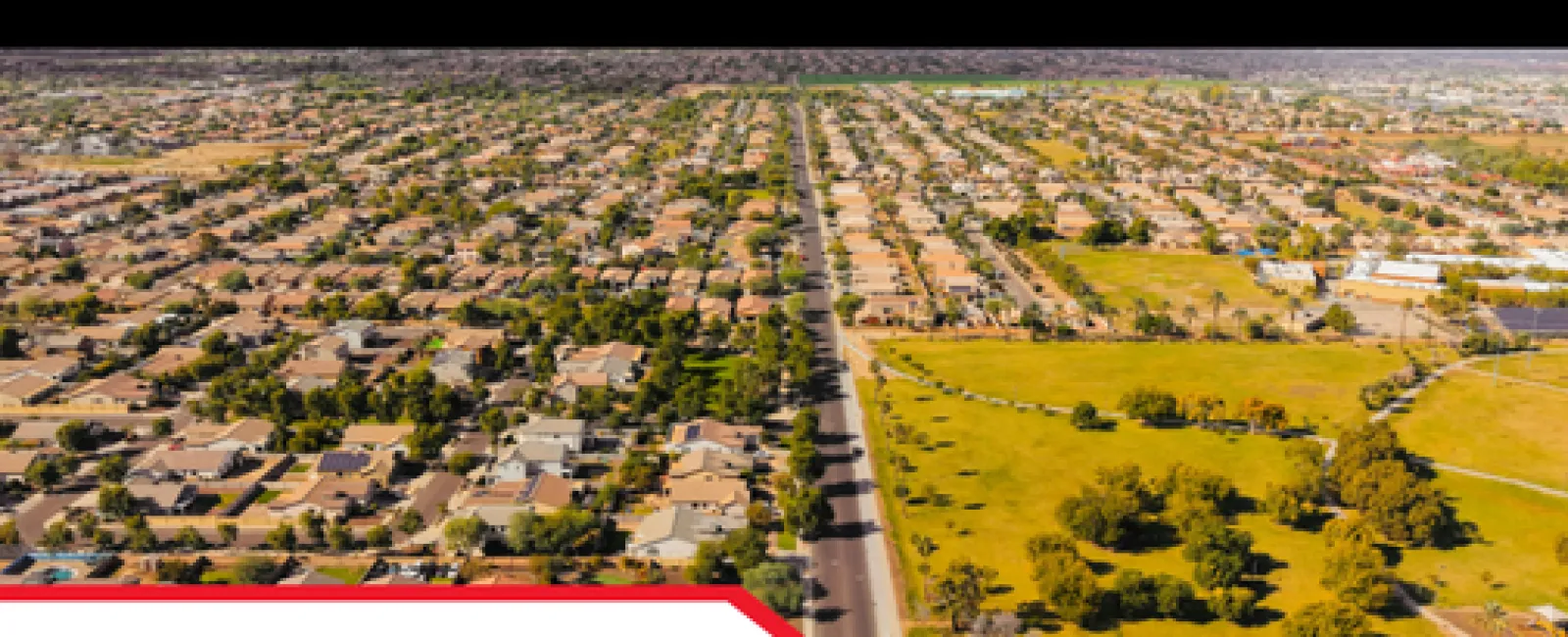
Suburban growth areas across the Southeast are experiencing a surge in residential development. Expanding neighborhoods, new school zones, and increased commercial amenities are attracting families and investors alike. While this growth brings opportunity, it also introduces unique challenges for homeowners and prospective buyers. Rapid construction can result in varied building quality, incomplete maintenance histories, and unexpected structural or mechanical issues. For those purchasing or maintaining homes in these fast-growing regions, professional suburban home inspections provide critical insight into property condition, helping to protect both safety and financial investment.
In rapidly developing Southeastern communities, environmental conditions also play a significant role. High humidity, heavy rainfall, expansive clay soils, and periodic storms can accelerate wear and stress on building materials. Understanding how these factors interact with new and existing homes is essential for sustainable ownership. LunsPro Inspection Group offers comprehensive Home Inspections in the Southeast, specializing in Southeastern Residential and Commercial Inspections tailored to the distinct needs of suburban homeowners. Through careful evaluation of structural, mechanical, and environmental systems, they empower buyers and homeowners to make informed decisions.
What Are Suburban Home Inspections?
Suburban home inspections are thorough evaluations of residential properties located in developing or expanding neighborhoods. These inspections assess the condition of the property's major systems, identify potential risks, and document maintenance needs. Unlike cursory walkthroughs, suburban home inspections are performed systematically by certified professionals who adhere to established standards of practice.
Key objectives of these inspections include:
-
Determining structural integrity of foundations, walls, and roof systems
-
Evaluating mechanical systems such as plumbing, electrical, and HVAC
-
Identifying moisture intrusion and drainage concerns
-
Highlighting safety hazards and deferred maintenance
-
Documenting findings for buyers, sellers, or long-term homeowners
In the Southeast, suburban home inspections also account for region-specific environmental stressors. Homes built in high-growth areas may face construction inconsistencies, inadequate drainage, or incomplete adherence to local building standards. A comprehensive residential inspection mitigates these risks by providing a clear, professional assessment of both new and older properties.
The Scope of Residential Inspection Services
Residential inspection services extend beyond a simple visual evaluation. They involve detailed examination of all accessible components of a home, including structural, mechanical, and exterior systems. In suburban neighborhoods, these services are particularly valuable because rapid development can obscure potential issues.
Structural System Evaluation
Inspectors focus on primary load-bearing elements such as:
-
Foundations, including slabs, crawlspaces, and pier-and-beam systems
-
Load-bearing walls and floor framing
-
Roof structure, including trusses, rafters, and decking
Common issues in Southeastern suburban areas include foundation movement due to expansive clay soils, sagging roof decks, and uneven floors. LunsPro Inspection Group incorporates regional knowledge into its inspections to ensure these vulnerabilities are properly assessed.
Roofing and Exterior Envelope
Suburban homes often feature a range of roofing materials, from asphalt shingles to tile or metal systems. Residential inspection services evaluate:
-
Shingle or tile condition, including curling, cracking, or missing sections
-
Flashing around chimneys, vents, and skylights
-
Gutter and downspout functionality
-
Siding, brickwork, and exterior sealants for gaps or moisture intrusion
Roofing issues are common in the Southeast due to UV exposure, heavy rainfall, and storm activity. Proper evaluation helps homeowners address vulnerabilities before they cause significant damage.
Plumbing, Electrical, and HVAC Systems
Mechanical systems are critical to safe and comfortable living. Residential inspections cover:
-
Water supply and drainage lines
-
Water heaters and fixtures
-
Electrical panels, circuit breakers, and visible wiring
-
Heating and cooling equipment, ductwork, and airflow performance
These systems may be stressed in new suburban developments if builders have rushed installations or if preventive maintenance has been neglected. Early identification of deficiencies can prevent costly repairs and ensure operational reliability.
Interior Evaluation
Inspectors assess interior components such as walls, ceilings, doors, windows, flooring, and staircases. Visible cracks, water stains, or uneven surfaces may indicate underlying structural or moisture-related problems. Attic inspections also provide insight into insulation quality, ventilation, and hidden leaks.
Regional Considerations for Suburban Southeast Homes
Suburban areas in the Southeast face unique environmental and developmental factors that influence home performance. Residential inspection services account for these conditions to provide accurate, actionable insights.
Moisture and Humidity
High humidity levels and frequent rainfall can lead to mold, mildew, and wood decay, particularly in crawlspaces and basements. Proper grading, drainage, and ventilation are essential to prevent these issues.
Soil Movement
Expansive clay soils common in Southeastern suburbs can exert pressure on foundations, leading to settlement or cracking. Inspectors evaluate both visible indicators and environmental factors that may contribute to long-term movement.
Storm and Wind Exposure
Suburban neighborhoods may be subject to strong winds, hurricanes, or tropical storms. Roof uplift, flashing damage, and exterior envelope weaknesses are critical considerations during a residential inspection.
Rapid Construction Risks
Fast-paced development often results in variations in craftsmanship, incomplete inspections, and potential shortcuts in building practices. Residential inspections provide a standardized evaluation to ensure consistent quality, safety, and long-term performance.
Why Suburban Home Inspections Are Essential
Suburban home inspections are more than a precaution—they are an investment in knowledge and protection. Homeowners and buyers benefit in several ways:
Risk Identification
Identifying structural, mechanical, or moisture-related issues early reduces the likelihood of expensive, unexpected repairs.
Safety Assurance
Residential inspections highlight potential hazards, including electrical, fire, or structural risks, ensuring occupants can live safely.
Financial Planning
Reports from certified home inspectors provide homeowners with a roadmap for future maintenance, upgrades, and capital improvement planning.
Negotiation Support
Buyers in fast-growing suburban areas can use inspection findings to negotiate repairs or price adjustments prior to purchase.
Long-Term Property Preservation
Regular residential inspection services help protect a home's value, particularly in rapidly developing communities where infrastructure and environmental stresses can accelerate wear.
Choosing a Professional Inspection Provider
Selecting the right inspection provider ensures thoroughness, accuracy, and actionable insights. Homeowners should prioritize:
-
Certification and professional training
-
Experience with Southeastern construction practices
-
Knowledge of regional environmental impacts
-
Clear, detailed reporting with photographic documentation
-
Reputation and reliability
LunsPro Inspection Group delivers comprehensive Home Inspections in the Southeast, leveraging extensive experience with Southeastern Residential and Commercial Inspections to address region-specific challenges. Their certified home inspectors combine technical expertise with local knowledge to provide a complete and reliable assessment.
How Suburban Home Inspections Support Sustainable Growth
Suburban growth areas often attract new families, developers, and investors. Comprehensive inspections help maintain the quality and safety of these communities by:
-
Encouraging responsible construction practices
-
Identifying maintenance and safety needs before they escalate
-
Supporting informed homeownership decisions
-
Enhancing community-wide property values through consistent oversight
By integrating environmental, structural, and mechanical evaluations, residential inspection services provide homeowners with confidence in both new and established suburban properties.
Residential inspections are an essential component of responsible homeownership in the Southeast's rapidly growing suburban areas. From foundation performance and roof integrity to mechanical systems and moisture control, certified home inspectors provide detailed, objective evaluations that protect both safety and financial investment. For homeowners and buyers in these expanding communities, inspections serve as a critical tool for identifying risk, planning maintenance, and ensuring long-term property value.
In the Southeastern context, environmental factors such as humidity, storms, and soil variability make expert evaluation even more critical. LunsPro Inspection Group specializes in Home Inspections in the Southeast, delivering detailed, professional assessments through Southeastern Residential and Commercial Inspections tailored to the region's unique conditions. By prioritizing thorough suburban home inspections, homeowners and investors can confidently navigate growth areas, mitigate risk, and preserve the integrity and value of their properties for years to come.