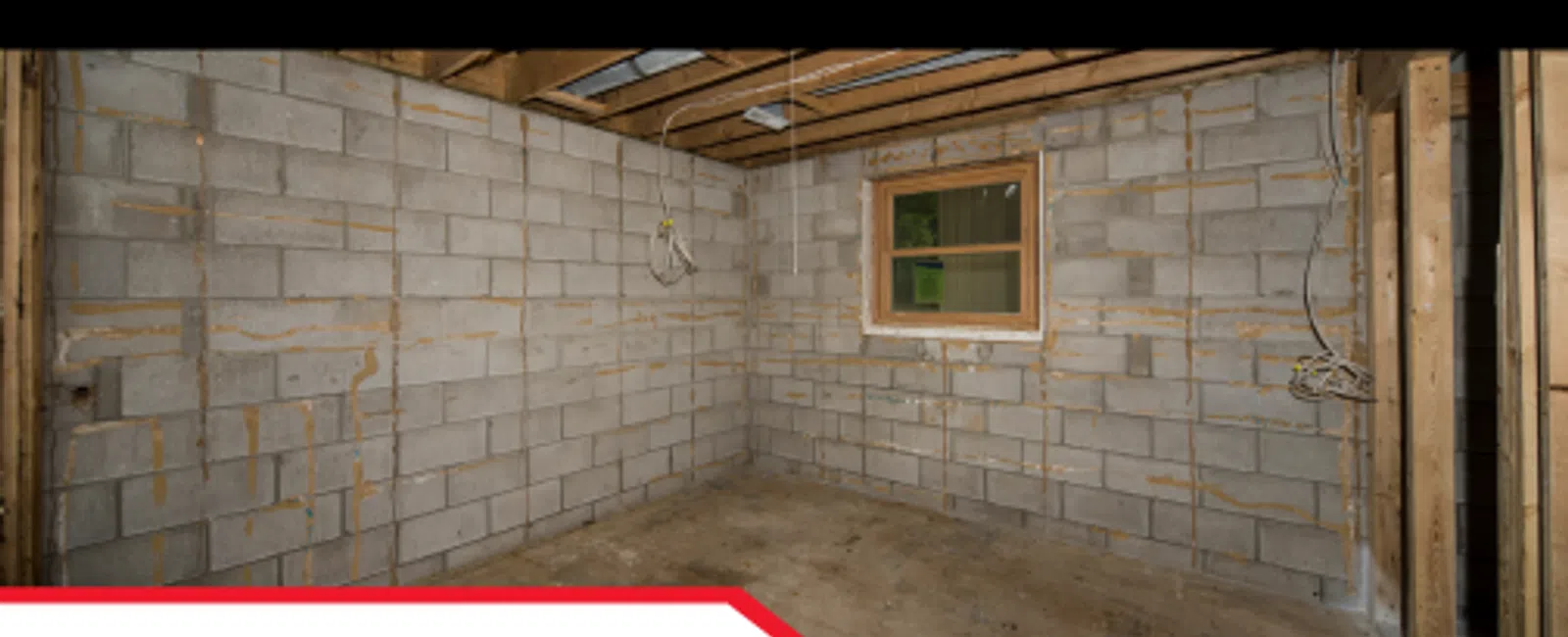
Basements are less common in many areas of the Southeastern United States than in northern regions, but where they exist, they require careful attention during a residential inspection. Homes with full basements, daylight basements, walkout basements, or partially below-grade living spaces often present unique maintenance challenges because they are in constant contact with surrounding soil and groundwater. Unlike above-grade portions of a home, basements are exposed to hydrostatic pressure, fluctuating moisture levels, and drainage conditions that can significantly affect both structural integrity and indoor air quality.
Many homeowners do not realize that some of the most expensive repair issues begin below ground level. Moisture intrusion, foundation movement, hidden water damage, mold growth, and poor drainage often develop gradually, remaining unnoticed until visible damage appears inside the home. By the time stains, musty odors, or structural movement become obvious, repairs may involve substantial costs. A professional basement inspection Southeast evaluation helps identify these conditions before they develop into larger problems.
At LunsPro Inspection Group, our Residential Inspections in the Southeast include detailed Basement Inspection procedures designed to evaluate visible structural conditions, moisture-related concerns, drainage performance, and other critical components. Through Foundation Inspection services, Moisture Intrusion Inspection techniques, Water Damage Inspection procedures, Crawlspace Inspection evaluations where applicable, and comprehensive reporting, we help homeowners and buyers better understand the condition of homes with basements throughout the region.
Guidance discussed in Mold, Moisture, and Your Home explains how excess moisture contributes to mold growth and long-term damage inside residential properties. This guidance is especially relevant for Southeastern basements, where elevated humidity and seasonal rainfall create ideal conditions for moisture-related problems.
Why Basements Require Specialized Attention
Unlike upper floors, basement walls and floors are surrounded by soil that naturally retains moisture.
Throughout the Southeast, weather conditions frequently include:
- Heavy rainfall
- High humidity
- Seasonal storms
- Saturated soils
- Rapid temperature changes
These environmental conditions place continuous pressure on basement walls and foundations.
A professional Basement Inspection evaluates visible conditions that may indicate developing problems involving:
- Water intrusion
- Structural movement
- Foundation settlement
- Drainage deficiencies
- Moisture accumulation
Because many basement issues begin slowly, periodic inspections play an important role in long-term home maintenance.
Basement Moisture Intrusion
One of the most common findings during a basement inspection Southeast evaluation involves moisture intrusion issues.
Moisture may enter a basement through:
- Foundation walls
- Floor slabs
- Window wells
- Utility penetrations
- Construction joints
Even small amounts of water intrusion can contribute to long-term deterioration.
Why Moisture Intrusion Matters
Excess moisture may lead to:
- Mold growth
- Wood rot
- Structural damage
- Damaged flooring
- Interior finish deterioration
- Indoor air quality concerns
Because moisture often remains hidden behind finished walls or beneath flooring, professional inspections help identify warning signs before significant damage occurs.
How Inspectors Evaluate Moisture
A Moisture Intrusion Inspection typically includes evaluation of:
- Foundation walls
- Basement floors
- Visible staining
- Moisture indicators
- Efflorescence
- Drainage conditions
Inspectors also look for evidence of previous water intrusion or repairs that may warrant further attention.
Foundation Cracks and Structural Movement
A Foundation Inspection is one of the most important aspects of evaluating a basement.
Although not every crack indicates structural failure, visible movement deserves careful assessment.
Common Foundation Conditions
Inspectors commonly observe:
- Vertical cracks
- Horizontal cracks
- Stair-step cracking
- Settlement indicators
- Wall displacement
Each condition may have different causes and varying levels of significance.
Why Foundation Movement Matters
Foundation movement can affect:
- Floor levels
- Wall alignment
- Door operation
- Window performance
- Overall structural stability
Identifying visible movement early often helps homeowners better understand maintenance priorities before more significant repairs become necessary.
Understanding Hydrostatic Pressure
Hydrostatic pressure is one of the leading contributors to basement moisture problems.
As water accumulates in surrounding soil, pressure increases against foundation walls.
Over time, this pressure may contribute to:
- Wall cracking
- Water seepage
- Foundation movement
- Basement leaks
Homes located in areas with poor drainage or expansive soils may experience greater hydrostatic pressure during extended periods of rainfall.
Professional inspections evaluate visible conditions associated with these forces and document any indications of moisture-related stress.
Drainage and Grading
Water management outside the home plays a major role in basement performance.
Even well-constructed basements may experience moisture intrusion if exterior drainage is inadequate.
Common Drainage Problems
Inspectors frequently identify:
- Improper grading
- Standing water
- Downspout discharge concerns
- Poor drainage slopes
- Erosion
These conditions may increase moisture intrusion risks over time.
Preparedness recommendations from Protecting Your Home from Flood Damage highlight how drainage, grading, and flood mitigation strategies help reduce basement water intrusion risks. Proper site drainage is often one of the most effective methods of minimizing long-term moisture problems.
Mold Growth and Indoor Air Quality
Basements naturally experience cooler temperatures than upper living spaces.
When excess humidity is present, mold growth becomes more likely.
Why Mold Develops
Mold requires:
- Moisture
- Organic materials
- Moderate temperatures
Basements frequently provide these conditions when water intrusion or elevated humidity occurs.
Why Mold Prevention Matters
Mold Prevention is important because mold may affect:
- Building materials
- Indoor air quality
- Home maintenance costs
While inspectors do not typically perform mold testing as part of a standard home inspection, they often identify visible conditions that may support mold growth.
Early correction of moisture sources remains one of the most effective prevention strategies.
Basement Humidity
Humidity levels inside basements often exceed those found in upper portions of the home.
Contributing factors include:
- Ground moisture
- Limited ventilation
- Water intrusion
- Seasonal weather
Elevated humidity may contribute to:
- Condensation
- Mold
- Material deterioration
- Musty odors
Inspectors document visible moisture-related conditions and discuss observations relevant to long-term maintenance.
Sump Pumps and Water Management Systems
Many basements rely on sump pump systems to help manage groundwater.
Although not every basement requires one, homes located in moisture-prone areas frequently benefit from active water management.
What Inspectors Evaluate
Visible observations may include:
- Pump installation
- General condition
- Discharge routing
- Signs of previous operation
Because sump pumps are mechanical devices, regular maintenance remains important for reliable performance.
Waterproofing Systems
Some basements include waterproofing measures designed to reduce moisture intrusion.
Examples include:
- Interior drainage systems
- Exterior waterproof membranes
- Foundation coatings
- Drain tile systems
Inspectors evaluate visible components where accessible while documenting any observable deficiencies or signs of moisture intrusion.
No waterproofing system should be viewed as maintenance-free.
Routine inspections help verify continued performance.
Efflorescence: An Early Warning Sign
One of the most common indicators of moisture migration is efflorescence.
Efflorescence appears as a white, powdery residue on masonry surfaces.
What Causes Efflorescence?
As moisture moves through concrete or masonry, dissolved mineral salts remain on the surface after evaporation.
Although efflorescence itself is generally cosmetic, it indicates that moisture has passed through the material.
This makes it an important observation during a Basement Inspection.
Hidden Water Damage
Water does not always remain visible.
Hidden water damage may develop behind:
- Finished basement walls
- Flooring
- Insulation
- Cabinetry
Because these conditions often remain concealed, homeowners may not recognize developing problems until significant deterioration occurs.
Professional Water Damage Inspection procedures help identify visible indicators associated with hidden moisture.
Crawlspaces and Basements
Some homes include both basements and crawlspaces.
When present, a Crawlspace Inspection complements the basement evaluation by assessing:
- Moisture conditions
- Structural framing
- Ventilation
- Drainage
- Foundation components
Because moisture can migrate between these spaces, evaluating both areas provides a more complete understanding of the home's condition.
Regional Considerations Across the Southeast
Homes with basements are found throughout portions of:
- Atlanta
- Charlotte
- Nashville
- Raleigh
Although local construction methods vary, moisture management remains a common concern.
Home Inspections in Atlanta
Heavy rainfall and seasonal storms often increase the importance of drainage and Foundation Inspection evaluations.
Home Inspections in Charlotte
Rolling terrain and changing elevations make grading and water management especially important.
Home Inspections in Nashville
Basements frequently experience seasonal moisture fluctuations that require ongoing monitoring.
Home Inspections in Raleigh
High humidity and rainfall create favorable conditions for moisture intrusion issues and basement humidity.
Across the region, Residential Inspections in the Southeast help homeowners better understand how local environmental conditions affect basement performance.
Inspection guidance from Basement Inspection outlines many of the structural and moisture-related conditions inspectors routinely evaluate during a professional home inspection. These principles closely align with the conditions commonly encountered in Southeastern homes with basements.
Why Professional Basement Inspections Matter
A comprehensive basement inspection Southeast evaluation provides valuable insight into conditions that homeowners may not notice during routine occupancy.
Professional inspections help identify:
- Foundation concerns
- Moisture intrusion issues
- Water damage
- Structural movement
- Drainage deficiencies
- Hidden defects
Early identification often reduces repair costs and supports more effective long-term maintenance planning.
For buyers, understanding basement conditions before purchasing a home can help prevent costly surprises after closing.
Basements perform a vital structural function, but they also remain one of the most moisture-sensitive areas of any home. Foundation cracks, hydrostatic pressure, poor drainage, basement humidity, hidden water damage, efflorescence, mold growth, and structural movement can all develop gradually beneath ground level. Because many of these issues remain concealed until visible damage occurs, routine inspections provide valuable protection for homeowners and buyers alike.
A professional basement inspection Southeast evaluation helps identify moisture intrusion issues before they escalate into major structural or indoor air quality concerns. Through Foundation Inspection services, Moisture Intrusion Inspection procedures, Water Damage Inspection observations, Crawlspace Inspection evaluations where applicable, and comprehensive reporting, homeowners gain a clearer understanding of one of the home's most important structural components.
At LunsPro Inspection Group, our Residential Inspections in the Southeast are designed to provide objective, detailed evaluations that help protect your investment. Whether you're purchasing a home, preparing to sell, or maintaining your current property, a thorough Basement Inspection can provide valuable information that supports smarter maintenance decisions and long-term homeownership.