Purchasing a home involves evaluating more than the visible condition of the building. While buyers often focus on roofing, foundations, plumbing, electrical systems, and HVAC equipment, properties served by private septic systems have additional wastewater infrastructure that deserves attention before closing. Unlike homes connected to municipal sewer systems, these properties rely on onsite systems to collect, treat, and disperse household wastewater.
A septic inspection before buying can help homebuyers better understand the type, condition, and maintenance needs of an onsite wastewater system. Septic tanks, underground piping, drainfields, and related components may not be readily visible during a standard residential home inspection. As a result, specialized evaluation may be necessary to assess conditions that cannot be determined through ordinary visual observations.
For homebuyers throughout Georgia, North Carolina, South Carolina, Tennessee, and Florida, understanding the difference between a standard home inspection and a specialized septic evaluation is an important part of property due diligence. Knowing what questions to ask, which records to request, and when to consult a qualified septic professional can help buyers make more informed decisions.
What Is a Residential Septic System?
A residential septic system is an onsite wastewater treatment system commonly used where a property is not connected to a centralized sewer network.
According to the U.S. Environmental Protection Agency's septic system resources, septic systems collect and treat household wastewater through a combination of underground components and natural treatment processes.
A conventional system generally includes a septic tank and a drainfield, although configurations vary.
Septic Tank
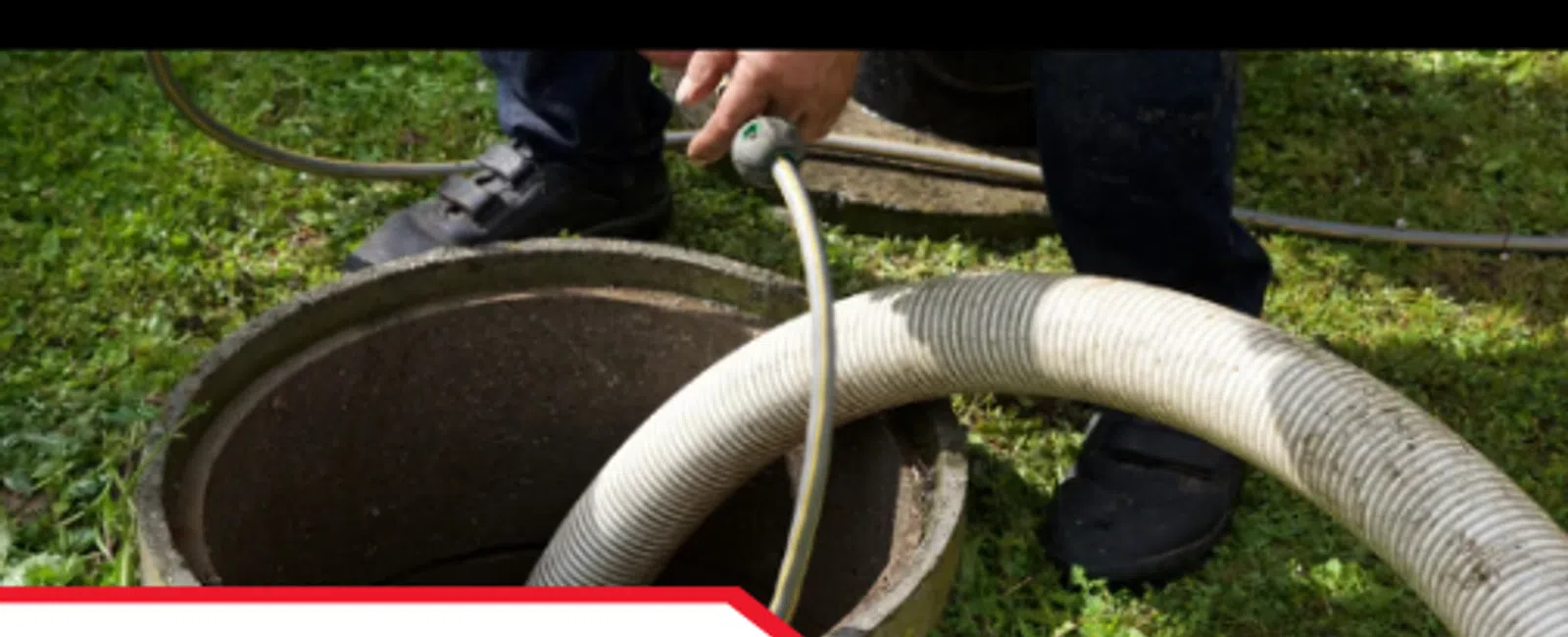
The septic tank is an underground, watertight container that receives wastewater from the home.
Inside the tank, heavier solids settle toward the bottom, while fats, oils, and grease may form a floating layer near the top.
Liquid wastewater, known as effluent, moves through the system toward additional treatment and dispersal components.
The tank requires periodic maintenance because accumulated solids must be removed before they interfere with system operation.
Inlet and Outlet Piping
The inlet pipe carries wastewater from the building into the septic tank.
The outlet directs partially treated wastewater toward the next component of the system.
Depending on the design, additional piping, filters, pumps, or distribution components may be present.
Drainfield
The drainfield receives effluent from the septic tank and distributes it into a designated soil treatment area.
The soil helps provide additional treatment as wastewater moves through it.
Soil Treatment Area
Soil conditions are important because the system depends on appropriate wastewater movement and treatment.
Factors such as soil characteristics, groundwater conditions, drainage, and system design can influence performance.
Why Septic Systems Differ Between Properties
Not every residential septic system uses the same configuration.
The EPA's guidance on different types of septic systems explains that onsite wastewater systems may include conventional arrangements as well as alternative designs suited to particular site conditions.
Depending on the property, systems may incorporate:
- Conventional septic tanks and drainfields
- Pump chambers
- Pressure distribution components
- Aerobic treatment units
- Mound systems
- Other alternative treatment or dispersal arrangements
System selection may depend on soil characteristics, available land, groundwater conditions, local requirements, and property-specific design considerations.
A residential septic system inspection should account for the actual system type rather than assume every property contains a conventional gravity-fed arrangement.
Understanding the configuration can also help buyers anticipate future maintenance responsibilities.
Why Septic Inspections Matter Before Buying a Home
A septic system is an important component of a property's wastewater infrastructure.
Because much of the system is underground, buyers may have limited information about its condition without reviewing records or arranging specialized evaluation.
A septic inspection before buying a home can provide information that supports decisions about maintenance, potential repairs, and additional due diligence.
What Information Should Buyers Request?
Useful information may include:
- Septic system type
- Approximate installation age, when documented
- Tank location
- Drainfield location
- Available permits
- Previous inspection reports
- Pumping records
- Maintenance history
- Previous repairs
- Known operating concerns
These records may help buyers understand how the system has been maintained and whether significant modifications have occurred.
What If Septic Records Are Missing?
Older properties may have incomplete maintenance or installation records.
The absence of documentation does not automatically establish that a septic system is defective or failing.
However, missing information may make it more difficult to confirm the system's configuration, history, or maintenance needs.
Buyers may need assistance from a qualified septic professional or the appropriate local permitting authority.
Visible Warning Signs That May Deserve Attention
Certain property conditions may suggest that additional wastewater-system evaluation is appropriate.
Potential observations include:
- Slow plumbing drains
- Sewage odors
- Wastewater backups
- Unusual wet areas
- Standing water near system components
- Visible wastewater discharge
- Unusual vegetation patterns around the drainfield
Do These Signs Always Mean Septic Failure?
No.
Slow drains may result from localized plumbing blockages rather than a septic system problem.
Standing water may be associated with rainfall, grading, drainage deficiencies, or other site conditions.
Similarly, unusual vegetation growth does not independently establish a wastewater leak.
These observations may warrant investigation, but they are not definitive septic diagnoses.
A qualified professional may need to evaluate the system and surrounding conditions to determine the cause.
Understanding the Septic Tank and Drainfield
Two important considerations during septic system due diligence are the location and general condition of the tank and drainfield.
Why Tank Location Matters
Knowing the tank's location can support future maintenance, pumping, and professional servicing.
It can also help homeowners avoid activities that may interfere with underground system components.
Why Drainfield Location Matters
The drainfield is a critical part of wastewater treatment and dispersal.
Homeowners should understand where it is located so they can avoid activities that may damage the system or interfere with soil treatment.
Can an Inspector Determine Drainfield Life Expectancy?
Not through visual observation alone.
A septic drainfield evaluation may require specialized procedures and knowledge of the system design, soil conditions, maintenance history, and operating characteristics.
Even a specialized evaluation may not establish an exact remaining service life.
Performance can change over time based on water use, maintenance, soil conditions, and other factors.
Buyers should be cautious about assuming that an apparently dry or well-maintained yard guarantees satisfactory drainfield performance.
Standard Home Inspection vs. Septic Inspection
One of the most important distinctions for homebuyers is that a standard home inspection and a specialized septic inspection serve different purposes.
What Does a Standard Home Inspection Cover?
A general residential home inspection typically evaluates visible and accessible building components, including:
- Roofing
- Structural components
- Plumbing fixtures and accessible piping
- Electrical systems
- HVAC equipment
- Interior and exterior conditions
During a home inspection with a septic system, an inspector may observe certain plumbing or site conditions that could warrant additional evaluation.
However, a standard home inspection does not automatically include a comprehensive septic assessment.
What Requires Specialized Septic Evaluation?
Depending on the service and system configuration, specialized septic evaluation may involve procedures beyond a general home inspection, such as:
- Accessing septic tanks
- Evaluating tank components
- Measuring sludge and scum accumulation
- Reviewing pumping needs
- Assessing accessible wastewater distribution components
- Investigating drainfield concerns
- Evaluating specialized treatment equipment
The exact scope varies by provider, system type, site conditions, and applicable requirements.
A standard home inspection generally does not include opening or pumping septic tanks, measuring sludge levels, evaluating underground components, testing drainfield performance, or certifying wastewater treatment.
Buyers should confirm the scope of any specialized septic service before scheduling.
Who Should Evaluate a Septic System?
Qualified septic professionals may include appropriately licensed or certified inspectors, service contractors, installers, or other specialists, depending on state and local requirements.
A septic professional may review available records, identify accessible components, assess observable conditions, and recommend additional investigation when appropriate.
Certain systems may require professionals familiar with specialized treatment equipment.
A septic tank inspection should be performed using appropriate procedures and safety precautions.
Homeowners should not attempt to enter septic tanks or perform potentially hazardous evaluations themselves.
Because septic inspection services vary by location, buyers should verify provider qualifications and applicable local requirements.
Septic System Maintenance and Homeowner Responsibilities
Septic systems require ongoing maintenance to support proper operation.
The EPA's guidance on how to care for a septic system emphasizes regular professional attention, responsible water use, and protecting the drainfield.
Pumping and Professional Maintenance
Septic tanks require periodic pumping to remove accumulated solids.
The appropriate schedule depends on factors such as tank size, household occupancy, wastewater volume, and system characteristics.
Homeowners should follow recommendations from qualified professionals rather than assume every system requires the same schedule.
Water-Use Management
Excessive or concentrated water use can place additional demands on onsite wastewater systems.
Managing household water consumption and addressing plumbing leaks may help reduce unnecessary wastewater loading.
Avoiding Unsuitable Materials
Items such as wipes, grease, and other materials not intended for septic disposal can interfere with system operation.
Homeowners should follow appropriate disposal practices.
Protecting the Drainfield
Drainfield areas should be protected from activities that may compact soil, damage underground components, or interfere with wastewater treatment.
Parking vehicles, placing heavy equipment, or making significant landscape modifications over the drainfield may create concerns.
Maintaining Records
The EPA's septic system operation and maintenance guidance provides additional information about system upkeep and professional servicing.
Homeowners should retain pumping records, inspection reports, repair documentation, and available system plans.
These records can be useful for future maintenance and real estate transactions.
Septic Systems and Drinking Water
Onsite wastewater systems are also relevant to groundwater protection.
When properly designed, operated, and maintained, septic systems help treat household wastewater before it moves into the surrounding environment.
However, malfunctioning systems may contribute to contamination concerns under certain conditions.
The EPA's guidance on septic systems and drinking water discusses the relationship between onsite wastewater management and drinking water protection.
What About Homes With Private Wells?
Properties served by private wells may require additional consideration because groundwater can be a drinking water source.
The location and condition of wastewater systems, local geology, groundwater movement, and other factors can influence potential contamination pathways.
A standard home inspection does not certify drinking water quality.
Likewise, a septic inspection does not automatically establish that private well water is safe to drink.
Appropriate water testing and qualified professional evaluation may be necessary.
Septic Inspections During Real Estate Due Diligence
Buyers considering properties with onsite wastewater systems should address septic questions early in the transaction.
Depending on the purchase agreement and local requirements, the inspection or due-diligence period may provide an opportunity to review available records and arrange specialized evaluations.
A practical approach may include:
- Confirming whether the property uses a septic system.
- Requesting available permits and maintenance records.
- Identifying the approximate tank and drainfield locations.
- Arranging an appropriate specialized septic evaluation.
- Reviewing findings and recommended follow-up work.
- Obtaining professional estimates when significant concerns are identified.
A specialized inspection may identify maintenance needs, recommend additional testing, or document conditions requiring repair.
However, no inspection can guarantee that a septic system will operate without future problems.
Septic System Inspections Across the Southeast
Septic systems are found in residential properties throughout the Southeast, particularly in rural, suburban, and developing areas where centralized sewer service may not be available.
LunsPro Inspection Group serves residential inspection markets throughout Georgia, North Carolina, South Carolina, Tennessee, and Florida, including Atlanta, Athens, Savannah, Charlotte, Raleigh, Greensboro, Greenville, Charleston, Chattanooga, Nashville, and Jacksonville.
A home outside Atlanta or Athens may rely on an onsite wastewater system, while properties near Charlotte, Raleigh, or Greensboro may have different wastewater infrastructure depending on local development and utility availability.
Similarly, residential properties in the Savannah, Jacksonville, Chattanooga, Nashville, Greenville, and Charleston regions may use septic systems where municipal sewer connections are unavailable.
However, not every rural or suburban home uses a septic system, and system designs vary by property.
For buyers researching septic system inspection Southeast services or a septic inspection Southeast provider, confirming the property's wastewater arrangement and the availability of qualified specialists is an important first step.
LunsPro provides residential home inspections across its service markets, but specialized septic inspection availability should be confirmed separately for the specific property and location.
Making Informed Decisions About Septic Systems
Septic systems are essential components of many residential properties, yet much of their infrastructure is located underground and cannot be evaluated through ordinary visual observation. Understanding the tank, drainfield, wastewater distribution components, and maintenance history can help buyers recognize why specialized septic evaluation may be appropriate.
A standard home inspection may identify visible plumbing or site concerns, but it does not automatically include septic tank access, pumping, underground component evaluation, or drainfield performance testing. Buyers should understand these limitations and consult qualified septic professionals when more detailed information is needed.
Maintenance records, system documentation, professional evaluations, and responsible homeowner practices all contribute to informed septic system ownership. Missing records or isolated warning signs do not automatically establish system failure, but they may justify additional investigation before purchasing a property.
For homebuyers throughout Georgia, North Carolina, South Carolina, Tennessee, and Florida, LunsPro Inspection Group supports informed purchasing decisions through professional residential home inspections. By understanding the difference between general home inspection observations and specialized septic services, buyers can better organize their due diligence and prepare for the responsibilities of owning a property served by an onsite wastewater system.