
Commercial buildings often remain in service for decades, undergoing renovations, tenant changes, equipment replacements, and operational upgrades throughout their lifespan. While these modifications can extend a property's usefulness, they may also create increasingly complex electrical distribution systems that require careful maintenance and documentation.
For commercial property buyers, investors, facility managers, and business owners, understanding the condition of existing electrical infrastructure is an important part of acquisition due diligence. A commercial electrical infrastructure inspection can help identify visible deterioration, previous modifications, maintenance concerns, and conditions that may require further evaluation before electrical modernization decisions are made.
However, aging electrical equipment does not automatically mean a system is unsafe, inadequate, or due for replacement. Electrical infrastructure should be evaluated based on its observed condition, maintenance history, intended use, and the findings of appropriately qualified professionals. A general commercial property inspection provides useful building-condition information but does not replace electrical engineering, specialized testing, or comprehensive capacity analysis.
What Is Commercial Electrical Infrastructure?
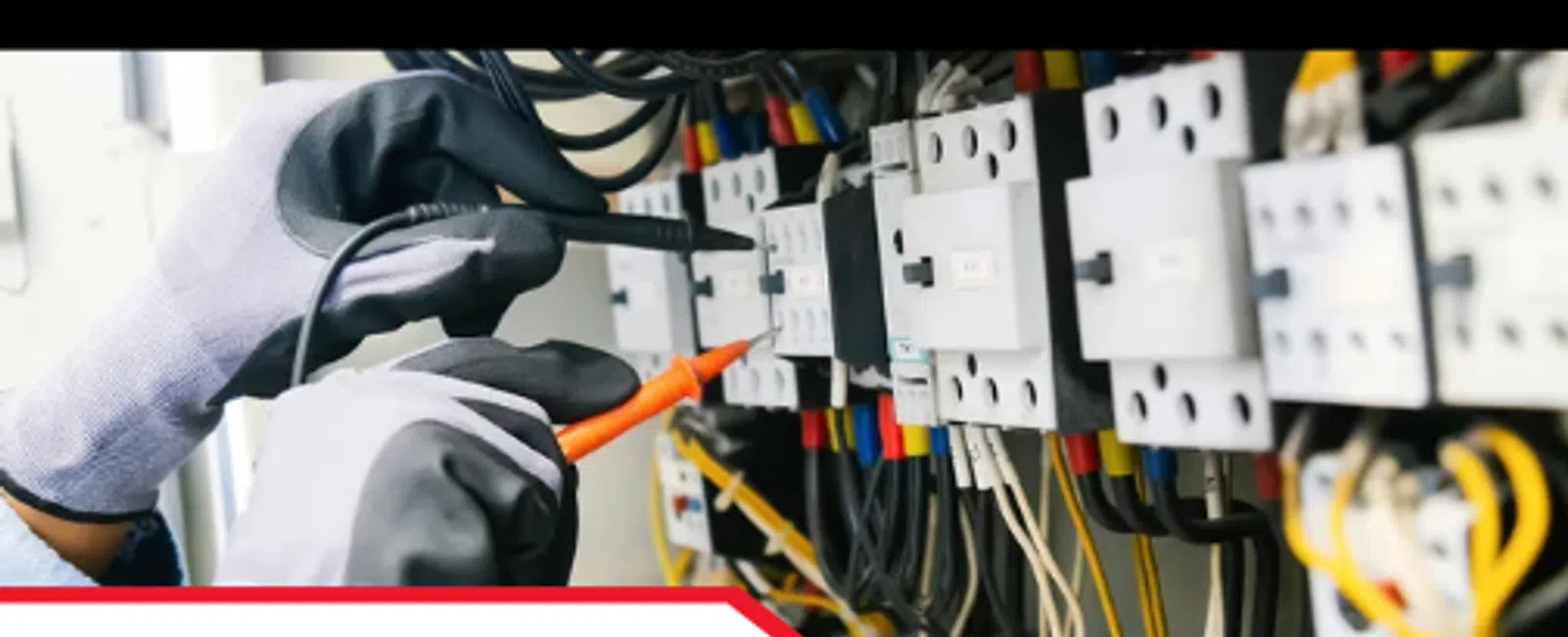
Commercial electrical infrastructure includes the equipment and distribution components responsible for receiving and delivering electricity throughout a property.
Depending on the building, these systems may include:
- Electrical service equipment
- Main distribution panels
- Switchgear
- Disconnect switches
- Branch circuit panels
- Visible wiring and raceways
- Electrical equipment rooms
- Equipment connections
- Lighting distribution
- Associated control equipment
These components support building operations, including HVAC equipment, lighting, elevators, office equipment, and other electrical loads.
A commercial electrical inspection may document accessible physical conditions involving these systems within the agreed inspection scope.
However, the presence of electrical equipment does not mean every component can be safely accessed, opened, tested, or evaluated during a general commercial inspection.
Why Commercial Electrical Systems Change Over Time
Commercial buildings frequently experience changes in occupancy, business operations, and equipment requirements.
A property originally designed for one type of business may later accommodate different tenants or more electrically demanding operations.
These changes can lead to multiple generations of electrical modifications.
Tenant Build-Outs
New tenants may require additional outlets, lighting, equipment connections, or modified electrical distribution.
Over time, several tenant improvements may change how circuits are arranged and documented.
Building Renovations
Interior renovations may involve relocated equipment, new electrical panels, or modifications to existing circuits.
HVAC Equipment Replacements
New heating and cooling equipment may have different electrical requirements from the equipment it replaces.
Lighting Modernization
Lighting upgrades may involve changes to fixtures, controls, circuits, or distribution equipment.
Building Expansions
Additional floor area or new facilities may require modifications to electrical service and distribution.
These changes do not automatically create deficiencies. However, they can make commercial electrical infrastructure more complicated to evaluate without accurate documentation.
Electrical Distribution Changes and Their Implications
Electrical distribution systems are designed around particular equipment, loads, and building arrangements.
When a commercial property's use changes, the electrical infrastructure may need to accommodate different operational demands.
For example, a former retail space converted into professional offices may require changes to lighting, receptacles, HVAC equipment, and communications infrastructure.
A warehouse adapted for specialized manufacturing may introduce equipment with different electrical characteristics.
Why Distribution Documentation Matters
Electrical modifications may affect:
- Panel schedules
- Circuit identification
- Equipment connections
- Distribution arrangements
- Available documentation
- Maintenance responsibilities
During an electrical distribution inspection, visible conditions may suggest that modifications have occurred.
However, determining whether the current distribution system is properly designed for its loads requires qualified electrical evaluation.
A general commercial inspection does not verify complete circuit configurations, calculate electrical demand, or certify the adequacy of electrical distribution.
Visible Conditions That May Warrant Attention
A commercial property inspection focuses on visible and accessible conditions rather than comprehensive electrical diagnostics.
Depending on access and safety considerations, inspectors may identify:
- Corrosion
- Physical damage
- Missing covers
- Open equipment enclosures
- Visible evidence of overheating
- Questionable modifications
- Moisture intrusion
- Deteriorated components
- Inaccessible electrical equipment
- Apparent maintenance deficiencies
Corrosion and Moisture Intrusion
Electrical equipment exposed to moisture may develop corrosion or other deterioration.
Visible staining, rust, or water intrusion near electrical components may warrant additional evaluation.
However, surface discoloration alone does not establish the internal condition of electrical equipment.
Physical Damage and Missing Covers
Damaged enclosures, missing covers, or exposed openings may present concerns that require qualified professional attention.
Evidence of Overheating
Visible scorching, unusual discoloration, or damaged materials may indicate conditions requiring further investigation.
A general inspector should not assume the precise cause without appropriate testing and evaluation.
The National Fire Protection Association's electrical safety resources provide broader information about electrical hazards and the importance of appropriate safety practices.
When significant concerns are observed, a qualified electrical contractor or engineer may be needed to determine the cause and appropriate corrective measures.
Electrical Rooms and Equipment Accessibility
Commercial electrical infrastructure is often housed in dedicated rooms, closets, or equipment areas.
The physical condition and accessibility of these spaces can affect inspection and maintenance activities.
Potential observations include:
- Stored materials restricting access
- Visible water intrusion
- Damaged equipment enclosures
- Corrosion
- Inadequate maintenance access
- Questionable modifications
- Deteriorated surrounding finishes
Why Access Matters
Electrical equipment requires appropriate access for qualified maintenance personnel.
Blocked or inaccessible equipment may limit inspection observations and complicate future servicing.
However, specific access and working-space requirements depend on applicable standards and installation circumstances.
A general commercial inspection may identify visible access concerns but does not certify compliance with every electrical working-space requirement.
Electrical Capacity and Intended Property Use
One of the most important questions during commercial acquisition is whether existing electrical infrastructure can support the buyer's intended operations.
A property may have sufficient electrical service for its current tenant but require modifications for a different business use.
Potential changes may involve:
- Additional HVAC equipment
- Commercial kitchen equipment
- Manufacturing machinery
- Expanded office operations
- Electric vehicle charging
- Specialized medical equipment
- New lighting or control systems
Does a Commercial Inspection Verify Electrical Capacity?
No. A general commercial property inspection does not include comprehensive electrical load calculations, service-capacity engineering, or electrical design verification.
An inspector may document visible service equipment characteristics and apparent conditions, but these observations do not establish the system's complete available capacity.
When buyers are considering significant equipment additions or operational changes, a qualified electrician or electrical engineer should evaluate the proposed electrical requirements.
This distinction is especially important during electrical upgrade planning.
Maintenance Records and Electrical System History
Electrical maintenance documentation can provide useful context when evaluating aging commercial electrical systems.
Available records may include:
- Electrical maintenance histories
- Equipment replacement documentation
- Previous electrical evaluations
- Single-line diagrams
- Panel schedules
- Renovation records
- Equipment testing reports
- Contractor service documentation
What Can Maintenance Records Reveal?
Records may help identify when equipment was installed, repaired, tested, or modified.
They may also show whether previous concerns were evaluated or whether major components have undergone replacement.
The Whole Building Design Guide's facilities operations and maintenance resources emphasize the value of organized maintenance practices and long-term building-system management.
However, incomplete documentation does not automatically establish defective installation or neglected maintenance.
Likewise, detailed records do not guarantee that every electrical component remains in acceptable condition.
Documentation should supplement physical observations and qualified electrical evaluations.
Commercial Electrical Modernization Planning
Commercial electrical modernization may become relevant when a property changes use, undergoes major renovations, or requires additional electrical equipment.
Modernization planning can involve:
- Distribution panel replacements
- Electrical service upgrades
- Switchgear replacement
- Circuit modifications
- Lighting modernization
- Equipment connection changes
- Improved documentation
- Specialized electrical evaluations
Should Older Electrical Equipment Automatically Be Replaced?
Not necessarily.
Equipment age is one consideration, but it should not be the sole basis for a replacement decision.
A qualified electrical professional may consider equipment condition, maintenance history, manufacturer support, replacement-part availability, operational requirements, and the results of specialized evaluations.
An older system may remain serviceable under appropriate conditions, while newer equipment may still require repairs or modifications.
Planning for Future Operations
Buyers should consider whether the existing infrastructure aligns with planned renovations, new equipment, or changes in occupancy.
When modernization is anticipated, specialist evaluations can help determine appropriate upgrades and their potential scope.
A commercial inspection can identify visible conditions that may influence this planning, but it does not develop or certify an electrical modernization design.
Electrical Safety and Specialized Evaluation
Commercial electrical equipment can present serious hazards when accessed or handled improperly.
Certain electrical evaluations require specialized training, equipment, and safety procedures.
The Occupational Safety and Health Administration's electrical safety guidance provides information about electrical hazards and qualified electrical work.
Additionally, OSHA's general industry standards address workplace safety requirements, including provisions relevant to electrical equipment and employee protection.
These workplace requirements provide important safety context but do not automatically define the scope of a general commercial property inspection.
What a General Inspection Does Not Include
Unless separately arranged, a standard commercial inspection does not provide:
- Electrical engineering
- Arc-flash hazard studies
- Comprehensive load calculations
- Electrical commissioning
- Detailed equipment testing
- Energized electrical work
- Complete circuit tracing
- Formal code-compliance certification
Qualified electrical contractors or engineers may be required for these services.
Inspectors should document observable concerns and recommend appropriate further evaluation rather than attempting specialized electrical procedures outside their inspection scope.
Electrical Infrastructure and Code Considerations
Commercial electrical installations are subject to applicable building and electrical requirements.
The International Code Council's I-Codes provide model building-code frameworks that jurisdictions may adopt or modify.
Electrical requirements may also involve other adopted standards and locally applicable regulations.
A general commercial property inspection may identify visible conditions that warrant further review, but it is not a formal electrical code-compliance assessment.
Determining whether a particular installation complies with applicable requirements may require review by qualified professionals or the appropriate authority.
Similarly, the presence of older equipment does not automatically establish a code violation.
Deferred Maintenance and Capital Expenditure Planning
Electrical infrastructure can represent a significant component of commercial property maintenance and capital planning.
During acquisition due diligence, visible electrical concerns may influence decisions about:
- Immediate repairs
- Deferred maintenance
- Equipment replacement
- Distribution upgrades
- Specialist evaluations
- Renovation planning
- Future capital expenditures
Repair Prioritization
Conditions involving visible damage, moisture intrusion, or suspected overheating may require prompt professional evaluation.
Replacement Planning
Major electrical components may involve substantial replacement costs and scheduling considerations.
However, a general inspection does not determine the exact remaining service life of electrical equipment.
Cost-to-Cure Considerations
Cost-to-Cure Assessments and contractor estimates may help stakeholders understand potential expenditures associated with identified deficiencies.
Final costs depend on specialist findings, equipment requirements, installation conditions, and project scope.
Commercial Property Condition Assessments
A commercial electrical infrastructure inspection may be incorporated into broader commercial building due diligence.
Depending on the property and transaction, services may include:
- Commercial property inspections
- Property Condition Assessments
- Building Condition Assessments
- Cost-to-Cure Assessments
- Investor & Lender Packages
These evaluations can help organize information about observable electrical conditions, deferred maintenance, and potential capital expenditure considerations.
However, they do not replace detailed electrical engineering or certify that a building's electrical infrastructure is suitable for every intended use.
When modernization is planned, inspection findings can help identify areas requiring additional specialist review.
Commercial Electrical Inspections in the Southeast
Commercial properties throughout the Southeast vary in age, occupancy, electrical equipment, and renovation history.
LunsPro Inspection Group provides commercial inspection services in Georgia, Florida, and North Carolina, including Atlanta, Savannah, Jacksonville, Charlotte, Raleigh, and Greensboro.
An established office property in Atlanta may contain electrical infrastructure modified during multiple tenant improvements.
A retail property in Jacksonville may have undergone electrical upgrades associated with changing equipment requirements.
Similarly, commercial buildings in Charlotte, Raleigh, Greensboro, and Savannah may contain electrical systems installed or modified during different construction periods.
Inspection priorities should reflect the actual building condition, maintenance history, and intended property use rather than assumptions based solely on location or equipment age.
Understanding Electrical Infrastructure Before Acquisition
Aging commercial electrical systems can present important considerations for property buyers, investors, and facility managers, particularly when buildings have undergone renovations, tenant changes, or equipment upgrades. Electrical service equipment, distribution panels, switchgear, wiring, and associated infrastructure may reflect several generations of construction and modification.
A professional commercial electrical infrastructure inspection helps document visible conditions, identify apparent maintenance concerns, and highlight areas where qualified electrical evaluation may be appropriate. These findings can support commercial building due diligence, deferred maintenance planning, and potential capital expenditure decisions.
However, older electrical equipment does not automatically require replacement, and a general commercial inspection does not establish electrical capacity, verify complete system performance, or provide engineering certification. Modernization decisions should be based on the property's operational requirements and the findings of qualified electrical professionals.
For commercial buyers, investors, and property owners throughout Georgia, Florida, and North Carolina, LunsPro Inspection Group supports informed acquisition planning through commercial inspections, Property Condition Assessments, Building Condition Assessments, Cost-to-Cure Assessments, and Investor & Lender Packages.
By understanding the observable condition of existing electrical infrastructure and identifying where specialized evaluations may be needed, stakeholders can approach electrical modernization and long-term property management with better information.