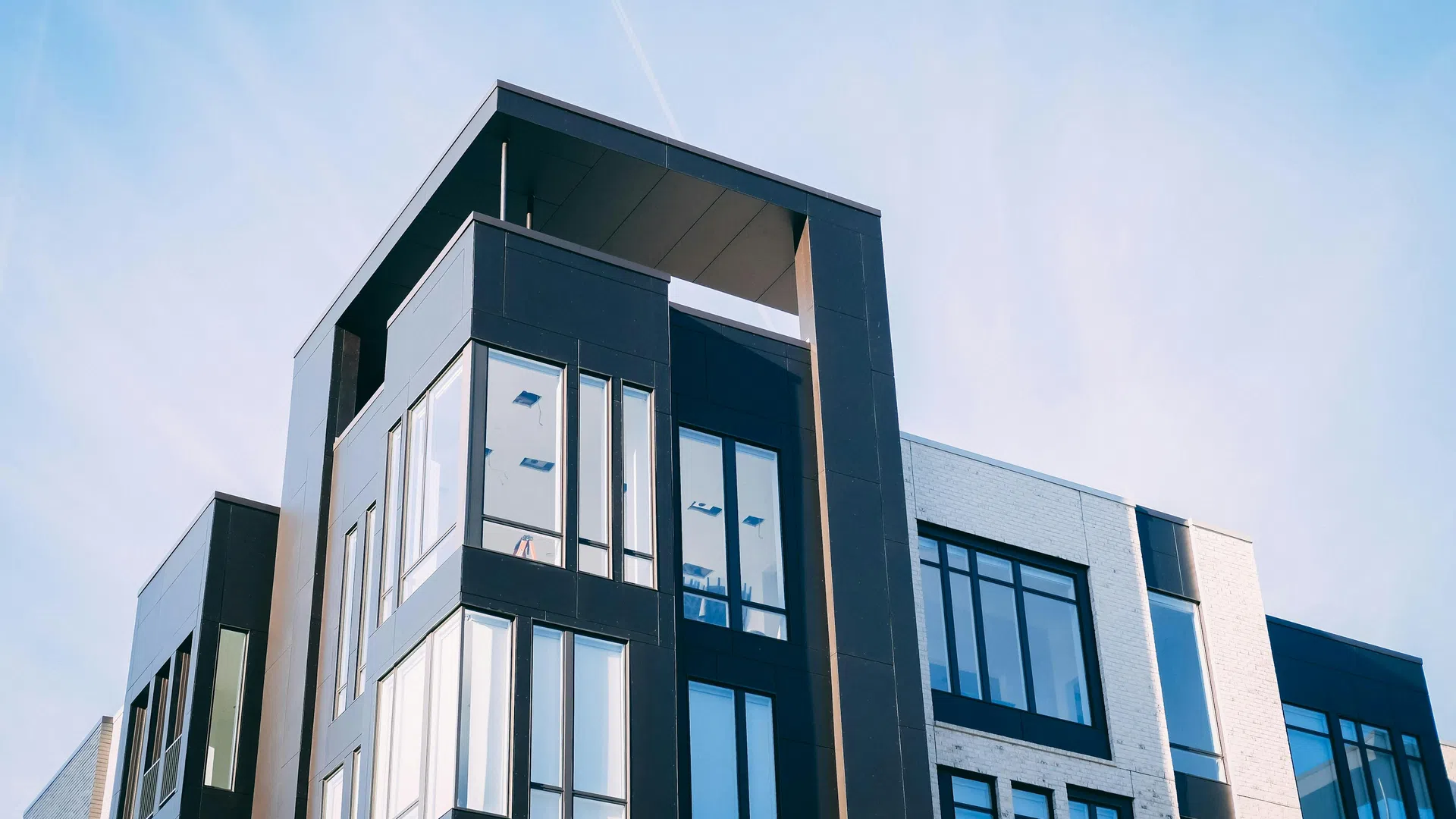
Modern multi-story building with large glass windows and black exterior elements under a clear blue sky.

Cost-to-Cure Assessment

Detailed Repair Budgeting for Commercial Real Estate
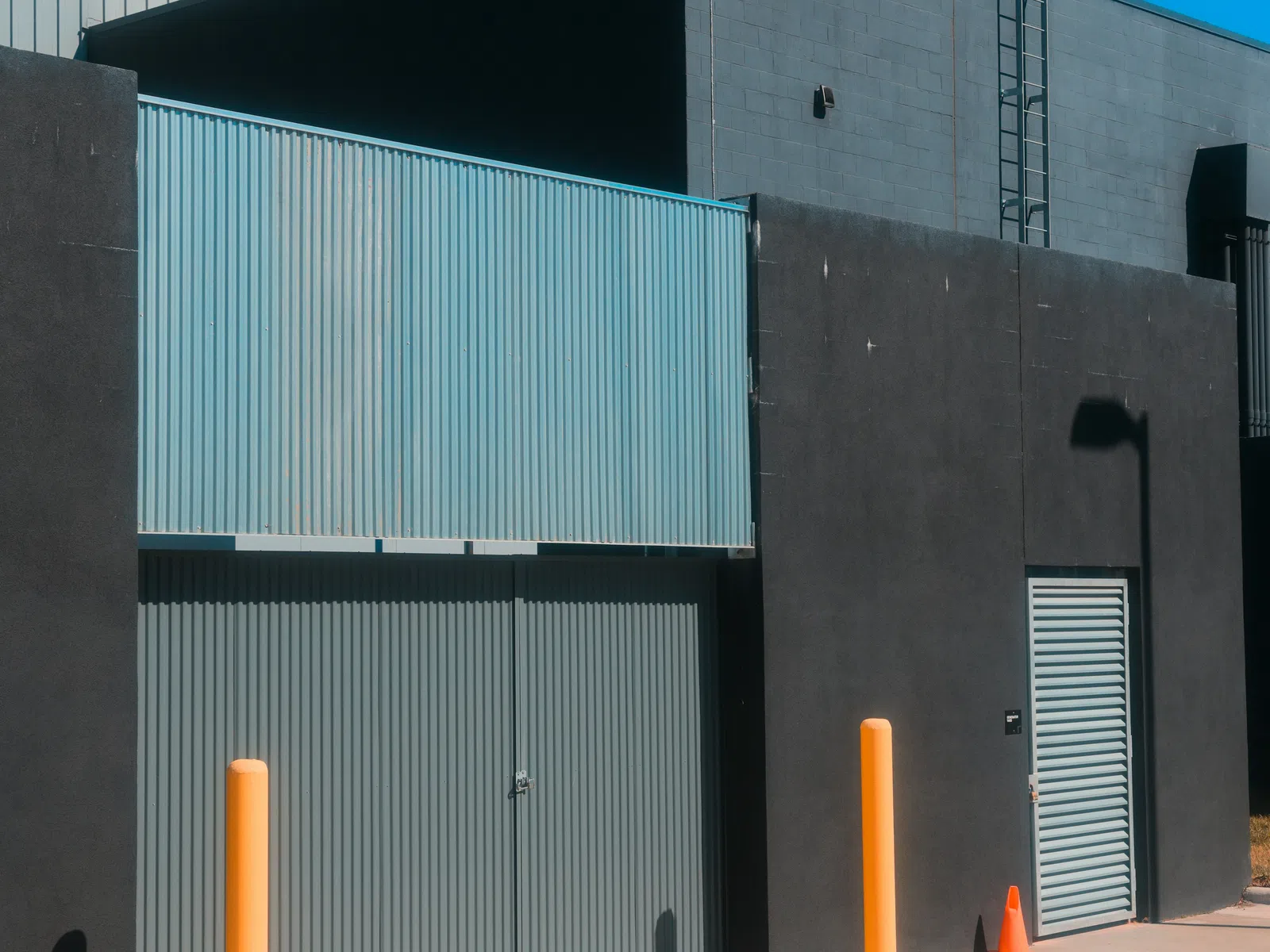
Industrial building facade with corrugated metal doors, bright yellow bollards, and clear blue sky overhead

A Cost-to-Cure Assessment is the financial planning component of commercial property due diligence. While a Property Condition Assessment identifies deficiencies and future concerns, a Cost-to-Cure Assessment focuses on what needs to be repaired, replaced, or upgraded and what those improvements may realistically cost.

LunsPro Commercial Inspections provides Cost-to-Cure Assessments as an enhancement to our Property Condition Assessment services, helping investors, lenders, and commercial property owners better understand the financial implications of identified deficiencies.

Schedule a Commercial Inspection

Ready to schedule an inspection? Our office team is available 24 hours a day, 7 days a week, 365 days a year.
Please call to schedule your inspection.

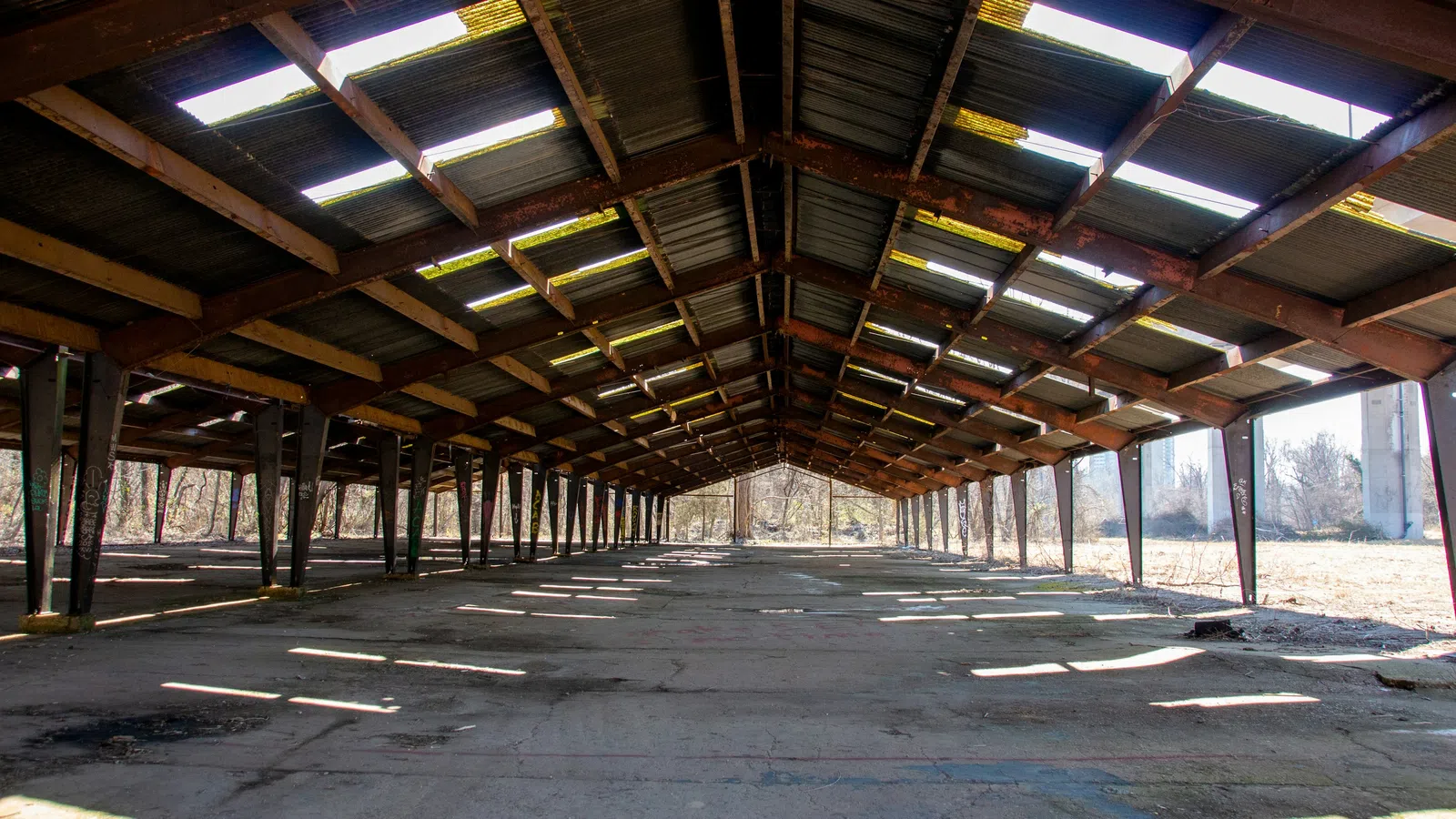
Empty abandoned warehouse with rusted metal beams and concrete floor under a partially covered roof.
Logo featuring red outlined buildings above a red swoosh with Benevolent Housing Trustr text.
Green 3D bar chart with upward arrow indicating growth and positive increase in data values.
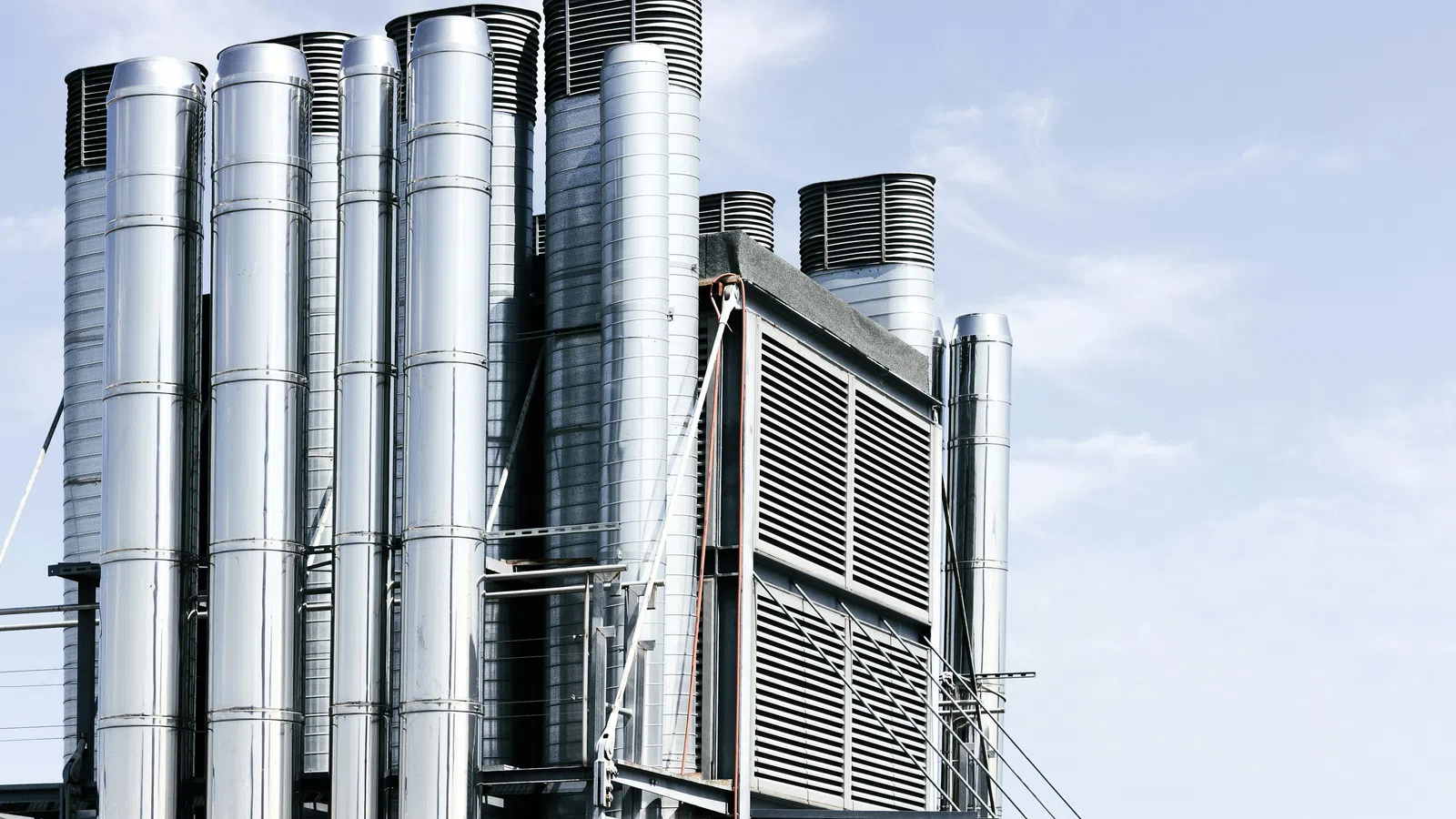
Shiny silver industrial ventilation pipes and chimneys against a clear blue sky in a factory setting.

What Is a Cost-to-Cure Assessment?

A Cost-to-Cure Assessment expands upon the findings of a PCA by providing detailed repair and replacement budgeting information for significant property deficiencies.

The objective is to help stakeholders understand:

  • What repairs are necessary
  • What systems require replacement
  • What improvements should be prioritized
  • What costs should be anticipated
  • How repairs can be phased over time

What's Included?

Detailed Repair Scopes

Each major deficiency is evaluated to determine the appropriate repair or replacement strategy.

Quantity Takeoffs

Our assessments may include quantity calculations for affected components, such as roofing areas, windows, HVAC equipment, electrical panels, and other building systems.

Budget Development

Repair and replacement estimates are developed using recognized commercial cost data to provide realistic budgeting guidance.

Capital Planning Support

Cost-to-Cure reporting helps investors and owners establish capital reserve strategies and long-term maintenance planning.

Phased Repair Recommendations

Not every deficiency requires immediate correction. Reports may include recommendations for immediate, short-term, and long-term improvements based on observed conditions.

Common Uses

Commercial Acquisitions

Buyers often use Cost-to-Cure reports to evaluate transaction risk and support purchase negotiations.

Lending and Financing

Lenders may request repair cost analysis to better understand the property's condition and future capital requirements.

Portfolio Management

Owners and asset managers can use Cost-to-Cure reporting to prioritize maintenance projects and capital improvements across multiple properties.

Why Combine a PCA with a Cost-to-Cure Assessment?

Together, these services provide a comprehensive understanding of both the physical condition and financial implications of a commercial property.

A PCA identifies the issues.

A Cost-to-Cure Assessment helps quantify them.

Schedule a Commercial Inspection

Ready to schedule an inspection? Our office team is available 24 hours a day, 7 days a week, 365 days a year.
Please call to schedule your inspection.

Q What is a Cost-to-Cure Assessment?

A

A Cost-to-Cure Assessment is a detailed repair and replacement budgeting report that estimates the costs associated with correcting deficiencies identified during a Property Condition Assessment.

Q How is a Cost-to-Cure Assessment different from a PCA?

A

A PCA identifies deficiencies and forecasts future needs. A Cost-to-Cure Assessment takes the next step by estimating the financial investment required to address those issues.

Q When should a Cost-to-Cure Assessment be ordered?

A

Cost-to-Cure Assessments are commonly ordered during commercial acquisitions, financing transactions, capital planning efforts, and major investment evaluations.

Q What types of deficiencies are included in a Cost-to-Cure report?

A

The report may address roofing systems, HVAC equipment, electrical systems, plumbing systems, structural concerns, site improvements, parking areas, and other significant building components.

Q How are repair costs calculated?

A

Repair costs are developed using industry-recognized construction cost databases, repair methodologies, quantity takeoffs, and current market considerations.

Q What are quantity takeoffs?

A

Quantity takeoffs involve measuring and calculating the amount of materials, components, or systems that may require repair or replacement, such as roofing areas, windows, or mechanical equipment.

Q Can lenders use Cost-to-Cure reports?

A

Yes. Many lenders utilize Cost-to-Cure reports to better understand property risk and evaluate future capital obligations associated with a commercial asset.

Q Can a Cost-to-Cure Assessment support purchase negotiations?

A

Absolutely. Understanding likely repair and replacement costs can provide valuable leverage during acquisition negotiations and due diligence periods.

Q Does a Cost-to-Cure report include phased repair recommendations?

A

Yes. Many reports categorize deficiencies into immediate, short-term, and longer-term repair priorities to support budgeting and capital planning.

Q Is a Cost-to-Cure Assessment only for investors?

A

No. Property owners, lenders, developers, asset managers, and commercial real estate professionals can all benefit from detailed repair cost forecasting and capital planning information.