
When purchasing a home, buyers naturally focus on the property's visible features. Roofing, electrical systems, HVAC equipment, plumbing fixtures, and structural components are all important considerations during a professional home inspection. However, one essential part of a property's plumbing system is often hidden from view: the main sewer or drainage line. Because this piping is typically buried underground or located beneath the home, significant conditions can develop without obvious warning signs inside the living space.
A sewer scope inspection provides a way to examine accessible portions of the main drainage line using specialized camera equipment. This evaluation can reveal conditions such as standing water, pipe displacement, root intrusion, debris accumulation, and blockages. Although not every property will have a sewer line problem, identifying concerns before purchasing a home can help buyers better understand the condition of a system that may otherwise remain largely concealed.
Licensed and Certified Inspector Matt F. of LunsPro Inspection Group recently explained the importance of sewer scope inspections, drawing on approximately seven years of experience as a certified inspector. Matt described how camera inspections work and shared examples of conditions he has identified, including a sagging PVC drain line, a clogged line leading to a septic system, and extensive root intrusion in an older clay sewer pipe in Atlanta, GA.
For homeowners throughout Atlanta, GA; Savannah, GA; Nashville, TN; Chattanooga, TN; Charlotte, NC; Raleigh, NC; Greensboro, NC; Greenville, SC; and Charleston, SC, understanding sewer scope inspections can help clarify why evaluating the main drainage line may be an important addition to the home inspection process.
What Is a Sewer Scope Inspection?
A sewer scope inspection is a specialized evaluation of a property's main drainage line using a camera designed to travel through plumbing piping.
The camera allows an inspector to observe accessible portions of the pipe's interior and identify visible conditions that may interfere with drainage.
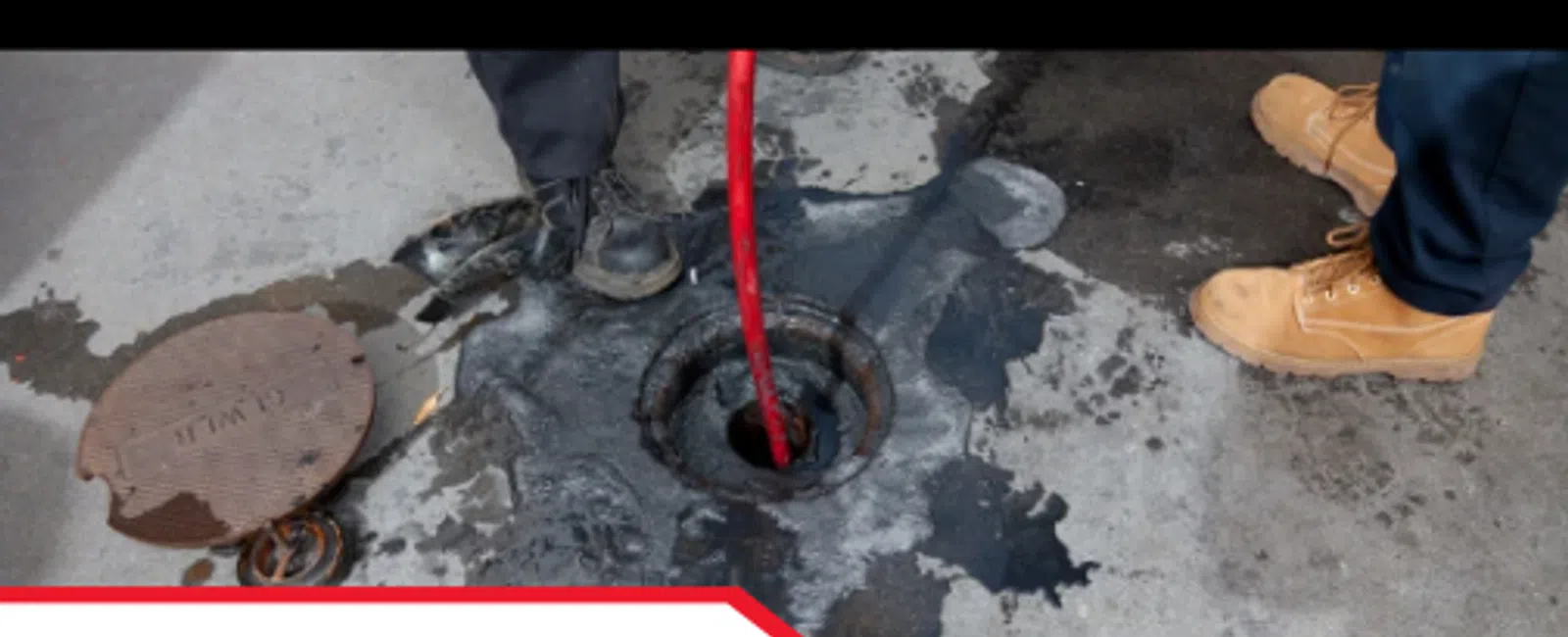
Matt explained that the process typically begins by inserting the camera through a plumbing cleanout.
A cleanout is an access point that allows entry into the drainage system without dismantling major portions of the plumbing.
Depending on the home's construction, a cleanout may be located in the front yard, side yard, crawlspace, or basement.
Once the camera enters the line, the inspector advances it through the accessible piping toward the public sewer connection or septic system.
The distance that can be inspected depends on the configuration and condition of the piping, available access, and any obstructions encountered.
Why a Standard Home Inspection May Not Reveal Sewer Problems
A general home inspection evaluates visible and accessible components of the plumbing system within the inspection's scope.
An inspector may operate plumbing fixtures, observe accessible piping, and identify visible leaks or drainage concerns.
However, those observations do not provide a complete view of the buried main drainage line.
A sewer line may contain a significant obstruction or deteriorated section even when fixtures appear to operate normally during a limited inspection.
This is why a sewer scope is considered a valuable ancillary service.
It provides additional information about portions of the plumbing system that cannot ordinarily be evaluated through a visual home inspection alone.
The service does not guarantee that every defect will be identified, but it can reveal conditions that would otherwise remain concealed.
How Sewer Scope Cameras Work
A sewer scope camera is attached to a flexible cable that can be advanced through the drainage piping.
As the camera moves, the inspector observes the interior of the line.
This allows the inspector to evaluate visible conditions such as standing water, debris, pipe joints, and obstructions.
Matt described advancing the camera from the cleanout toward the main sewer line or septic connection.
During this process, the inspector looks for conditions that may affect drainage performance.
The inspection is primarily visual.
It does not automatically determine the full structural condition of the pipe, establish the exact cause of every defect, or replace specialized plumbing evaluation when repairs are needed.
Nevertheless, camera footage can provide valuable evidence of conditions that warrant further attention.
Understanding Sewer Line Bellies
One of the conditions Matt discussed was a sewer line belly.
A belly is a section of drainage piping that sags or sits lower than the surrounding portions of the line.
This can allow water to collect rather than drain freely.
Matt shared an example involving a PVC drain line with a considerable belly.
The affected section contained standing water and debris.
Standing water in a sagging section can increase the likelihood of material accumulating within the line.
Over time, that accumulation may contribute to restricted drainage or backups.
Why Standing Water Matters
Drainage piping is intended to move wastewater toward its destination.
When a portion of the line holds water because of its configuration, the condition may interfere with that movement.
The significance depends on the extent of the sag, the amount of retained water, and other conditions within the piping.
A small amount of visible water does not automatically establish that a complete blockage exists.
However, substantial standing water associated with a pipe belly deserves further evaluation.
Matt's example illustrates how a camera inspection can identify a condition that may not be apparent from observing plumbing fixtures inside the home.
Debris Accumulation in Drainage Lines
Another concern Matt identified was debris inside sewer piping.
Debris can interfere with wastewater movement, particularly when it accumulates in an area where water already collects.
In the PVC line he inspected, standing water and debris were both visible.
These observations are important because they may indicate conditions that could contribute to future drainage problems.
However, the presence of debris does not automatically identify its source.
A qualified plumbing professional may need to evaluate the line further to determine whether cleaning, repair, or another corrective measure is appropriate.
Sewer Scope Inspections for Septic Properties
Not every home connects to a public sewer system.
Some properties use private septic systems.
Matt explained that sewer scope inspections can also be performed on accessible drainage piping leading toward a septic system.
In one recent inspection, he evaluated a property served by septic.
The camera revealed a clog and the beginning of a backup near the septic connection.
Standing water was visible, along with debris distributed around the interior of the pipe.
Matt interpreted the debris pattern as evidence suggesting a previous backup.
What Debris Patterns Can Indicate
During a camera inspection, the location and distribution of debris can provide useful information.
Matt explained that debris extending around the interior circumference of a pipe may suggest that wastewater previously backed up through that section.
However, a debris pattern alone does not establish the exact timing or cause of a previous event.
It is one observation that should be considered alongside other findings.
In Matt's example, the camera also revealed a substantial clog and evidence that wastewater was beginning to back up.
Those combined observations justified further attention.
A sewer scope of the drainage line is not the same as a comprehensive inspection of the septic tank, drain field, or entire septic system.
Additional specialized evaluation may be necessary.
Root Intrusion in Older Sewer Lines
Tree root intrusion is another important condition that sewer scope inspections may reveal.
Matt described inspecting a home in Atlanta, GA, that was more than 100 years old.
The property had a clay sewer line.
During the inspection, he observed root intrusion at multiple pipe joints.
Roots can enter piping through openings or compromised joints and extend into the interior of the line.
Once inside, they may interfere with wastewater flow and contribute to debris accumulation.
Why Pipe Joints Matter
Older sewer systems may contain multiple sections of piping connected by joints.
Those joints can become locations where roots enter if openings are present.
Matt's footage showed root intrusion at numerous joints along the clay line.
The observation demonstrated that the concern was not limited to one isolated location.
However, the presence of roots does not automatically establish the condition of every section of pipe.
The extent of intrusion and the appropriate corrective action require evaluation based on the actual findings.
Full Sewer Line Blockages
During the same Atlanta inspection, Matt encountered a complete obstruction that prevented the camera from advancing farther.
He explained that a plumbing company evaluated the condition the following day and confirmed the full blockage.
The resulting repair involved several thousand dollars.
This example demonstrates the potential significance of identifying a major drainage obstruction before a buyer completes a property transaction.
A full blockage can prevent wastewater from moving through the affected section of piping.
It may require professional clearing, repair, or replacement, depending on the underlying condition.
The sewer scope can identify the obstruction, but determining the appropriate repair is generally the responsibility of a qualified plumbing professional.
Cast Iron Sewer Lines in Older Homes
Matt also discussed concerns associated with cast iron piping, particularly in older Atlanta properties.
Cast iron has been used in residential drainage systems for many years.
As with other plumbing materials, its condition can vary depending on installation, age, use, and maintenance history.
Potential concerns may include deterioration, restricted interior openings, or other conditions affecting drainage.
However, cast iron piping should not automatically be assumed defective simply because it is older.
A camera inspection can provide information about the visible interior condition of an accessible line.
If deterioration or obstruction is identified, a qualified plumbing professional can evaluate the significance and recommend appropriate next steps.
Clay Sewer Lines and Aging Infrastructure
Clay piping is another material that may be encountered in older residential sewer systems.
Matt's example of a century-old Atlanta home illustrates how clay pipe joints can be affected by root intrusion.
The condition of an older sewer line depends on more than its material.
Installation details, ground movement, root activity, and previous repairs may influence its current performance.
A sewer scope provides an opportunity to observe the interior of accessible piping and identify conditions that deserve attention.
For buyers considering older homes, understanding the main drainage line's condition can be particularly valuable because much of the system is concealed underground.
Why New Construction Homes Also Need Sewer Scopes
One of Matt's most important points was that sewer line problems are not limited to older properties.
He explained that he also encounters concerns during sewer scope inspections of newly constructed homes.
Examples he mentioned included construction debris, improper plumbing practices, and damage associated with final grading work.
These observations demonstrate why buyers should not assume that a new sewer line is free of defects simply because it was recently installed.
Construction Debris in New Drain Lines
During construction, various materials may be present around plumbing installations.
If debris enters the drainage system, it can interfere with wastewater movement.
A camera inspection may reveal material that should not be present within the line.
The exact nature of the debris and its significance depend on what is observed.
When an obstruction is identified, professional evaluation may be needed to determine the appropriate corrective action.
Damage During Final Grading
Matt also mentioned sewer line damage associated with final grading.
Grading involves shaping and finishing the ground around a property.
Because sewer piping may be buried beneath areas affected by construction activity, damage can sometimes occur during the building process.
A sewer scope can help identify visible internal conditions that may suggest the line requires further evaluation.
However, camera footage alone may not establish exactly when or how damage occurred.
That distinction is important when communicating inspection findings.
Why Sewer Repairs Can Be Expensive
Sewer lines are often buried underground, which can make repairs more complicated than work on exposed plumbing.
Depending on the location and nature of a defect, corrective work may require excavation or specialized repair methods.
Matt noted that sewer line repairs can involve substantial expenses.
He also shared an anecdotal cost estimate from an acquaintance who worked for a water authority in Alabama.
However, that estimate should not be treated as a universal repair price.
Actual costs vary considerably based on the defect, pipe depth, accessibility, location, repair method, and other conditions.
Some problems may be addressed without extensive excavation, while others may require significant work.
The appropriate repair method and cost should be determined by a qualified contractor after evaluating the specific property.
Why Buyers Should Consider Sewer Scopes Before Closing
Purchasing a home involves evaluating both visible conditions and potentially significant concealed systems.
The main sewer line is an example of a component that can affect the property's usability while remaining largely hidden from view.
A sewer scope can help identify visible concerns before a buyer takes ownership.
If a significant obstruction or damaged section is discovered, the buyer can obtain further evaluation and better understand the potential implications.
This information may be useful when discussing repairs or other transaction decisions.
The purpose is not to assume that every sewer line has a problem.
It is to reduce uncertainty about a system that may otherwise receive limited evaluation.
When a Sewer Scope May Be Especially Useful
A sewer scope can be considered for both older and newer properties.
Older homes may have aging drainage materials or conditions such as root intrusion.
New construction properties may have concerns related to installation, construction debris, or damage occurring during the building process.
Homes connected to septic systems may also benefit from evaluation of accessible drainage piping, although the septic system itself may require separate specialized inspection.
The decision to schedule a sewer scope should consider the property, available access, and the buyer's inspection goals.
Matt recommends pairing sewer scopes with home inspections because the service can reveal conditions not otherwise visible.
Understanding Sewer Scope Limitations
A sewer scope provides valuable information, but it has limitations.
The camera can only evaluate portions of piping that are accessible and successfully navigated.
A blockage may prevent the camera from reaching farther sections of the line.
Pipe bends, restricted access, standing water, and other conditions may also limit visibility.
The inspection cannot guarantee that every concealed defect will be discovered.
It also does not replace specialized plumbing evaluation when significant concerns are identified.
Understanding these limitations helps buyers interpret the findings appropriately.
Why Clear Sewer Scope Reporting Matters
A useful sewer scope inspection should distinguish between visible observations and conclusions that require additional evaluation.
For example, a camera may reveal standing water within a sagging section of pipe.
The inspector can document that condition without claiming that a future backup is inevitable.
Similarly, root intrusion can be identified without assuming that every joint is damaged beyond repair.
A complete obstruction can be documented while recognizing that the exact repair method requires professional assessment.
Matt's examples demonstrate the importance of communicating observable findings clearly.
That information helps homeowners determine appropriate next steps.
Sewer Inspections in Atlanta, GA
Matt specifically discussed older sewer systems in Atlanta, GA.
His examples included cast iron concerns and root intrusion in a clay sewer line serving a home more than 100 years old.
These observations illustrate why buyers of established properties may benefit from considering a sewer scope.
However, the age of a neighborhood does not automatically determine the condition of every property's sewer line.
Each system should be evaluated individually.
Homes in Savannah, GA, may also have different plumbing materials, construction histories, and drainage configurations.
A property-specific inspection provides more useful information than assumptions based on location alone.
Sewer Scope Considerations Across the Southeast
Homebuyers throughout the Southeast encounter a wide range of residential construction types.
Properties in Charlotte, NC; Raleigh, NC; and Greensboro, NC, may have different drainage configurations depending on their age and design.
Similarly, homeowners in Greenville, SC, and Charleston, SC, should understand that buried sewer piping may not be fully evaluated during a standard home inspection.
In Tennessee, buyers in Nashville, TN, and Chattanooga, TN, may also benefit from considering sewer scope services when evaluating a property.
The relevant concern is not simply the city's location.
It is the condition of the individual property's accessible drainage system.
How Sewer Scopes Complement Home Inspections
A general home inspection provides an evaluation of visible and accessible building components.
A sewer scope adds a more focused examination of the main drainage line.
These services complement one another because they evaluate different aspects of the property.
A home inspector may observe plumbing fixtures functioning normally during the general inspection.
A sewer scope may still identify standing water, roots, or an obstruction farther along the main line.
Conversely, a sewer scope does not replace the general inspection of the home's plumbing fixtures and other accessible components.
Both services provide different information.
LunsPro Inspection Group and Ancillary Inspection Services
LunsPro Inspection Group provides professional property inspections designed to help buyers and homeowners understand visible and accessible conditions.
Through Southeastern Residential and Commercial Inspections, experienced Licensed Inspectors evaluate property components within the agreed inspection scope.
Sewer scope inspections are an ancillary service that can provide additional information about accessible portions of the main drainage line.
Matt's experience demonstrates why this service can be valuable for properties of different ages.
His examples included a sagging PVC line, a septic drainage obstruction, and extensive root intrusion in older clay piping.
Each condition required attention for a different reason.
The Importance of Professional Follow-Up
When a sewer scope identifies a concern, the next step depends on the observation.
A substantial pipe belly may require further evaluation to determine whether corrective work is appropriate.
Root intrusion may warrant professional assessment of the affected piping.
A complete blockage may require prompt attention from a qualified plumbing contractor.
Construction debris or suspected pipe damage may also require specialized evaluation.
The sewer scope provides evidence that can help guide those decisions.
It does not automatically determine the repair method or establish the final cost.
Why Information Before Purchase Matters
One of the greatest benefits of a sewer scope is the opportunity to obtain information before a property purchase is finalized.
Matt described situations in which clients added the service during the inspection appointment.
In those examples, the camera evaluation revealed significant conditions that were not otherwise apparent.
The findings provided additional information about the property's drainage system.
For buyers, this information can support discussions with appropriate professionals and help clarify potential repair considerations.
The value of the inspection is not measured solely by whether a defect is discovered.
It also comes from obtaining a clearer understanding of the accessible piping's observed condition.
Making Sewer Scopes Part of the Inspection Conversation
Homebuyers often schedule inspections while managing many other transaction details.
Because sewer piping is largely concealed, the possibility of a sewer scope may not immediately come to mind.
Discussing ancillary inspection options early can help buyers understand what services are available and how they differ from the standard home inspection.
Matt encourages clients to consider adding sewer scope inspections because of the conditions he has encountered over years of performing them.
That recommendation is based on the practical value of evaluating a concealed system.
Buyers can then decide whether the service fits their property and inspection needs.
A sewer scope inspection can provide valuable information about one of a home's most concealed systems. By using a camera to examine accessible portions of the main drainage line, inspectors may identify conditions such as standing water, pipe bellies, debris accumulation, root intrusion, and blockages. These observations can help buyers better understand potential drainage concerns that may not be apparent during a standard home inspection.
Licensed and Certified Inspector Matt F. of LunsPro Inspection Group highlighted several examples from his inspection experience, including a sagging PVC line holding water, a clogged line leading to a septic system, and an older clay sewer pipe with extensive root intrusion and a confirmed blockage. His observations demonstrate that sewer line concerns can affect different types of properties and may require specialized plumbing evaluation.
For homeowners throughout Atlanta, GA; Savannah, GA; Nashville, TN; Chattanooga, TN; Charlotte, NC; Raleigh, NC; Greensboro, NC; Greenville, SC; and Charleston, SC, understanding the benefits and limitations of sewer scope inspections can help support informed property decisions. Older homes may contain aging drainage materials, while newly constructed properties may have concerns related to debris, installation, or construction activity. Neither age nor appearance alone can establish the condition of the buried sewer line.
Through LunsPro Inspection Group, professional Southeastern Residential and Commercial Inspections help clients understand observable property conditions, while ancillary services such as sewer scopes provide additional insight into specific systems. Experienced Licensed Inspectors can document visible concerns and recommend further evaluation when appropriate. For buyers preparing to purchase a home, considering a sewer scope alongside the general inspection can provide a more complete understanding of the property's drainage system before making an important investment.