
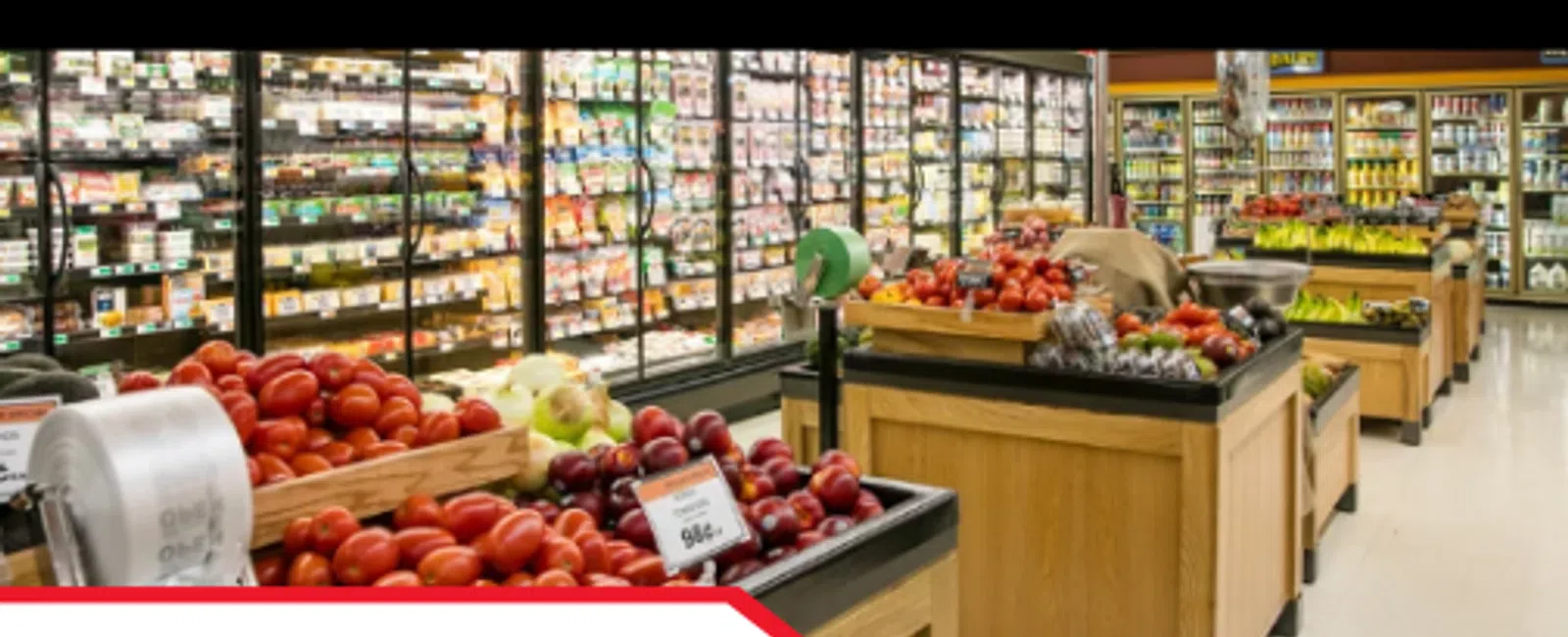
Grocery stores, supermarkets, and specialty food retailers have property maintenance needs that differ from those of many conventional retail buildings. In addition to standard commercial building systems, these facilities often contain extensive refrigeration equipment, frequent water-use areas, specialized storage spaces, loading docks, and flooring exposed to continuous customer and employee traffic.
For commercial buyers, investors, property owners, and facility managers, understanding these conditions is an important part of evaluating a food retail property. A professional grocery store inspection can help identify visible building deficiencies, deferred maintenance, moisture-related concerns, and conditions that may require additional evaluation before acquisition or continued operation.
However, a commercial property inspection is not a food-safety inspection, health-department evaluation, or refrigeration-performance certification. Its purpose is to document accessible physical building conditions and support property-related due diligence, not to determine whether food handling, storage, or specialized equipment meets regulatory requirements.
Why Grocery Stores Require Specialized Property Considerations
Grocery stores combine conventional retail space with building systems that support refrigeration, storage, deliveries, and frequent cleaning.
Depending on the property's size and operations, a facility may contain:
- Customer sales floors
- Refrigerated and frozen display areas
- Storage rooms
- Loading docks
- Employee facilities
- Restrooms
- Mechanical rooms
- Food preparation areas
- Receiving and service corridors
Each area may have different maintenance requirements.
For example, refrigerated display areas may present moisture-management concerns, while loading docks experience repeated equipment movement and deliveries.
Food preparation and cleaning areas may contain additional plumbing fixtures and floor drains.
The FDA's 2022 Food Code provides a model framework addressing food establishment operations and food-safety practices.
However, those requirements are distinct from the purpose of a grocery store building inspection.
A commercial inspector evaluates physical property conditions within the agreed scope rather than certifying food-safety compliance.
Refrigeration Equipment and Moisture-Related Conditions
Refrigeration is one of the most distinctive features of grocery store properties.
Supermarkets may contain refrigerated display cases, walk-in coolers, freezers, refrigeration piping, and associated mechanical equipment.
Although refrigeration performance requires specialized evaluation, the surrounding building materials may show visible signs of moisture-related concerns.
What Inspectors May Observe
Depending on accessibility, observations may include:
- Condensation around equipment
- Water accumulation
- Visible refrigeration piping
- Drainage conditions
- Damaged finishes
- Corrosion
- Moisture staining
- Floor deterioration
Why Condensation Matters
Temperature differences between refrigerated equipment and surrounding indoor air can contribute to condensation under certain conditions.
If moisture is not properly managed, nearby flooring, walls, ceilings, or other building materials may experience deterioration.
The EPA's moisture control guidance for building design and maintenance emphasizes the importance of managing moisture to protect building materials and indoor environments.
However, visible moisture near refrigeration equipment does not automatically establish a refrigeration defect.
Water may originate from plumbing, cleaning activities, roof leakage, drainage deficiencies, or other sources.
A general commercial grocery inspection does not include refrigerant leak testing, refrigeration engineering, or certification of equipment temperatures.
Qualified refrigeration contractors may be needed to evaluate specialized equipment.
HVAC Systems and Indoor Conditions
Grocery stores may contain rooftop HVAC units, air handlers, ventilation equipment, and ductwork serving different parts of the property.
Heating, cooling, and humidity management can influence building operations, employee comfort, and the condition of interior materials.
A commercial property inspection may include observations of:
- Rooftop equipment
- Accessible air handlers
- Visible ductwork
- Ventilation components
- Condensate drainage
- Equipment corrosion
- Apparent maintenance condition
- Available service records
Why HVAC Maintenance Is Important
Food retail buildings may experience changing occupancy, frequent door openings, and varying internal temperature conditions.
These factors can influence heating and cooling demands.
Inspectors may document visible deterioration or apparent maintenance deficiencies, but they do not determine whether the HVAC system meets every operational requirement.
Comprehensive mechanical engineering, airflow balancing, humidity-performance testing, and food-storage temperature certification require separate specialized evaluations.
Electrical Infrastructure and Equipment Connections
Grocery stores often contain extensive electrical distribution systems supporting lighting, refrigeration, HVAC equipment, checkout areas, and other operations.
A supermarket property inspection may include observations of accessible electrical components such as:
- Main electrical equipment
- Distribution panels
- Visible wiring
- Equipment connections
- Lighting systems
- Electrical modifications
- Physical deterioration
Refrigeration-Related Electrical Demand
Refrigeration equipment can represent an important electrical load within a grocery store.
However, the presence of substantial refrigeration equipment does not automatically establish that the electrical system is overloaded or inadequate.
A general commercial building inspection may identify visible concerns but does not calculate electrical demand, certify available capacity, or verify compatibility with every connected piece of equipment.
Qualified electricians or electrical engineers may be needed when buyers have questions about equipment additions, electrical upgrades, or future operational requirements.
Plumbing and Drainage Systems
Grocery stores may use water frequently for cleaning, food preparation, restrooms, and other operational activities.
As a result, plumbing maintenance can be particularly relevant to property condition.
Visible plumbing observations may include:
- Water supply components
- Plumbing fixtures
- Floor drains
- Water heaters
- Accessible drain piping
- Leaks
- Corrosion
- Drainage deficiencies
The EPA WaterSense guidance for commercial buildings provides information about commercial water management, fixture efficiency, and the importance of identifying water waste and leaks.
Why Floor Drains Deserve Attention
Floor drains may be located in cleaning areas, storage rooms, or spaces associated with food preparation and equipment.
Visible deterioration, standing water, or drainage concerns may warrant further investigation.
However, a general inspection does not verify the complete condition of concealed drain piping or establish compliance with food-service plumbing requirements.
Specialized plumbing evaluation may be appropriate when significant concerns are identified.
Roof Systems and Building Envelopes
The roof and exterior building envelope help protect interior spaces, equipment, and building materials from weather-related exposure.
Grocery stores may contain large roof areas with multiple mechanical penetrations associated with HVAC and refrigeration systems.
A food retail building inspection may include observations of:
- Roof coverings
- Flashing
- Roof drainage
- Equipment penetrations
- Exterior walls
- Windows
- Doors
- Sealants
- Visible water intrusion
Why Roof Penetrations Matter
Rooftop equipment often requires penetrations for mechanical connections, electrical components, and other building systems.
These locations may require ongoing maintenance to manage water intrusion.
An inspector may document visible flashing deterioration, damaged roof materials, or evidence of previous leakage.
However, staining beneath rooftop equipment does not automatically establish the source of moisture.
Additional roofing or building-envelope evaluation may be necessary to determine the cause.
High-Traffic Flooring and Interior Surfaces
Grocery store floors experience frequent pedestrian movement, shopping carts, stocking equipment, and cleaning activities.
Loading and storage areas may also experience movement of pallets and material-handling equipment.
During a commercial inspection, visible observations may include:
- Cracked flooring
- Uneven surfaces
- Damaged finishes
- Loose or deteriorated materials
- Moisture-related deterioration
- Floor conditions near refrigeration equipment
- Loading and storage area surfaces
Why Floor Condition Matters
Damaged flooring may create maintenance concerns and require repair planning.
Moisture exposure can also contribute to deterioration of certain flooring materials and underlying assemblies.
However, visible cracking or unevenness does not automatically establish a structural foundation problem.
The significance of a condition depends on its location, extent, and other available evidence.
When substantial movement, deterioration, or structural concerns are observed, further evaluation by an appropriate specialist may be recommended.
Loading Docks and Exterior Property Conditions
Deliveries are an important part of grocery store operations.
Many facilities contain loading docks, overhead doors, service areas, and pavement designed to accommodate delivery vehicles.
A retail property condition assessment may include observations of:
- Loading dock surfaces
- Overhead doors
- Dock-area deterioration
- Parking lots
- Pavement
- Walkways
- Site grading
- Stormwater drainage
- Exterior walls and surfaces
Loading and Receiving Areas
Repeated deliveries and equipment movement can contribute to wear on loading surfaces and surrounding components.
Inspectors may document visible damage, deterioration, or access concerns.
However, specialized dock equipment testing and structural load evaluations are separate services.
Parking Lots and Drainage
Large parking areas may contain cracks, surface deterioration, drainage structures, and areas where water accumulates.
Poor drainage may contribute to pavement deterioration or unwanted water movement toward the building.
A general inspection can identify visible conditions but does not replace pavement engineering or stormwater system analysis.
Accessibility Considerations in Grocery Stores
Grocery stores are customer-facing commercial properties, making accessibility an important consideration during property evaluation.
Visible areas may include:
- Customer entrances
- Parking facilities
- Accessible routes
- Walkways
- Restrooms
- Common areas
- Interior circulation spaces
The 2010 ADA Standards for Accessible Design provide federal accessibility design requirements that may be relevant to commercial properties.
A general commercial inspector may document certain visible accessibility-related conditions.
However, a standard property inspection is not a formal ADA compliance survey.
Determining whether a grocery store meets all applicable accessibility requirements may require a separate assessment by qualified professionals.
Maintenance Documentation and Deferred Maintenance
Grocery stores contain numerous building components that require ongoing maintenance.
Available documentation may help buyers understand the history of repairs, equipment replacement, and facility management.
Useful records may include:
- Roof maintenance reports
- HVAC service records
- Plumbing repair histories
- Electrical upgrade documentation
- Equipment replacement dates
- Drainage repairs
- Flooring maintenance records
- Previous property inspections
The Whole Building Design Guide's facilities operations and maintenance resources provide broader guidance on preventive maintenance, facility management, and long-term building-system planning.
Identifying Deferred Maintenance
Potential deferred maintenance may involve:
- Deteriorated roofing
- Aging HVAC equipment
- Plumbing leaks
- Damaged flooring
- Corroded components
- Building-envelope repairs
- Parking lot deterioration
- Drainage deficiencies
A commercial inspection may identify visible concerns, but it does not automatically determine final repair costs or remaining equipment service life.
Maintenance records supplement physical inspection rather than replacing it.
Commercial Property Due Diligence for Grocery Stores
A professional grocery store inspection can help commercial buyers and investors organize property-condition information before acquisition.
Depending on the transaction, findings may support:
Repair Planning
Visible deficiencies can help stakeholders identify areas that may require corrective work or additional evaluation.
Capital Expenditure Considerations
Major building systems, roofing, pavement, and other components may require substantial future expenditures.
Specialist Evaluations
Qualified refrigeration contractors, electricians, plumbers, roofing specialists, engineers, or other professionals may be needed to investigate particular conditions.
Cost-to-Cure Planning
Contractor estimates and Cost-to-Cure Assessments may help stakeholders understand potential expenditures associated with identified deficiencies.
Property Condition Assessments
A Property Condition Assessment or Building Condition Assessment may provide a structured evaluation of major building systems and observable property conditions.
These services support physical property due diligence rather than establishing food-safety compliance or operational certification.
What Does a Grocery Store Inspection Not Include?
A general commercial property inspection has defined limitations.
Unless separately arranged, it does not include:
- Food-safety inspections
- Health-department certification
- Refrigeration engineering
- Refrigerant leak testing
- Food-storage temperature certification
- Specialized equipment testing
- Comprehensive electrical load calculations
- Formal ADA compliance surveys
- Environmental Site Assessments
These services require separate procedures and appropriately qualified professionals.
For buyers and investors, understanding these limitations helps ensure that the property inspection is coordinated with any additional evaluations needed for the intended transaction or business operation.
Grocery Store Inspections in the Southeast
Grocery stores and specialty food retailers throughout the Southeast vary in building size, construction, equipment configuration, and maintenance history.
LunsPro Inspection Group provides commercial inspection services in Georgia, Florida, and North Carolina, including Atlanta, Savannah, Jacksonville, Charlotte, Raleigh, and Greensboro.
A supermarket in Atlanta may contain extensive refrigeration and mechanical infrastructure, while a specialty food retailer in Savannah or Jacksonville may occupy a smaller commercial building with different plumbing and loading arrangements.
Similarly, grocery properties in Charlotte, Raleigh, and Greensboro may vary in age, layout, building systems, and previous renovations.
Inspection priorities should reflect the individual property rather than assumptions based solely on location or business type.
Understanding Grocery Store Property Conditions Before Acquisition
Grocery stores and food retailers combine conventional commercial building systems with specialized operational spaces that create distinct maintenance considerations. Refrigeration-related moisture, frequent water use, extensive electrical distribution, high-traffic flooring, loading areas, and large roof systems can all influence the physical condition of these properties.
A professional grocery store building inspection helps document visible deficiencies, identify deferred maintenance, and highlight conditions that may warrant additional specialist evaluation. These findings can support repair planning, capital expenditure considerations, and broader commercial property due diligence.
However, a general commercial inspection does not certify refrigeration performance, determine food-storage temperatures, evaluate food-safety practices, or establish compliance with health-department requirements. Specialized equipment, regulatory, and environmental evaluations remain separate services.
For commercial buyers, investors, property owners, and facility managers throughout Georgia, Florida, and North Carolina, LunsPro Inspection Group supports informed property-related decisions through commercial inspections, Property Condition Assessments, Building Condition Assessments, Cost-to-Cure Assessments, and Investor & Lender Packages.
By understanding the observable condition of major building systems and recognizing where additional evaluation may be appropriate, stakeholders can better prepare for the maintenance and operational responsibilities associated with grocery store properties.