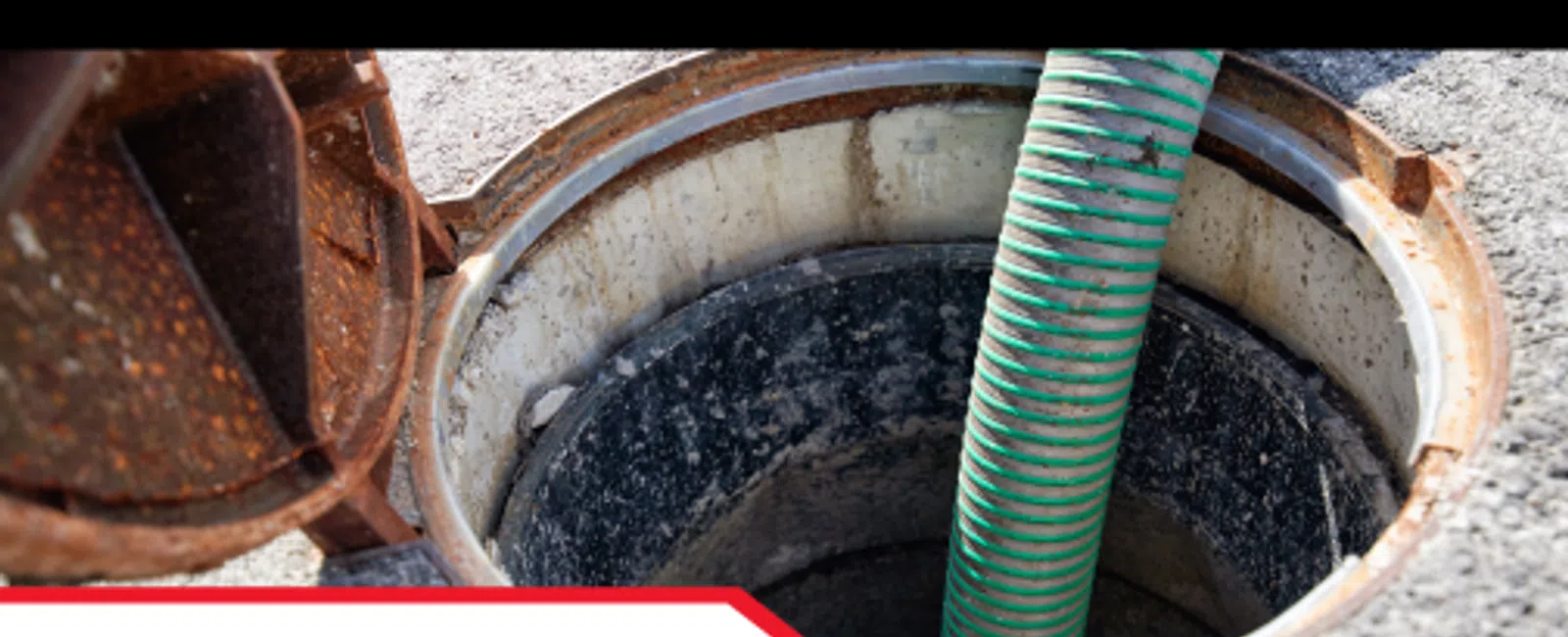
Purchasing a home is one of the largest financial investments most people will ever make. While buyers often focus on visible features such as the roof, HVAC system, foundation, and electrical components, one critical part of the property remains hidden beneath the ground: the sewer line. Because this essential system is buried underground, significant problems can develop without showing obvious warning signs during a standard walkthrough. That is why a sewer scope inspection has become an increasingly valuable part of the home-buying process.
For homebuyers throughout the Southeast, understanding the condition of a property's sewer system can help prevent unexpected repair costs after closing. Aging infrastructure, tree root intrusion, shifting soil, corrosion, and construction defects can all affect underground sewer lines. Even newer homes are not immune to installation issues or accidental damage during construction. A professional sewer camera inspection provides valuable insight into the condition of the line before ownership changes hands.
At LunsPro Inspection Group, buyers seeking comprehensive Home inspection services often choose to add Sewer scope inspections alongside traditional Plumbing inspections. Whether performing Home Inspections in the Southeast, Home Inspections in North Carolina, Home Inspections in Charlotte, Home Inspections in Raleigh, or Home Inspections in Greensboro, evaluating the condition of underground sewer systems helps buyers make informed decisions with greater confidence.
What Is a Sewer Scope Inspection?
A sewer scope inspection is a specialized inspection that uses a waterproof, high-resolution camera attached to a flexible cable. The camera is inserted into an accessible cleanout or drain opening and travels through the property's main sewer line while transmitting live video to the inspector.
This process allows inspectors to visually evaluate the interior condition of the sewer pipe without excavation or destructive testing.
Unlike a standard home inspection, which primarily evaluates visible plumbing fixtures and accessible piping, a sewer camera inspection examines portions of the drainage system that cannot otherwise be seen.
The inspection helps identify defects that may affect the home's plumbing performance, safety, and long-term maintenance costs.
Why Sewer Lines Matter
The sewer line serves as the primary pathway that carries wastewater away from the home to either a municipal sewer system or a private septic system.
Every plumbing fixture depends on this system, including:
- Toilets
- Sinks
- Bathtubs
- Showers
- Washing machines
- Dishwashers
- Floor drains
If the sewer line develops a blockage, collapse, or break, wastewater may no longer flow properly, potentially resulting in backups inside the home and costly repairs.
Because underground sewer lines remain hidden beneath landscaping, sidewalks, driveways, or foundations, significant deterioration may occur without homeowners realizing it.
Why Standard Home Inspections Don't Show Sewer Line Conditions
A comprehensive home inspection evaluates numerous plumbing components, including:
- Water supply piping
- Drain piping
- Water heaters
- Fixtures
- Visible leaks
- Drain operation
However, most of the buried sewer line cannot be visually inspected without specialized equipment.
Even when interior plumbing fixtures appear to drain normally, problems may still exist farther underground.
A dedicated sewer line inspection provides information that cannot be obtained during a traditional home inspection alone.
Common Problems Found During Sewer Scope Inspections
Professional sewer camera inspections frequently uncover conditions that are otherwise impossible to detect.
Some of the most common issues include:
Tree Root Intrusion
Tree roots naturally seek moisture.
Small cracks or loose pipe joints allow roots to enter sewer lines, where they continue growing over time.
Root intrusion may eventually cause:
- Slow drainage
- Partial blockages
- Complete clogs
- Pipe damage
- Wastewater backups
Older neighborhoods with mature trees often experience this issue.
Pipe Cracks
Sewer pipes may crack because of:
- Ground movement
- Freeze-thaw cycles
- Heavy vehicle traffic
- Soil settlement
- Material deterioration
Cracked pipes may allow groundwater infiltration while permitting wastewater to leak into surrounding soil.
Pipe Bellies
A pipe belly occurs when part of the sewer line settles lower than surrounding sections.
Water and waste collect in these low spots instead of flowing normally.
Standing water inside the pipe may eventually contribute to recurring blockages.
Corrosion
Older cast iron sewer lines may deteriorate internally over time.
Corrosion can reduce pipe diameter and create rough interior surfaces that trap debris.
As corrosion progresses, replacement may eventually become necessary.
Offset Pipe Joints
Ground movement may shift pipe sections out of alignment.
These offsets can:
- Restrict flow
- Catch debris
- Allow root intrusion
- Increase blockage risk
Construction Debris
New homes occasionally contain leftover construction materials inside sewer lines.
Inspectors sometimes discover:
- Drywall compound
- Concrete
- Wood scraps
- Grout
- Packaging materials
These materials may eventually create drainage problems.
Collapsed Pipes
Although less common, sewer lines may partially or completely collapse.
Possible causes include:
- Heavy equipment
- Soil movement
- Aging materials
- Improper installation
A collapsed sewer line often requires excavation and replacement.
Older Homes Often Benefit Most
While every home can benefit from a sewer scope inspection, older homes frequently present greater risks.
Homes built several decades ago may contain sewer pipes made from:
- Clay
- Orangeburg pipe
- Cast iron
- Early concrete materials
These materials generally have shorter service lives than modern PVC piping.
Many older neighborhoods throughout Home Inspections in North Carolina involve mature landscaping that increases the likelihood of tree root intrusion.
New Construction Homes Are Not Immune
Many buyers assume new homes do not require sewer inspections.
However, construction-related issues occasionally occur.
Potential problems include:
- Improper pipe slope
- Construction debris
- Equipment damage
- Poor connections
- Installation defects
Even newly installed systems can contain defects that become expensive after closing.
A sewer line inspection offers additional peace of mind regardless of the home's age.
Why Southeastern Homes Face Unique Sewer Challenges
Homes throughout the Southeast experience environmental conditions that may affect sewer systems over time.
These include:
Expansive Clay Soils
Certain regions contain clay soils that expand when wet and shrink during dry periods.
Repeated soil movement may gradually affect buried piping.
Heavy Rainfall
Frequent rainfall can alter soil conditions surrounding sewer lines.
Improper drainage may accelerate settlement around underground utilities.
Mature Landscaping
Many established neighborhoods contain large trees with extensive root systems.
Tree roots remain one of the leading causes of sewer line blockages.
Humidity
Although humidity itself does not damage sewer lines, the Southeast's moist environment encourages vigorous root growth that may increase intrusion into damaged pipes.
What Happens During a Sewer Scope Inspection?
The inspection process is generally straightforward.
The inspector will:
- Locate an accessible sewer cleanout whenever available.
- Insert the inspection camera into the pipe.
- Advance the camera through the sewer line.
- Record the interior condition.
- Identify visible defects.
- Review findings with the client.
Many inspections include recorded video or photographs documenting observed conditions.
What Inspectors Look For
During a professional sewer scope inspection, inspectors evaluate numerous conditions, including:
- Pipe material
- Pipe alignment
- Root intrusion
- Cracks
- Corrosion
- Standing water
- Offset joints
- Obstructions
- Grease buildup
- Foreign objects
- Structural deterioration
Each finding helps paint a clearer picture of the sewer system's overall condition.
How Sewer Problems Affect Homeowners
Undetected sewer defects may lead to expensive repairs after purchasing a home.
Potential consequences include:
- Sewage backups
- Landscape excavation
- Pipe replacement
- Interior water damage
- Mold growth
- Foundation excavation
- Temporary plumbing disruption
Repair costs often reach thousands of dollars depending on the severity and location of the problem.
Sewer Scope Inspections Can Strengthen Negotiations
For buyers, identifying sewer issues before closing creates opportunities for informed negotiations.
Depending on inspection findings, buyers may choose to:
- Request repairs
- Negotiate credits
- Adjust purchase price
- Obtain contractor evaluations
- Plan future maintenance
Knowing the condition of the sewer line before closing allows buyers to make decisions based on accurate information rather than unexpected surprises.
Sewer Maintenance After Purchase
Even healthy sewer systems benefit from routine maintenance.
Homeowners can reduce future problems by:
- Avoiding grease disposal down drains
- Never flushing wipes labeled "flushable"
- Limiting food waste disposal
- Monitoring tree growth near sewer lines
- Scheduling periodic inspections if recommended
Preventive maintenance often extends the life of the system.
Sewer Scope Inspections vs. Septic Inspections
It is important to understand the difference between a sewer scope inspection and a septic inspection.
A sewer scope inspection evaluates the buried sewer pipe leading away from the home.
A septic inspection focuses on:
- Septic tanks
- Distribution boxes
- Drain fields
- Pumps
- Treatment components
Properties connected to municipal sewer systems generally benefit from sewer camera inspections, while homes with septic systems may require separate septic evaluations.
Combining Sewer Scope Inspections with Plumbing Inspections
Many buyers choose to schedule Sewer scope inspections alongside comprehensive Plumbing inspections.
Together, these services provide a more complete understanding of the home's plumbing system.
While plumbing inspections evaluate:
- Supply piping
- Fixtures
- Water heaters
- Drain performance
- Visible leaks
A sewer camera inspection adds valuable information about buried infrastructure that cannot otherwise be seen.
The combination creates a more comprehensive evaluation of the property's plumbing health.
Choosing Professional Home Inspection Services
A quality inspection involves more than checking visible systems.
Comprehensive Home inspection services often include optional specialty inspections that evaluate hidden components affecting long-term ownership costs.
At LunsPro Inspection Group, inspectors help buyers understand the condition of critical systems throughout the property. Whether conducting Home Inspections in Charlotte, Home Inspections in Raleigh, Home Inspections in Greensboro, or elsewhere across the region, the goal is to provide objective information that supports informed purchasing decisions.
By combining traditional home inspections with specialized services like Sewer scope inspections and Plumbing inspections, buyers gain a more complete picture of the property's condition before closing.
A home's sewer system may be hidden underground, but its importance cannot be overstated. Because the main sewer line handles all wastewater leaving the home, even a single defect can lead to significant inconvenience and costly repairs. A professional sewer scope inspection helps uncover hidden problems that would otherwise remain invisible during a traditional home inspection, giving buyers valuable information before making one of life's largest investments.
For homeowners and buyers throughout the Southeast, investing in a sewer line inspection is a practical step toward protecting both the property and their financial future. At LunsPro Inspection Group, comprehensive Home inspection services are designed to evaluate not only what is visible but also critical systems hidden below the surface. Whether scheduling Home Inspections in North Carolina, Home Inspections in Charlotte, Home Inspections in Raleigh, Home Inspections in Greensboro, or anywhere else within the company's service area, adding a sewer scope inspection provides greater confidence and a more complete understanding of the home's overall condition.