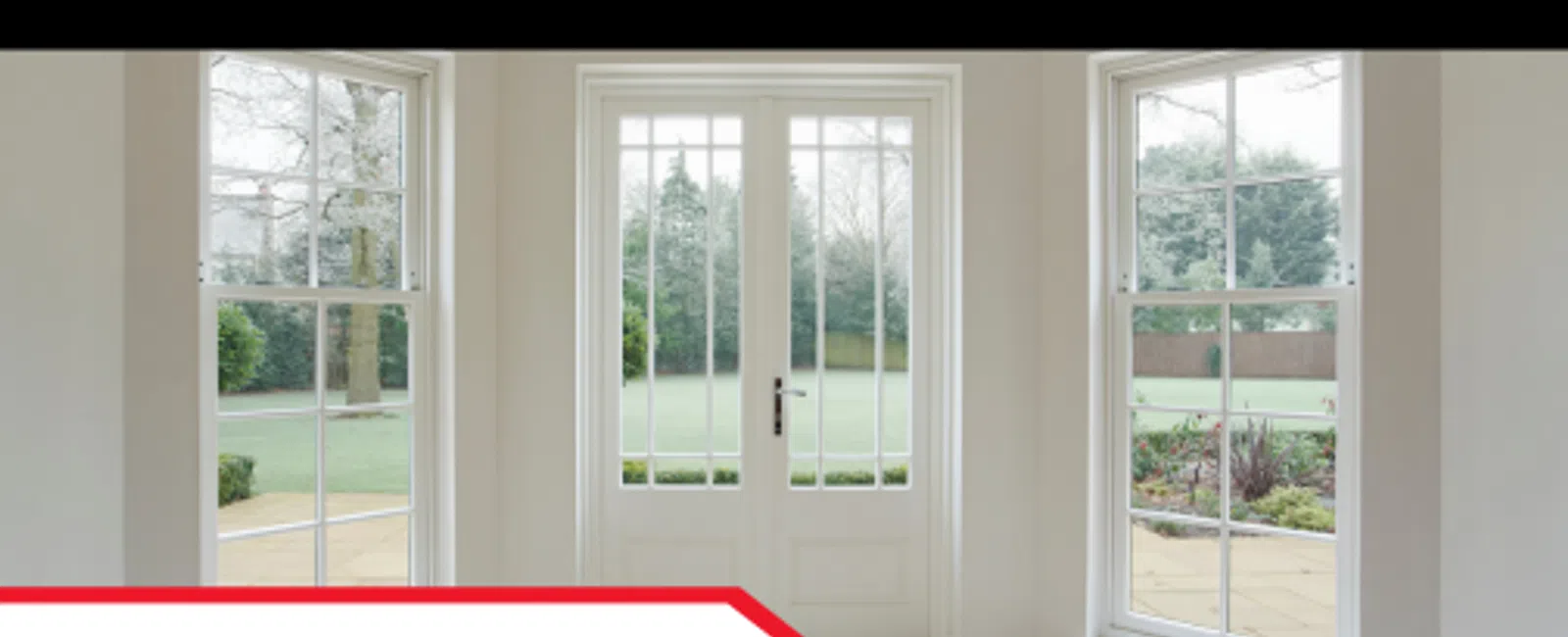
Buying or selling a home involves much more than evaluating curb appeal or interior finishes. Many of the most important issues affecting a property's condition are hidden in plain sight, particularly around windows and doors. While these components may appear simple, they play a critical role in protecting a home from water intrusion, air leaks, structural movement, security concerns, and energy loss. A thorough window and door inspection is an essential part of identifying problems that could affect the home's safety, comfort, and long-term value.
For homeowners throughout the Southeast, where high humidity, heavy rainfall, seasonal storms, and fluctuating temperatures place additional stress on residential structures, properly functioning windows and doors are even more important. During Home Inspections in the Southeast, inspectors often discover issues that homeowners may overlook because they develop gradually over time. Problems such as deteriorated seals, damaged frames, sticking doors, or improperly installed flashing can eventually lead to costly repairs if they are not addressed early.
At LunsPro Inspection Group, inspectors understand that windows and doors are more than decorative features. They are critical components of the home's building envelope that help protect the interior from moisture, improve energy efficiency, and contribute to overall structural performance. Whether conducting Home Inspections in Georgia, Home Inspections in Atlanta, Home Inspections in Athens, or Home Inspections in Savannah, evaluating these systems carefully helps provide buyers and homeowners with valuable insight into the property's true condition.
Why Windows and Doors Matter During a Home Inspection
Windows and doors serve multiple essential purposes throughout a home. They provide natural light, ventilation, security, emergency exits, weather protection, and insulation. Because they are constantly exposed to changing weather conditions, they experience significant wear throughout their lifespan.
A comprehensive window and door inspection helps identify problems that may indicate larger concerns affecting the home, including:
- Water intrusion
- Structural settlement
- Moisture damage
- Wood rot
- Air leakage
- Improper installation
- Foundation movement
- Energy efficiency issues
- Security concerns
Although some defects may appear minor, they often signal underlying conditions that deserve further evaluation.
Common Window Defects Found During Home Inspections
Windows are among the most frequently evaluated components during residential inspections because they contain numerous moving parts and seals that naturally deteriorate over time.
Some of the most common home inspection defects involving windows include:
Broken or Failed Window Seals
Modern insulated windows contain multiple panes separated by sealed air or gas-filled spaces. When these seals fail, moisture enters between the panes, creating condensation or fogging.
Failed seals can:
- Reduce insulation performance
- Lower energy efficiency
- Obstruct visibility
- Indicate aging window systems
While failed seals may not immediately cause structural damage, they often signal windows nearing the end of their useful life.
Damaged Frames
Wood, vinyl, fiberglass, and aluminum window frames all age differently.
Inspectors commonly observe:
- Rotting wood
- Cracked vinyl
- Bent aluminum
- Warped frames
- Insect damage
- Moisture deterioration
Frame deterioration may allow water intrusion that damages surrounding walls.
Difficult Operation
Windows should open, close, and lock properly.
Problems may include:
- Painted-shut windows
- Sticking sashes
- Broken balances
- Misaligned tracks
- Damaged hardware
Operational issues may affect emergency egress and homeowner safety.
Water Intrusion Around Windows
Water entering around windows often causes hidden deterioration inside walls.
Signs include:
- Stained drywall
- Peeling paint
- Soft trim
- Mold growth
- Damaged insulation
Early identification helps prevent more extensive repairs later.
Cracked or Broken Glass
Broken glass presents obvious safety concerns.
Even small cracks may expand due to:
- Temperature changes
- Structural movement
- Storm impacts
- Settlement
Damaged glazing should be evaluated for replacement.
Common Door Defects Found During Home Inspections
Exterior and interior doors also reveal important information about a home's condition.
A thorough window and door inspection includes evaluating door operation, alignment, weather sealing, and structural integrity.
Doors That Stick or Fail to Latch
Doors should open and close smoothly.
Common causes include:
- Foundation settlement
- Frame movement
- Humidity expansion
- Improper installation
- Structural shifting
Although seasonal humidity may temporarily affect wood doors, persistent problems may indicate larger structural concerns.
Damaged Weatherstripping
Weatherstripping keeps outdoor air, moisture, and insects from entering the home.
Damaged weatherstripping may lead to:
- Higher utility bills
- Drafts
- Moisture intrusion
- Increased HVAC workload
Replacing worn weatherstripping is often inexpensive but highly beneficial.
Rotting Door Frames
Exterior door frames experience continuous exposure to moisture.
Inspectors frequently observe:
- Soft wood
- Decaying trim
- Peeling paint
- Water damage
- Insect activity
Rot may extend into adjacent framing if left untreated.
Improper Flashing
Flashing directs water away from door openings.
Poor installation may allow water behind siding, leading to:
- Rot
- Mold
- Structural deterioration
- Interior water damage
Proper flashing is especially important in rainy Southeastern climates.
Broken Locks and Hardware
Doors should provide reliable security.
Inspectors examine:
- Deadbolts
- Strike plates
- Hinges
- Handles
- Lock operation
Loose or damaged hardware may compromise safety.
How Moisture Affects Windows and Doors
Moisture remains one of the leading causes of home inspection defects involving windows and doors.
The Southeast's humid climate accelerates deterioration by exposing building materials to repeated wetting and drying cycles.
Common moisture-related problems include:
- Wood rot
- Mold growth
- Swollen framing
- Rusted hardware
- Interior wall damage
- Exterior trim deterioration
When moisture enters around improperly sealed openings, damage often spreads beyond the visible area.
Energy Efficiency Concerns
Windows and doors significantly influence a home's energy performance.
Defects that reduce efficiency include:
- Air leaks
- Failed seals
- Poor insulation
- Missing weatherstripping
- Gaps around frames
- Improper installation
Energy loss forces heating and cooling systems to work harder, increasing utility costs throughout the year.
Many buyers appreciate knowing where efficiency improvements can reduce long-term operating expenses.
Structural Movement Can Appear Around Doors and Windows
One reason inspectors pay close attention to these openings is that structural movement frequently becomes visible here first.
Signs may include:
- Diagonal wall cracks
- Doors that no longer latch
- Windows that stick
- Uneven gaps
- Misaligned frames
Although not every issue indicates foundation failure, these symptoms often warrant further investigation.
A professional inspection helps determine whether the problems appear cosmetic or suggest larger structural concerns.
Safety Considerations
Windows and doors contribute directly to household safety.
Inspectors evaluate several safety-related conditions, including:
Emergency Egress
Bedrooms generally require properly functioning egress windows.
Blocked or inoperable windows may reduce safe emergency escape options.
Tempered Safety Glass
Certain locations require tempered safety glass, including:
- Near doors
- Bathrooms
- Stairways
- Low windows
Safety glazing reduces injury risk if broken.
Secure Entry Points
Exterior doors should provide reliable security.
Inspectors verify:
- Lock operation
- Door alignment
- Frame condition
- Hardware attachment
Pest and Insect Entry
Small openings around windows and doors often allow unwanted pests inside.
Common entry points include:
- Damaged screens
- Missing weatherstripping
- Frame gaps
- Cracked caulking
Preventing these openings helps reduce insect and rodent activity while improving comfort.
Why Proper Installation Matters
Even high-quality windows and doors perform poorly when installed incorrectly.
Installation defects may include:
- Poor flashing
- Inadequate sealing
- Improper fastening
- Incorrect shimming
- Insufficient insulation
Improper installation frequently leads to premature failure, moisture intrusion, and reduced energy efficiency.
During Home Inspections in Georgia, inspectors often identify installation issues that occurred during previous renovations or builder construction.
Routine Maintenance Helps Prevent Major Repairs
Homeowners can extend the lifespan of windows and doors through regular maintenance.
Recommended tasks include:
- Cleaning tracks
- Lubricating hardware
- Inspecting caulking
- Replacing weatherstripping
- Repainting exposed wood
- Cleaning drainage channels
- Checking locks
- Repairing damaged screens
Routine maintenance often prevents minor concerns from becoming expensive repairs.
What Buyers Should Know
For homebuyers, window and door defects should be viewed within the context of the home's overall condition.
An inspection report may identify:
- Maintenance items
- Repair recommendations
- Components nearing replacement
- Safety concerns
- Moisture issues
- Operational deficiencies
Understanding these findings allows buyers to budget appropriately and make informed purchasing decisions.
Not every issue represents a major defect, but each deserves proper evaluation.
What Sellers Can Do Before Listing
Sellers benefit from addressing obvious window and door concerns before listing their home.
Simple improvements may include:
- Replacing damaged weatherstripping
- Repairing locks
- Cleaning tracks
- Adjusting sticking doors
- Re-caulking exterior openings
- Replacing broken screens
- Painting deteriorated trim
These relatively inexpensive improvements can create a better impression during inspections and reduce repair requests during negotiations.
Why Professional Home Inspections Matter
Because windows and doors interact with numerous building systems—including roofing, siding, framing, insulation, HVAC efficiency, and moisture management—they should always be evaluated as part of a comprehensive inspection.
Professional inspectors understand how seemingly minor deficiencies can indicate larger issues affecting the home's performance.
At LunsPro Inspection Group, every inspection carefully evaluates accessible windows and doors to identify visible defects, operational concerns, and conditions that may require additional attention. Whether performing Home Inspections in Atlanta, Home Inspections in Athens, Home Inspections in Savannah, or elsewhere across the region, inspectors provide clear, objective observations that help homeowners and buyers better understand the property's condition.
Windows and doors are often taken for granted until problems become obvious. Yet these components protect the home every day by keeping out moisture, maintaining indoor comfort, improving security, and supporting energy efficiency. A detailed window and door inspection helps uncover issues before they lead to more extensive repairs, giving homeowners valuable insight into the property's current condition.
Whether purchasing a first home, preparing to sell, or maintaining an existing property, understanding common home inspection defects involving windows and doors helps homeowners make informed decisions. With professional evaluations from LunsPro Inspection Group, homeowners throughout the Southeast can move forward with greater confidence, knowing their investment has been examined with the thoroughness and attention to detail that quality Home Inspections in the Southeast are designed to provide.